8 Reasons Family Size Chip Bags Are the Biggest Snack Aisle Scam

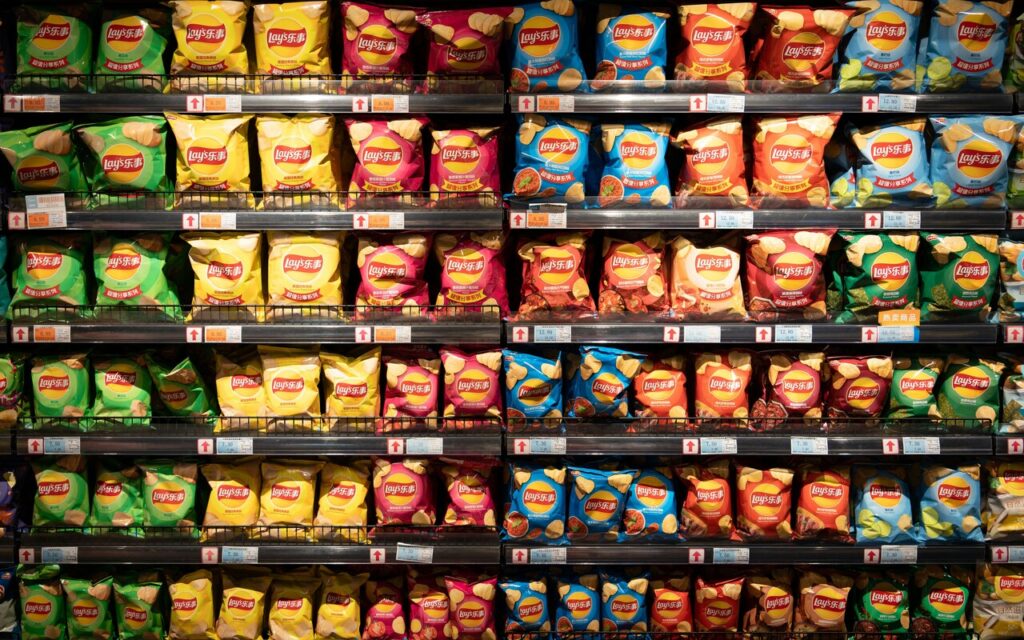
Family-size chip bags seem like an easy way to save money, promising more snacks for just a little extra cost. Yet many shoppers discover these oversized packages do not always deliver better value. Between misleading pricing, excess packaging, shrinkflation, and freshness loss after opening, larger bags can quietly cost more in the long run. Understanding how packaging and pricing strategies work reveals why bigger snack bags sometimes feel like a deal but rarely stretch budgets as expected.
1. Bigger Bags Often Cost More Per Bite
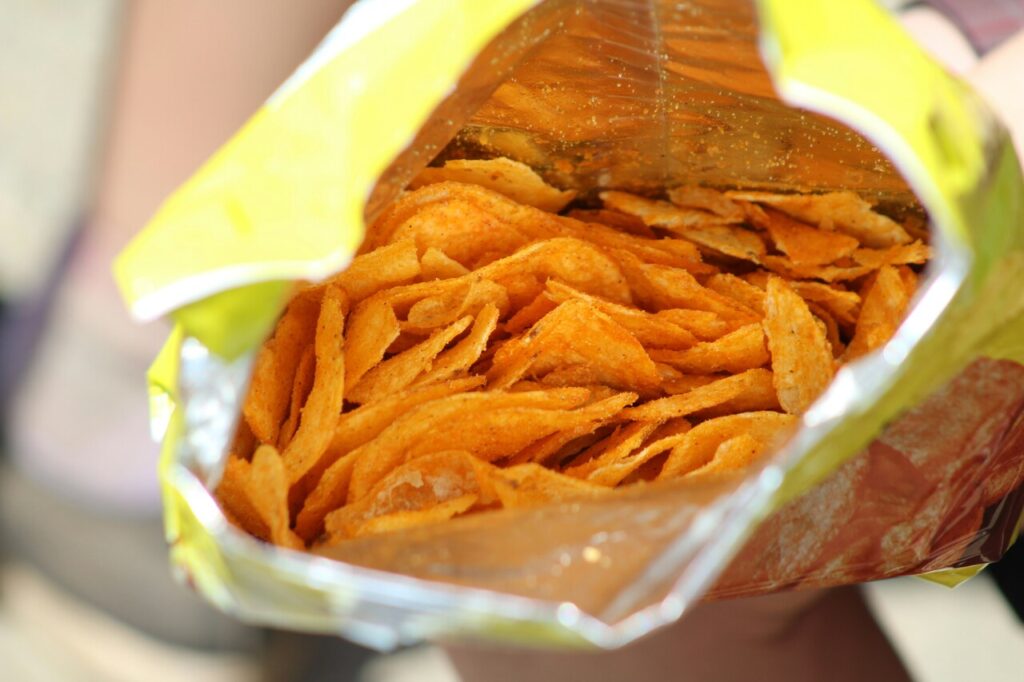
Family-size chip bags appear to promise better value simply because they look larger, yet price comparisons frequently reveal the opposite. Many shoppers assume larger packaging automatically lowers the cost per serving. Manufacturers know shoppers associate bulk packaging with deals, so pricing sometimes reflects perception rather than genuine savings. Shelf placement and labeling also encourage quick decisions, making shoppers less likely to compare smaller bags carefully. The result is a purchase that feels economical but may not actually reduce spending. Unless prices are checked closely, customers can end up paying more simply because the bag looks bigger, not because it truly offers better value.
2. Unit Pricing Labels Can Hide the Truth
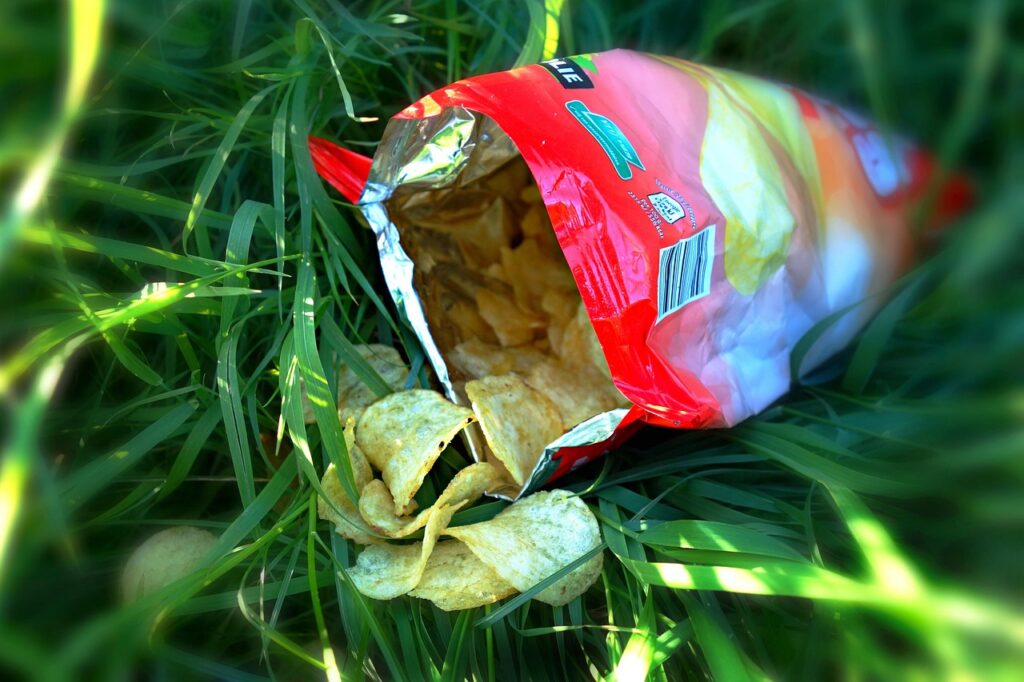
Supermarkets usually display price-per-ounce information on shelves, but these small labels often go unnoticed or become confusing when different package sizes or promotional tags compete for attention. Shoppers often rely on bag size rather than detailed price comparison. Sometimes unit prices change during promotions or differ across brands, making quick calculations difficult during routine grocery trips. As a result, buyers may believe they are saving money when actual cost differences remain minimal. Without careful attention, shoppers can fall into buying larger bags that do not deliver meaningful savings. Marketing emphasizes package size while critical price details remain easy to overlook in busy snack aisles.
3. Large Bags Lead to More Waste at Home
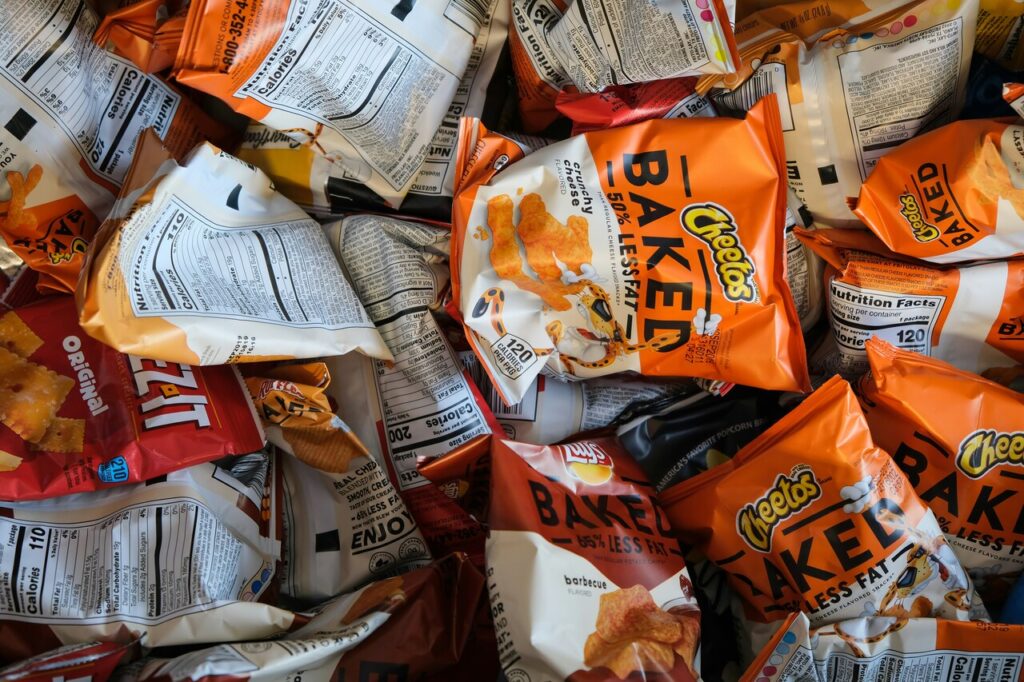
Opening a family-sized bag commits households to finishing a large quantity of chips before freshness declines. Once opened, chips gradually lose crispness, especially if bags are not sealed carefully after each use. In many households, large bags linger for days or weeks, eventually becoming stale before being fully eaten. Portions may get thrown away, effectively raising the cost per edible serving even when initial pricing seemed attractive. Smaller bags, although sometimes slightly more expensive per ounce, often get consumed while still fresh. When waste is considered, family size options sometimes end up costing more in practical terms.
4. Oversized Packaging Creates Illusion of Abundance
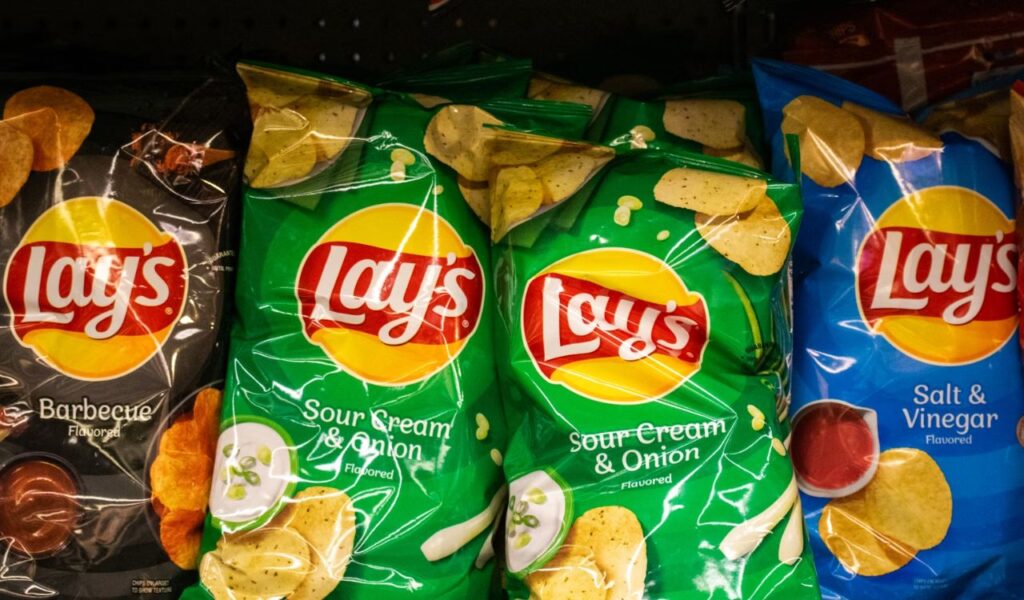
Family-size chip bags look impressive in carts and on store shelves, but much of their volume consists of air used to protect chips from breaking. Packaging appears generous even though the actual chip quantity may not increase proportionally. Nitrogen-filled bags cushion chips during transport, yet visual impact often tricks buyers into believing the bag contains more snacks than it truly does. Packaging size strongly influences perception of value. Consumers frequently feel disappointed after opening large bags and finding contents far below expectations. Visual bulk sells the idea of value, even when edible quantity remains modest compared with packaging size.
5. Shrinkflation Quietly Reduces Value
Over time, chip manufacturers sometimes reduce product weight while maintaining similar packaging dimensions and price points. Bags appear unchanged, but the actual chip quantity gradually decreases.
These subtle adjustments allow companies to manage rising ingredient and transportation costs without visibly raising prices. Shoppers often fail to notice weight reductions because packaging design stays familiar.
Customers, therefore, believe they are purchasing the same amount they always have, while receiving less product. Family size branding continues even when the actual serving quantity quietly shrinks inside the bag.
6. Larger Bags Encourage Bigger Portions
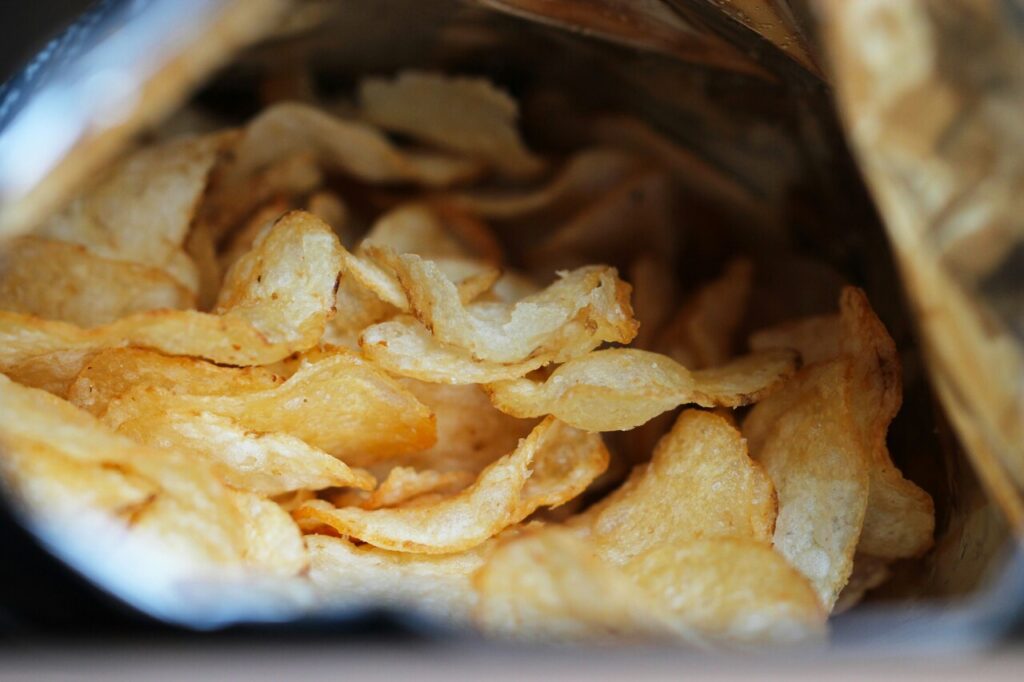
Psychological research consistently shows that larger containers lead people to eat more, often without realizing it. When family-sized bags sit open during movie nights or gatherings, portion control naturally disappears.
Because chips are easy to snack on absentmindedly, bigger bags lead to increased consumption simply due to availability. What begins as a cost-saving purchase can quickly turn into overeating.
Instead of stretching across multiple meals, family bags sometimes disappear in a single sitting. Increased consumption undermines savings while encouraging habits many shoppers later regret.
7. Protective Air Means Less Actual Snack
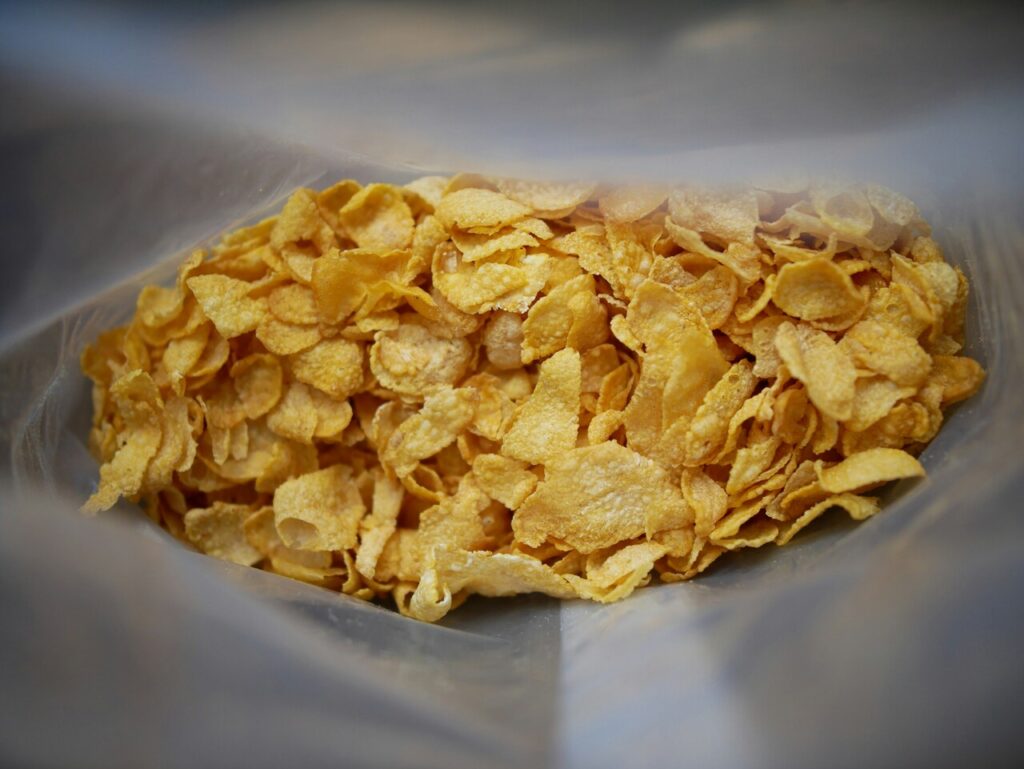
Chip bags require protective gas to prevent crushing during shipping, but larger bags frequently contain proportionally more air compared with chips. Packaging looks generous, while edible content occupies less space.
Transport safety remains necessary, yet marketing relies on large packaging presence to signal value. Buyers often assume bulk packaging equals more food, overlooking how little of the bag actually contains chips.
Upon opening, many shoppers feel underwhelmed when contents occupy only part of the package. Protective air plays a legitimate role, but perception of abundance often overshadows reality.
8. Freshness Drops Before Families Finish the Bag
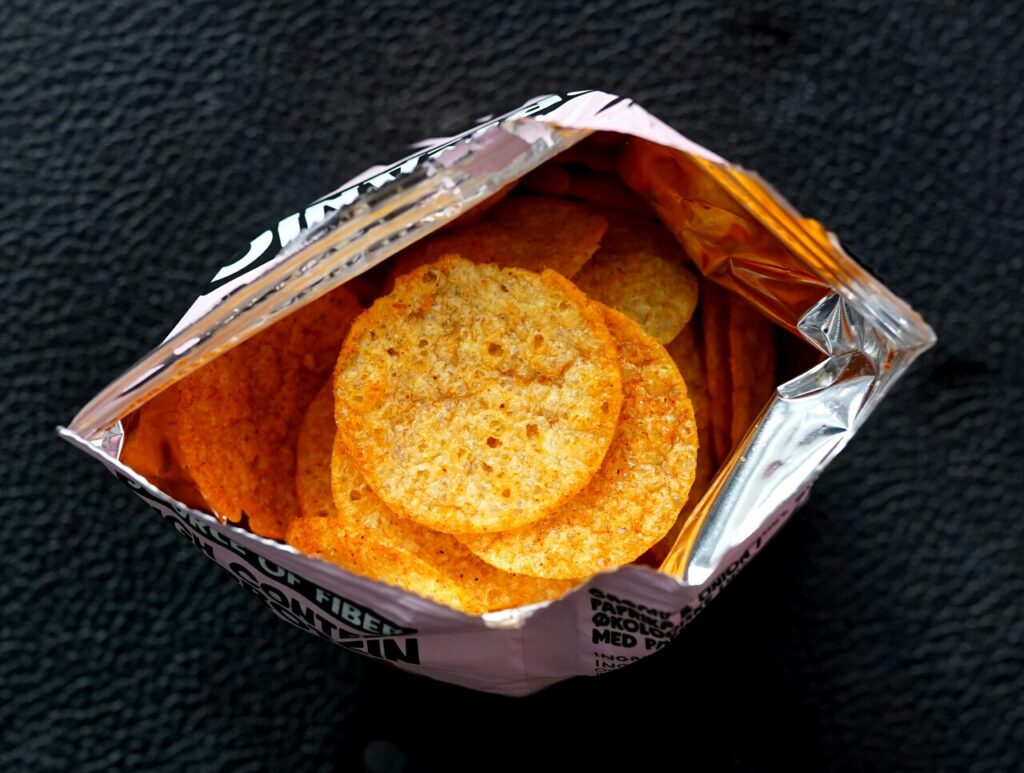
Even when stored carefully, chips gradually lose crisp texture after exposure to air. Family-size bags opened for occasional snacking often sit in pantries long enough to taste stale before being emptied.
Frequent opening introduces moisture and reduces crunch, making chips less enjoyable with each serving. Families sometimes throw away remaining portions rather than eat compromised snacks.
In these situations, initial savings disappear because uneaten chips represent wasted money. Smaller packages, though less impressive in size, sometimes offer better real-world value by preserving freshness until the last serving.