7 Meal Kit Services Losing Subscribers Fast

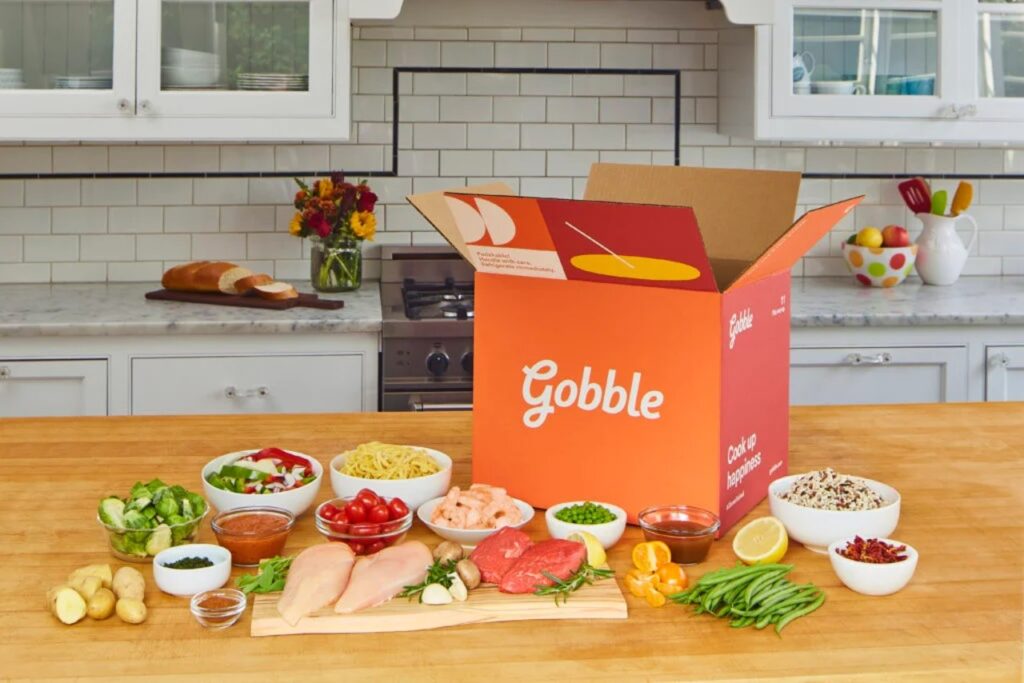
The meal kit boom once felt unstoppable. Boxes arrived like clockwork, packed with pre-portioned promise, and the thrill of a home-cooked dinner made easy. For a while, it seemed as if grocery stores and takeout had finally met their match.
But convenience comes with a cost, and loyalty is harder to secure than curiosity. As routines normalized and budgets tightened, many customers quietly hit cancel. The result is a noticeable shift across the industry.
Some of the biggest names in meal kits are now rethinking pricing, flexibility, and even their core models. Behind the glossy recipe cards lies a tougher story about retention, rising costs, and changing consumer habits.
1. HelloFresh
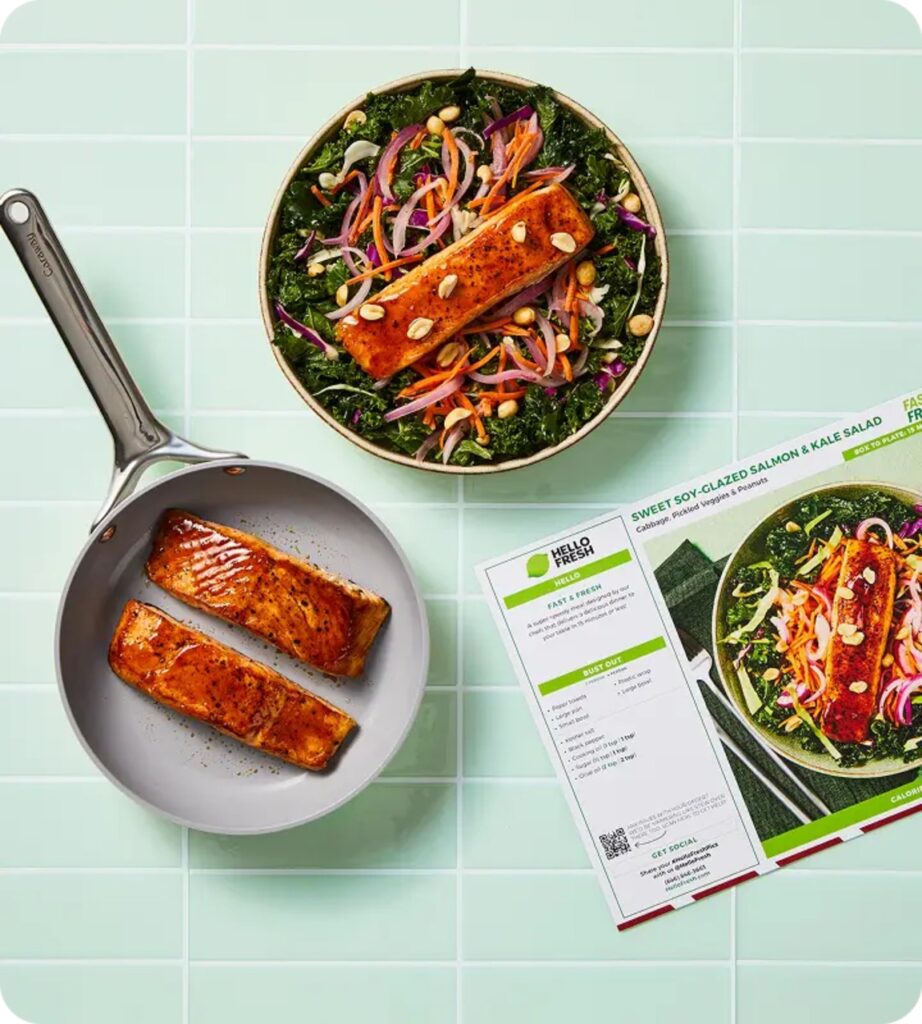
Pandemic growth hid cracks in the subscription model. A wave of first-time buyers did not always become loyal customers. As routines normalized, recurring orders slowed, and interest shifted toward ready-to-eat meals. Fewer steady subscribers meant higher acquisition costs and thinner margins.
Expansion increased pressure. New fulfillment centers and heavy marketing raised fixed costs as box demand softened. The company answered with stronger promotions and a push into prepared meals that require less commitment.
Retention is now the focus. Subscription fatigue, price sensitivity, and renewed grocery trips weigh on growth. Stability depends on holding higher-value customers and cutting reliance on deep discounts.
2. Blue Apron
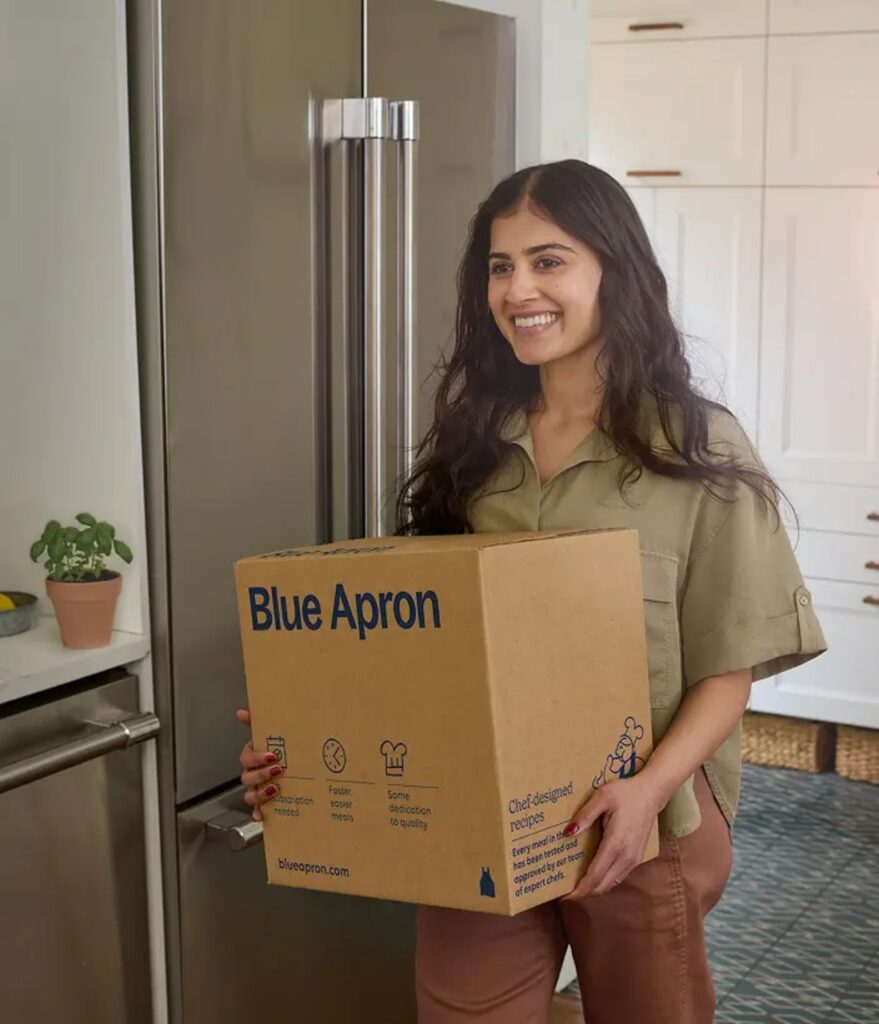
Once a symbol of the meal kit boom, the brand struggled with a simple truth. Many customers tried a box, enjoyed it, and then canceled. That churn weakened the weekly subscription model and exposed how fragile recurring revenue could be.
Heavy discounting brought sign-ups but not loyalty. Shipping, ingredient costs, and menu customization added financial strain. Leadership shifted toward more flexible ordering to reflect how people actually plan meals.
The focus today is on sustainable retention. Clear pricing, genuine convenience, and practical menus must replace constant promotions. Without that balance, subscriber losses will continue to overshadow brand recognition.
3. Home Chef
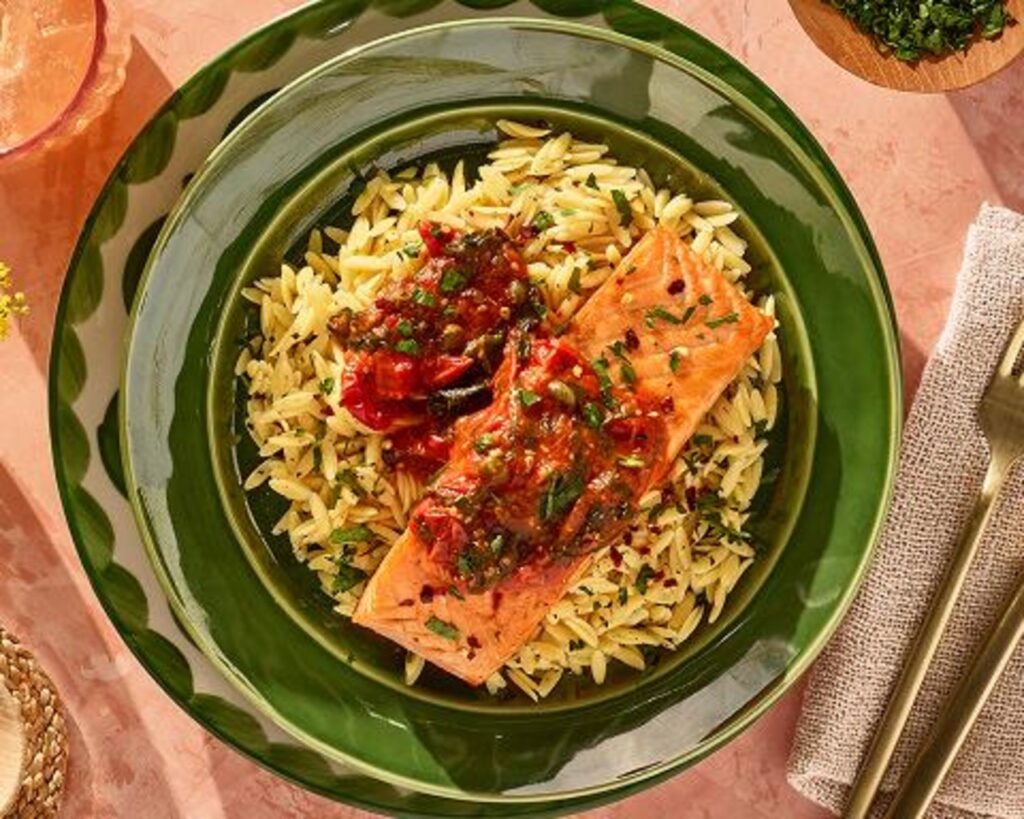
Distribution shapes this story as much as dinner does. Backed by supermarket reach, the company enjoys visibility but still faces churn. Many shoppers prefer grabbing a kit in-store rather than committing to delivery.
Being tied to a major grocer lowers acquisition costs and improves merchandising. Yet grocery promotions can dilute the premium feel of a meal kit. Retention depends more on ease and taste than marketing alone.
Success lies in repeated choice. If shoppers see real-time savings and fair pricing, they return. Turning casual buyers into routine purchasers is the core test in a competitive market.
4. Purple Carrot

A focused niche can inspire loyalty but limit scale. The brand’s plant-based identity attracts dedicated customers, yet the audience is narrower than mainstream competitors. That makes subscriber numbers more sensitive to trends and pricing shifts.
Ingredient sourcing and recipe development can raise costs. When prices climb, or menus feel repetitive, cancellations follow. Balancing creativity with efficiency is essential.
Long-term retention depends on distinction. If meals feel unique and satisfying, customers stay. If similar options appear elsewhere at a lower cost, loyalty weakens quickly.
5. Freshly
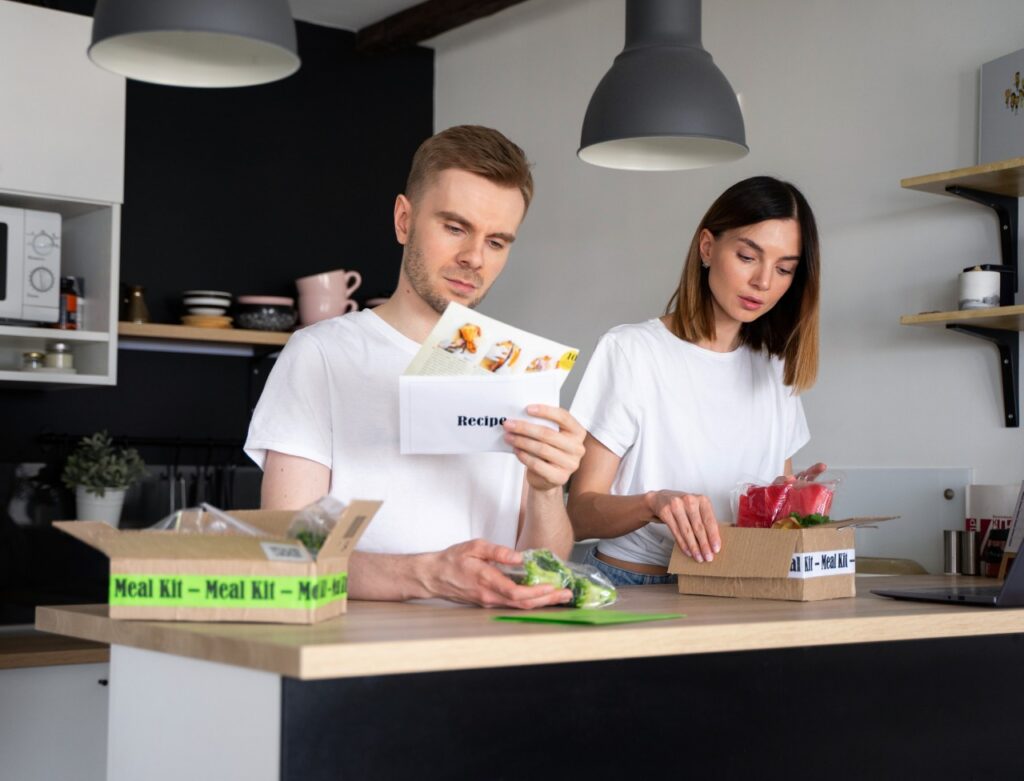
Prepared meals promised simplicity: heat, eat, and skip cooking. The model appealed to busy households, but ease came with high costs. Refrigerated shipping, insulated packaging, food safety controls, and centralized kitchens required steady repeat orders to stay profitable.
Retention proved fragile. Introductory discounts drove trial, yet many customers did not remain long enough to protect margins. Skipped deliveries and cancellations quickly tightened profitability. Marketing expenses and food price swings added strain.
The challenge was structural. The concept solved a real problem, but success depended on consistent volume. Without a reliable recurring demand, fixed costs became heavy. Consolidation reflected financial reality.
6. Gobble
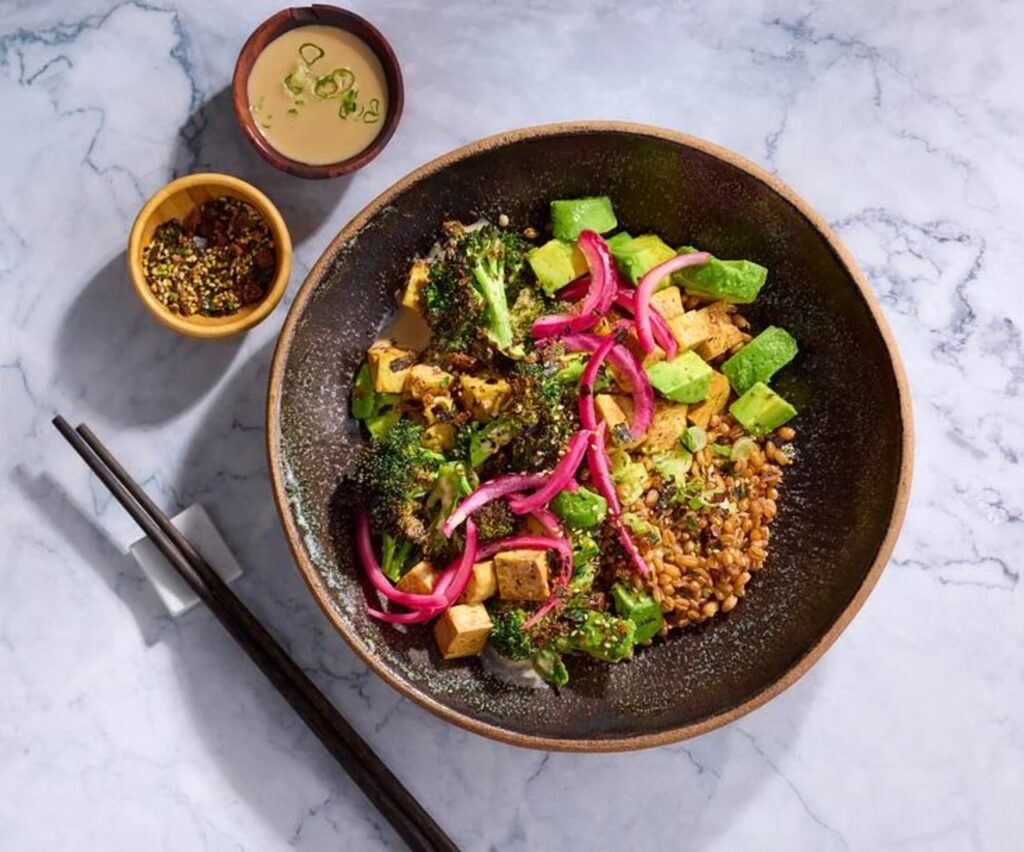
Speed shaped the pitch. Dinner in about fifteen minutes with good flavor. By sending partially prepared ingredients, the company stood between classic meal kits and ready meals. That position drew interest but placed it against cheaper rivals and premium convenience brands.
Partially cooked components require careful logistics. Proteins, sauces, and produce must move efficiently through supply chains. When subscriber counts fluctuate, forecasting becomes difficult and per-meal costs increase.
Retention defined stability. Value-conscious customers could shift to cheaper kits or choose takeout. For a mid-sized player, growth requires scale or a loyal niche. Without either, churn steadily reduces profitability.
7. Regional meal kit services
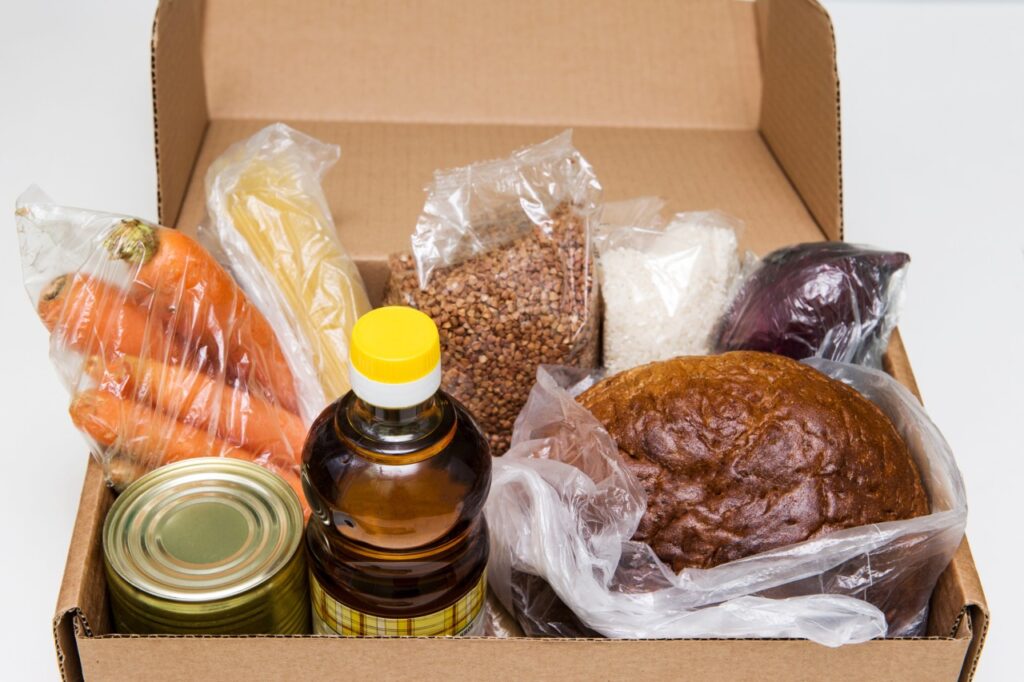
Local meal kit providers stand out for freshness and regional character. Partnerships with nearby farms and menus tailored to local tastes create authenticity. That connection can generate early interest and word of mouth within a limited area.
Yet small scale brings higher costs. Limited bargaining power with suppliers and carriers increases packaging and delivery expenses. To cover costs, prices may exceed supermarket alternatives, prompting customers to rethink subscriptions.
Loyalty is the lifeline. If meals feel unique and rooted in local identity, subscribers return. If value feels replaceable, cancellations rise. For regional operators, consistent retention determines whether passion becomes sustainable.