Portion Sizes Are Changing Across Casual Dining Chains and Most Customers Haven’t Noticed

Dining out at casual restaurant chains often feels familiar and comforting. Many customers return to the same dishes they have ordered for years, expecting the same flavors, portions, and presentation they remember. Burgers still arrive stacked high, pasta bowls still appear full, and side dishes still accompany the main plate just as before. At first glance, nothing seems very different. Yet across the casual dining industry, subtle adjustments have quietly taken place, gradually changing how much food actually reaches the table while keeping the overall appearance of meals nearly the same for returning diners.
Behind the scenes, restaurants have been carefully reshaping portion sizes in ways most customers rarely notice. Small tweaks such as slightly fewer fries, a thinner slice of meat, or a modest reduction in ingredients can slowly shift the amount served without altering the look of the meal. These quiet adjustments allow restaurants to manage rising ingredient costs, higher labor expenses, and supply pressures while keeping menu prices relatively stable, helping them maintain the sense of value customers expect when dining out. Over time, these careful changes have become a common strategy across many large restaurant chains.
The Quiet Shift in Restaurant Portion Sizes
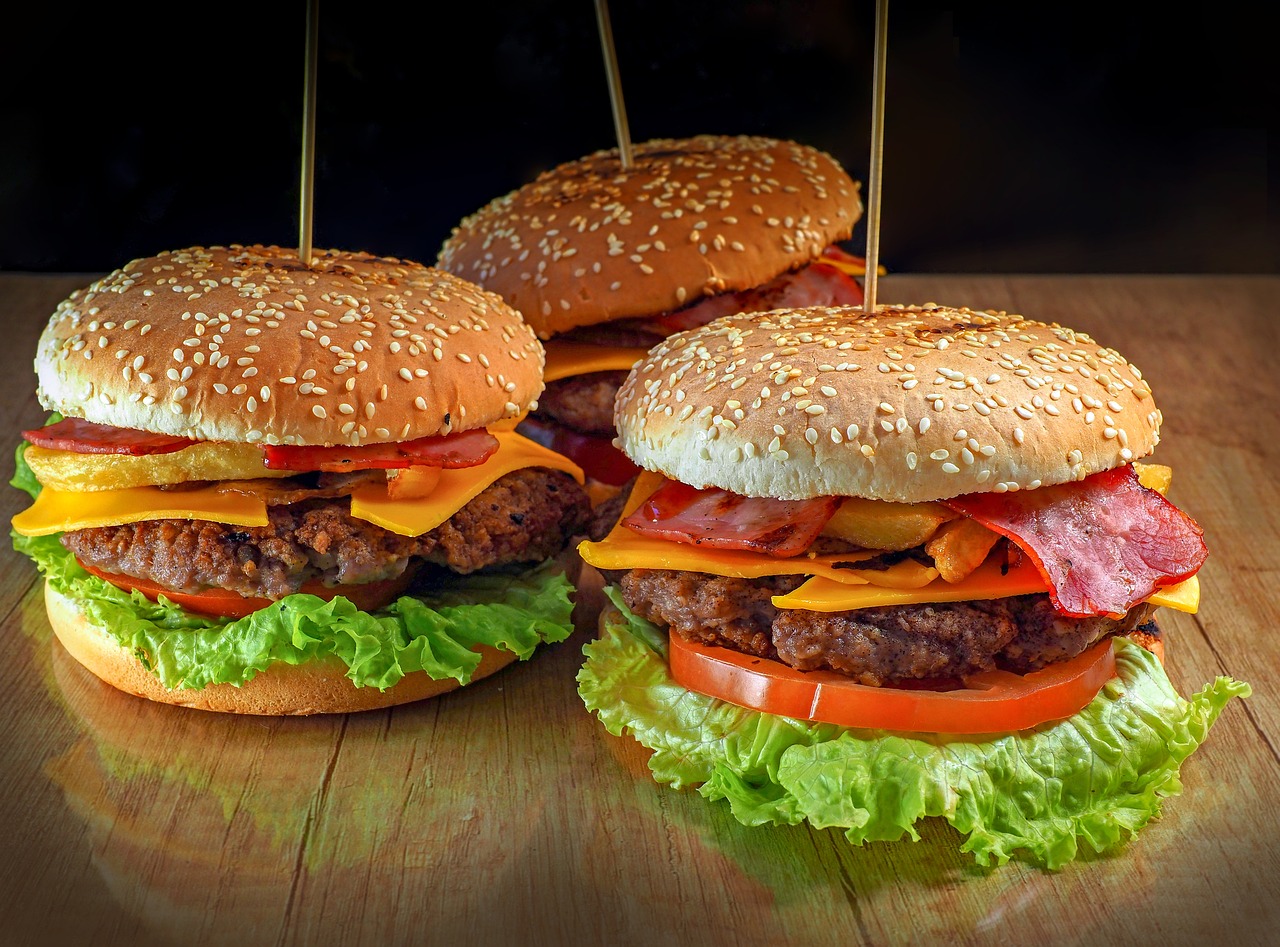
For many diners, the plate arriving at the table looks just as familiar as it always has. The burger still fills the bun, the fries still spill onto the side, and the pasta bowl appears generous at first glance. Yet across many casual dining chains, portions have gradually changed. Instead of dramatic reductions, restaurants usually make small adjustments that are difficult to notice, such as slightly fewer fries, thinner slices of meat, or a little less sauce on the plate. Because these shifts are subtle, the meal still looks satisfying, even though the total amount of food may be slightly smaller than it once was.
These quiet adjustments are part of a wider strategy used by many restaurant chains. Operators know that obvious portion cuts can disappoint customers, so they focus on small refinements that keep the meal looking full and appealing. A plate may appear nearly identical while containing fewer ounces of protein or a slightly smaller side portion. The changes are often introduced slowly through menu updates or recipe tweaks. Because they happen gradually, most diners continue ordering their favorite meals without realizing that the portion size has quietly evolved, even across several visits to the same restaurant location.
Why Casual Dining Chains Are Serving Less
Behind the scenes, casual dining restaurants are facing growing financial pressure. The cost of key ingredients such as beef, poultry, dairy, cooking oils, and fresh produce has climbed noticeably over the past several years. At the same time, restaurants must manage higher labor costs, rent, utilities, and transportation expenses. When these costs rise together, maintaining the same portion sizes becomes difficult. Serving slightly smaller portions has become one practical way for restaurants to balance expenses while still offering familiar menu items that customers recognize and continue to order regularly.
Reducing portion sizes also helps restaurants avoid sudden price increases that might discourage diners. If chains kept portions the same while food and labor costs continued rising, menu prices would likely jump much higher. Instead, many restaurants quietly adjust ingredients or serving sizes in small ways that help control expenses. A dish might include a slightly smaller cut of meat or a modestly reduced side portion while still looking complete on the plate. This careful approach allows restaurants to manage costs while continuing to provide meals that feel satisfying and reasonably priced for customers.
Rising Costs Are Reshaping the Plate
Ingredient prices have become one of the strongest forces shaping restaurant menus today. Items such as beef, chicken, cheese, cooking oils, and fresh produce often fluctuate depending on supply chains, weather conditions, transportation costs, and global demand. When several of these ingredients become more expensive at the same time, restaurants must find practical ways to keep meals affordable. Instead of dramatically increasing menu prices, many chains gradually adjust how dishes are built. These small changes allow restaurants to respond to rising costs while keeping meals recognizable for customers and maintaining a familiar dining experience.
One common solution is to rebalance what appears on the plate. Restaurants may slightly reduce expensive proteins while increasing lower-cost ingredients such as vegetables, grains, or sauces. A pasta dish might contain a bit less shrimp but more pasta, while a salad could feature extra greens instead of additional chicken. These adjustments are carefully designed so the meal still looks generous and satisfying. By managing ingredients in this way, restaurants can maintain flavor, presentation, and overall value while adapting to the ongoing pressure of rising food costs across the industry and global supply chains.
Customers Rarely Notice the Subtle Changes
Most diners do not carefully measure the amount of food placed in front of them when eating at a restaurant. Instead, they usually judge a meal by how filling it feels and how appealing it looks on the plate. Restaurants understand this behavior very well, which is why many portion adjustments are designed to remain visually subtle. By slightly reducing certain ingredients while keeping the overall presentation similar, restaurants can maintain the impression of a generous serving without drawing attention to the small changes being made. Over time, these adjustments help restaurants control costs while keeping the dining experience familiar and satisfying for regular customers.
Presentation plays a major role in how people perceive portion size. A dish can still appear abundant when ingredients are arranged thoughtfully across the plate or bowl. Restaurants often use larger plates, carefully placed garnishes, and balanced food placement to create the sense that the meal is full and satisfying. Because these portion changes usually happen gradually and are often introduced during menu updates or seasonal promotions, many diners continue enjoying their favorite dishes without realizing that the actual quantity of food has slowly shifted over time, sometimes across several visits.
How Restaurants Are Redesigning Meals and Menus
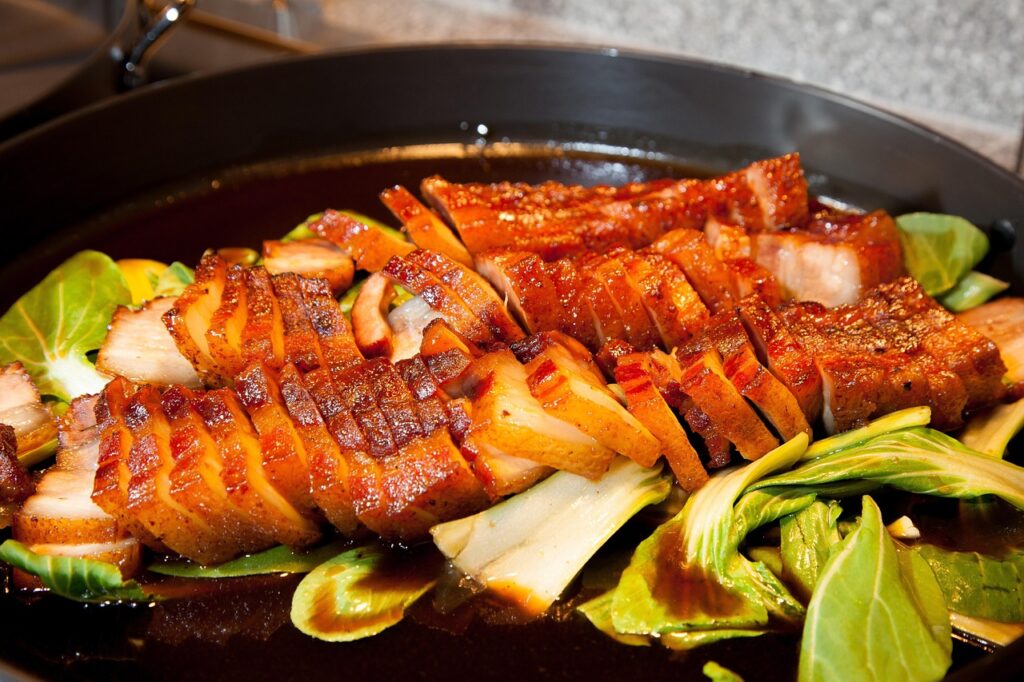
As portion strategies evolve, many casual dining chains are also rethinking how their menus are structured. Instead of focusing only on large servings, restaurants are gradually offering a wider variety of portion options that better match different appetites. Smaller plates, lighter meals, and shareable appetizers allow diners to enjoy the same flavors without always committing to oversized portions. This shift helps restaurants manage food costs while also responding to changing customer habits, as many people now prefer balanced meals that feel satisfying but not overly heavy during everyday dining.
Menu descriptions are also evolving to highlight ingredients, cooking methods, and flavor combinations rather than simply emphasizing portion size. Restaurants increasingly focus on freshness, seasoning, and presentation to make dishes feel appealing even if servings are slightly smaller than they once were. By drawing attention to taste and quality, menus encourage customers to appreciate the overall dining experience. This gradual shift reflects a broader change in restaurant culture, where thoughtful preparation, creative presentation, and balanced meals often matter as much as the amount of food served at the table.