Fancy Coffee Customizations Are Rising Fast but Cafés Are Seeing an Unexpected Side Effect

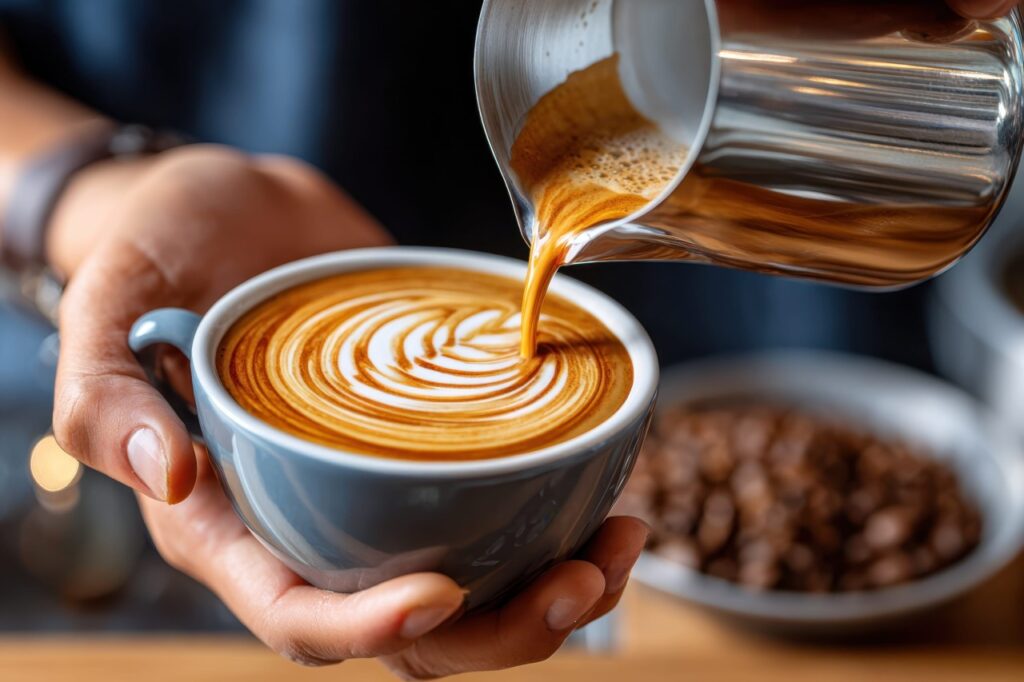
Coffee shops once thrived on a kind of comforting simplicity. A latte meant steamed milk and espresso, a cappuccino followed a familiar balance, and most customers rarely needed more than a moment to decide what to order. Over the past decade, that straightforward ritual has quietly evolved. Modern cafés now present customers with a wide range of choices, from oat and almond milk to flavored syrups, cold foams, and sweetness adjustments. For many people, coffee is no longer just a drink but a small daily creation that reflects their taste and preferences. Ordering has become part of the experience itself, encouraging customers to shape a cup that feels personal each time they visit a café.
Yet behind the growing culture of personalized coffee lies a shift many cafés did not expect. As drinks become more customized, the process of preparing them grows more detailed and time-consuming. Each extra request, whether it is a milk swap or an additional espresso shot, adds another step for the barista. What seems like a quick tweak for the customer often means several careful adjustments behind the counter. In busy cafés, these tailored orders are quietly reshaping daily routines, influencing service speed, workflow, and the pace of the morning rush. It is a change that reveals both the creativity of modern coffee culture and the hidden complexity brewing behind the counter.
The Rise of Hyper-Personalized Coffee
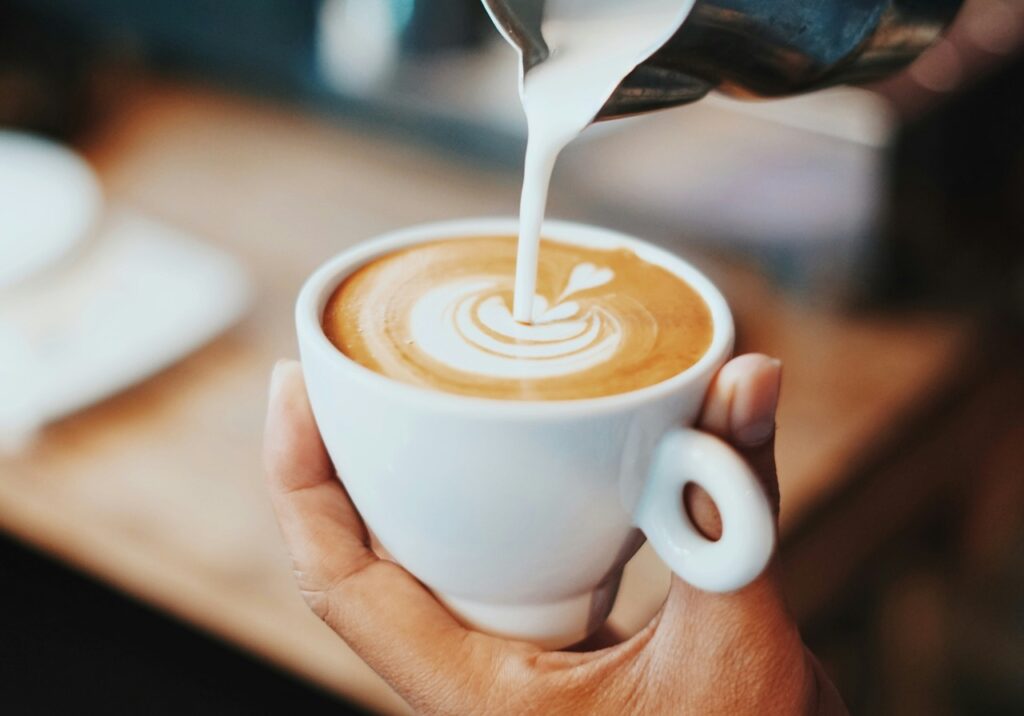
Coffee ordering once followed a familiar rhythm. Most people simply chose a latte, cappuccino, or black coffee and moved on with their day. Over time, that simple routine has transformed into something far more personal. Today’s cafés offer an expanding menu of choices, allowing customers to adjust milk types, sweetness levels, syrups, foam textures, and espresso strength. What used to be a straightforward beverage has become a customizable experience where each drink can reflect a person’s taste, diet, or even their mood that day. This shift has changed how people think about coffee, turning a daily cup into a small act of personalization that feels crafted just for them.
The rise of plant-based milks and flavored syrups has made personalized drinks even more common. Many coffee shops now offer oat, almond, soy, and coconut milk alongside dairy, plus seasonal flavors and cold foams. Customers who follow dietary preferences or enjoy trying new combinations see coffee as a flexible treat rather than a fixed recipe. Instead of sticking to a standard menu item, people increasingly expect the freedom to adjust their drink until it matches exactly what they want. As a result, cafés have expanded their options, turning a simple coffee order into a highly individualized ritual that continues to grow in popularity.
The Hidden Complexity Behind Custom Orders
At first glance, a small customization like changing the milk or adding a flavored syrup may seem simple. But behind the café counter, each change adds another step to the drink-making process. A single order might ask for oat milk instead of dairy, fewer syrup pumps, an extra espresso shot, light ice, and a layer of cold foam on top. While each request sounds minor on its own, combining several of them turns a standard recipe into a fully customized drink. Baristas must carefully adjust measurements, steaming time, and ingredient balance so the final cup still tastes smooth, balanced, and consistent every time.
This complexity becomes even more noticeable during busy hours when many detailed orders arrive at once. Baristas often prepare several drinks at the same time while keeping track of different instructions for each one. A heavily customized beverage requires more time and attention than a traditional coffee. Mobile ordering apps have also made it easier for customers to select multiple add-ons before they arrive at the café. When these detailed orders appear on the preparation screen, they can look more like step-by-step instructions than a quick coffee request, quietly slowing the pace of service for everyone waiting.
When Customization Slows Down the Café
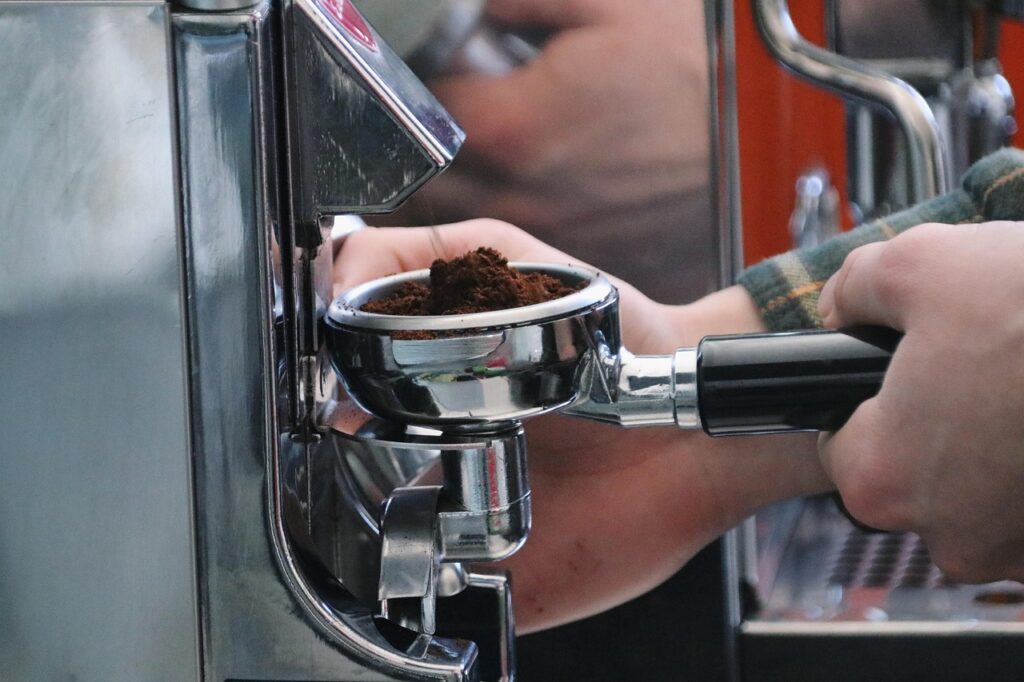
At first glance, a small customization like changing the milk or adding a flavored syrup may seem simple. But behind the café counter, each change adds another step to the drink-making process. A single order might ask for oat milk instead of dairy, fewer syrup pumps, an extra espresso shot, light ice, and a layer of cold foam on top. While each request sounds minor on its own, combining several of them turns a standard recipe into a fully customized drink. Baristas must carefully adjust measurements, steaming time, and ingredient balance so the final cup still tastes smooth and consistent. Over time, these added steps can build up and make even routine drink preparation more detailed.
This complexity becomes even more noticeable during busy hours when many detailed orders arrive at once. Baristas often prepare several drinks at the same time while keeping track of different instructions for each one. A heavily customized beverage requires more time and attention than a traditional coffee. Mobile ordering apps have also made it easier for customers to select multiple add-ons before they arrive at the café. When these detailed orders appear on the preparation screen, they can look more like step-by-step instructions than a quick coffee request, quietly slowing the pace of service.
The Growing Strain on Baristas and Operations
Baristas today are expected to handle far more than the basic steps of brewing coffee. Along with pulling espresso and steaming milk, they must understand how different milk alternatives behave, how syrups affect sweetness, and how extra ingredients change the balance of a drink. Each customized order requires attention to detail so the final result still tastes consistent. When dozens of drinks include unique combinations, baristas rely on experience and quick thinking to keep everything moving smoothly while maintaining quality in every cup they prepare. Over time, this growing complexity has quietly reshaped the skills required for the job.
The pressure increases during busy shifts when orders continue to arrive without pause. Baristas must prepare several drinks at once while remembering specific instructions for each ticket. At the same time, they answer questions from customers, correct orders when needed, and keep the workspace organized. From an operational side, cafés must also stock more ingredients such as alternative milks, syrups, and toppings. Training staff to handle these choices takes time and planning, and the added variety can make daily operations more demanding for the entire café team and management staff alike.
How Coffee Shops Are Responding to the Trend
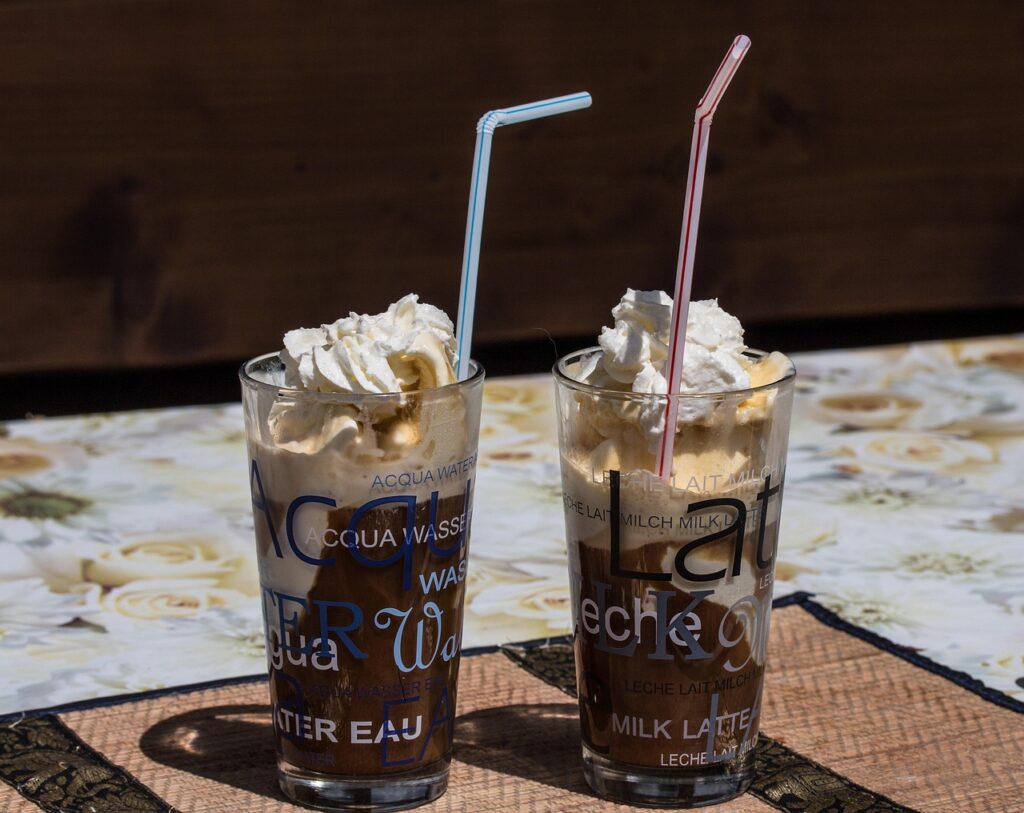
Coffee shops are gradually adjusting their menus and workflows to handle the growing demand for customized drinks. Many cafés now design menus that guide customers toward popular combinations while still allowing a few simple changes. This approach helps people decide faster and reduces the number of complicated requests that slow down service. Some shops also rearrange their preparation areas so ingredients like alternative milks, syrups, and toppings are easier for baristas to reach, allowing drinks with extra steps to be assembled more efficiently during busy periods and heavy customer rush.
Technology is also helping cafés manage the surge in personalization. Digital ordering systems and mobile apps often limit how modifications are selected so baristas receive clear and consistent instructions. Some coffee shops even introduce preset drinks inspired by common custom orders, allowing customers to enjoy creative flavors without listing many individual changes. At the same time, many coffee professionals are encouraging customers to rediscover classic drinks, highlighting how well-balanced espresso and milk recipes can deliver great flavor without endless additions or complicated adjustments in the cup.