The Hype Was Huge Around These 12 Fast Food Items So What Happened

Fast food chains often create enormous excitement when introducing new menu items. With bold advertising campaigns, limited-time launches, and curious flavor combinations, these products can attract massive attention from customers. Sometimes the hype works, and a new item becomes a long-lasting favorite. Other times, the excitement fades quickly after the first wave of curiosity. From unusual ingredients to operational challenges in busy kitchens, many factors can affect whether a new menu item survives. Looking back at these fast food experiments reveals how even heavily promoted ideas can struggle to last.
1. Arch Deluxe
Few fast food launches arrived with as much anticipation as the Arch Deluxe. McDonald’s promoted the burger as a more sophisticated option designed specifically for adults.
The burger featured a quarter-pound beef patty, peppered bacon, lettuce, tomato, cheese, onions, ketchup, and a special mustard mayonnaise sauce. It was intended to offer a more complex flavor profile than the standard McDonald’s burger lineup.
Despite the massive marketing push, the product struggled to connect with customers. Many people visited McDonald’s expecting familiar, affordable comfort food rather than a premium-style burger. The combination of a higher price and unusual positioning made it difficult for the item to maintain long-term popularity.
2. Hula Burger
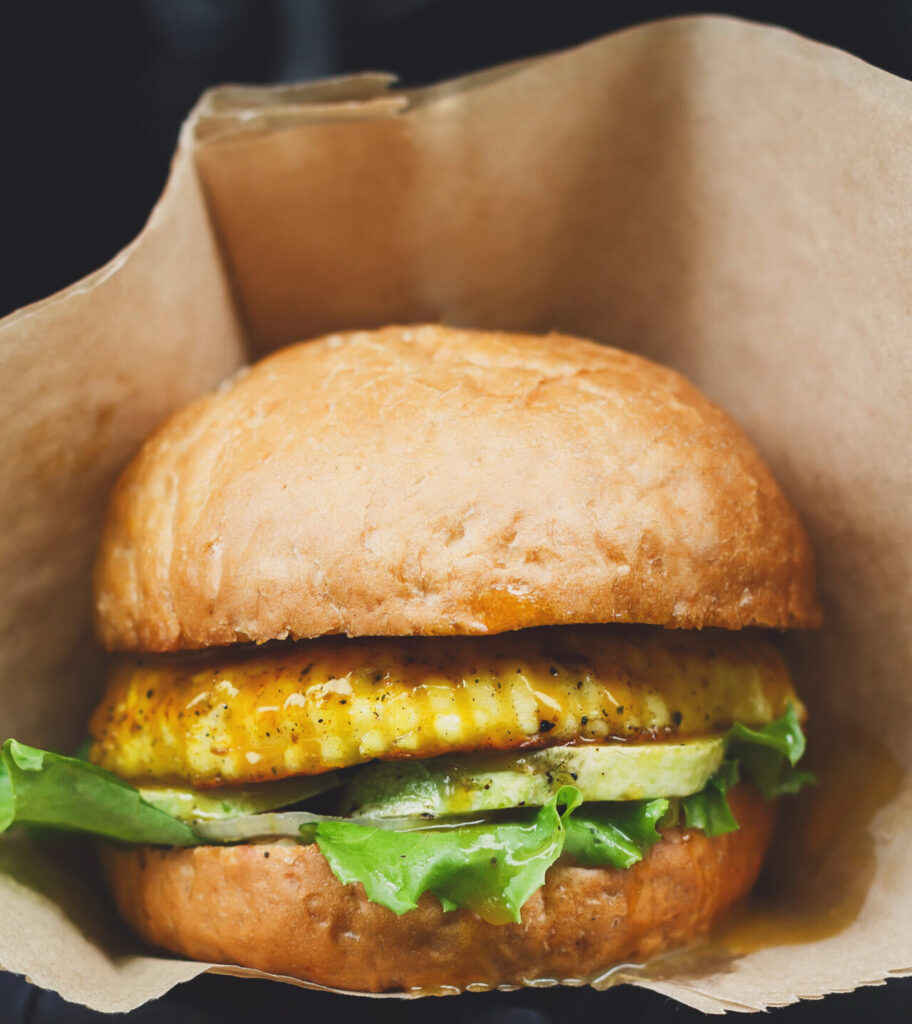
The Hula Burger is one of the more unusual experiments in fast food history. Created during the early years of McDonald’s expansion, the sandwich was introduced as a meat-free option for customers who avoided beef on certain days.
Instead of a traditional patty, the burger used a grilled slice of pineapple topped with cheese inside a bun. The concept aimed to provide a simple alternative to meat-based sandwiches while still fitting the familiar burger format.
The idea did not gain widespread acceptance. Many customers found the combination too unconventional compared with traditional burgers. In a direct comparison test with the Filet O Fish sandwich, the seafood option proved far more popular and quickly replaced the Hula Burger on the menu.
3. Enormous Omelette Sandwich
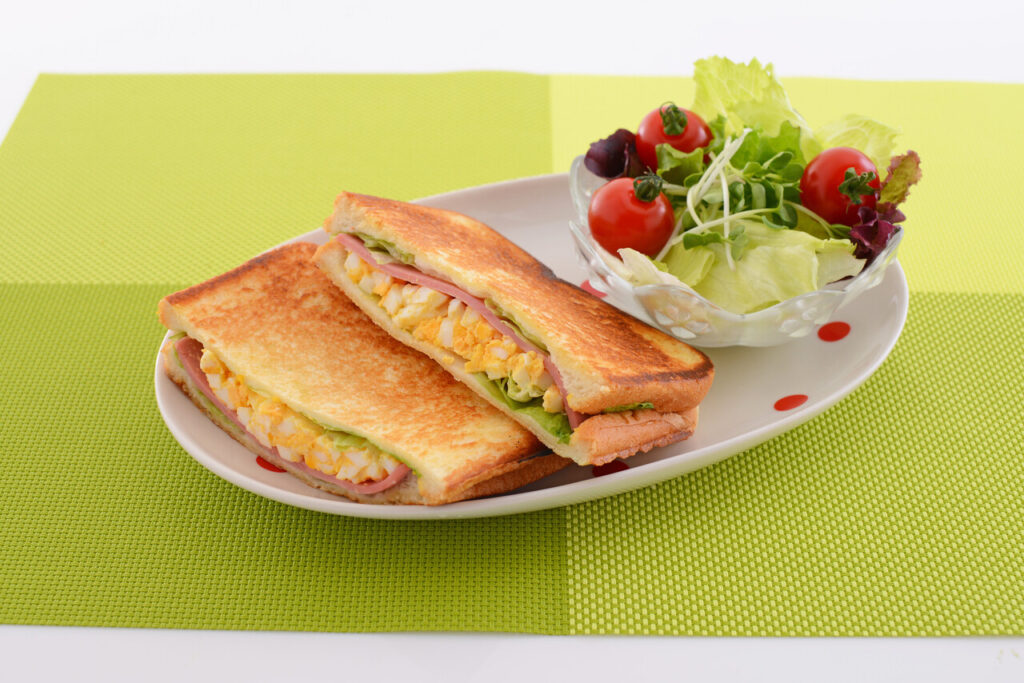
The Enormous Omelette Sandwich from Burger King lived up to its name. The breakfast item included eggs, sausage, bacon, cheese, and a hash brown patty inside a bun, creating one of the most filling breakfast sandwiches ever offered by a fast food chain.
The sandwich attracted attention because of its size and indulgent ingredients. At a time when large portion meals were gaining popularity, the item stood out as a bold option for customers who wanted a substantial breakfast.
Over time, however, its extreme portion size became a challenge. The sandwich contained a very high calorie count, which led to criticism from nutrition advocates. As fast food chains began introducing lighter breakfast options, the oversized sandwich gradually faded from the menu.
4. McPizza
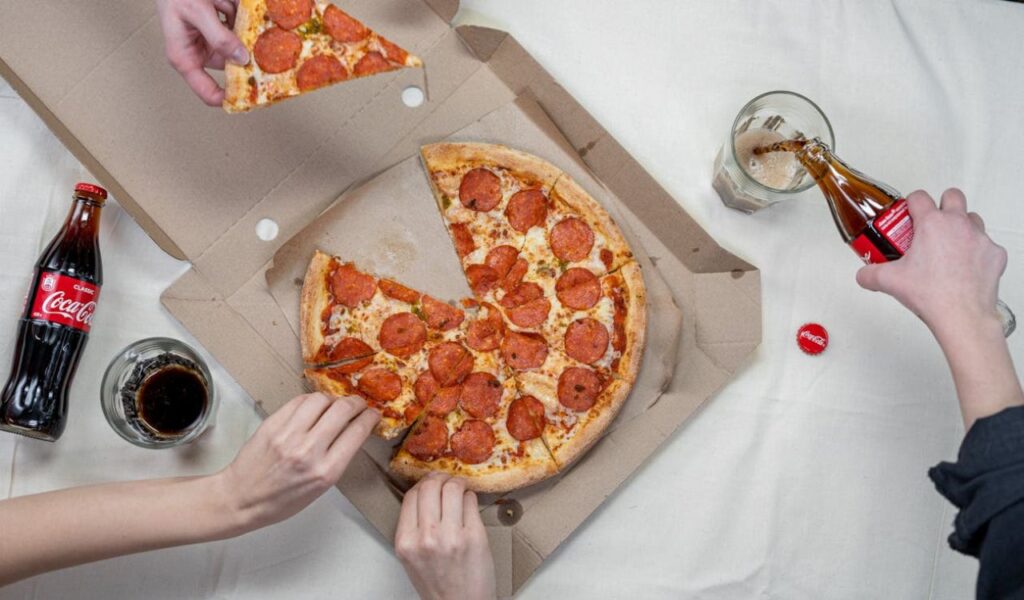
McPizza represented one of McDonald’s most ambitious attempts to expand beyond burgers. The company hoped to compete with major pizza chains by offering freshly prepared personal pizzas in its restaurants.
Unlike many fast food items, pizza requires longer cooking times. McDonald’s kitchens had to adapt their equipment to bake the pizzas properly. This created delays that conflicted with the chain’s fast service model.
Customers who wanted pizza often preferred ordering from restaurants dedicated to that dish. As a result, the item struggled to gain traction. The slow preparation time and strong competition eventually led to its removal from most locations.
5. McSpaghetti
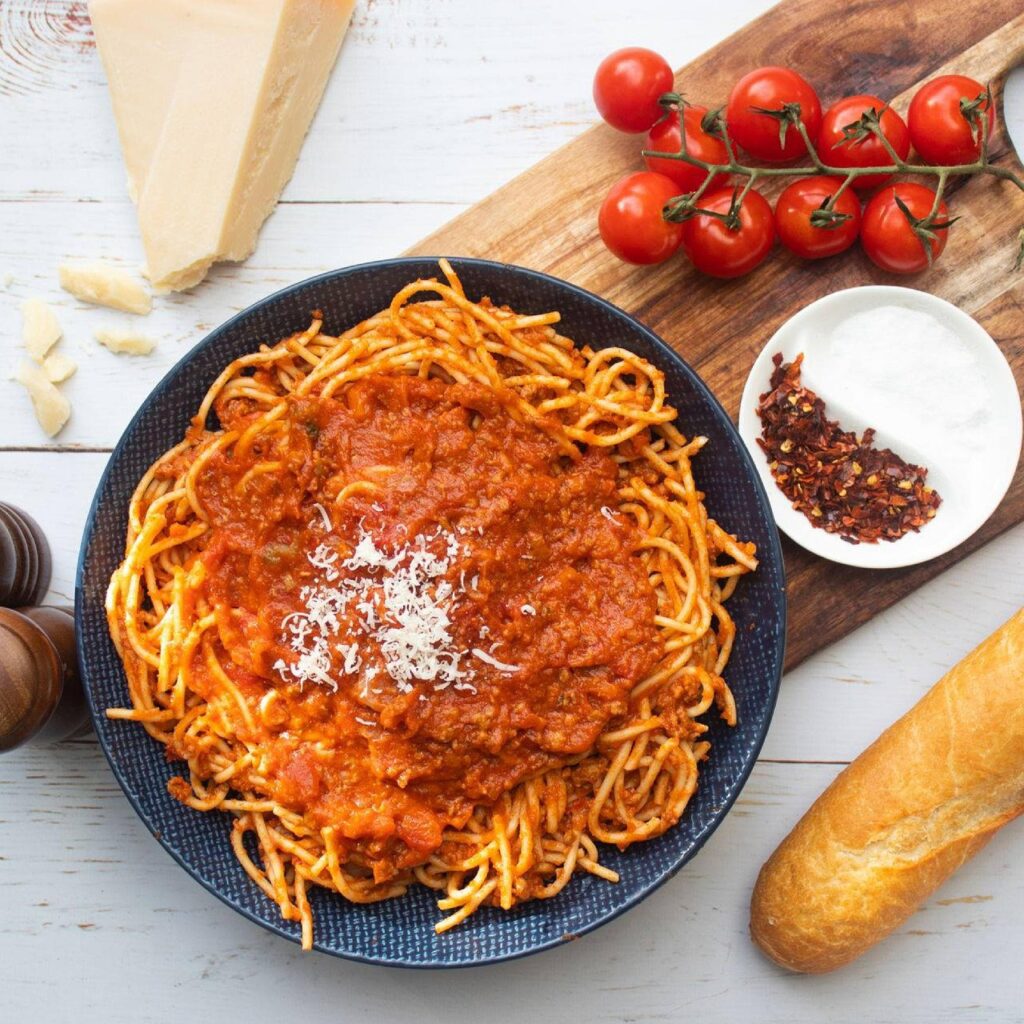
McSpaghetti was another attempt by McDonald’s to broaden its menu with non-traditional offerings. The dish included spaghetti pasta served with tomato sauce and grated cheese, similar to a simplified version of a classic Italian meal.
The idea seemed appealing on paper because pasta is widely popular around the world. However, the concept of ordering spaghetti at a burger chain felt unfamiliar to many customers.
In several markets, the dish never gained lasting popularity. Customers visiting McDonald’s usually expect quick handheld meals rather than plated pasta dishes. Without strong demand, the item gradually disappeared from many locations.
6. Frings
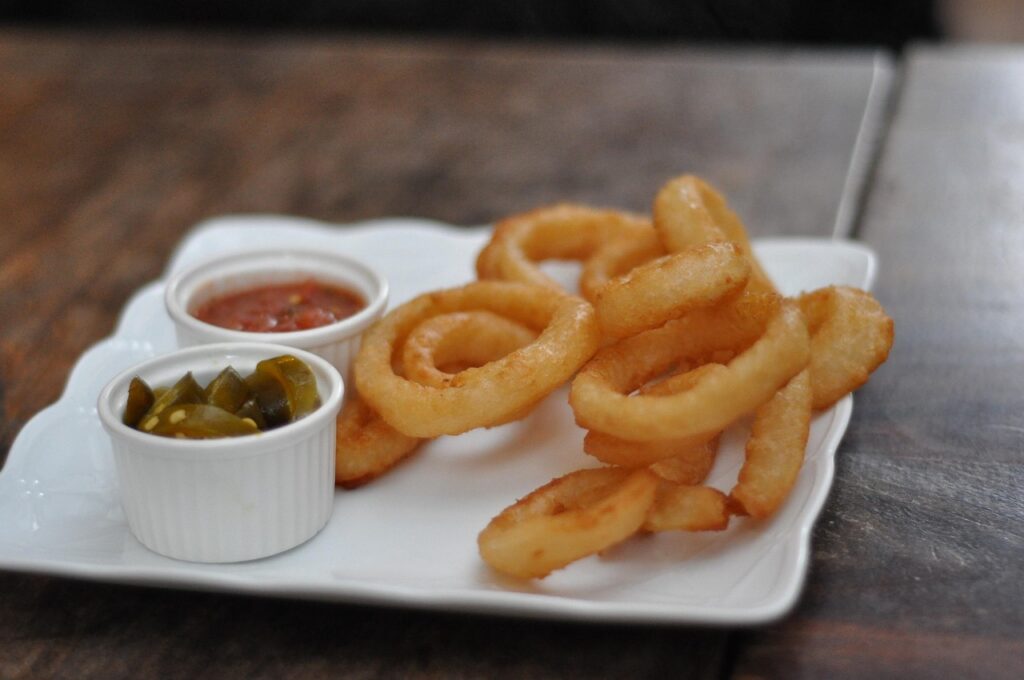
Frings from Jack in the Box offered a creative twist on traditional side dishes. Instead of choosing between French fries or onion rings, customers could receive a mixed serving of both in the same order.
The combination appealed to people who enjoyed variety. It also allowed customers to experience two popular sides without needing to purchase separate items.
Despite the novelty, the product struggled to maintain long-term attention. Many diners simply preferred sticking with a single familiar side. Without a strong identity of its own, the mixed basket eventually faded from the menu.
7. Mighty Wings
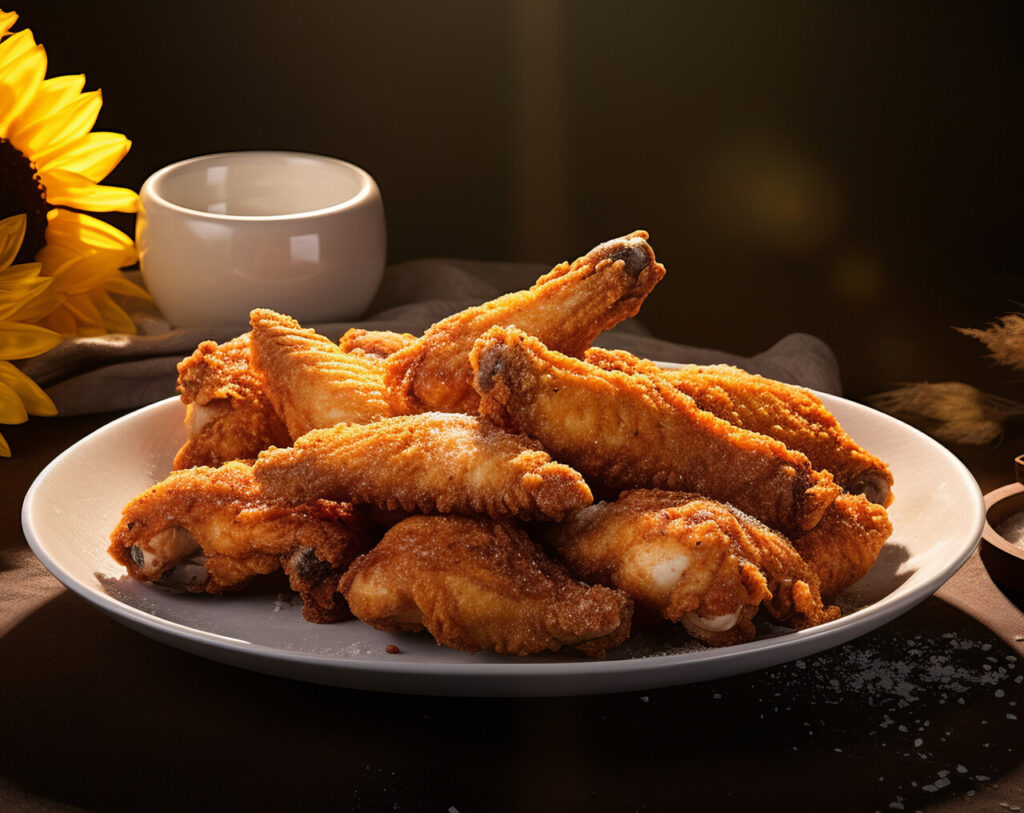
Mighty Wings were introduced by McDonald’s as a bold entry into the competitive chicken wing market. The product featured bone-in wings coated in a spicy seasoning blend designed to stand out from milder menu options.
Initial marketing created strong curiosity among customers who wanted to try a new type of item from the chain. The wings offered a flavor profile very different from the classic chicken nuggets that defined McDonald’s poultry offerings.
However, the wings faced two challenges. Some customers found the spice level stronger than expected, while others felt the price was high compared with other menu items. Large amounts of unsold wings remained in inventory, leading to their eventual removal.
8. McLean Deluxe
The McLean Deluxe was introduced during the early 1990s when low-fat diets were gaining popularity. McDonald’s aimed to create a healthier burger by reducing the fat content in the beef patty.
To achieve this goal, the company used a special ingredient derived from seaweed to bind water into the meat. This technique lowered the fat percentage while keeping the patty juicy during cooking.
Although the idea sounded promising, the flavor did not impress many customers. People often felt the burger lacked the richness of traditional beef patties. Without strong enthusiasm from diners, the product quietly disappeared from the menu.
9. McDLT
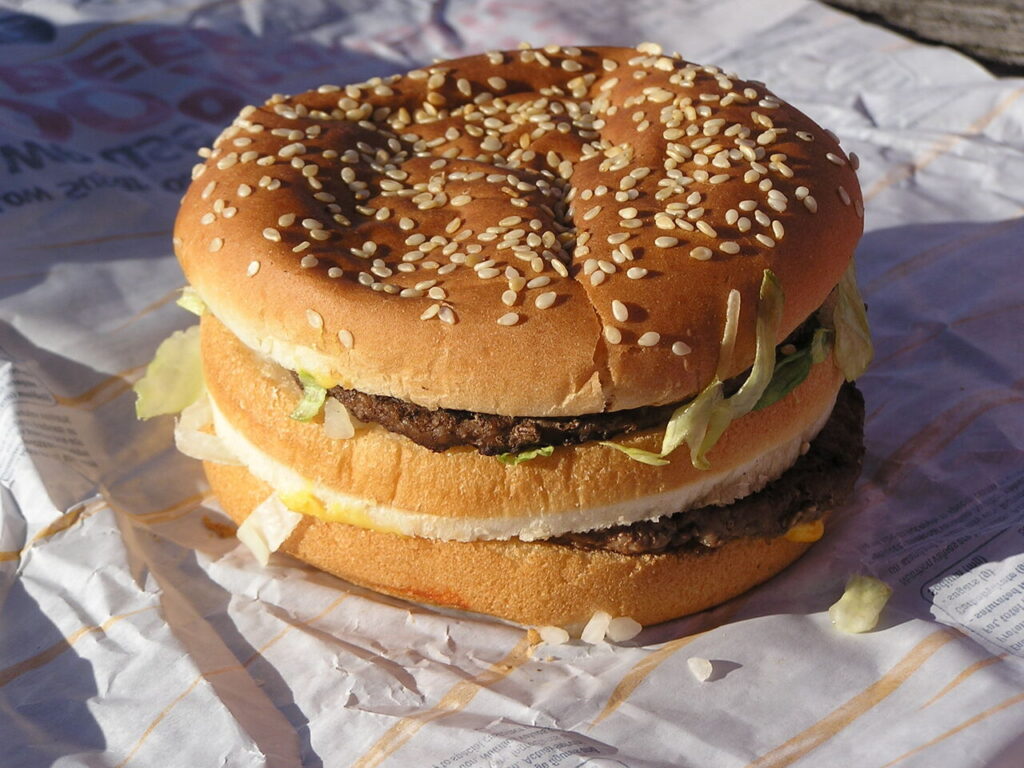
The McDLT became famous for its unique packaging concept. The sandwich kept the hot ingredients on one side and the cold ingredients on the other until the customer combined them. This approach was meant to preserve the freshness of lettuce and tomato while keeping the burger warm.
The packaging used a large foam container with separate compartments. At the time, the idea seemed innovative because it maintained the ideal temperature for each ingredient.
Environmental concerns soon changed public opinion. The foam containers generated significant criticism due to their environmental impact. As awareness about waste increased, the packaging became controversial, and the sandwich was eventually discontinued.
10. Salad Shakers
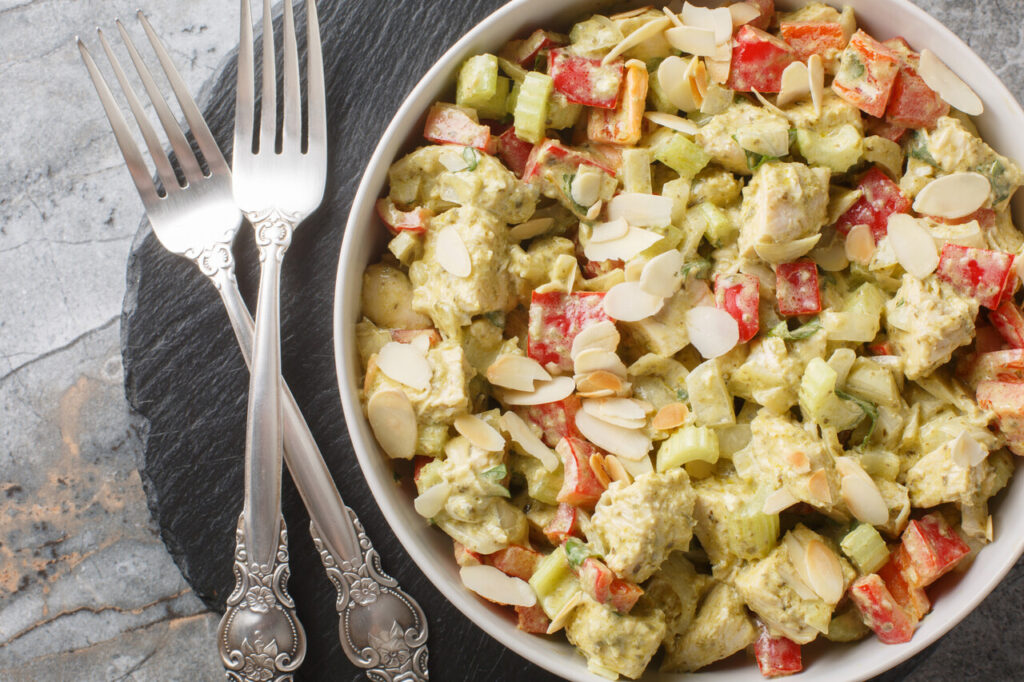
Salad Shakers were McDonald’s attempt to make salads more convenient for fast food customers. The ingredients were packaged inside a tall plastic cup with a lid, allowing people to shake the container and mix the dressing with the salad.
The design aimed to make healthy eating easier for customers on the go. The concept was simple and visually distinctive, which helped it attract attention during its introduction.
Despite the novelty, the product struggled to maintain momentum. Many customers still preferred traditional menu items such as burgers and fries. Once the excitement faded, the unique packaging alone was not enough to keep the item on the menu.
11. Enchirito
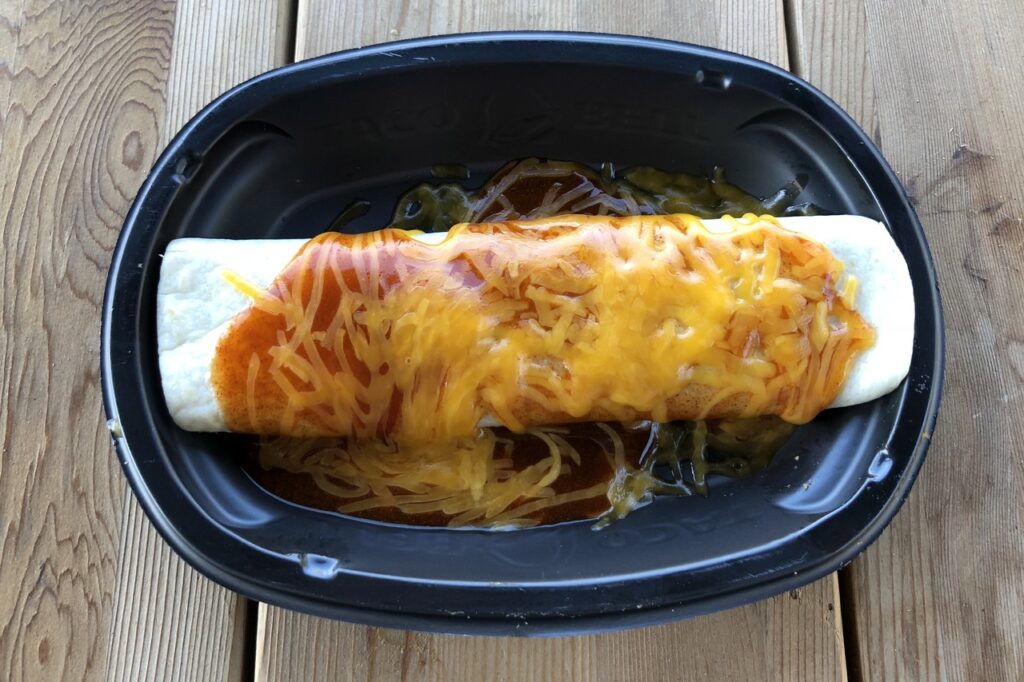
The Enchirito from Taco Bell combined elements of two popular Mexican-inspired dishes. It blended the structure of a burrito with the saucy presentation of an enchilada, creating a hybrid meal topped with cheese and sauce.
The item developed a loyal following among Taco Bell fans. Its combination of flavors and textures made it stand out among other menu offerings.
Over time, menu simplification became a priority for many fast food chains. Restaurants began removing less frequently ordered items to streamline kitchen operations. As new menu innovations appeared, the Enchirito gradually disappeared from regular rotation.
12. Onion Nuggets
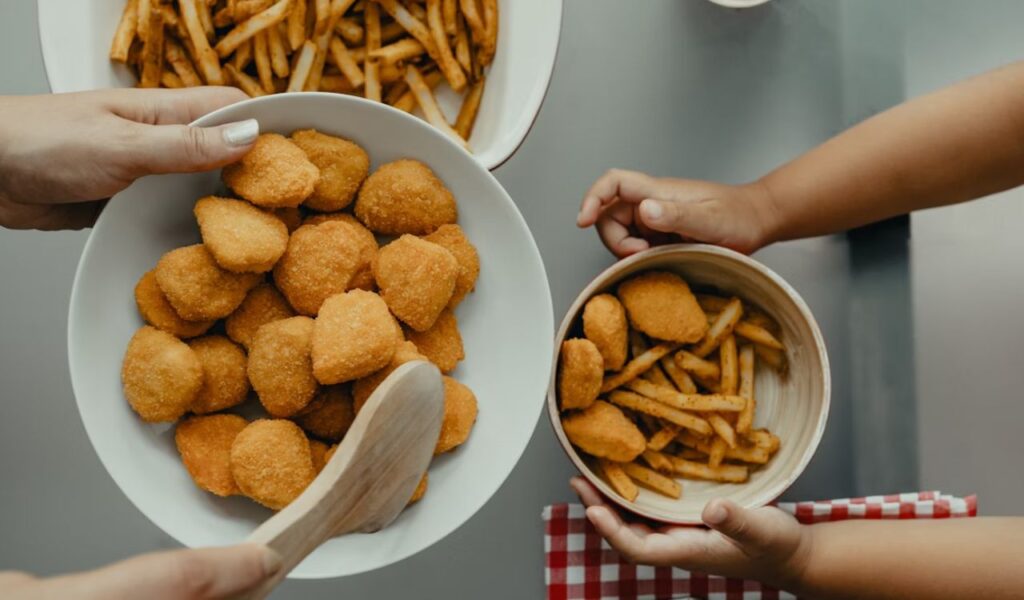
Onion Nuggets were introduced by McDonald’s before chicken nuggets became the company’s signature snack. The product featured chopped onions coated in batter and deep-fried into small bite-sized pieces.
The idea was meant to provide a savory snack similar to onion rings but easier to eat in small portions. At the time, the concept attracted curiosity from customers looking for new side items.
Soon after, chicken nuggets entered the menu and quickly became one of the brand’s most successful products. The popularity of the chicken version overshadowed the onion-based snack. With limited demand remaining, onion nuggets quietly vanished from the menu.