Why More Americans Are Choosing Mexican Food Over Pizza

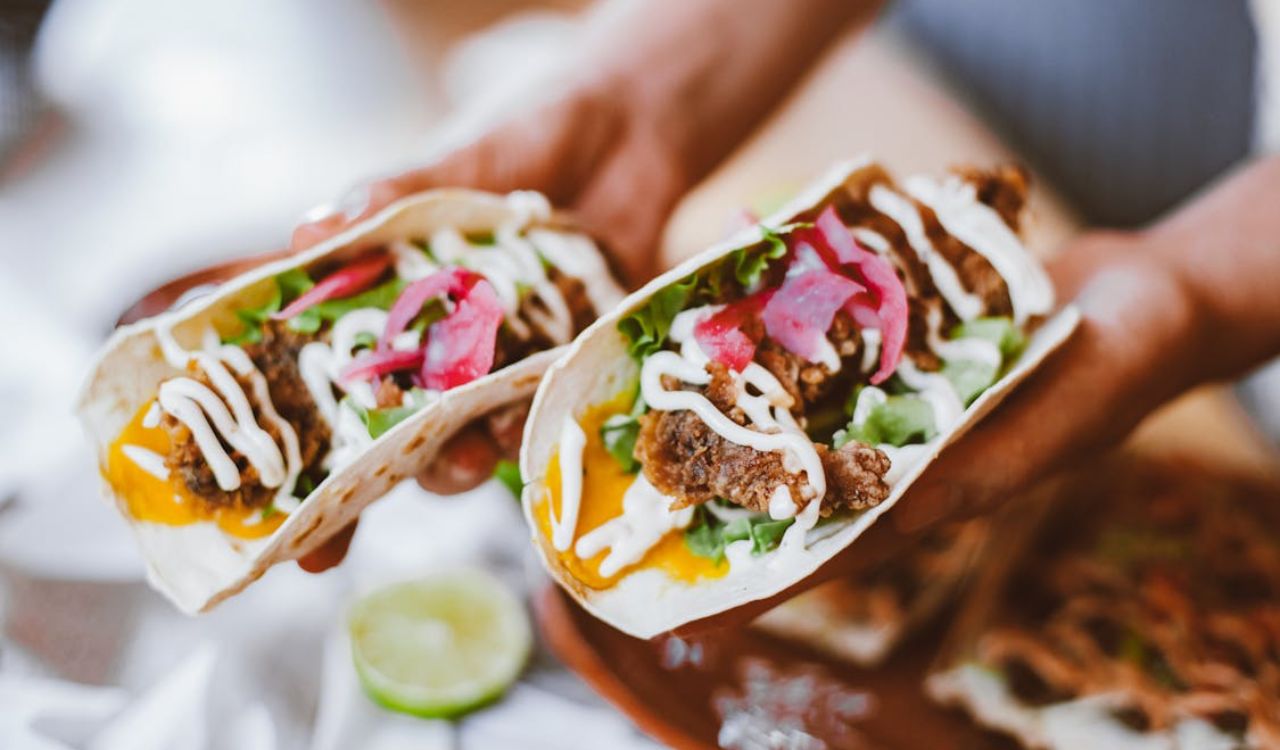
Pizza has long been one of America’s most dependable comfort foods. It showed up at birthday parties, office lunches, late nights, and family dinners without much competition. But that long-standing dominance is quietly fading. Across the United States, diners are reaching for tacos, burritos, and bowls more often than slices. Mexican food has moved from an occasional craving to a regular go-to, and the numbers behind restaurant growth and sales show this is not a passing trend. Changing prices, shifting consumer values, and broader cultural influences are reshaping what Americans order and why.
Pizza’s Decline in a Crowded Market
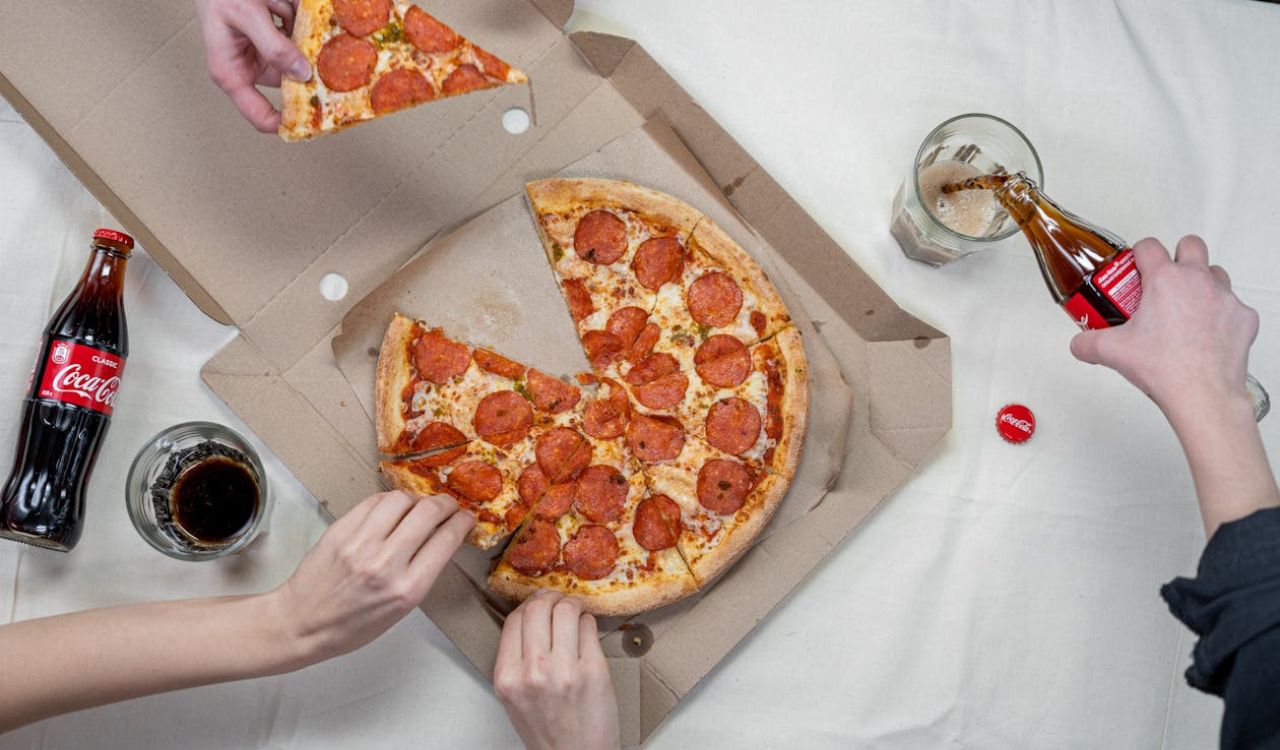
Pizza’s slowdown is not about disappearing demand but about losing ground in an increasingly crowded and competitive food landscape. In the 1990s, pizzerias were the second most common restaurant type in the country. Today, that position has been overtaken by Mexican restaurants and coffee shops. While pizza chains still generate tens of billions in annual revenue, their growth has lagged behind other fast-food and fast-casual categories. One major challenge is cost perception. A single large pizza often approaches or exceeds twenty dollars, making it feel expensive compared with bundled fast-food meals or frozen alternatives from grocery stores.
This pricing gap becomes more noticeable during periods of inflation when consumers scrutinize discretionary spending more carefully. Even loyal pizza buyers are reconsidering frequency when similar money can stretch further elsewhere. Delivery apps have also reshaped the playing field. Pizza once benefited from being one of the few foods that traveled well and delivered reliably. Today, nearly every cuisine delivers efficiently. Tacos, burrito bowls, and Mexican street food now arrive just as quickly, removing one of pizza’s historical advantages. When convenience is equal, diners tend to prioritize flavor variety and perceived value, areas where pizza struggles to differentiate.
The Rise of Mexican Food Across the U.S.
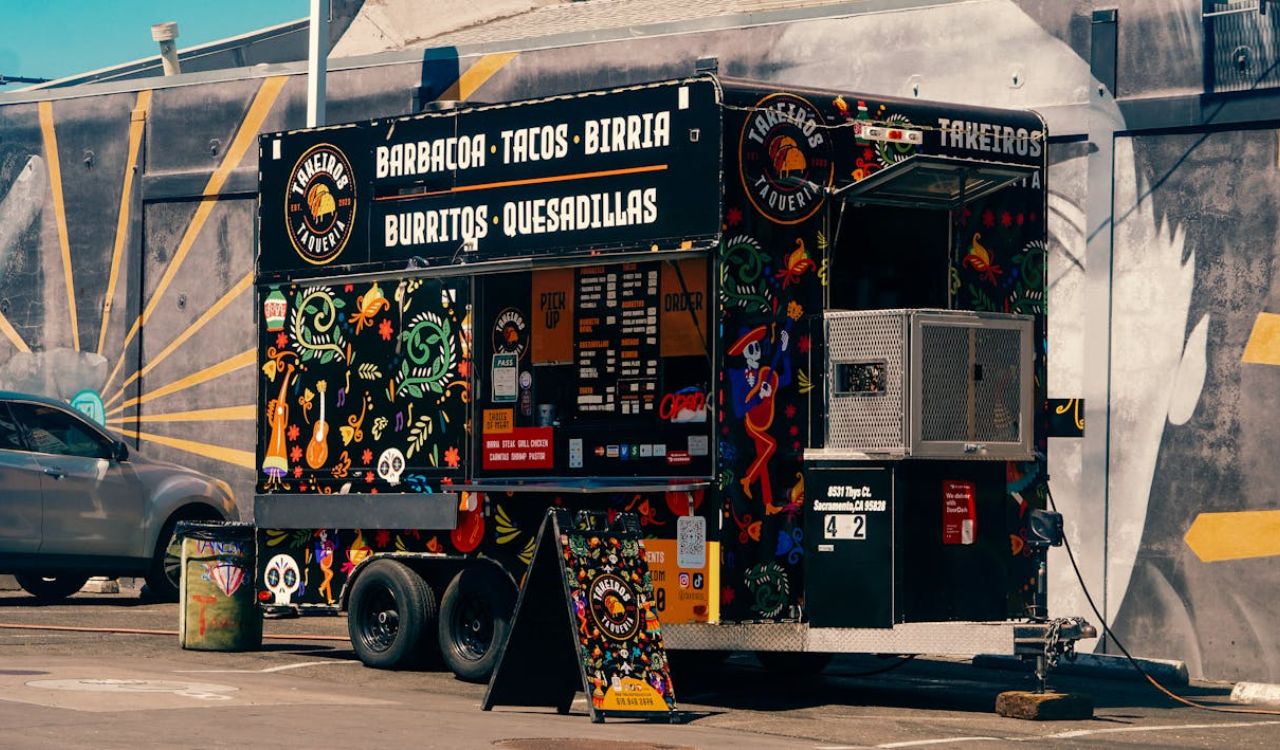
Mexican cuisine’s rise is visible in both restaurant counts and revenue. Mexican restaurants now represent roughly one in ten dining establishments in the United States, making them the most common international cuisine nationwide. This presence is not limited to border states or major cities. Mexican food has become a fixture in suburban, rural, and urban areas alike. Sales trends reinforce this expansion. In the limited-service restaurant category, Mexican food has surpassed pizza in annual revenue for the first time. This milestone reflects more than novelty. It signals sustained consumer demand and frequent repeat visits.
Fast-casual Mexican concepts, along with independent taquerias and family-owned restaurants, continue to attract diners seeking meals that feel both satisfying and flexible. The category’s overall revenue outlook remains strong. Industry forecasts estimate Mexican restaurant sales will exceed one hundred billion dollars annually, supported by steady growth in both full-service and quick-service formats. This momentum suggests Mexican cuisine is no longer competing for attention but has secured a lasting position in the American dining hierarchy.
Flavor Variety and Customization Drive Demand

One of Mexican food’s strongest advantages is variety. Within a single menu, diners can find grilled meats, slow-cooked stews, fresh vegetables, spicy sauces, mild options, and customizable combinations. This diversity appeals to households with different taste preferences and dietary needs. One person may want a meat-heavy burrito, while another opts for a vegetable-forward bowl, all from the same restaurant. Customization plays a key role. Build-your-own formats allow diners to control ingredients, portion sizes, and spice levels. This flexibility aligns with modern eating habits where personalization is valued.
Pizza customization exists, but it is often limited to toppings layered onto the same base. Mexican food allows for more structural variety, from tortillas and rice bases to proteins and sauces. Flavor intensity also matters. Mexican cuisine offers bold seasoning and contrasting textures that keep meals from feeling repetitive. Consumers seeking something different from familiar comfort foods often turn to Mexican dishes for sensory satisfaction without venturing into unfamiliar or intimidating territory. This balance between familiarity and excitement helps explain why Mexican food appeals across age groups.
Fast Casual Models and Modern Convenience
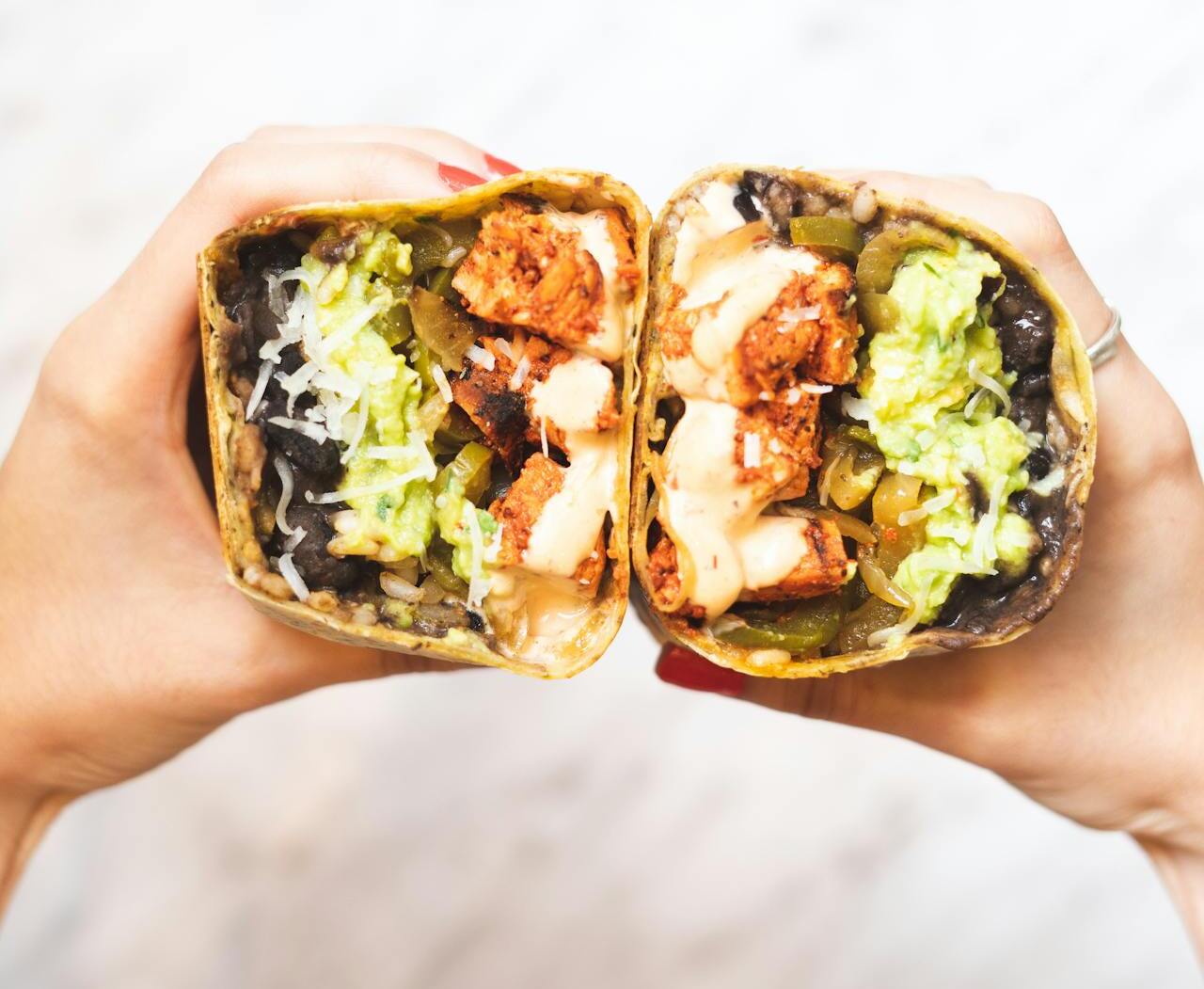
Mexican food has benefited greatly from the rise of fast-casual dining. Brands built around quick service, open kitchens, and ingredient transparency have resonated with consumers who want speed without sacrificing quality. These restaurants often feel fresher and more customizable than traditional fast food, yet more affordable and accessible than full-service dining. Technology adoption has also been smoother. Many Mexican fast-casual chains invested early in mobile ordering, loyalty programs, and delivery partnerships. These tools make repeat ordering easy and encourage frequent visits. Pizza chains rely heavily on delivery as well, but competition in that space has intensified, eroding differentiation.
Portability has become another decisive factor in how people choose what to eat, especially as takeout and delivery remain central to modern dining habits. Burritos, tacos, and bowls are designed to travel well, holding their structure, texture, and temperature far better than many other meals. Tortillas help retain warmth, while layered ingredients prevent sogginess during transit. This reliability reduces disappointment at delivery and increases repeat orders. In a dining culture shaped by remote work, hybrid schedules, and eating meals away from the table, foods that arrive intact, satisfying, and consistent naturally gain an advantage over options that degrade quickly once they leave the kitchen.
Cultural Shifts and Demographic Influence
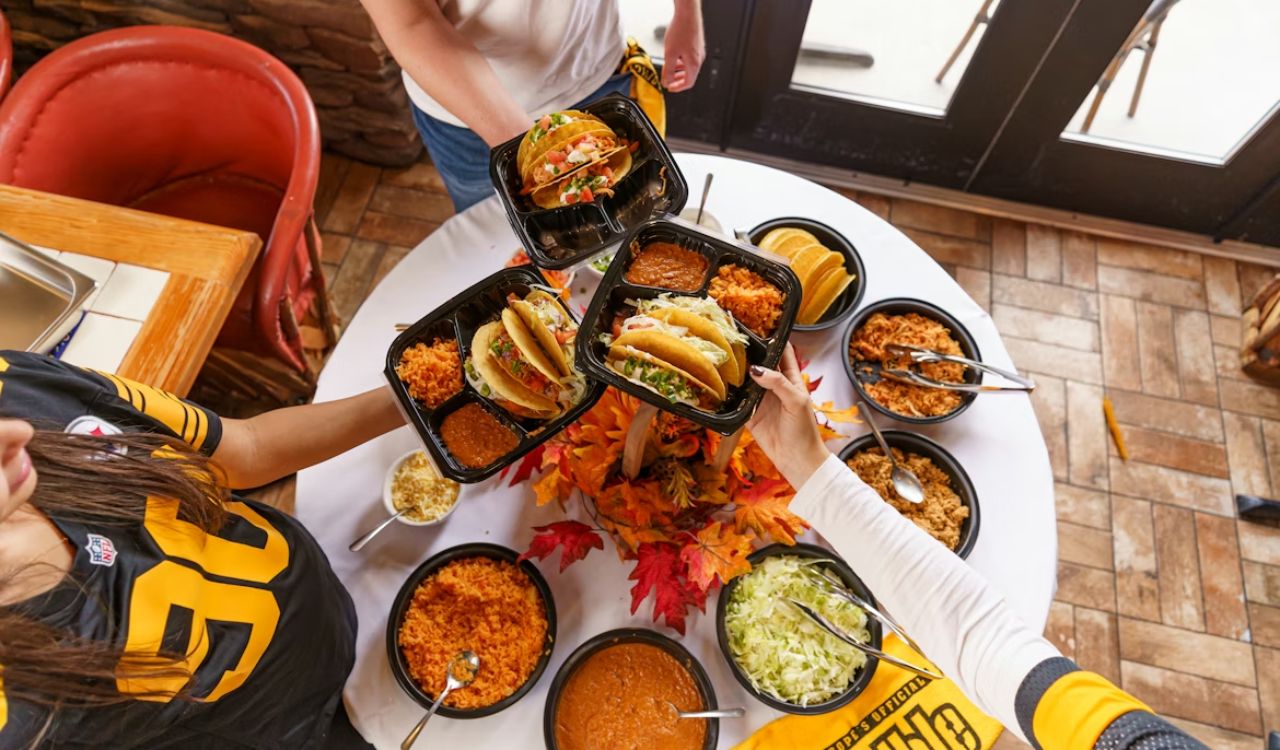
Demographic changes in the United States have helped elevate Mexican cuisine into the mainstream. A growing Latino population has increased exposure to regional Mexican dishes and culinary traditions. Over time, these foods have become embedded in local food scenes rather than treated as niche offerings. At the same time, younger generations show strong interest in global flavors and cultural authenticity. Millennials and Gen Z diners are more likely to seek foods that feel rooted in tradition while still adaptable to modern lifestyles. Mexican food fits that expectation, offering both street-food heritage and fast-casual innovation.
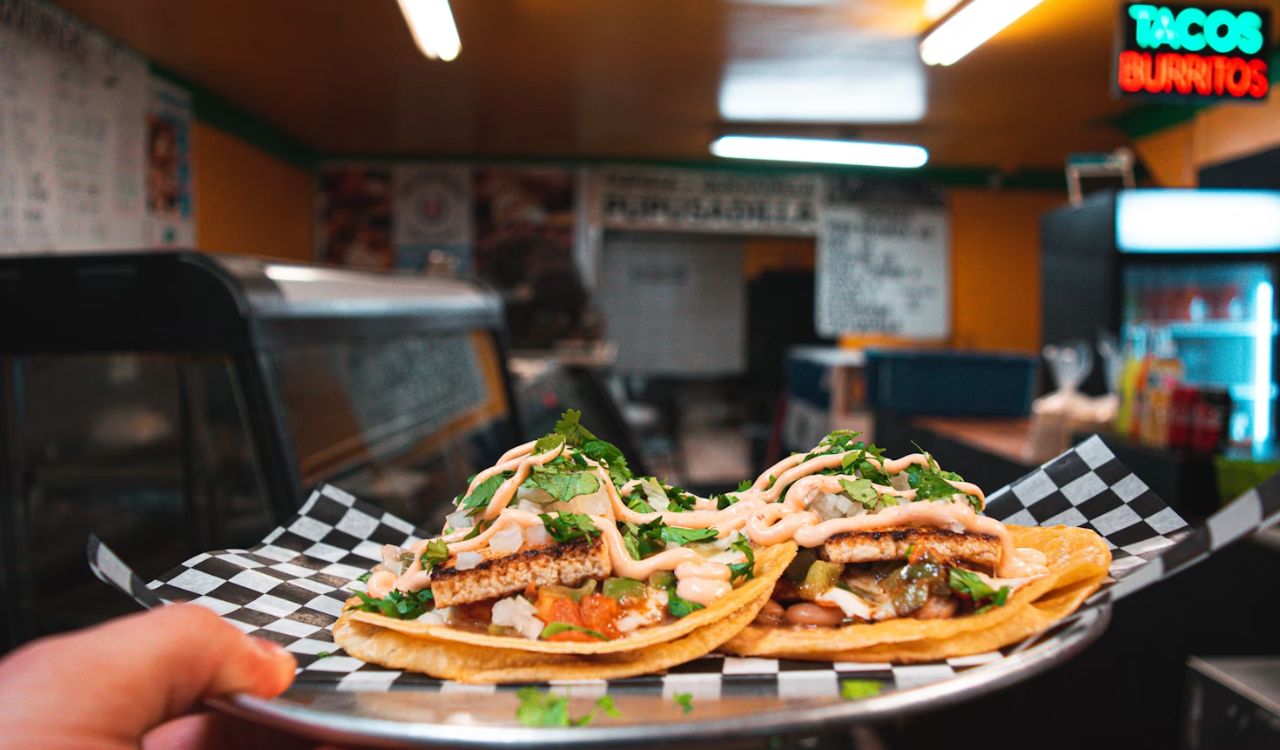
Social media plays a powerful role in shaping what people crave and where they choose to eat. Visually vibrant dishes such as loaded tacos, layered burrito bowls, and colorful toppings stand out in photos and short videos, making them highly shareable across platforms. These images often spark curiosity and drive impulse orders, especially among younger audiences who discover new foods online. Pizza remains familiar and recognizable, but its appearance is largely predictable and less likely to surprise viewers scrolling through feeds. In digital spaces where discovery, novelty, and visual impact matter, Mexican food naturally commands more attention.
Can Pizza Reclaim Its Momentum?

Pizza is not disappearing, but its future depends on adaptation. Some chains are experimenting with new formats, pricing strategies, and menu innovation in response to shifting consumer expectations. Value-focused deals, smaller portions, and diversified menus aim to address cost sensitivity and changing tastes. There is also renewed interest in artisanal and regional pizza styles that emphasize quality over quantity. These concepts target consumers willing to pay more for craftsmanship and differentiation rather than mass-produced offerings.
However, this more premium approach naturally appeals to a narrower segment of consumers and cannot fully replace pizza’s former role as an affordable, default meal for households across income levels. While artisanal and regional styles offer quality and novelty, they often come with higher prices and limited accessibility. At the same time, the rapid rise of Mexican food highlights how quickly dining preferences can shift when economic pressure, cultural familiarity, and convenience align. Pizza continues to carry strong emotional and cultural significance in American life, but changing consumer habits mean its long-standing dominance in everyday dining is increasingly uncertain rather than assured.
A Broader Reflection of American Eating Habits
The shift from pizza to Mexican food reflects more than a change in preference. It highlights how American diners respond to value, variety, and flexibility. Foods that adapt to modern lifestyles, support customization, and deliver strong flavor experiences are gaining ground. As inflation influences spending and technology reshapes how meals are ordered, cuisines that balance affordability with satisfaction will continue to thrive. Mexican food has achieved that balance at scale, while pizza navigates a more challenging adjustment period.
What Americans choose to eat has always evolved alongside changes in daily life, economic conditions, and cultural influence. The current shift toward tacos over slices does not signal the disappearance of pizza, but it does reflect a broader expansion of everyday food choices. Consumers are looking for meals that feel flexible, customizable, and suited to how they actually eat, whether at home, at work, or on the go. Burritos and tacos meet these needs by offering variety, affordability, and convenience in a single package. For now, these qualities align more closely with modern dining habits, helping Mexican food win out more often in everyday decisions.
References
- America Is Falling Out of Love With Pizza- WSJ.com
- About 1 in 10 restaurants in the U.S. serve Mexican food- PewResearch.org
- Mexican Restaurant Sales Top Pizza for First Time- ElRestaurante.com