Are These 9 Traditional Food Rules Even Worth Following Anymore

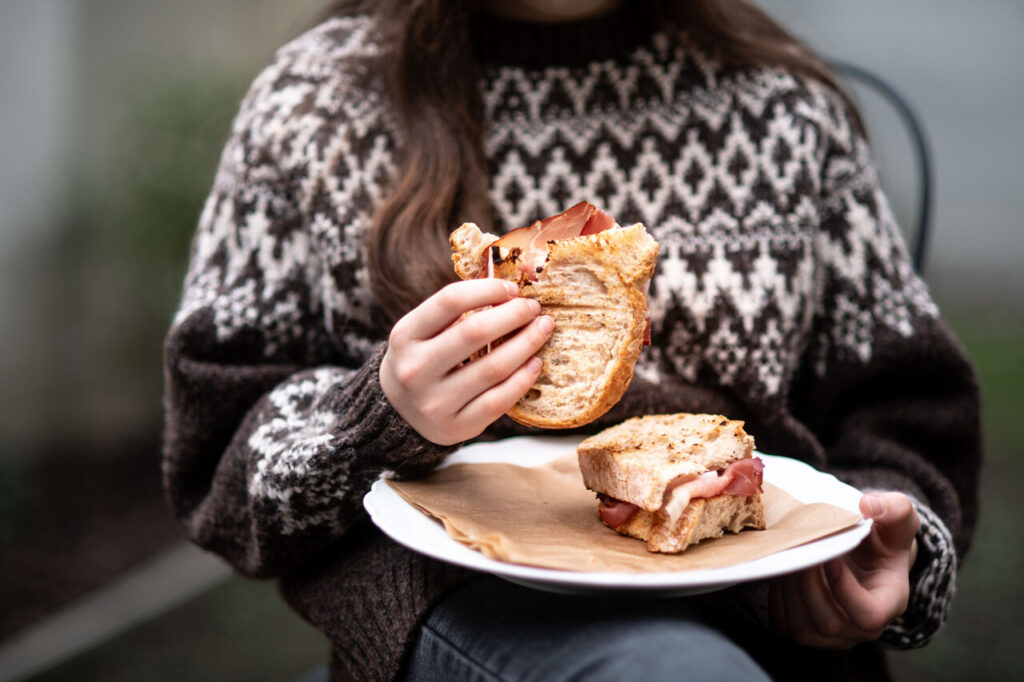
Food rules have been passed down for generations, often without much explanation. Some come from cultural traditions, others from etiquette meant to guide behavior at the table. Over time, these rules became habits people followed automatically, even when the original reasons no longer fully applied. What once made sense in a specific setting slowly turned into something that felt universal.
Today, eating habits look very different. Global cuisines, flexible lifestyles, and a stronger focus on personal preference have changed how people approach food. Many of these traditional rules still hold meaning in certain contexts, but outside of those situations, they are increasingly being questioned. What matters more now is balance, enjoyment, and understanding why a rule exists before deciding whether it is worth following.
1. The Rule Against Mixing Seafood and Cheese Feels Less Absolute Today
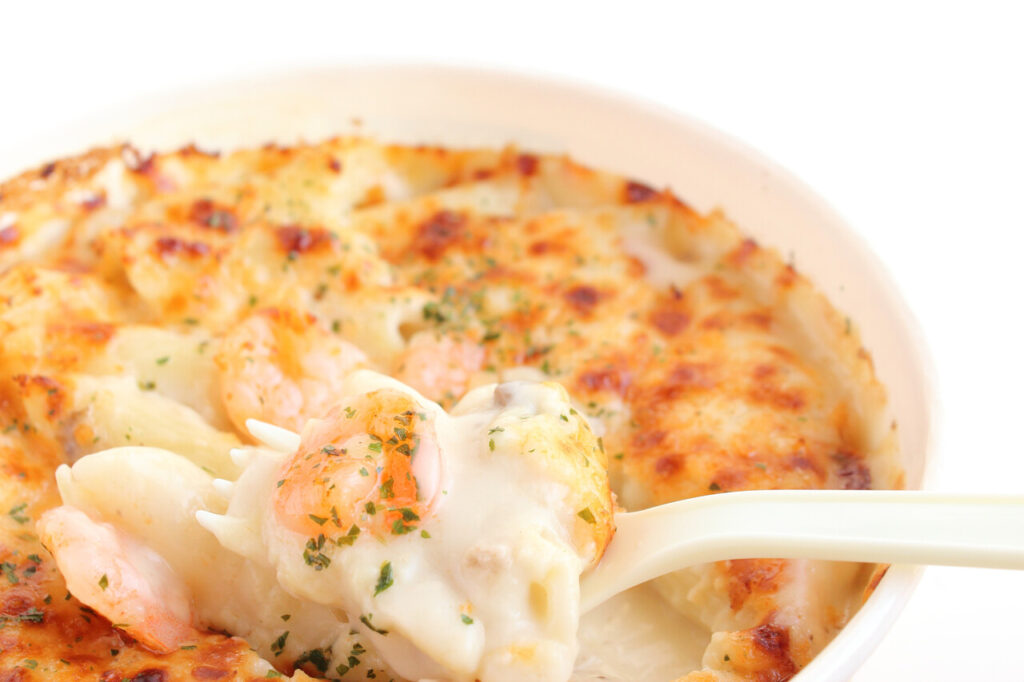
The idea that seafood and cheese should never be combined comes from long standing European culinary traditions, especially in Italian cooking. The reasoning often points to flavor balance, with the belief that strong cheeses can overpower the delicate taste of fish. In formal dining settings, this rule is still treated with a sense of respect.
In practice, modern cooking has moved well beyond that boundary. Dishes like shrimp Alfredo, lobster mac and cheese, and creamy seafood gratins are widely enjoyed. Chefs now focus more on how ingredients complement each other rather than following strict pairings. When handled carefully, dairy can enhance seafood rather than mask it.
What this really shows is how flexible food rules have become. Taste is subjective, and what works in one dish may not work in another. Instead of treating this as a hard rule, many cooks now see it as a guideline that depends on balance and personal preference.
2. Eating with Your Hands Is No Longer Seen as Improper Everywhere

Traditional dining etiquette in many Western cultures emphasizes the use of utensils for nearly every meal. Forks, knives, and spoons are often tied to ideas of politeness and refinement, especially in formal settings. For a long time, eating with your hands was seen as careless or informal.
That perspective does not hold up across cultures. Many cuisines are designed to be eaten by hand, including foods like flatbreads, rice dishes, and street snacks. In those contexts, using your hands is not only acceptable but also part of the experience. It allows better control of texture and portion size.
Today, the context matters more than the rule itself. While formal dining may still expect utensils, casual meals and global food traditions have normalized eating with your hands. The focus has shifted toward cleanliness and respect rather than strict adherence to outdated expectations.
3. Finishing Everything on Your Plate Can Conflict with Modern Eating Habits

The expectation to clean your plate often comes from a mix of politeness and historical scarcity. In many households, it was taught as a sign of gratitude and respect for the person who prepared the meal. Leaving food behind was sometimes seen as wasteful or rude.
Modern nutrition advice challenges that idea. Eating past fullness just to follow a rule can lead to overeating and disconnect people from their natural hunger signals. Today, there is more emphasis on listening to your body rather than forcing yourself to finish a portion.
Portion sizes have also changed over time, especially in restaurants where servings are often larger than necessary. This makes the rule less practical. Many people now see it as more reasonable to stop when satisfied and save leftovers rather than treating an empty plate as the goal.
4. Avoiding the Last Piece of Food Is More Social Than Practical
The unwritten rule about not taking the last piece of food is rooted in politeness. It reflects a desire to appear considerate and avoid seeming greedy in shared settings. In group meals, this hesitation often leads to the last portion sitting untouched for longer than expected.
In reality, this rule can create unnecessary awkwardness. Everyone may want the last piece, but no one wants to be the first to reach for it. Eventually, someone has to break the silence, or the food goes to waste, which defeats the purpose of sharing.
Modern dining culture is becoming more direct about these situations. Asking if anyone wants the last portion or simply taking it after a pause is now widely accepted. The focus has shifted toward communication rather than silent adherence to a social rule.
5. The Idea of No Cappuccino After Meals Is More Cultural Than Logical
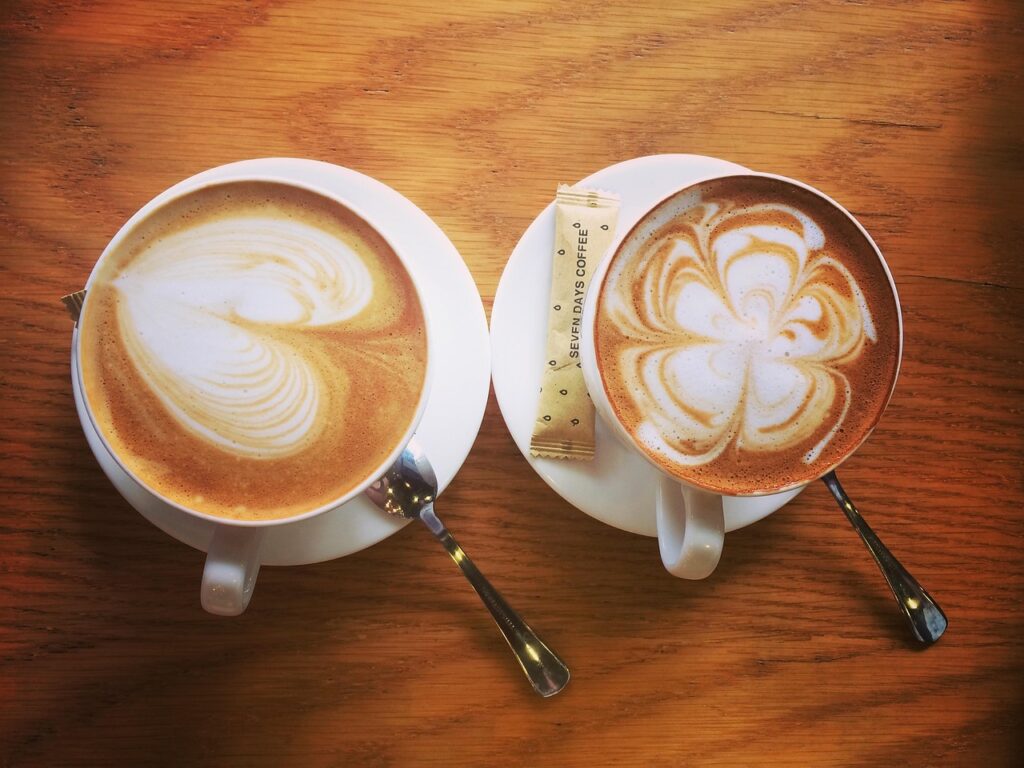
In Italian dining tradition, cappuccino is typically consumed in the morning and rarely ordered after lunch or dinner. The reasoning often relates to digestion, with the belief that milk-based drinks are too heavy after a meal. This custom has been widely repeated as a rule.
Outside of that cultural context, the restriction does not carry the same weight. Many people enjoy milk-based coffee drinks at any time of day without issue. There is no strong scientific evidence that having a cappuccino after a meal causes harm for most individuals.
As global coffee culture expands, these boundaries are becoming less rigid. Cafés now serve a wide range of drinks throughout the day, and customers choose based on preference rather than tradition. The rule remains interesting, but it is no longer widely followed.
6. Avoiding Seasoning at the Table Limits Personal Taste
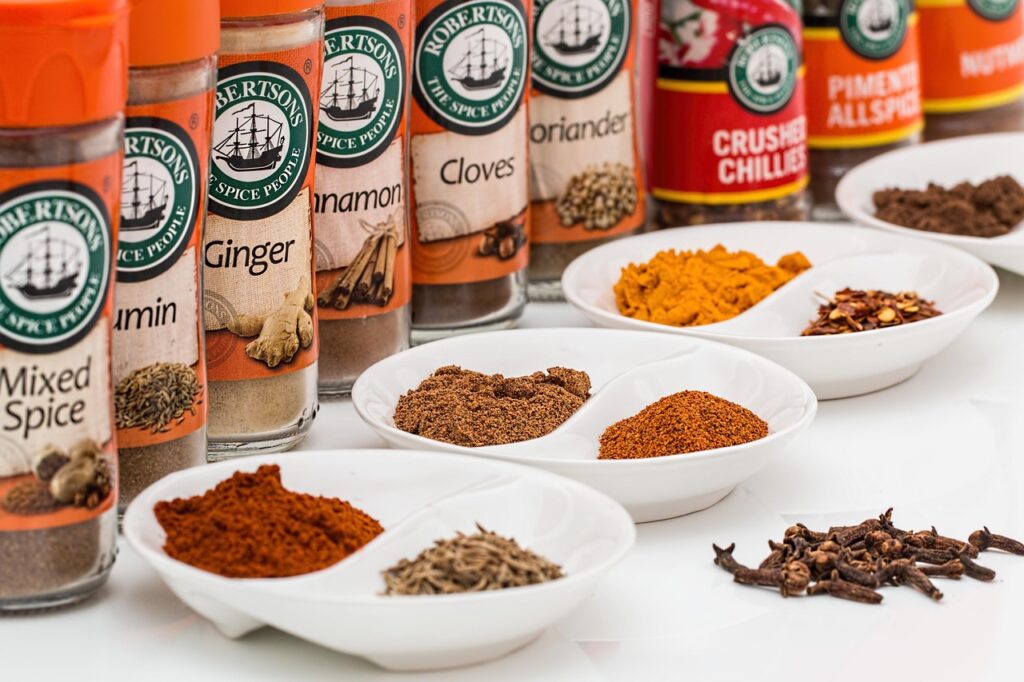
The idea that you should never add salt or seasoning at the table comes from respect for the cook or chef. The assumption is that the dish has been prepared exactly as intended and should be experienced without alteration. In formal dining, this rule still appears occasionally.
However, taste preferences vary widely from person to person. What feels perfectly seasoned to one diner may feel under-seasoned to another. Factors like individual salt sensitivity, dietary needs, and personal habits all influence how food is perceived.
Today, adding seasoning is often seen as part of making the meal your own. As long as it is done politely, it is generally accepted in both casual and many restaurant settings. The emphasis has shifted from strict respect for the dish to enjoyment of the food as it suits the diner.
7. Strict Meal Times Don’t Always Fit Modern Lifestyles
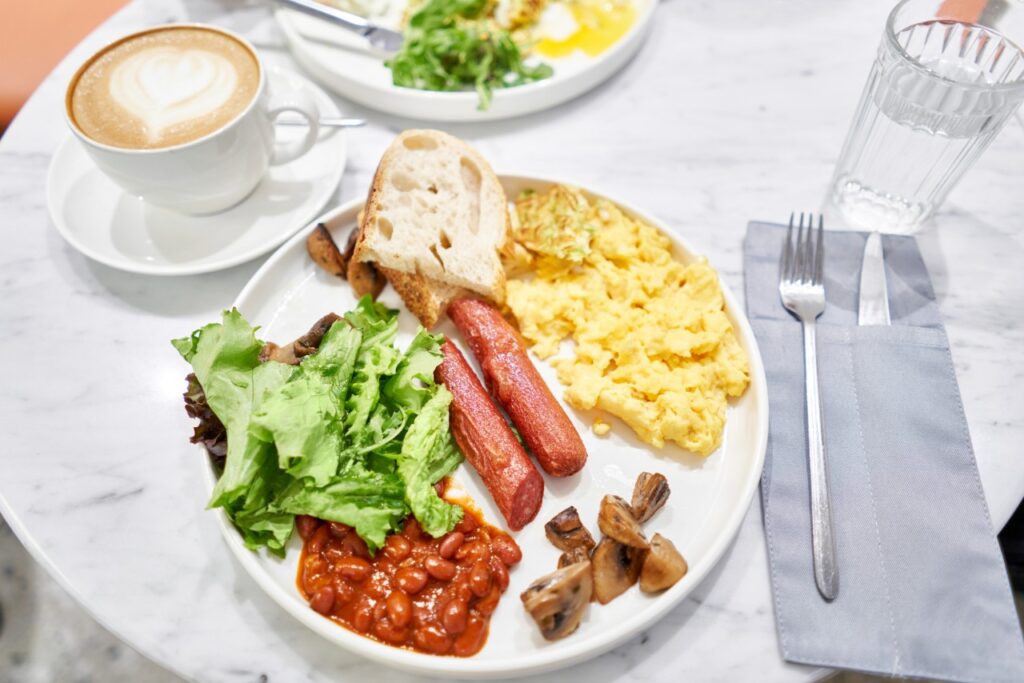
Traditional meal structures often revolve around fixed times for breakfast, lunch, and dinner. These routines were shaped by work schedules, family habits, and cultural norms. Eating at specific times was seen as a way to maintain order and balance throughout the day.
Modern life has made those schedules harder to follow. Work patterns, travel, and flexible routines mean people often eat when it fits their day rather than at fixed hours. Snacking, late dinners, and irregular meals have become more common.
Nutrition experts now focus more on overall balance than exact timing. While regular meals can still be helpful, strict adherence to a schedule is no longer considered essential for everyone. Flexibility has become a more practical approach for many households.
8. Avoiding Certain Food Pairings Often Comes Down to Preference
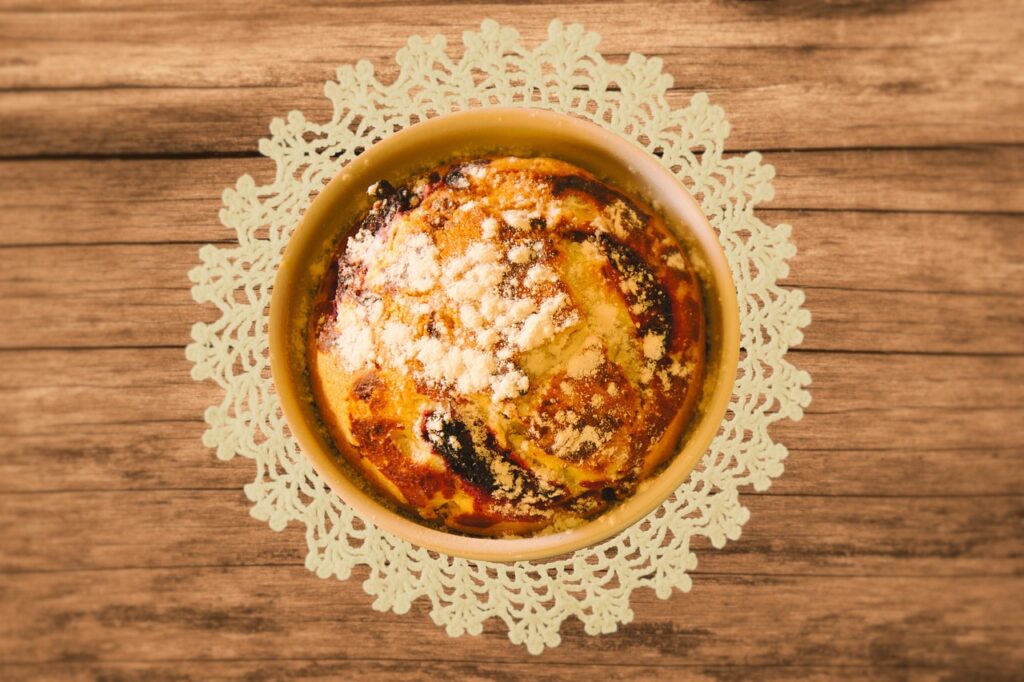
Many traditional food rules warn against specific combinations, such as mixing fruit with savory dishes or pairing certain ingredients together. These guidelines often come from cultural habits or long-held beliefs about flavor harmony.
In reality, modern cooking regularly challenges these ideas. Sweet and savory combinations like fruit with cheese, chocolate with chili, or pineapple on pizza show how flexible flavor pairing can be. What matters most is how the ingredients balance each other.
Scientific understanding of taste has also evolved. Flavor pairing is influenced by aroma compounds, texture, and preparation methods. This means there is no single correct way to combine foods. The rule has shifted from avoidance to experimentation.
9. Rigid Utensil Rules Feel Outdated in Everyday Dining
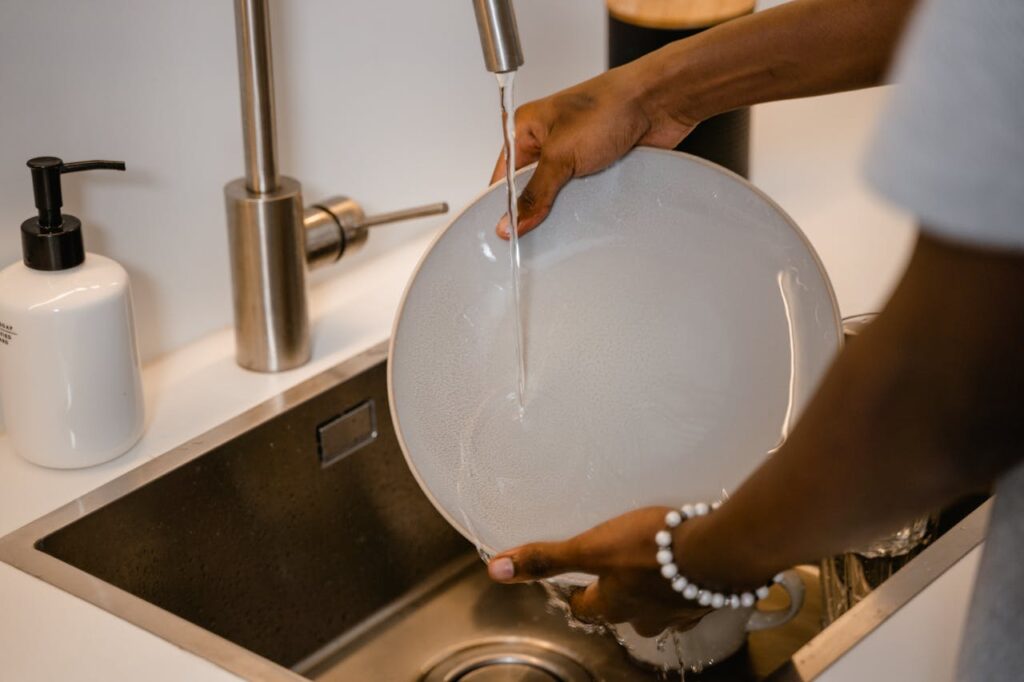
Formal dining etiquette often includes detailed rules about which utensil to use and when. From the placement of forks and knives to the order of courses, these guidelines were designed to create a structured dining experience. In certain settings, they still play a role.
Outside of formal occasions, these rules can feel unnecessarily complicated. Many modern meals are casual, shared, or influenced by different cuisines that do not follow the same structure. People are more focused on enjoying the meal than following the strict utensil order.
The shift reflects a broader change in dining culture. Simplicity and comfort now matter more than rigid formality in everyday situations. While etiquette still has its place, it is no longer the defining factor in how most people experience food.