9 Popular Foods Many Americans Say Are Overrated

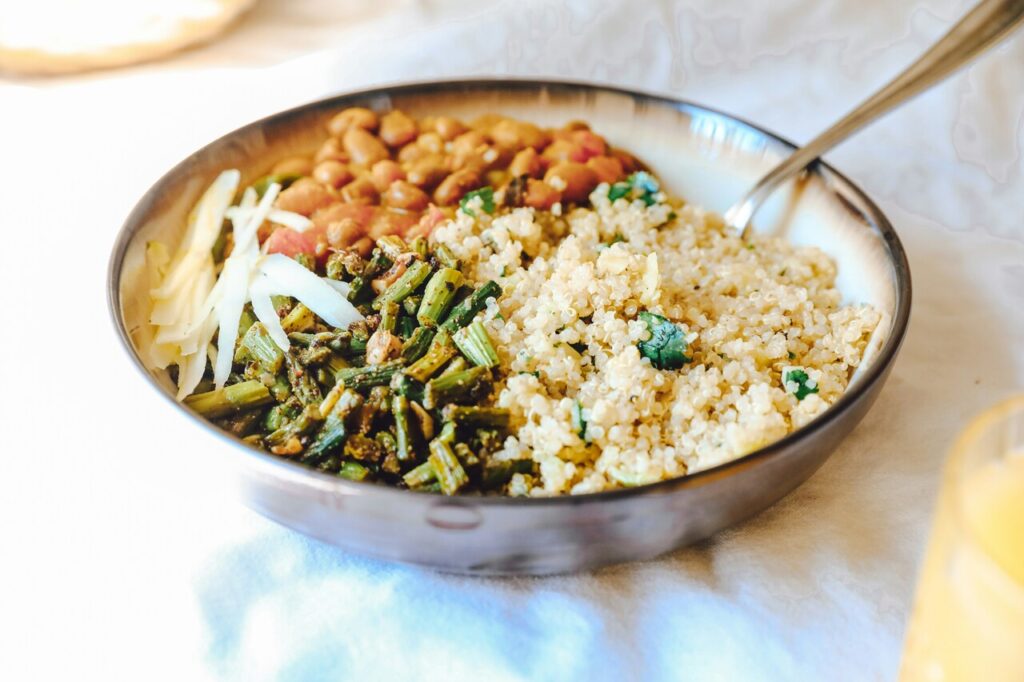
Food trends often turn certain ingredients and dishes into cultural sensations. From luxury seafood to trendy health foods, some items gain reputations that make them seem irresistible. Yet not everyone agrees that these popular foods deserve the praise they receive. Many diners say the flavor, texture, or overall experience does not always match the excitement surrounding them. Sometimes, the high price or social media attention raises expectations too much. Looking at these foods reveals how taste can be highly personal, and why even famous favorites can leave some people unimpressed.
1. Quinoa
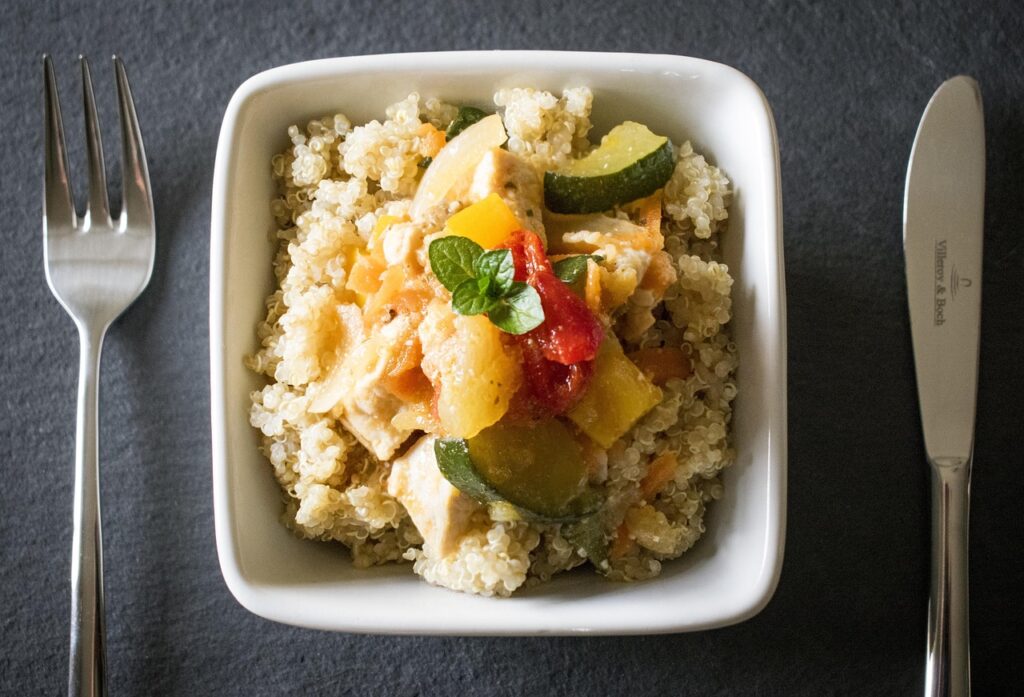
Quinoa rose to fame as a nutritional powerhouse and quickly became a staple in many health-focused kitchens. Packed with protein, fiber, and essential minerals, it gained attention as a wholesome alternative to traditional grains.
Despite these benefits, many people say the flavor does not live up to the hype. Quinoa has a mild, earthy taste that can seem bland without strong seasoning. Even when cooked properly, the tiny grains sometimes carry a slight bitterness that not everyone enjoys.
Texture can also be divisive. The small seeds contain a visible germ that separates when cooked, creating a soft grain with a tiny crunch. Some diners appreciate this unique texture, while others find it slightly gritty.
2. Avocado
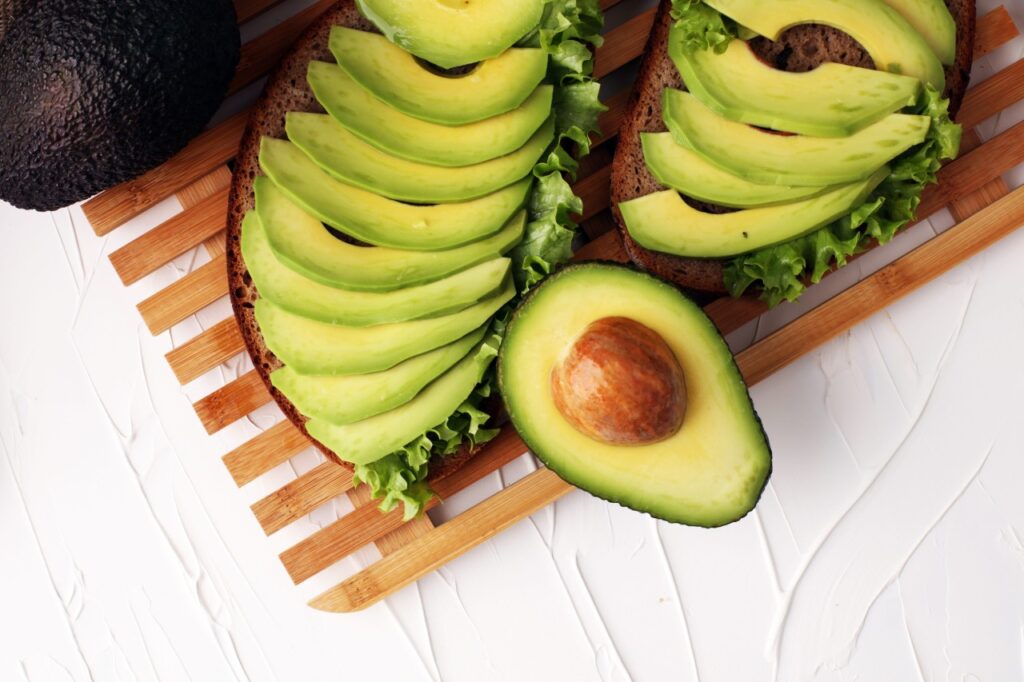
Avocados have become one of the most recognizable ingredients in modern food culture. From avocado toast to smoothies and salads, the fruit appears in countless recipes and social media posts. Its creamy texture and healthy fats helped turn it into a symbol of trendy eating.
While many people enjoy avocados, critics often point out that the flavor itself is relatively mild. On its own, avocado tastes buttery and slightly nutty, but it rarely stands out without added salt, citrus, or seasoning.
Price is another factor in the debate. Avocado-based meals at cafes and restaurants often carry a premium cost. For diners who find the taste subtle, the high price can feel disproportionate to the actual flavor experience.
3. Oysters
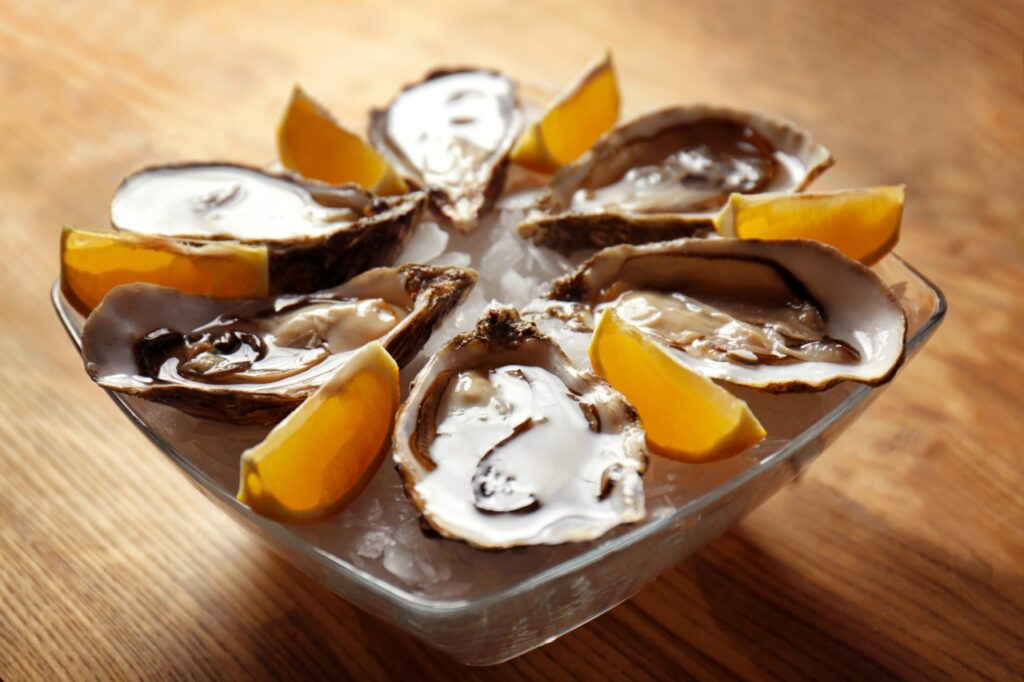
Oysters have long been associated with luxury dining and coastal seafood traditions. Served raw on ice or lightly cooked, they are prized for their connection to the ocean and their delicate flavor. Enthusiasts often describe them as tasting clean and briny.
For many diners, however, the experience can be challenging. The texture of raw oysters is often described as slippery or gelatinous, which can be difficult for those unfamiliar with it.
The price can also contribute to the perception of being overrated. Fresh oysters are often expensive in restaurants, and their flavor is subtle rather than bold. For some diners, the cost combined with the unusual texture makes the experience less appealing than expected.
4. Lobster Rolls
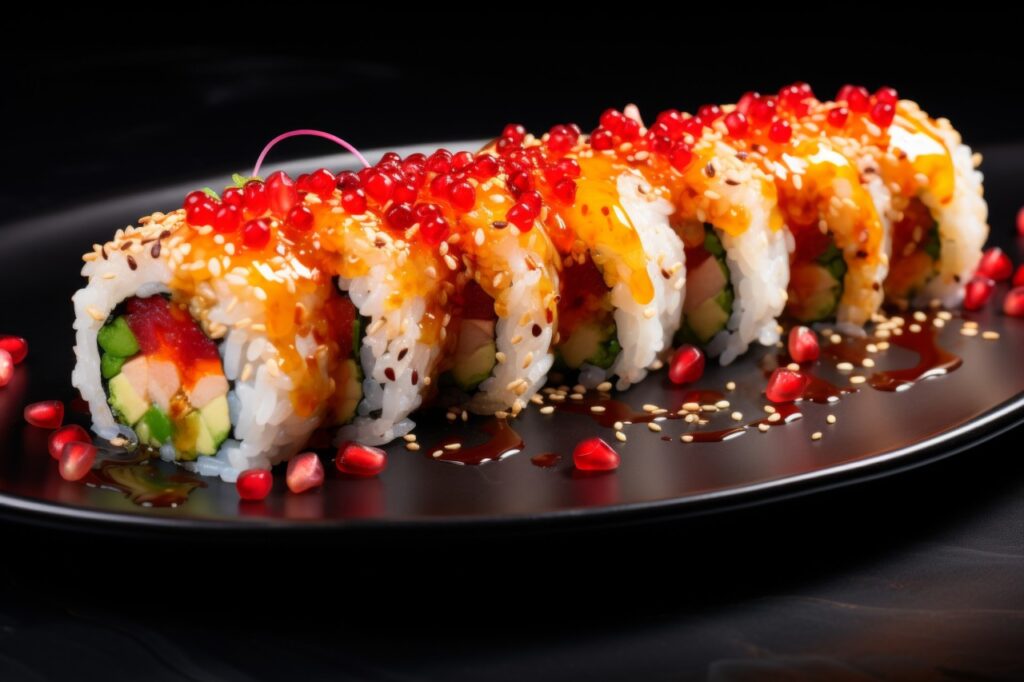
Lobster rolls have become a signature seafood dish in many coastal regions of the United States. The sandwich usually features chunks of lobster meat served in a toasted roll, sometimes dressed with butter or a light mayonnaise-based sauce. Its simplicity is part of its charm.
However, critics often point out that lobster itself has a relatively mild flavor. Much of the taste in a lobster roll comes from butter, seasoning, and the bread rather than the lobster meat alone.
Price is another common concern. Lobster is one of the most expensive seafood ingredients, which makes lobster rolls costly at many restaurants. Some diners feel that the high price does not always match the dish’s flavor intensity.
5. Truffle Oil Dishes

Truffle oil gained popularity as a way to bring the luxurious aroma of truffles into everyday dishes. Restaurants began drizzling it over fries, pasta, and pizza to create a distinctive earthy scent that signals indulgence.
In many cases, however, truffle oil does not contain real truffles. The flavor often comes from synthetic compounds designed to mimic the aroma of the fungus. While the scent can be strong, it may lack the depth and complexity found in genuine truffles.
A small amount can dominate an entire dish, masking the natural flavors of the food beneath it. For chefs who value balance, the heavy use of truffle oil sometimes feels more like a trend than a meaningful culinary improvement.
6. Caviar
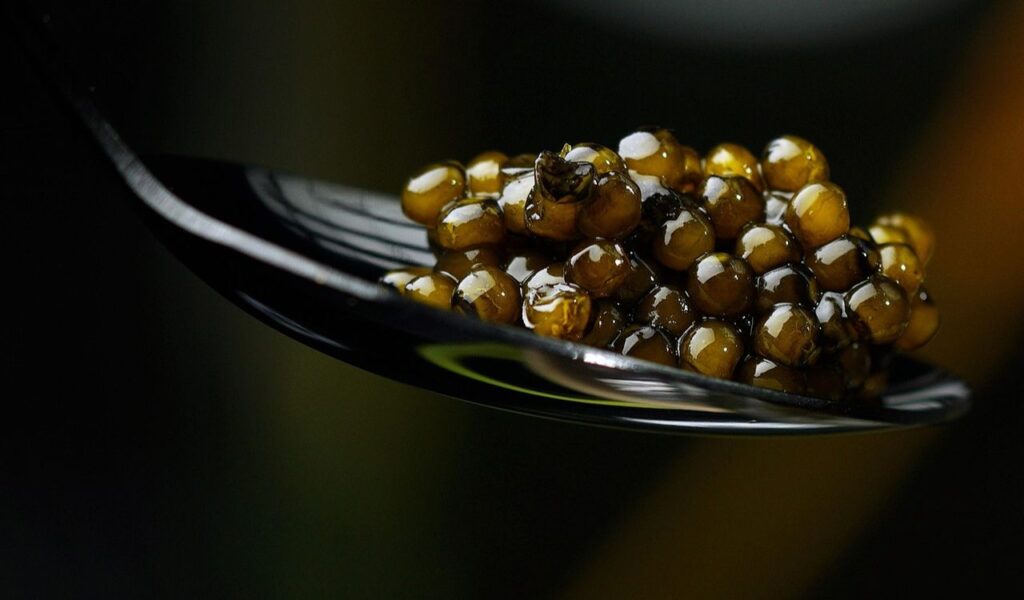
Caviar has long been viewed as one of the most luxurious foods in the world. The small fish eggs are traditionally served chilled and enjoyed in small portions, often accompanied by simple ingredients that allow the delicate flavor to stand out.
The taste of caviar is subtle and slightly salty, with a delicate ocean flavor that spreads across the palate. For those who appreciate it, the experience can be refined and memorable.
Yet many people find the appeal difficult to understand. The texture of the tiny eggs bursting in the mouth can feel unusual, and the flavor may seem mild compared with its extremely high price. For diners expecting bold taste, the understated nature of caviar can feel disappointing.
7. Dark Chocolate

Dark chocolate is frequently praised for its rich flavor and potential health benefits. With higher cocoa content and less sugar than milk chocolate, it has gained a reputation as a more sophisticated option for chocolate lovers.
However, the same qualities that make dark chocolate appealing to some people can be off-putting to others. The high cocoa percentage often creates a pronounced bitterness, especially in bars containing seventy percent cocoa or more.
While some consumers appreciate the intensity, others find it too sharp compared with sweeter chocolate varieties. As a result, dark chocolate often sparks debate between those who enjoy its complexity and those who prefer a milder taste.
8. Granola Bars

Granola bars became popular as a quick snack that seemed healthier than traditional sweets. They often contain oats, nuts, and dried fruit, which create the impression of a wholesome and balanced food.
In reality, many commercial granola bars include significant amounts of added sugar and syrups to hold the ingredients together. These sweeteners improve flavor and texture but can also increase the calorie content.
Because of this, the bars sometimes resemble dessert more than a nutritious snack. While they can still provide energy and convenience, critics argue that their healthy reputation may not always reflect the actual ingredient balance.
9. Nachos
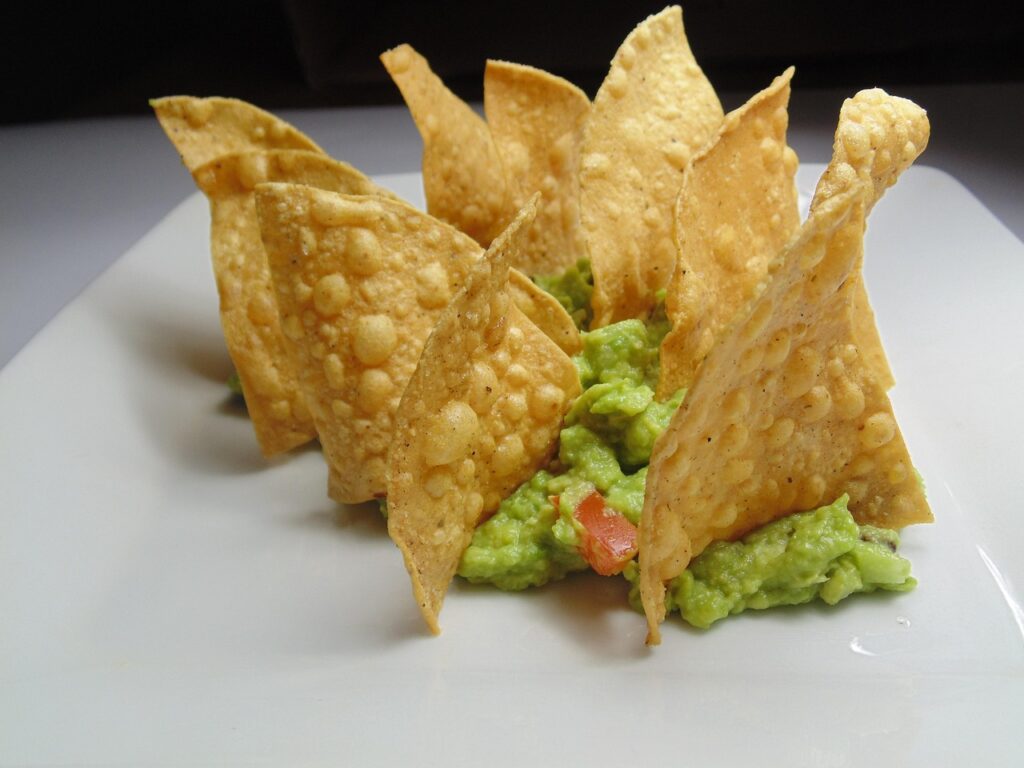
Nachos are a staple appetizer in many restaurants, known for their combination of tortilla chips, melted cheese, and toppings. The dish is often served in large portions meant for sharing, which adds to its popularity in casual dining settings.
One common criticism involves the uneven distribution of toppings. Chips at the top of the plate may be covered in cheese and ingredients, while those underneath remain plain. This inconsistency can make the experience less satisfying.
The overall flavor also depends heavily on melted cheese and salty chips. While this combination can be enjoyable, it may lack the complexity found in more balanced dishes. For some diners, the simplicity of the ingredients makes nachos feel less exciting than their reputation suggests.