Why Tipping Expectations Are Changing the Way Americans Dine Out


Tipping has long been part of the American dining experience, but the expectations surrounding it are beginning to change. In recent years, diners have encountered tipping prompts in more places, higher suggested gratuity percentages, and rising menu prices that make each meal feel more expensive. At the same time, conversations about fair wages and service industry pay have become more visible. As payment technology evolves and consumer attitudes shift, tipping culture is quietly transforming the way Americans approach eating out.
Tipflation Is Expanding Where Gratuities Are Expected
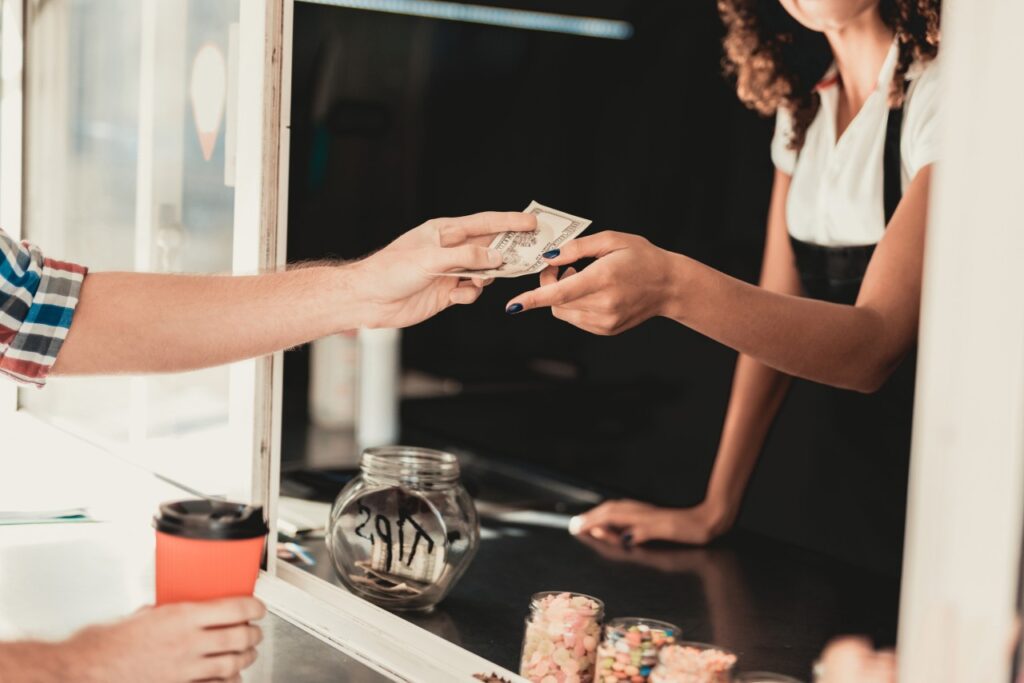
One of the most noticeable changes in modern dining culture is the expansion of tipping expectations. Traditionally, tipping in the United States was mostly associated with full-service restaurants, bars, and a few hospitality-related services. In recent years, however, requests for tips have appeared in many other places. Coffee counters, fast casual restaurants, food trucks, and even some retail environments now present tipping prompts at checkout. This change has created a new term often used by consumers called tipflation. The word reflects the feeling that tipping is no longer limited to exceptional service but has become a standard request in many transactions.
This expansion has changed how diners think about everyday spending. When customers encounter tipping requests in more places, the cumulative cost of dining out begins to feel higher. A meal that already includes rising menu prices may now involve multiple moments where a gratuity is suggested. Over time, these small additions influence how people budget for dining experiences. Some customers continue tipping out of habit or courtesy, while others question whether tipping should apply in situations with minimal service. The growing visibility of these prompts has turned tipping into a frequent point of discussion among diners.
The spread of tipping requests also reflects broader changes in payment technology and service models. As restaurants and food businesses adopt digital payment systems, they gain the ability to display tipping options during every transaction. This technological change has quietly expanded the number of moments when customers are asked to leave a gratuity. While some workers benefit from the additional income, others worry that frequent tipping prompts may frustrate customers. The debate shows how a simple feature in modern payment systems can reshape long-standing social customs. Over time, the technology itself begins to influence social norms.
Digital Payment Screens Are Changing Tipping Behavior
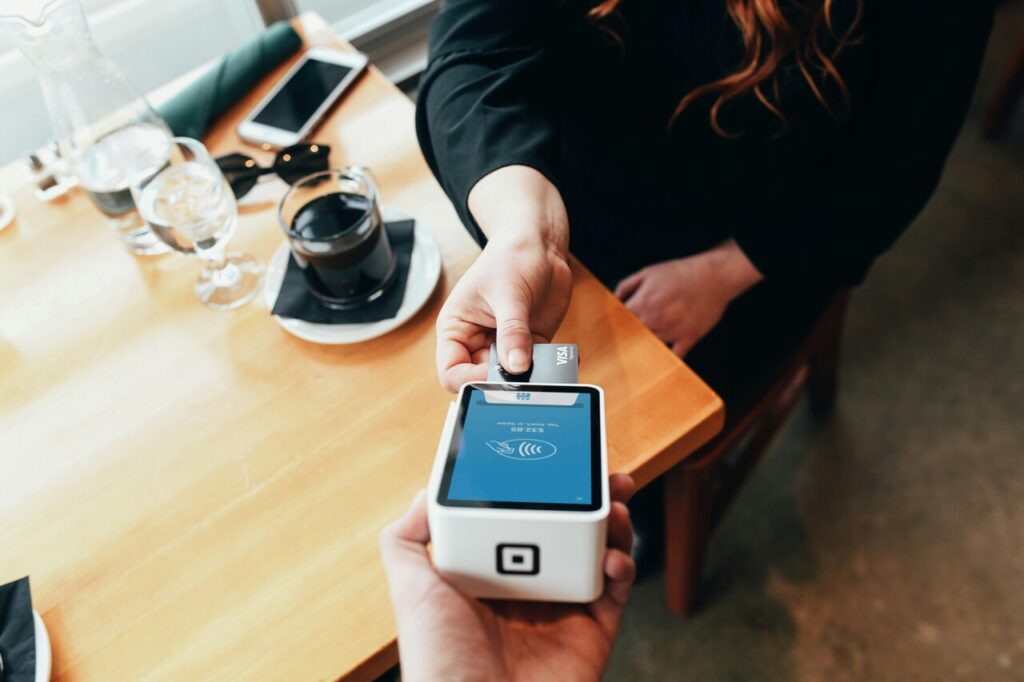
The introduction of digital checkout screens has dramatically altered how customers tip. Instead of leaving cash on a table or writing a gratuity on a receipt, many diners now interact with touchscreen payment devices. These screens typically display several popularly suggested tip percentages, often ranging from fifteen to twenty-five percent or more. Because the options appear before the payment is completed, customers must decide in the moment. This design can subtly influence how people choose their tip amounts. Digital payment tools have become extremely common in restaurants and cafes.
Suggested tip percentages also tend to be higher than what diners might calculate on their own. When a screen displays preset options such as twenty percent or twenty-five percent, those numbers can become the perceived standard. Many customers simply select one of the visible options rather than entering a custom amount. This behavior is partly influenced by convenience. Choosing a displayed option is faster than calculating a different number manually. Over time, these default suggestions can gradually increase the average tip left by diners. The presentation of choices can influence how generous a tip feels.
Another factor influencing tipping behavior is the social pressure created by the checkout experience. Payment screens are often positioned where staff members can see the selection being made. Even when employees are not directly watching, diners may feel a sense of visibility during the transaction. This feeling can make some customers more likely to choose a higher tip to avoid appearing ungenerous. Social expectations remain an important part of tipping culture. People often want to appear respectful toward service workers. This social dynamic continues to influence restaurant tipping decisions.
Rising Menu Prices Are Affecting How People Tip
Inflation has had a significant effect on restaurant spending, and tipping practices are feeling the impact. As food costs, labor expenses, and supply prices rise, restaurants often increase menu prices to cover these changes. Because tips are typically calculated as a percentage of the total bill, higher menu prices automatically lead to higher gratuities. Even when diners maintain the same tipping percentage, the final amount they leave may be noticeably larger than it was in the past. Customers often notice this change when they review the final receipt. A small increase in menu prices can significantly affect the total bill.
This connection between menu prices and tip amounts has made some diners more conscious of how much they are spending overall. A meal that once felt reasonably priced can now appear significantly more expensive after taxes and tips are added. Customers sometimes reconsider their tipping habits when they see how quickly the final bill increases. Some people adjust their tipping percentage to balance rising costs, while others reduce how often they dine out altogether. The combination of higher prices and tipping expectations can change how people evaluate the affordability of restaurant meals.
Restaurants are also aware that customers are more sensitive to price increases. Many businesses attempt to maintain value by offering promotions, fixed price menus, or smaller portion options. These strategies can help keep dining experiences accessible while still covering operational costs. However, the presence of tipping adds another layer of complexity to pricing decisions. When both menu prices and tip expectations rise together, the overall perception of dining out can shift for many consumers. Restaurants must carefully balance prices and customer expectations. A noticeable price increase can discourage repeat visits.
Customers Are Experiencing Tip Fatigue
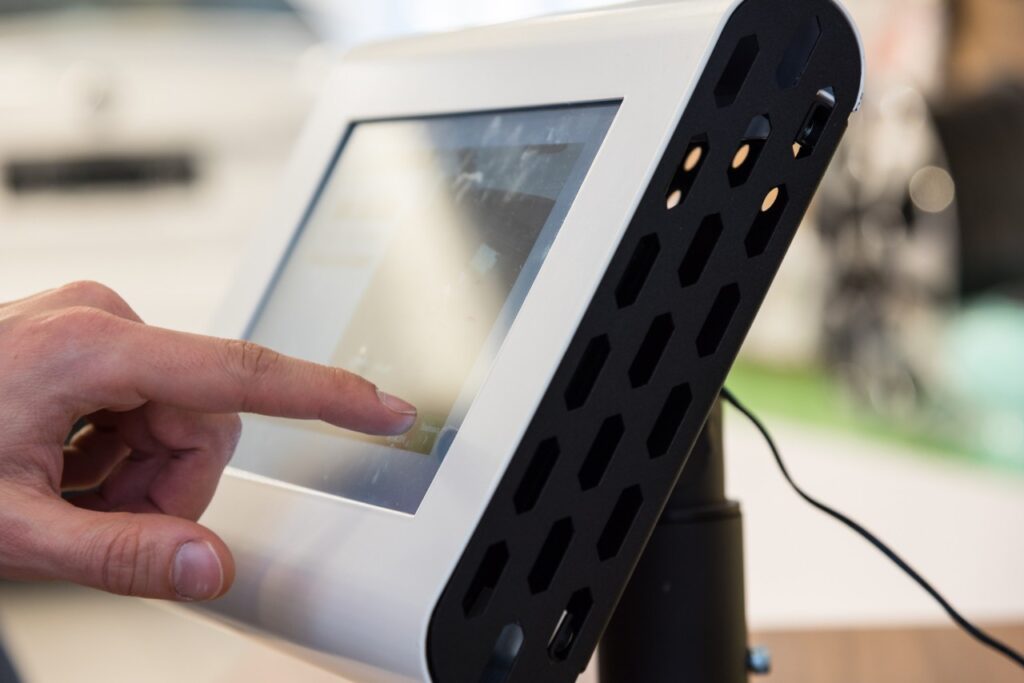
As tipping prompts appear more frequently, many diners report experiencing what is commonly called tip fatigue. This term describes the feeling of being asked for gratuities so often that the practice begins to feel overwhelming. Instead of tipping only after traditional service experiences, customers now encounter requests in situations where tipping was not previously expected. The constant exposure to these prompts can create frustration or confusion about when tipping is truly appropriate. Some customers feel unsure about the social expectations involved. Others simply grow tired of making repeated tipping decisions.
Tip fatigue also arises from the emotional pressure associated with tipping decisions. Diners often want to support workers and show appreciation for good service. At the same time, repeated requests can make the decision feel less voluntary and more obligatory. When every transaction involves a tip prompt, customers may feel they are constantly being asked to make social judgments about their generosity. This pressure can lead some people to feel uncomfortable during routine purchases. Many diners worry about appearing unfair or stingy. Over time, it may change how people feel about tipping overall.
Despite these concerns, many customers still choose to tip because they recognize that service workers rely on gratuities for income. This situation creates a tension between empathy for workers and frustration with the system itself. Some diners believe tipping culture has expanded too far, while others feel it remains an important part of service industry compensation. The existence of tip fatigue highlights how complicated the issue has become for both customers and employees. Service workers often depend heavily on tips for their livelihood. Customers are aware of this reality when making decisions.
The Debate Over Fair Wages Is Intensifying
The conversation about tipping often leads to a deeper discussion about wages in the restaurant industry. In many parts of the United States, service workers receive a base wage that is lower than the standard minimum wage because tips are expected to supplement their income. This structure means that gratuities play a major role in determining how much workers earn during a shift. Supporters of the system argue that tipping can reward strong service and allow experienced servers to earn higher income. Many workers appreciate the possibility of earning more during busy shifts. Others see tipping as recognition for attentive service. These perspectives contribute to ongoing debate within the industry.
Critics of the tipping model argue that relying on customers to supplement wages places too much responsibility on diners. They believe restaurants should provide higher base pay so workers do not depend heavily on tips to make a living. According to this perspective, customers should pay a clear menu price that already includes fair compensation for staff. This approach would shift the responsibility for wages back to employers rather than customers. Supporters of this idea believe it could create a more stable income for workers. They also argue it could simplify the dining experience for customers. The debate continues because both sides present compelling arguments.
The debate remains complex because many workers themselves hold mixed opinions about the system. Some experienced servers prefer the tipping model because it allows them to earn more than a fixed hourly wage in busy restaurants. Others prefer predictable pay that does not depend on the number of customers or their generosity. These differing perspectives make it difficult to create a universal solution that satisfies everyone involved. Restaurant owners must consider both employee income and customer expectations. Any major change could affect staffing and service quality. This complexity explains why tipping practices evolve slowly.
Changing Attitudes Are Influencing Dining Decisions
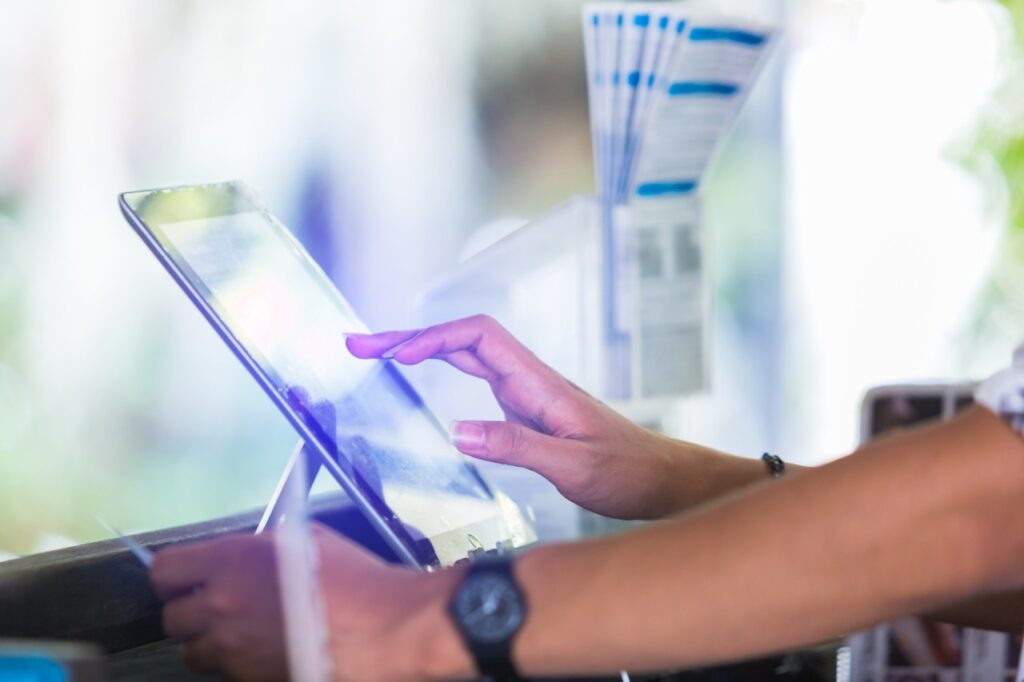
As tipping expectations evolve, many diners are reconsidering how often they eat at restaurants. Some customers report reducing the number of times they dine out each month because the overall cost feels higher. When menu prices, taxes, and tips are combined, the final bill can exceed what diners originally planned to spend. For households managing tight budgets, this difference can influence decisions about where and how often to eat out. Many families now treat restaurant visits as occasional treats rather than routine habits. These shifts reveal how tipping expectations influence consumer behavior.
Other diners adapt by changing their tipping habits rather than avoiding restaurants entirely. Some people choose to leave smaller percentages or fixed dollar amounts when service expectations are unclear. Others continue tipping generously in full-service restaurants but skip gratuities in settings where service is minimal. These adjustments show how customers attempt to balance appreciation for service with personal financial limits. Diners often develop personal rules for when and how much to tip. These guidelines help them manage spending more comfortably. Over time, these patterns influence overall tipping culture.
Changing attitudes toward tipping also affect how diners evaluate service quality. Some customers now view tipping less as a reward for excellent service and more as a standard fee added to the meal. This shift can alter the emotional experience of dining out. Instead of feeling like a voluntary gesture, tipping sometimes feels like a required part of the transaction. As perceptions change, restaurants may need to reconsider how gratuities fit into the dining experience. Service expectations may evolve alongside these changes. Restaurants may adjust training and pricing strategies. The dining culture continues to adapt as attitudes shift.
Restaurants Are Experimenting With New Payment Models
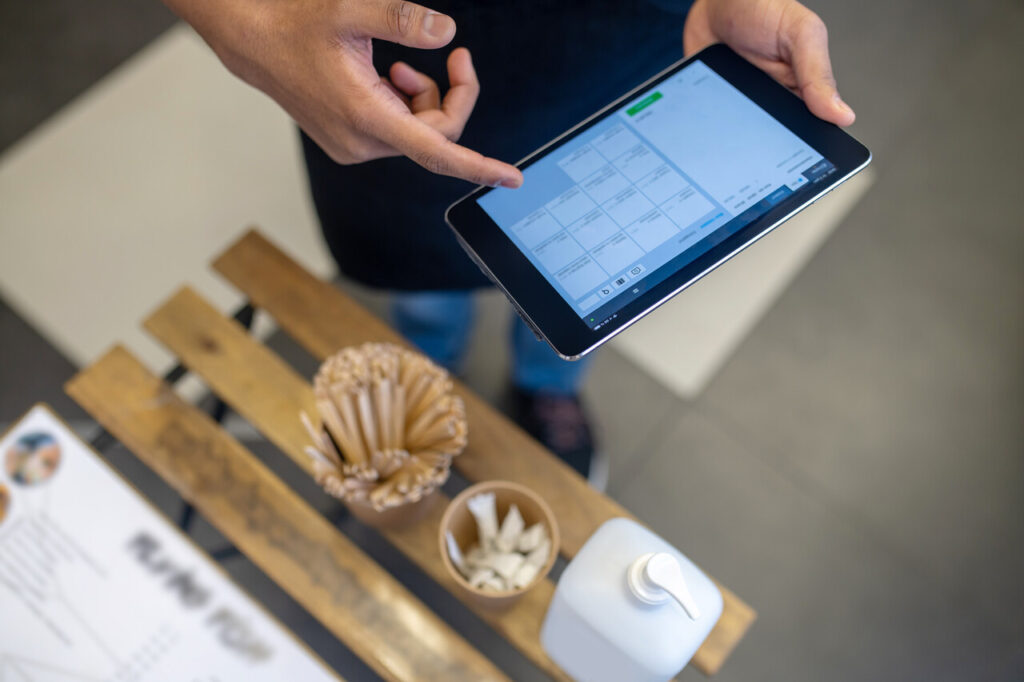
In response to the growing debate about tipping, some restaurants are experimenting with alternative payment models. One approach involves adding a fixed service charge to each bill rather than relying on voluntary tips. This charge is typically used to increase wages for staff members and provide more predictable income. Customers see the cost upfront instead of deciding on a gratuity at the end of the meal. This system can simplify the payment process for diners. It also allows restaurants to distribute earnings more evenly among staff. Some customers appreciate the transparency of this approach.
Other restaurants have experimented with eliminating tipping. In these establishments, menu prices are increased slightly to cover higher wages for employees. The goal is to create a simpler and more transparent dining experience where customers know the full cost of the meal in advance. Some diners appreciate this approach because it removes uncertainty about how much to tip. Workers may benefit from a more stable income in this model. Restaurant managers can also predict payroll costs more easily. However, these systems still require careful communication with customers. Guests must clearly understand that service is already included in the price.
However, these alternative models also come with challenges. Some restaurants that removed tipping later returned to the traditional system after facing customer confusion or staff dissatisfaction. Workers who were accustomed to earning large tips sometimes found that fixed wages reduced their potential income. These mixed results show that the future of tipping in the United States is still evolving. Restaurants continue testing different approaches to find sustainable solutions. Customer expectations will play a major role in shaping these changes. The dining industry remains in a period of experimentation.