8 Foods Marketed as Healthy That Deserve a Closer Look

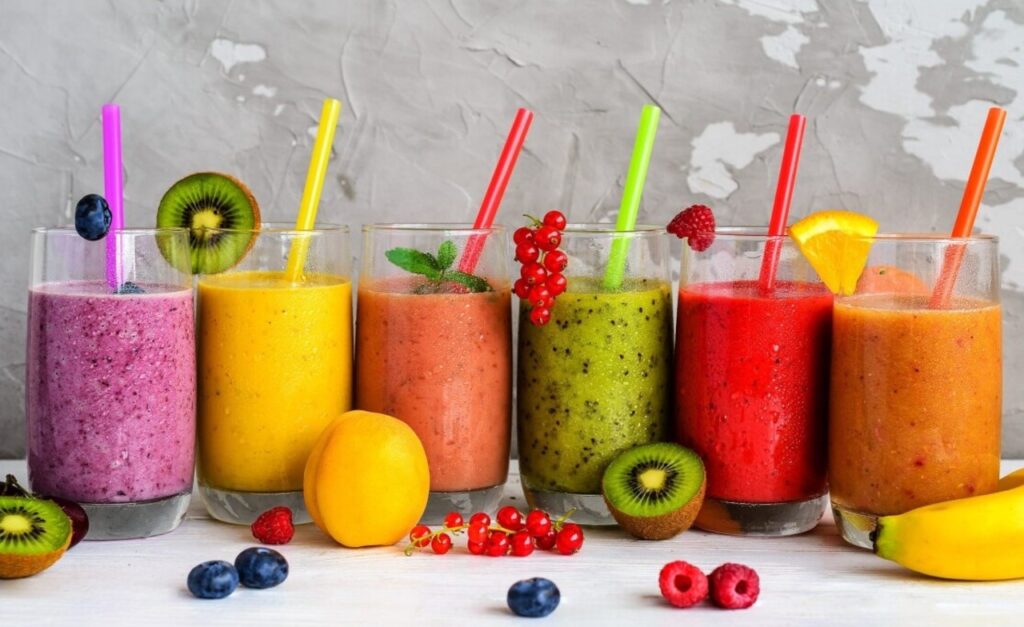
Foods labeled as “healthy” often carry a reassuring glow. Words like natural, low-fat, protein-packed, or gluten-free can make products sound automatically good for you. In a busy world, these labels promise quick nutrition with little thought.
Yet marketing and nutrition do not always tell the same story. Many foods that seem wholesome contain hidden sugars, refined ingredients, or heavy processing that quietly changes their value and overall nutritional impact.
Taking a closer look does not mean avoiding them entirely. It simply means understanding what is really inside the package before making them a daily habit and choosing options that truly support balanced eating.
1. Granola
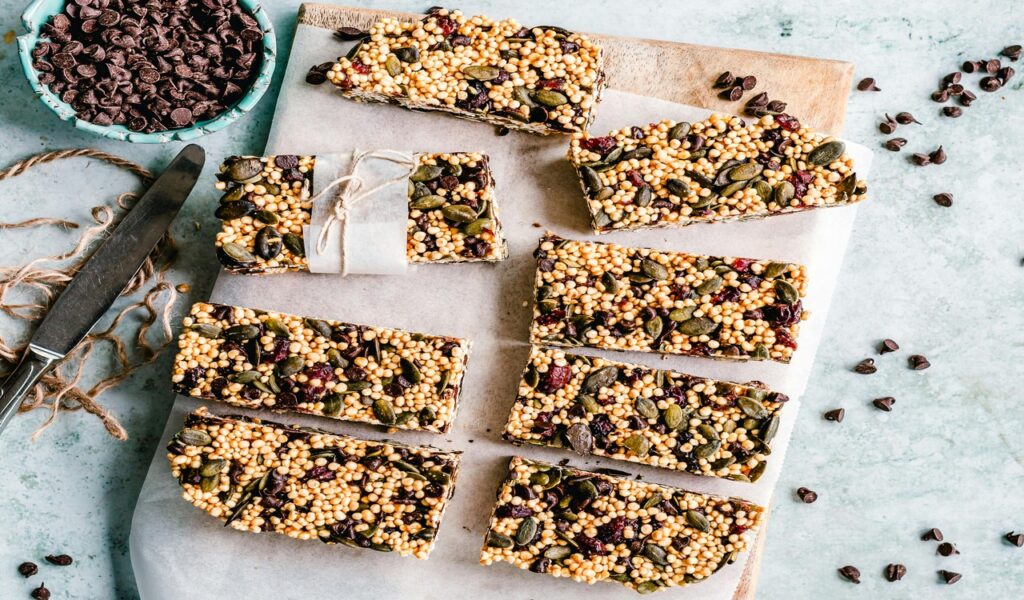
Granola is often seen as the picture of a wholesome breakfast. With oats, nuts, and honey on the label, it feels like a naturally healthy choice. Yet many packaged versions are far richer than people expect, especially when it comes to sugar and calories.
To create its signature crunch, manufacturers frequently add syrups, honey, or brown sugar along with oils during baking. These ingredients help bind the oats into clusters and also quickly raise calorie levels.
The base ingredients can be nutritious. Oats offer fiber, and nuts provide healthy fats and minerals. The concern comes from the amount of sweetener and oil used. When those ingredients dominate, granola becomes more like a dessert topping than a balanced breakfast.
2. Flavored Yogurt

Yogurt is widely praised for its protein, calcium, and beneficial bacteria. Plain yogurt can support digestion and gut health, making it a genuinely nutritious food. The challenge often begins once flavoring is added.
Many flavored yogurts rely on added sugars to create their sweet taste. Fruit flavors are commonly made with syrups or concentrates rather than fresh fruit. A small cup can contain 15 to 20 grams of sugar.
This sweetness can turn yogurt into something closer to dessert than a nourishing snack. While the base yogurt still provides nutrients, the added sugar reduces its overall balance. Choosing plain yogurt and adding fresh fruit often provides the same flavor with far less sugar.
3. Fruit Juice

Fruit juice carries a healthy reputation because it comes directly from fruit. Many people view a glass of juice as a quick way to add vitamins to their day. However, the juicing process removes an important part of the fruit.
Most of the fiber is lost when fruit is turned into juice. Fiber helps slow sugar absorption and promotes fullness. Without it, the natural sugars in juice enter the bloodstream more rapidly.
Portion size also matters. A single glass can contain the sugar from several fruits. That makes it easy to consume large amounts quickly. Whole fruits provide the same vitamins along with fiber, making them a more balanced and satisfying choice.
4. Veggie Chips

Veggie chips are often marketed as a smarter alternative to traditional potato chips. Colorful packaging and vegetable names give the impression of a lighter snack. In reality, many versions are nutritionally very similar to regular chips.
The vegetables in these snacks are usually processed into powders or blended with potato starch. The mixture is then fried or baked with oils and salt to create a crunchy texture.
Because of this processing, the finished product often contains similar calories and sodium levels to standard chips. The vegetable content may be small compared to starch and oils. Whole roasted vegetables or lightly seasoned popcorn can offer a more nutritious snack.
5. Protein Bars

Protein bars are promoted as convenient nutrition for busy lifestyles. They are especially popular among people looking for quick energy or post-workout fuel. However, not all protein bars are as healthy as they appear.
To improve taste and texture, many bars include syrups, chocolate coatings, or sugar alcohols. These additions can increase both calorie and sugar levels. Some bars contain sugar amounts similar to candy.
Protein itself is beneficial for muscle repair and satiety. The issue is that it often comes packaged with highly processed ingredients. Simple foods like nuts, yogurt, or eggs can deliver protein with fewer additives.
6. Smoothies

Smoothies often carry a strong health image. Blending fruit, yogurt, and vegetables suggests a drink packed with nutrients. While homemade smoothies can be balanced, many store-bought versions tell a different story.
Commercial smoothies frequently contain fruit juice, sweetened yogurt, or flavored syrups. These ingredients boost sugar levels while reducing fiber. A single large smoothie may contain the sugar of several fruits.
Portion size adds another challenge. Large cups make it easy to drink hundreds of calories quickly. A balanced smoothie typically includes whole fruits, some protein, and possibly healthy fats to slow sugar absorption.
7. Gluten-Free Packaged Foods

Gluten-free foods are essential for people with celiac disease or gluten sensitivity. In recent years, they have also gained popularity among people who believe they are healthier in general.
Many gluten-free snacks replace wheat with refined starches such as rice flour, potato starch, or tapioca starch. These ingredients help recreate the texture of baked goods but often contain little fiber or protein.
As a result, gluten-free cookies, crackers, and breads can have similar or even higher sugar and calorie levels than regular versions. The absence of gluten does not guarantee better nutrition. Naturally gluten-free foods like rice, fruits, and vegetables often provide greater nutritional value.
8. Low-Fat or Fat-Free Snacks

Low-fat labels became popular when dietary fat was widely blamed for weight gain. Food companies responded by removing fat from many products and promoting them as healthier choices. This shift changed grocery shelves and influenced how many people judged the health value of packaged foods.
Fat adds flavor and texture to food. When it is removed, manufacturers often compensate by adding sugar, salt, or refined starches to keep products appealing. This change can increase processing and raise carbohydrate levels.
Healthy fats also play important roles in nutrition. They help absorb vitamins and promote fullness after meals. Foods such as nuts, seeds, avocados, and olive oil provide beneficial fats that support a balanced diet and steady energy.