11 Christmas Dishes That Can Ruin the Feast If One Step Goes Wrong

Christmas meals are remembered for their warmth, generosity, and sense of occasion, but they are also shaped by a handful of high-stakes dishes where one small mistake can ripple across the entire table. Holiday cooking often involves large portions, tight timing, and recipes that only appear once a year, which leaves little room for error. A few degrees too hot, a rushed step, or an overlooked detail can turn a centerpiece into a disappointment or a beloved side into something guests quietly avoid. Understanding where these dishes tend to go wrong helps cooks slow down, plan better, and protect the flavors everyone looks forward to all year.
1. Roast Turkey
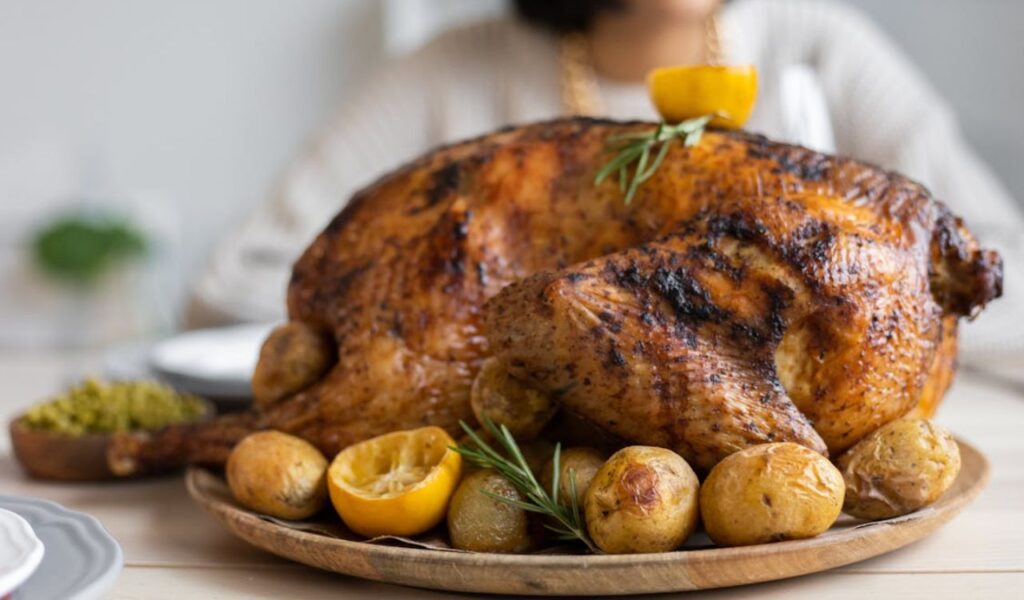
Roast turkey is often the centerpiece of the Christmas table, which makes it especially unforgiving when one step goes wrong. The biggest risk is dryness, usually caused by overcooking or uneven heat. Turkey breast meat cooks faster than the legs, so timing and temperature control matter more than with most meats. Skipping proper seasoning or failing to salt ahead can also leave the bird bland all the way through. Resting the turkey after roasting is another critical step that people rush, causing juices to spill out and leaving slices dry. When turkey is done right, it is comforting and impressive, but one misjudgment can turn it into a disappointing, dry centerpiece.
2. Prime Rib Roast
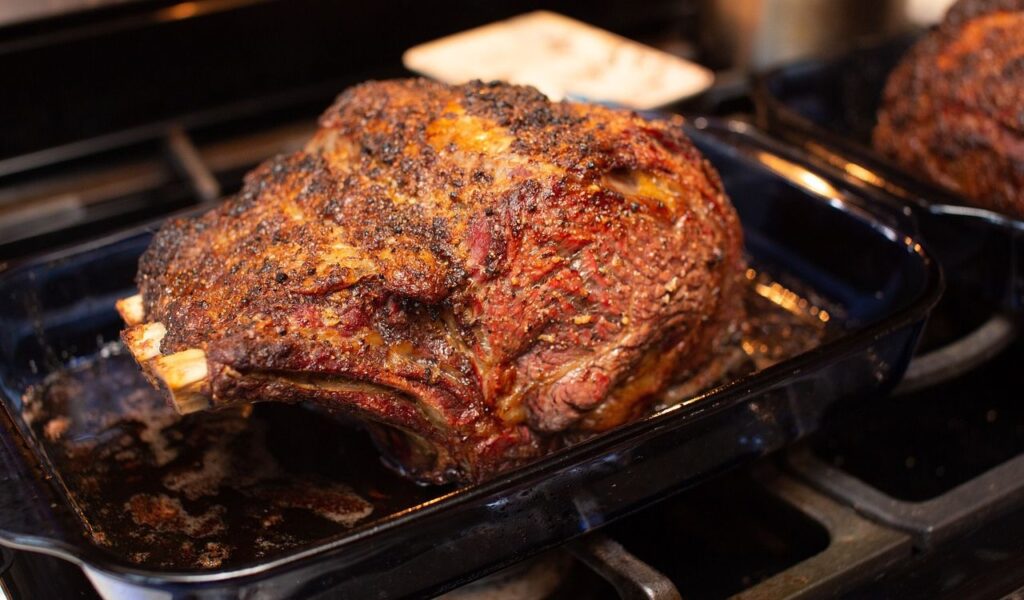
Prime rib feels luxurious, but it is extremely sensitive to temperature mistakes. Because it is a large, expensive cut, even a few extra degrees can push it from perfectly pink to gray and dry. Starting the roast too hot or failing to use a thermometer are common errors that ruin tenderness. Resting is just as important here as cooking, since slicing too soon causes juices to escape. Seasoning must be balanced, as too much salt can overpower the natural richness while too little leaves the meat flat. Prime rib rewards patience and precision, but skipping even one step can waste both flavor and money. Careful planning helps protect both the meal and the investment.
3. Christmas Ham
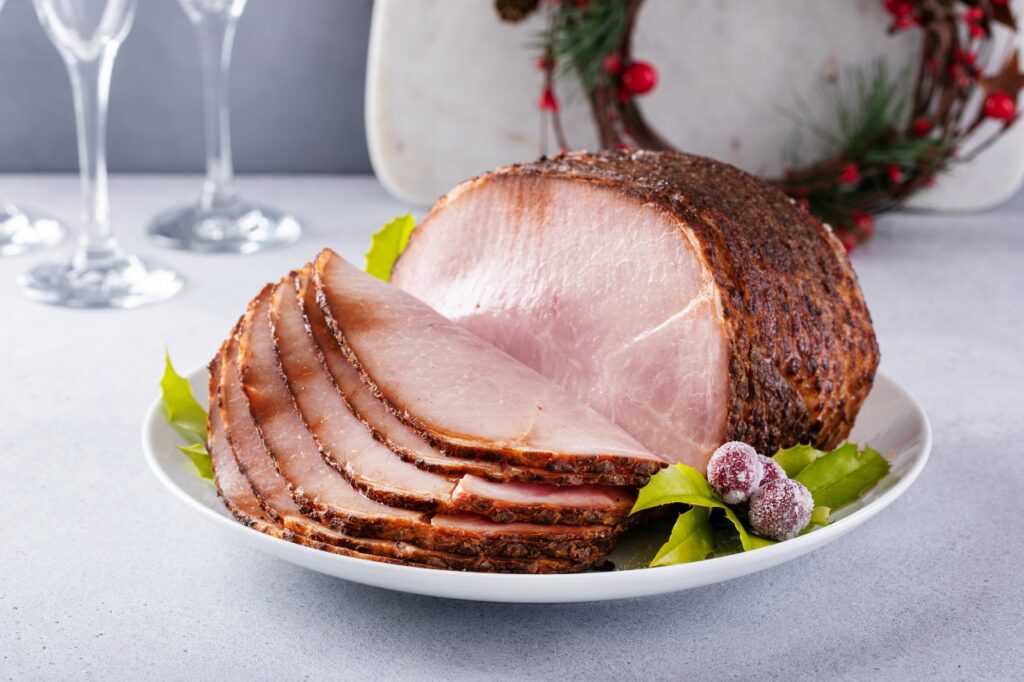
Ham seems foolproof because it is often pre-cooked, but that is exactly where problems begin. Overheating dries it out quickly, especially if the glaze is applied too early and burns. Many people also forget that ham is already salty, leading to overly aggressive seasoning or salty glazes that overwhelm the meat. Failing to add moisture during reheating can leave slices tough and chewy. Even slicing incorrectly against the grain can affect texture. A good Christmas ham should be juicy and balanced, but rushed reheating or poor glazing can easily ruin it. Gentle reheating with moisture keeps it tender and appealing.
4. Mashed Potatoes
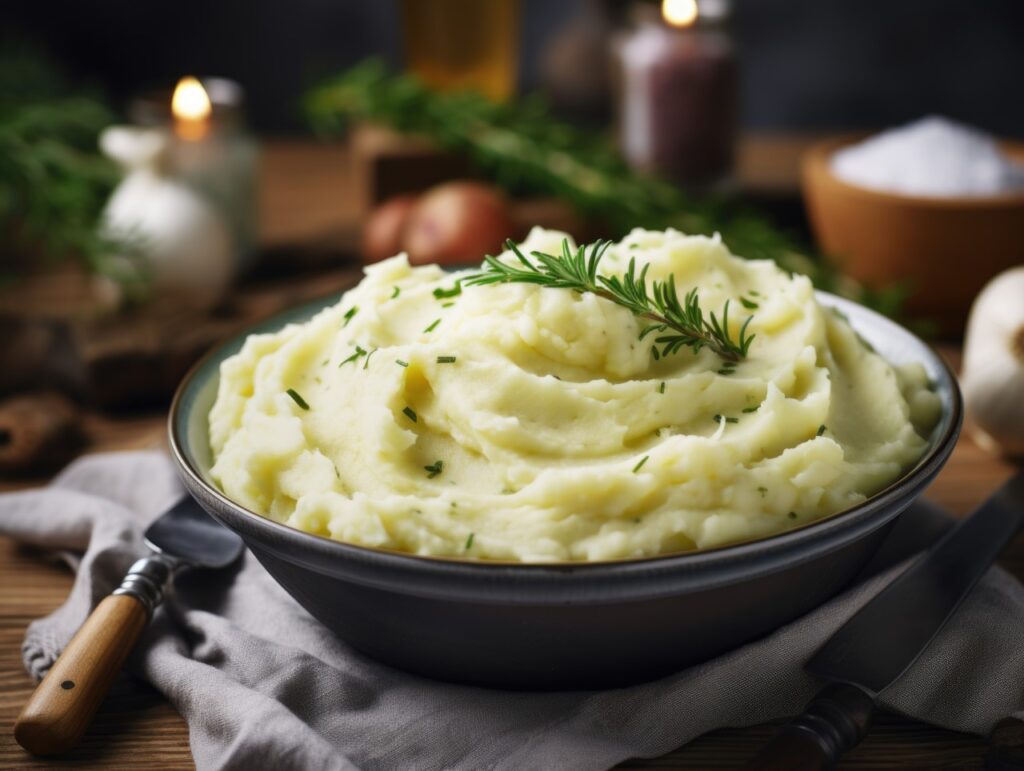
Mashed potatoes look simple, yet they are easy to get wrong. Overmixing releases too much starch and turns them gluey and dense. Undermixing leaves unpleasant lumps. Choosing the wrong potato variety can also sabotage texture, as waxy potatoes do not mash smoothly. Temperature matters as well, since adding cold milk or butter cools the potatoes and prevents proper absorption. Seasoning too early or too late can throw off balance. When mashed potatoes fail, they become heavy and unappealing, which is especially noticeable because they often take up so much plate space. Smooth, well-seasoned potatoes set the tone for the whole meal.
5. Gravy

Gravy is a supporting dish that can quietly ruin the entire meal if mishandled. Lumps form easily when flour is added incorrectly or not whisked thoroughly. Cooking the roux too little creates a raw flour taste, while cooking it too long can darken flavor unexpectedly. Seasoning is tricky because pan drippings vary in saltiness, making it easy to overdo it. Thin gravy feels watery and unsatisfying, while overly thick gravy becomes pasty. Since gravy touches nearly everything on the plate, one mistake spreads across the entire meal. Careful tasting throughout cooking helps prevent these issues.
6. Stuffing
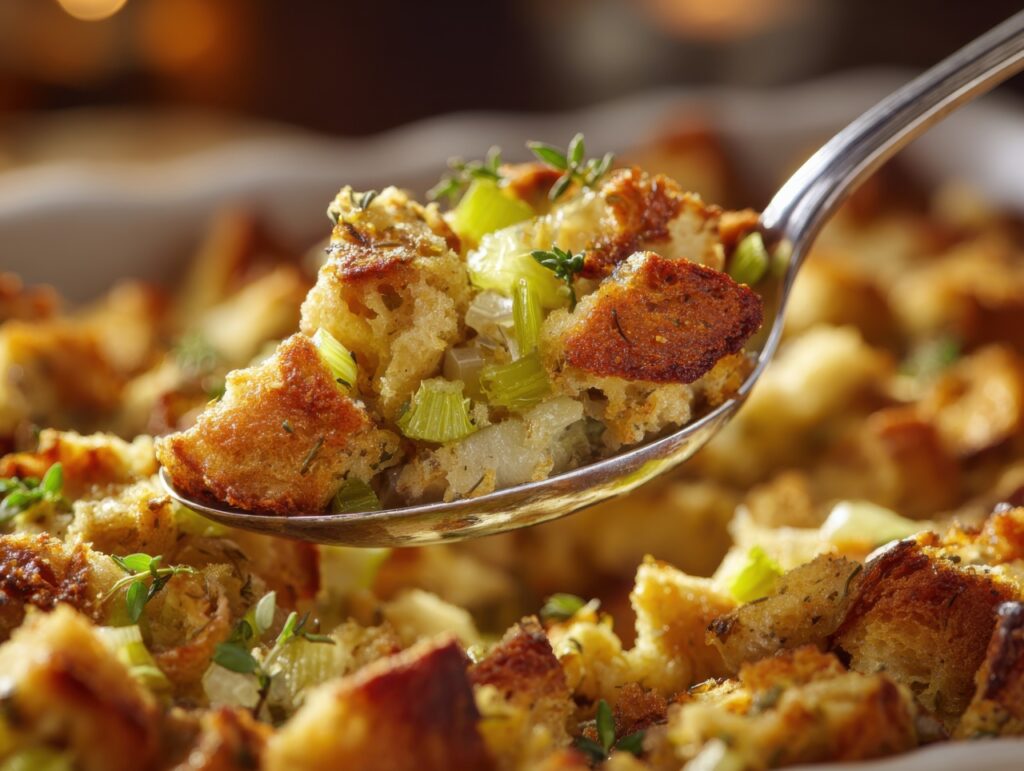
Stuffing is all about moisture balance, and that is where it often goes wrong. Too little liquid leaves it dry and crumbly, while too much turns it mushy and heavy. Bread choice matters, as fresh bread absorbs differently than dried or stale bread. Seasoning must be even, since herbs and salt can easily clump instead of distributing properly. Cooking temperature also affects texture, especially if the top dries out before the center heats through. Stuffing should feel comforting and cohesive, but one miscalculation can make it either soggy or unpleasantly dry. Allowing it to rest briefly helps the texture settle before serving.
7. Green Bean Casserole
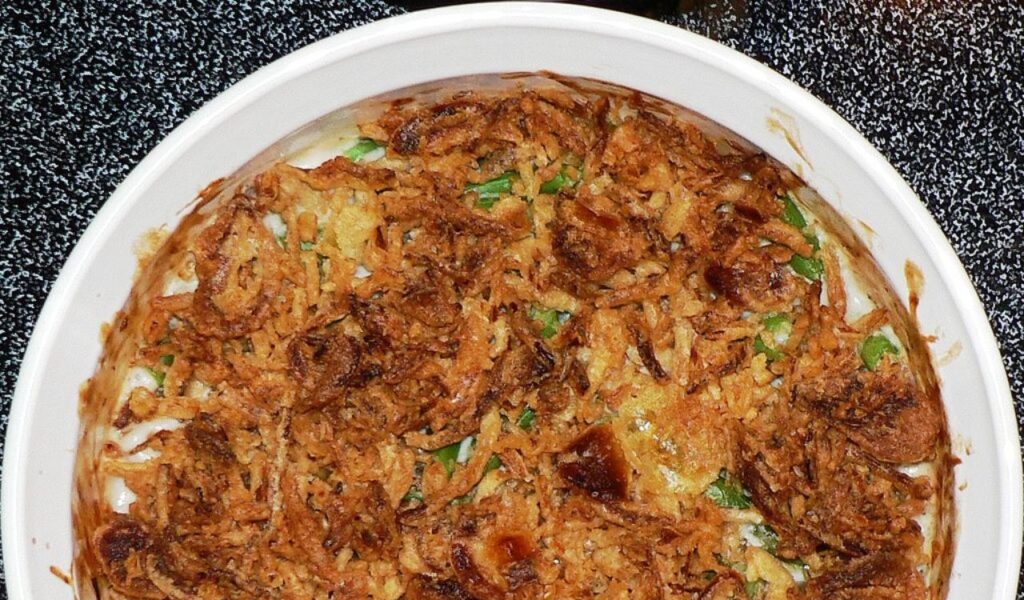
Green bean casserole suffers most when texture is ignored. Overcooked beans become limp and gray, while undercooked ones stay tough. Too much sauce overwhelms the vegetables, and too little leaves the dish dry. Crispy toppings can burn quickly if added too early, turning bitter instead of crunchy. Seasoning is often overlooked, resulting in a bland casserole despite rich ingredients. Because it looks simple, mistakes are obvious, and when the balance is off, guests notice immediately. Proper timing keeps both the beans and topping at their best. Using fresh or properly blanched beans can greatly improve texture and color.
8. Scalloped Potatoes
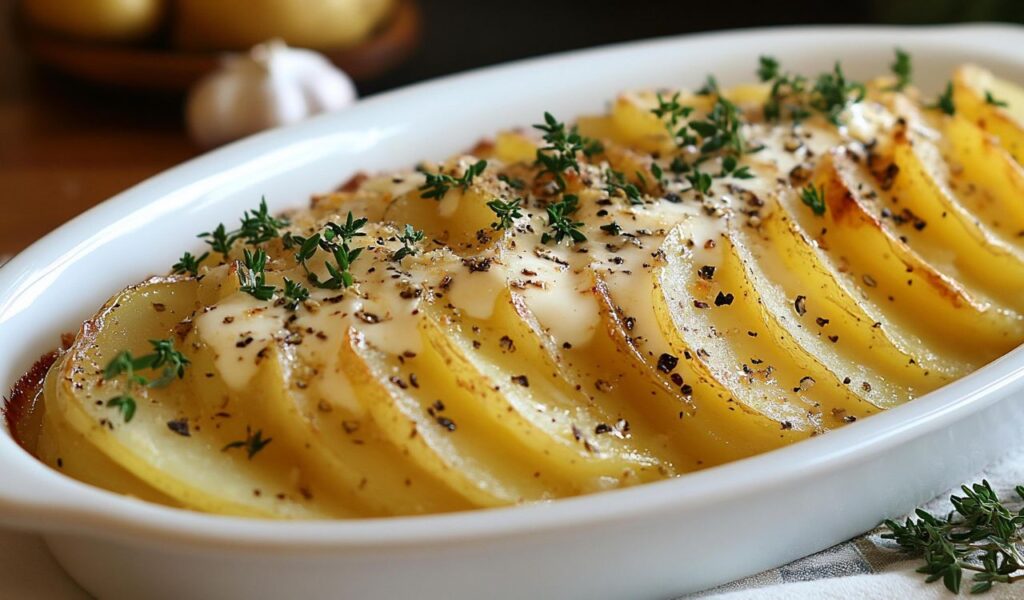
Scalloped potatoes demand patience, and rushing them leads to disaster. Thick slices may not cook through evenly, leaving raw centers and overcooked edges. Too little liquid causes dryness, while too much results in a soupy texture. Cheese or cream added at the wrong time can break or separate. Improper seasoning between layers leads to bland bites in the middle. Scalloped potatoes need time to rest after baking as well, or they will fall apart when served. Skipping any step can ruin the creamy, layered result everyone expects. Even slicing thickness plays a major role in success. Allowing enough oven time ensures the potatoes soften fully without losing structure.
9. Beef Wellington
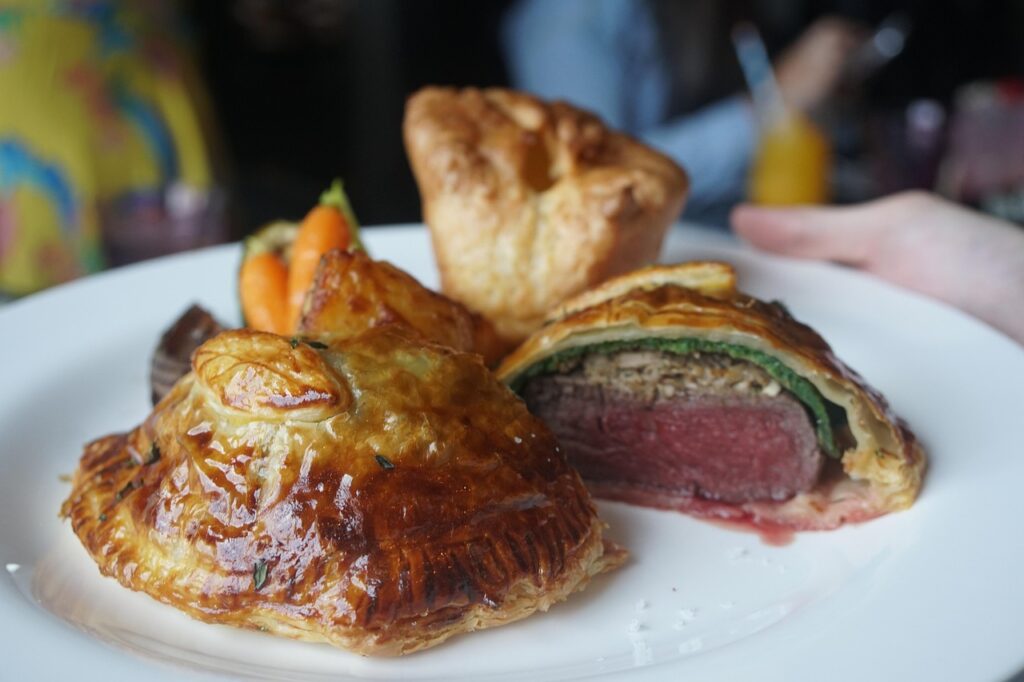
Beef Wellington is one of the most impressive holiday dishes, but it is also one of the riskiest. The beef must be cooked precisely, since overcooking ruins tenderness and undercooking affects safety. Moisture control is critical, as excess liquid from mushrooms or beef will make the pastry soggy. Wrapping too loosely or too tightly affects how it cooks and holds its shape. Pastry temperature matters as well, since warm dough will not puff properly. Beef Wellington demands careful timing and planning, and one overlooked detail can collapse the entire dish. Practice and preparation are key to pulling it off confidently.
10. Eggnog
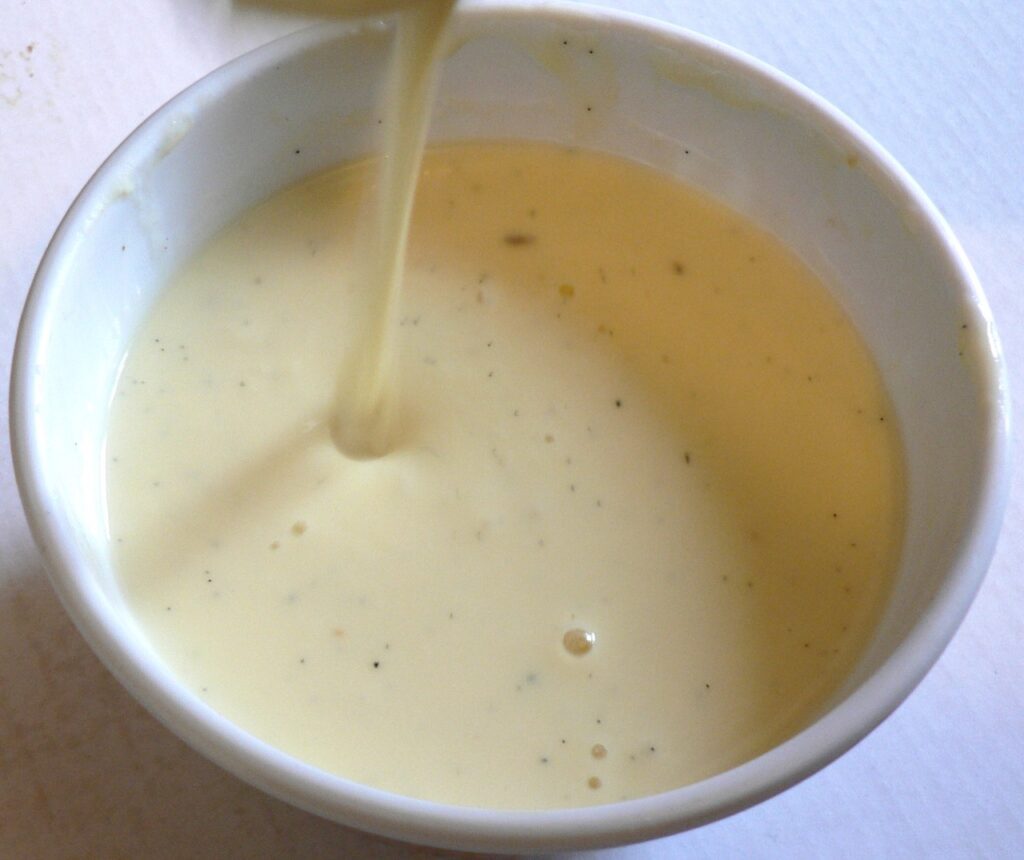
Eggnog can quickly cross from festive to unpleasant with one small mistake. Overheating causes curdling, while improper chilling affects texture and safety. Too much alcohol overwhelms the creamy base, while too little leaves the drink flat. Nutmeg and spices must be measured carefully, as they intensify over time. Sweetness also needs balance, since eggnog thickens as it rests. Because it is served cold and sipped slowly, flaws become more noticeable with every glass. Letting it rest properly helps flavors blend smoothly. Serving it well chilled also improves both texture and overall drinkability.
11. Yule Log Cake
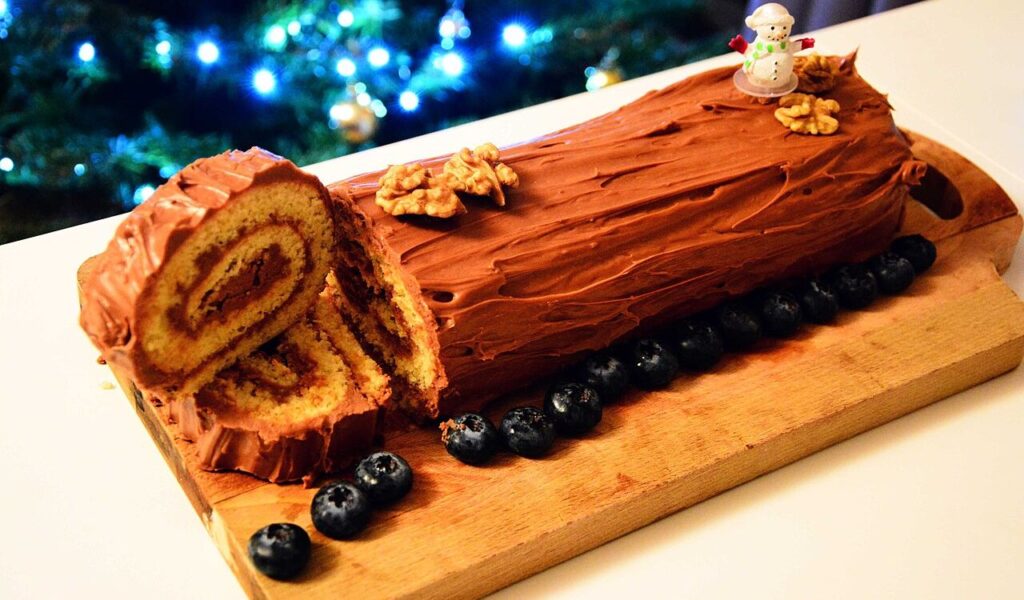
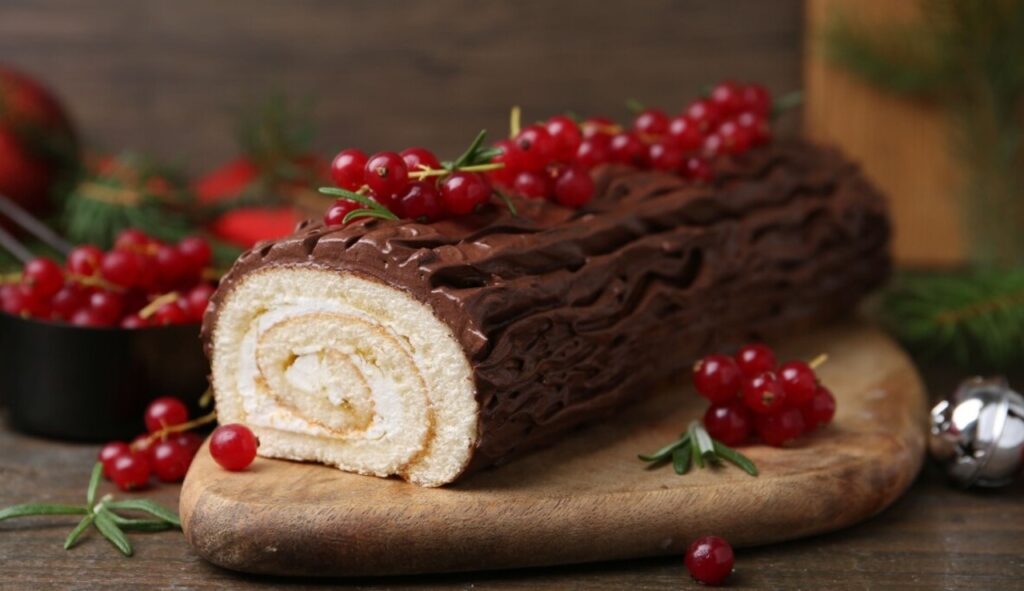
A Yule log cake looks whimsical but requires precision to pull off. Overbaking the sponge makes it crack when rolled, while underbaking leaves it gummy. Rolling technique matters, as waiting too long causes the cake to break. Filling consistency must be just right, since too much squeezes out and too little leaves the cake dry. Frosting temperature affects appearance and texture. When executed well, the Yule log feels magical, but a single misstep can turn it into a cracked, messy disappointment at the end of the feast. Careful timing makes all the difference in presentation. Even small delays can affect the final shape and finish.