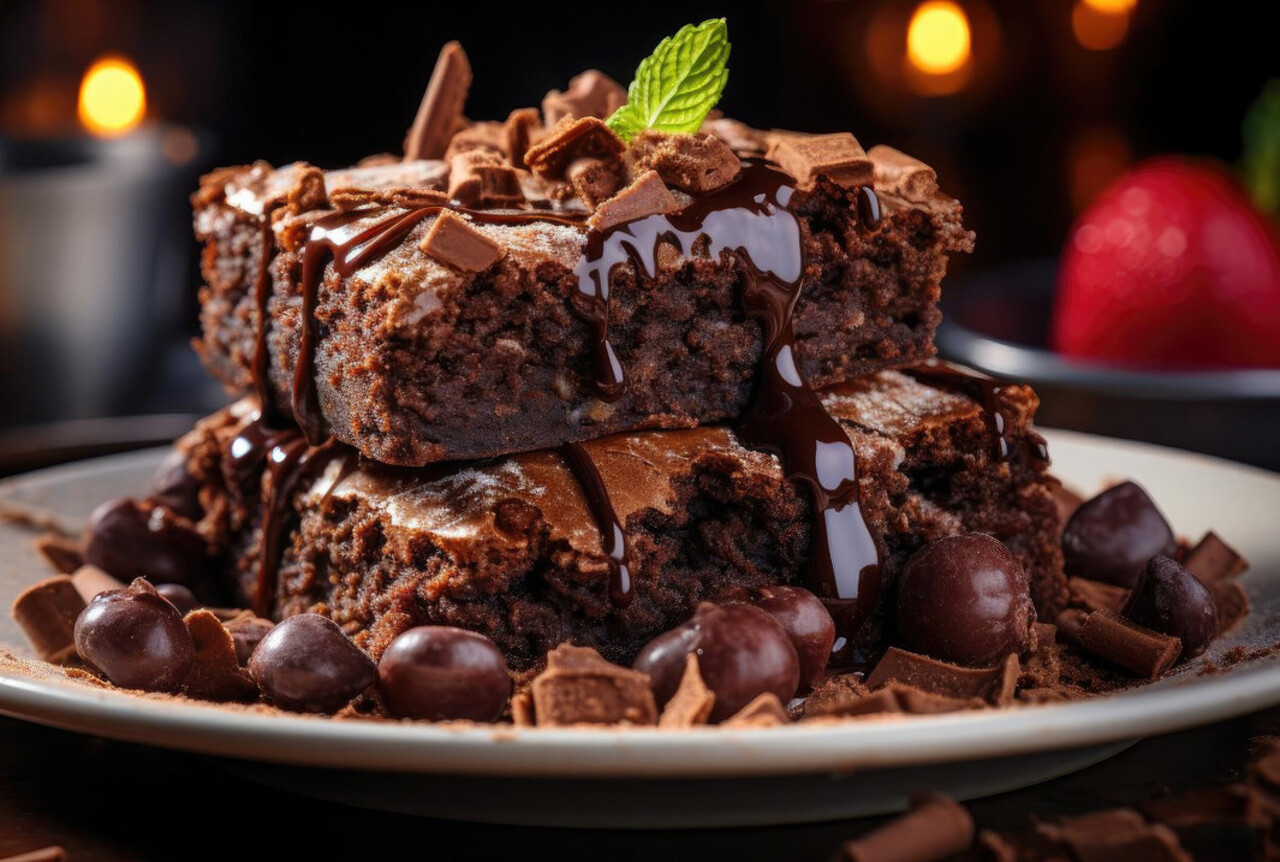
10 Grocery Items Seeing Record Shortages Heading Into 2026

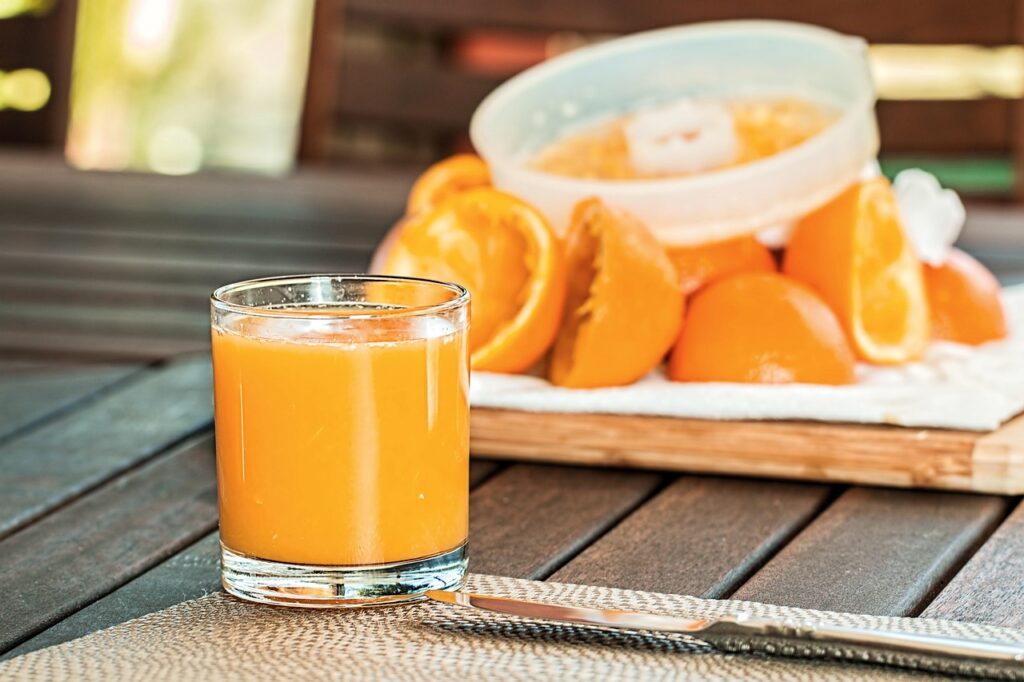
Grocery shelves have become quiet signals of bigger forces at work: harsher weather, trade fights, disease outbreaks, and aging infrastructure. Some staples are back to normal, but others keep slipping in and out of stock, with prices that jump faster than labels can be reprinted. Heading into 2026, a handful of categories sit on especially thin ice. Harvest forecasts, policy moves, and disease reports suggest that even small shocks could leave shoppers staring at empty slots where everyday favorites used to be.
Chocolate And Cocoa Products
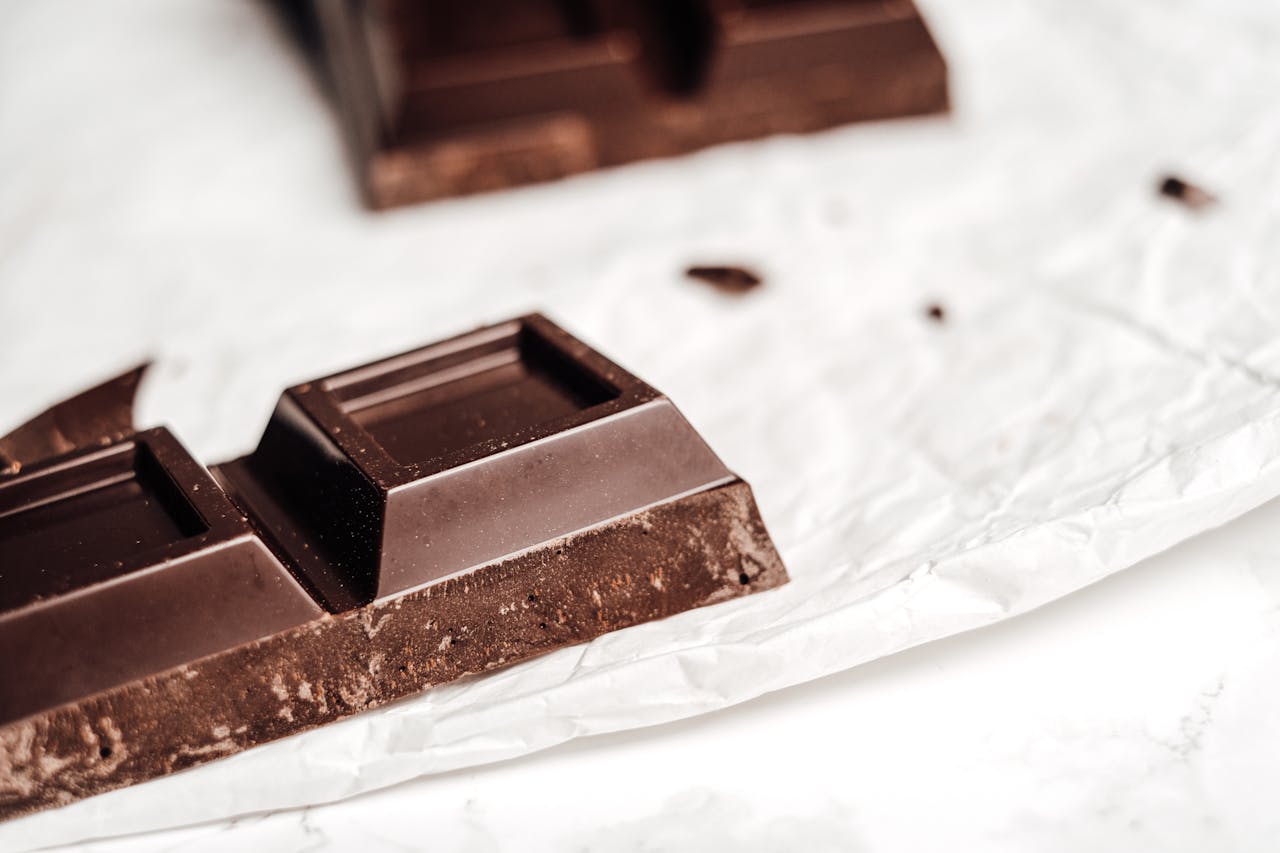
Chocolate has been living through a historic squeeze. Years of weak harvests, disease, and aging cocoa trees in West Africa have reduced supply and driven prices higher. Even though costs have cooled a little from their peak, processors are still paying much more for beans. That pressure trickles down to shoppers through higher price tags, smaller bars, and trimmed cocoa content to make inventory stretch further. It has turned a familiar comfort food into a product that now vanishes faster and comes back in smaller waves.
Coffee Beans And Ground Coffee
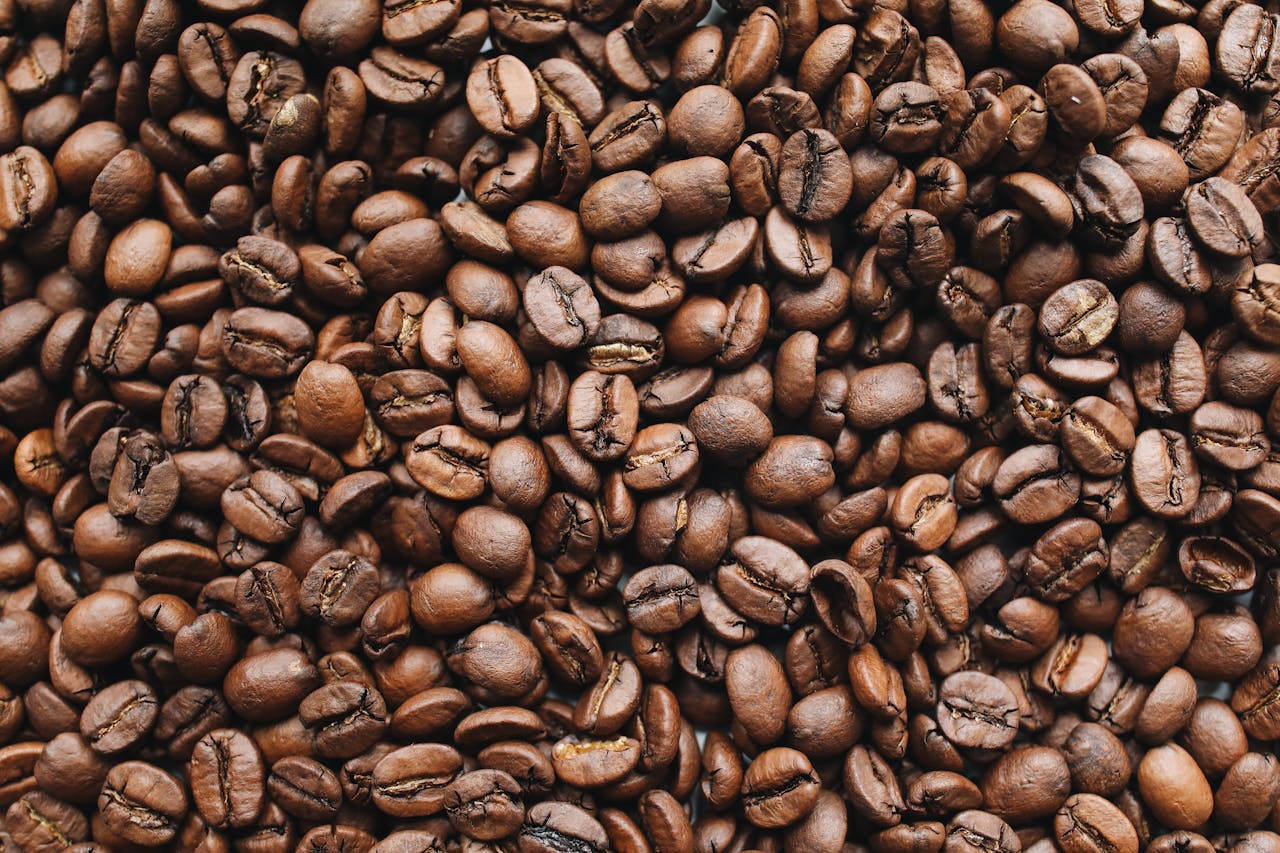
Coffee sits on a narrow climate margin and that margin is shrinking. Heat waves, irregular rainfall, and rising disease pressure continue to reshape key growing regions. Farmers have been forced to replant in higher terrain or abandon certain crops altogether, keeping supply tight while global demand grows. As roasters shift blends or limit certain origins, supermarket shelves become inconsistent. Popular beans, labels, and formats come and go, creating long gaps and fewer reliable choices for everyday shoppers.
Olive Oil And Extra-Virgin Bottles
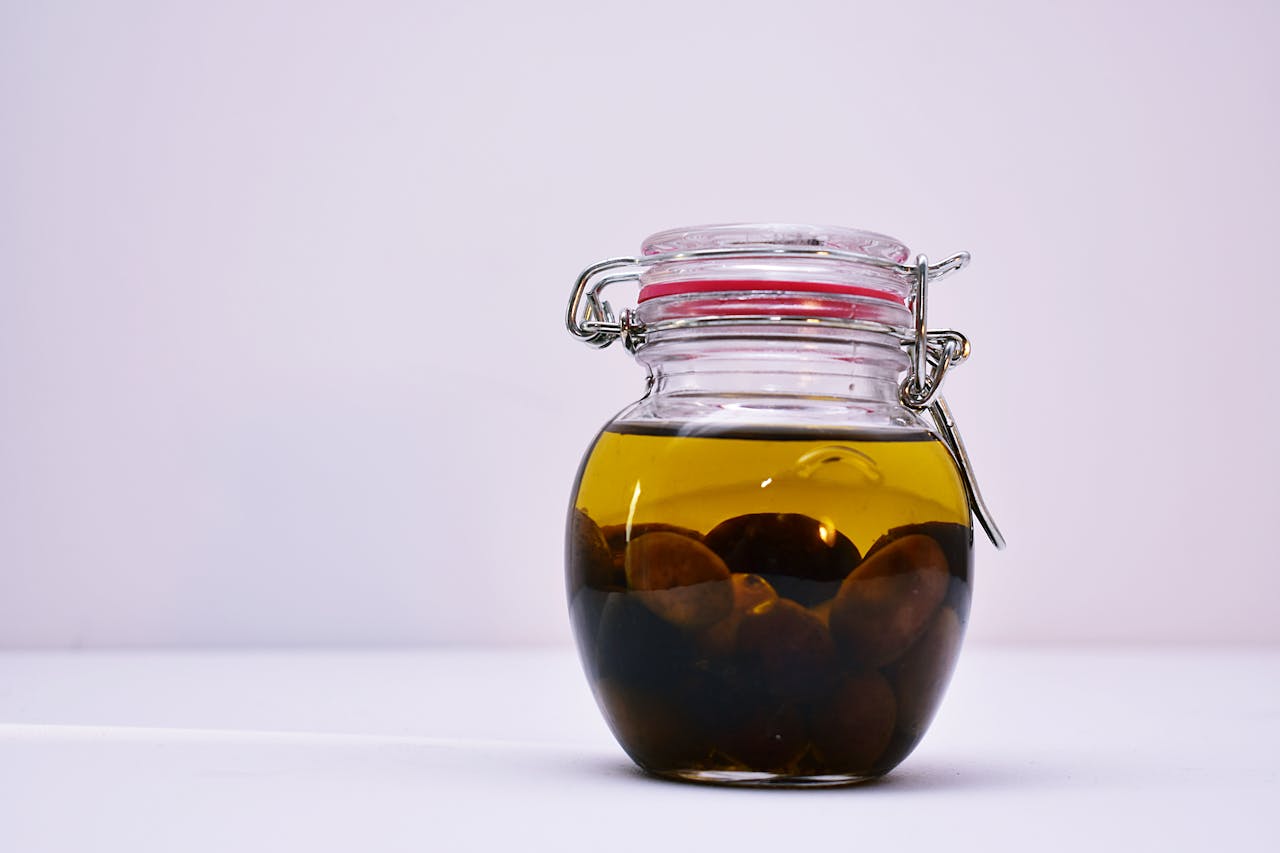
Olive oil has been through a difficult stretch of drought and heat in major Mediterranean growing areas. Production improved for a short period, but forecasts still point to unstable yields and possible setbacks. Even a small reduction in harvests can push prices upward and create sudden shortages. Retailers hedge by limiting supply, reducing discounts, or filling shelves with blended or private label oils instead of premium single origin bottles. That instability keeps this everyday staple from fully recovering.
Orange Juice And Citrus Concentrates

Orange juice has been struggling with a long crisis driven by disease, storms, and weaker crops in both Florida and Brazil. Replacing damaged citrus groves takes years, so even when futures fall, the physical supply chain remains fragile. Processing plants and bottlers rely heavily on concentrated juice stocks, and those reserves are unusually thin. When one harvest underperforms, shortages ripple through retailers quickly. The first to disappear are usually premium not from concentrate cartons that rely on the highest quality fruit.
Organic Sugar And Specialty Sweeteners
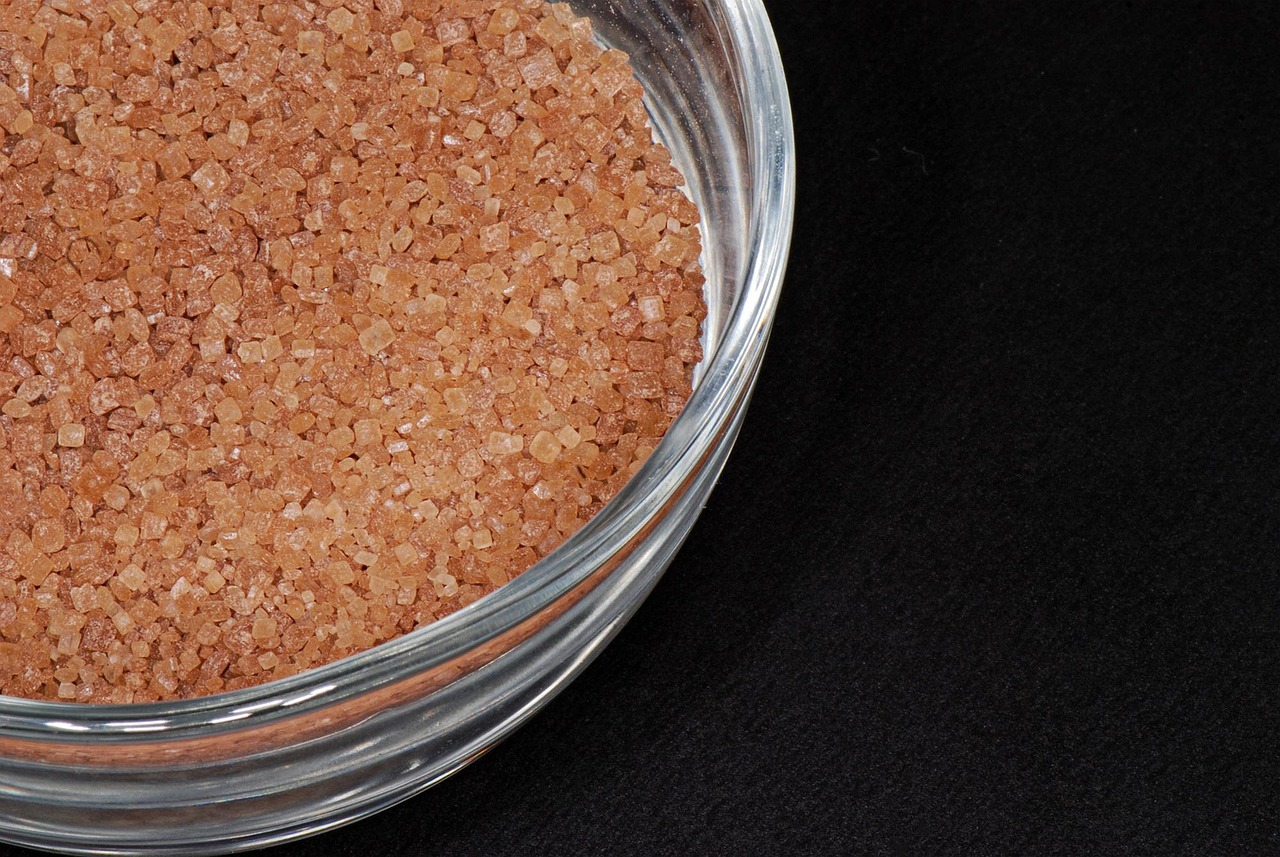
Organic sugar has become noticeably harder to secure. The United States depends heavily on imports, and new trade restrictions and tariffs have made those imports more expensive and less consistent. Domestic production is too small to cover the gap, so manufacturers are choosing between raising prices, shrinking lines, or switching to conventional sugar. Those choices end up visible on shelves, where natural and specialty products sometimes disappear or return with reformulated recipes that lack organic certification.
Sunflower Oil And Seed Based Cooking Oils

Sunflower oil remains vulnerable to weather and geopolitical pressure. Major exporters continue to deal with drought, shifting trade agreements, and transport uncertainty. When buyers rush to secure supply from alternative regions, bottling plants adjust blends or switch to cheaper oils. That leaves shelves with unfamiliar labels, empty spots, or rapid price swings. Even when supply improves temporarily, the category remains unstable because so much of the world depends on a small group of producers.
Shell Eggs And Egg Based Products
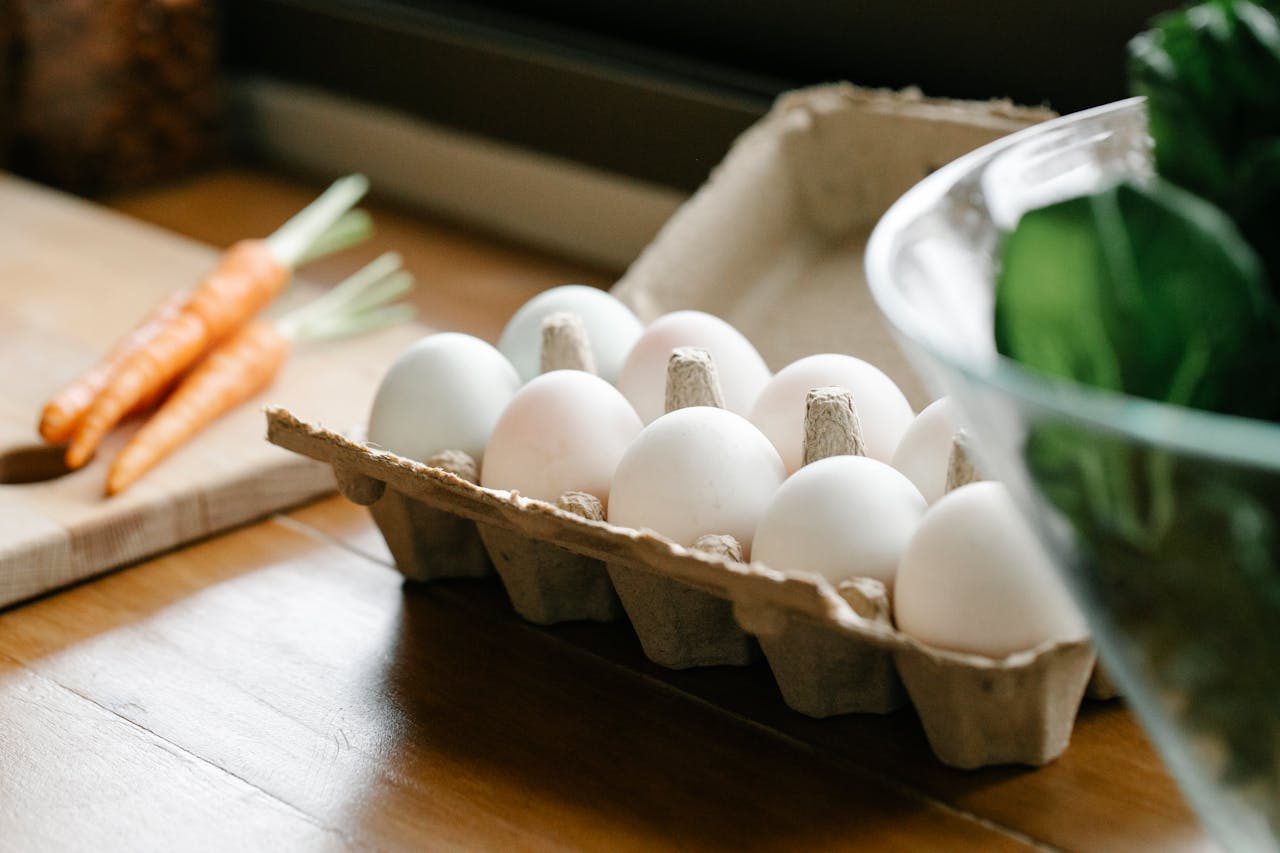
Eggs have become one of the most sensitive categories in grocery supply. Waves of avian flu outbreaks keep returning, forcing farms to cull millions of birds at a time. Recovery is slow because rebuilding flocks takes months. Prices fall after outbreaks subside, but the system stays exposed to the next flare up. That cycle leads to sudden gaps in refrigerated cases, higher prices for both eggs and egg based ingredients, and unpredictable supply for bakeries, food service, and packaged foods.
Beef Cuts And Ground Beef
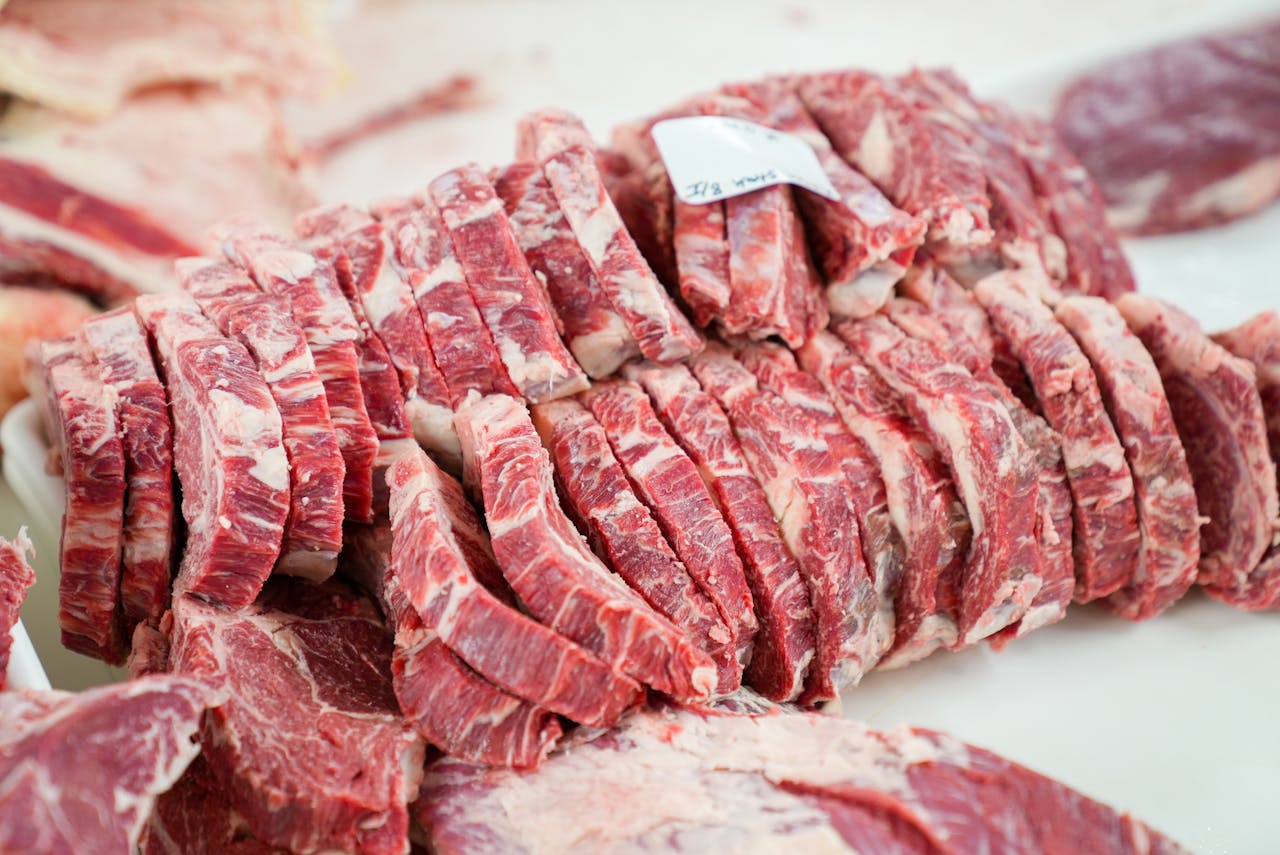
Beef is entering 2026 with tight supply as ranchers continue to rebuild herds that were reduced during years of drought. Processing plants are also downsizing capacity because there simply are not enough cattle to sustain previous volumes. Those changes limit the variety of cuts on shelves and push prices higher across the board. Shoppers see fewer sales, skimpier assortments, and a growing shift toward poultry and alternative proteins. Even small disruptions can ripple through the system very quickly.
Rice And Other Staple Grains
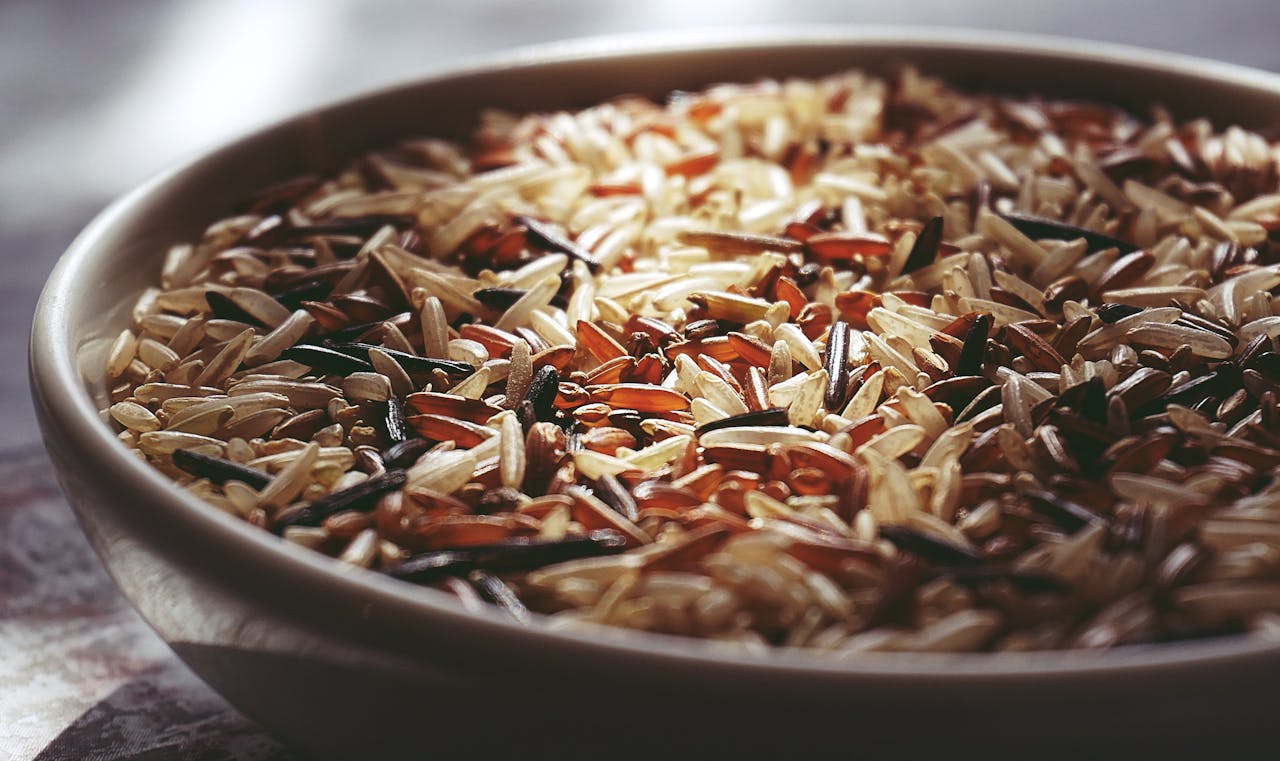
Rice shows how quickly a single policy change can reshape global supply. When major exporters tighten shipments or impose restrictions, global prices jump and import dependent countries scramble to secure alternatives. That pressure continues to affect retailers who rely on steady deliveries of specific varieties, grain lengths, and formats. The result is uneven availability, sudden gaps in certain brands, and a growing reliance on private label or imported options to fill the shelves.
Canned Tuna And Shelf Stable Seafood
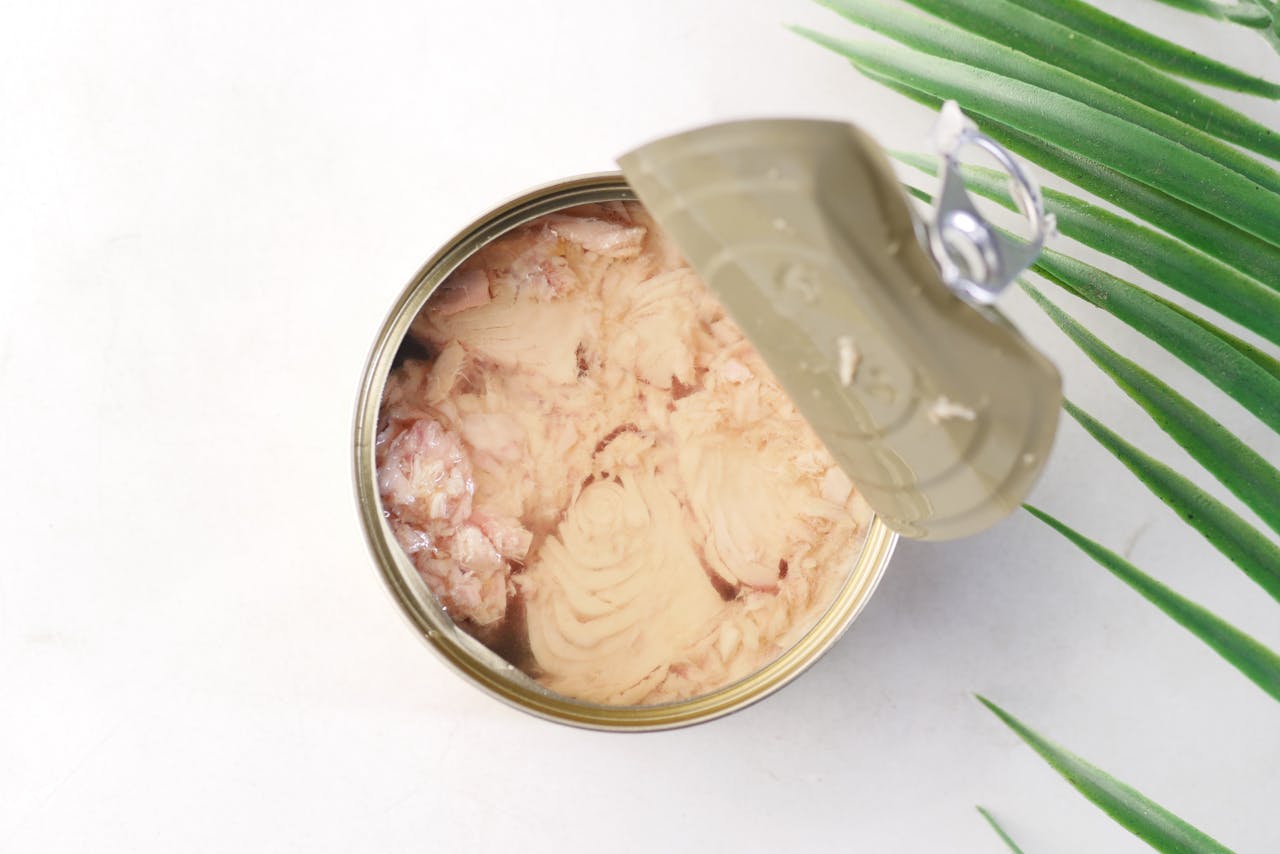
Canned seafood has become harder to predict because supply chains are going through rapid change. Fishing quotas, sustainability rules, and labor compliance requirements are stricter than ever. Retailers sometimes shift suppliers on short notice, which slows deliveries and leaves inventories thin. When a major processor or brand adjusts sourcing or changes facilities, supermarkets feel it immediately. Everyday items like tuna, sardines, and mackerel can disappear far more easily than most shoppers expect.
Frozen Meals And Ready To Heat Foods
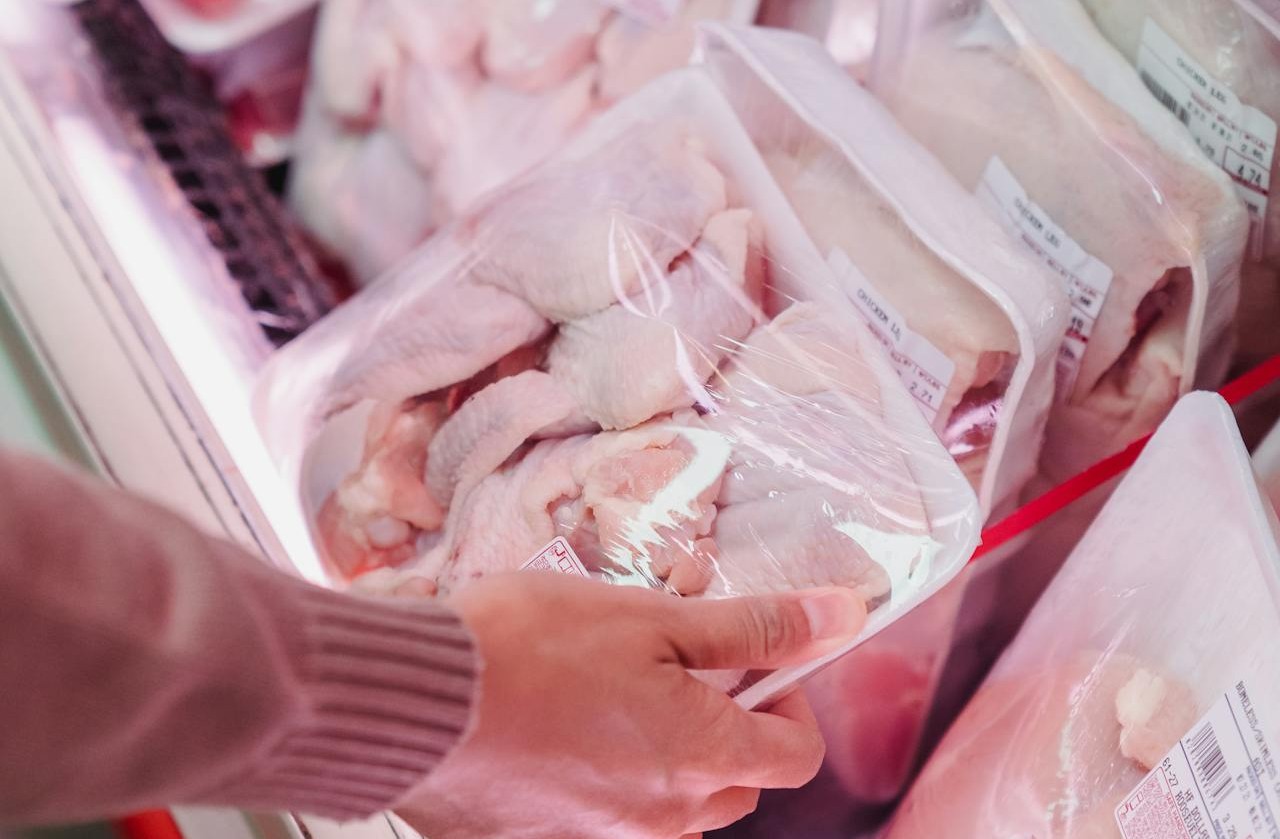
Frozen meals depend on a long list of ingredients and specialized logistics, so any disruption slows production. The category has grown quickly but not evenly. Shortages of meat, vegetables, packaging, and labor have caused popular dishes to sell out faster than plants can replenish them. Some brands quietly scale back flavors or pause certain lines to concentrate on best sellers. Those decisions show up in the freezer aisle as blank spaces, smaller assortments, and more private label options.