15 Mediterranean Dinners Big on Flavor and Light on Guilt


Mediterranean cooking has long been celebrated for delivering bold, satisfying flavor without relying on heavy sauces, excess fat, or complicated techniques. At the heart of this style of eating is a focus on whole ingredients, thoughtful preparation, and balance on the plate. Olive oil is used to enhance rather than overwhelm; herbs and citrus replace excess salt, and proteins are paired with vegetables instead of buried beneath them. These dinners are designed to leave you comfortably full, not weighed down, which is why they translate to everyday life. Each meal in this collection leans on Mediterranean principles that support lighter eating while still feeling generous and complete.
1. Grilled Lemon Herb Chicken
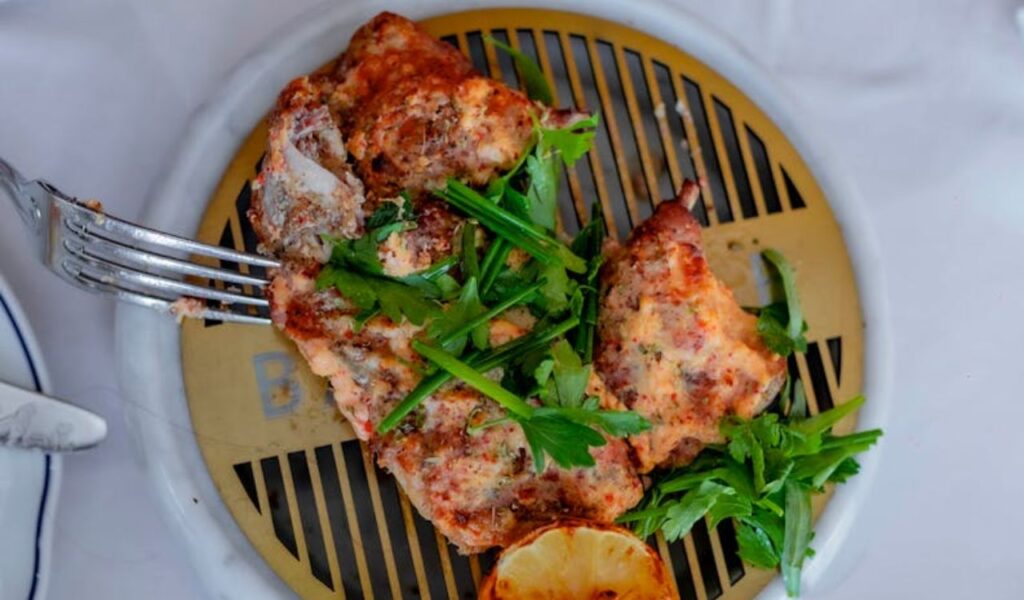
Grilled lemon herb chicken proves that bold flavor does not require heavy sauces or long cooking times. The combination of lemon juice, garlic, and fresh herbs tenderizes the meat while adding brightness that keeps the dish feeling light. Olive oil helps carry flavor and prevents the chicken from drying out on the grill, but it is used sparingly, which keeps fat content balanced. Grilling allows excess moisture and fat to drip away while locking in juiciness through quick, high heat. Chicken breast or thigh both work well, offering lean protein that supports fullness without heaviness. Herbs like oregano, thyme, or rosemary add depth without salt overload.
2. Baked Mediterranean Fish
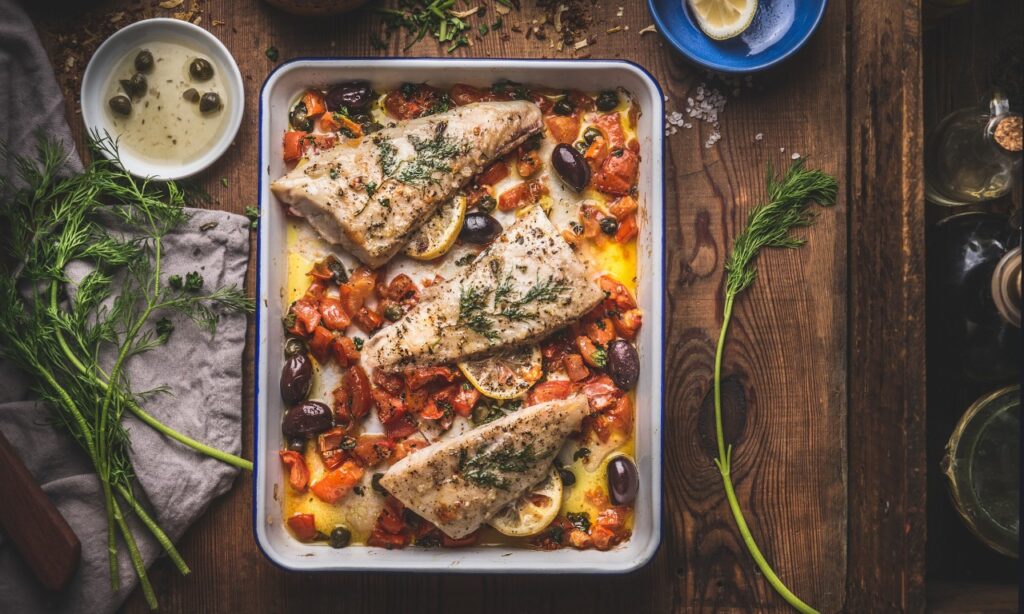
Baked Mediterranean fish relies on gentle heat and smart layering to deliver flavor without excess calories. White fish such as cod or haddock cooks quickly and absorbs surrounding flavors easily. Tomatoes release natural juices as they bake, creating moisture that keeps the fish tender. Olives add salinity and richness in small amounts, reducing the need for butter or cream. Olive oil is used for balance rather than heaviness, helping flavors meld while keeping the dish light. Baking preserves delicate texture and prevents overcooking when timed properly. Fish provides high-quality protein and healthy fats, supporting satiety without weighing you down.
3. Chickpea and Cucumber Salad
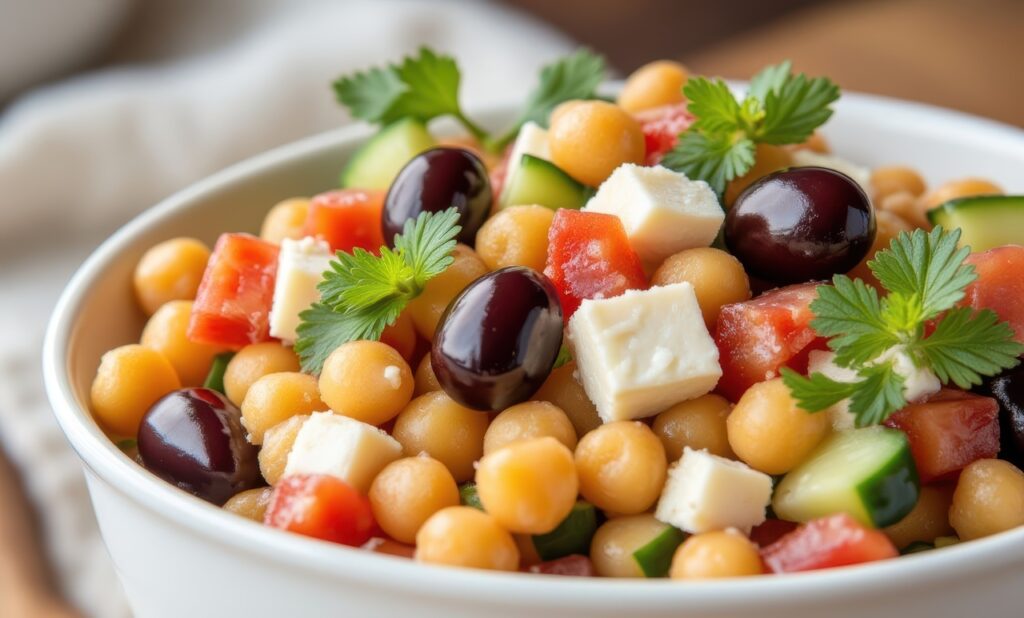
Chickpea and cucumber salad works because it balances density with freshness. Chickpeas bring protein and fiber that slow digestion and keep hunger steady. Cucumbers add crunch and water content, which lightens the overall feel of the dish. Olive oil coats ingredients lightly, helping flavors blend without turning the salad heavy. Lemon or vinegar adds acidity that sharpens flavor and reduces the need for salt. Herbs like parsley or dill add aroma and freshness. Because it requires no cooking, nutrients remain intact and textures stay crisp. The salad holds well over time, making it ideal for dinner on warm evenings when lighter meals feel best but fullness still matters.
4. Stuffed Eggplant
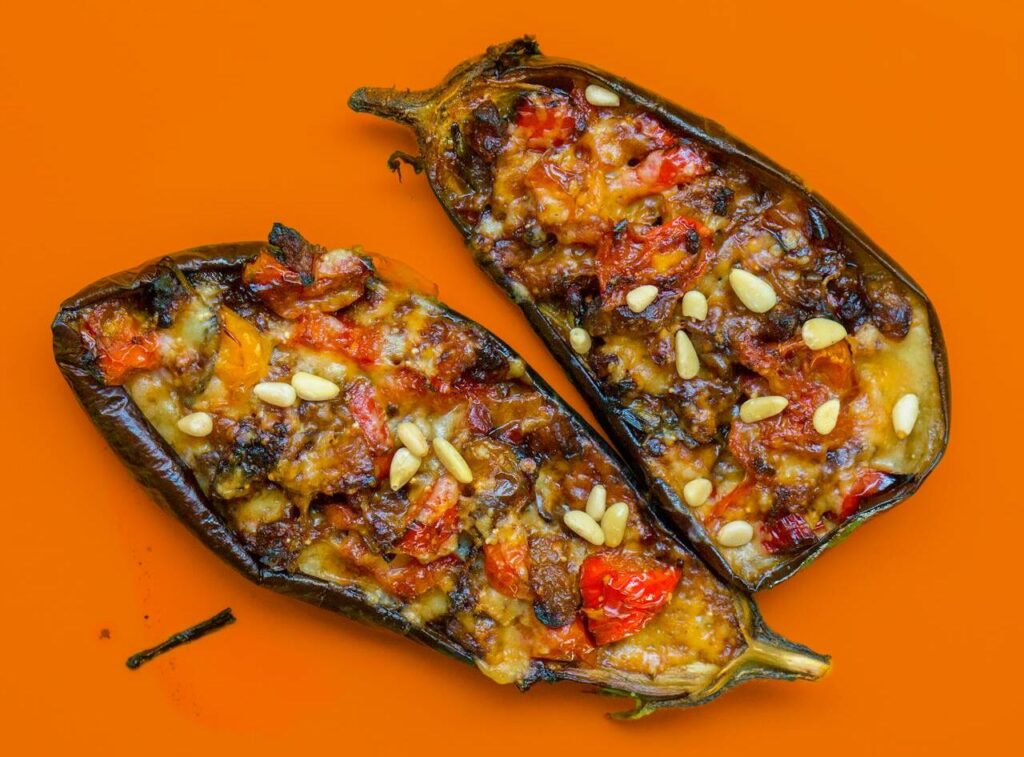
Stuffed eggplant feels indulgent while remaining nutritionally balanced. Eggplant absorbs flavor readily and becomes tender when baked, creating a rich mouthfeel without relying on fat. Fillings often include tomatoes, herbs, and grains or legumes, which add fiber and protein. Baking concentrates flavors and removes excess moisture, keeping the dish structured and satisfying. A small amount of cheese can be used for richness without overwhelming the vegetables. Eggplant’s natural ability to hold fillings makes each portion feel complete. This dish delivers warmth, texture, and depth while staying aligned with Mediterranean principles of balance and moderation.
5. Shrimp with Garlic and Olive Oil

Shrimp cook quickly and absorb flavor almost instantly, which makes them ideal for light yet satisfying dinners. Garlic infuses the oil, spreading aroma and depth without heavy seasoning. Olive oil adds richness, but shrimp require only a small amount due to their natural sweetness. High heat seals in moisture, keeping shrimp tender rather than rubbery. Shrimp are high in protein and low in calories, supporting fullness without heaviness. This dish pairs naturally with vegetables or whole grains. Its speed and simplicity make it flavorful without feeling indulgent. Because shrimp cook in minutes, timing is easy to control, reducing the risk of overcooking and preserving texture.
6. Mediterranean Lentil Stew
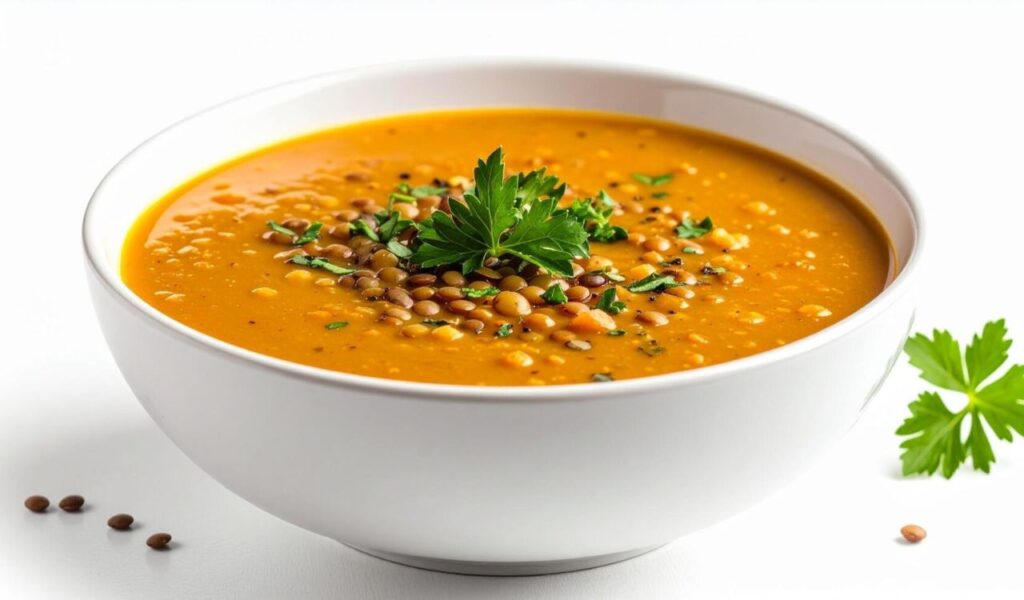
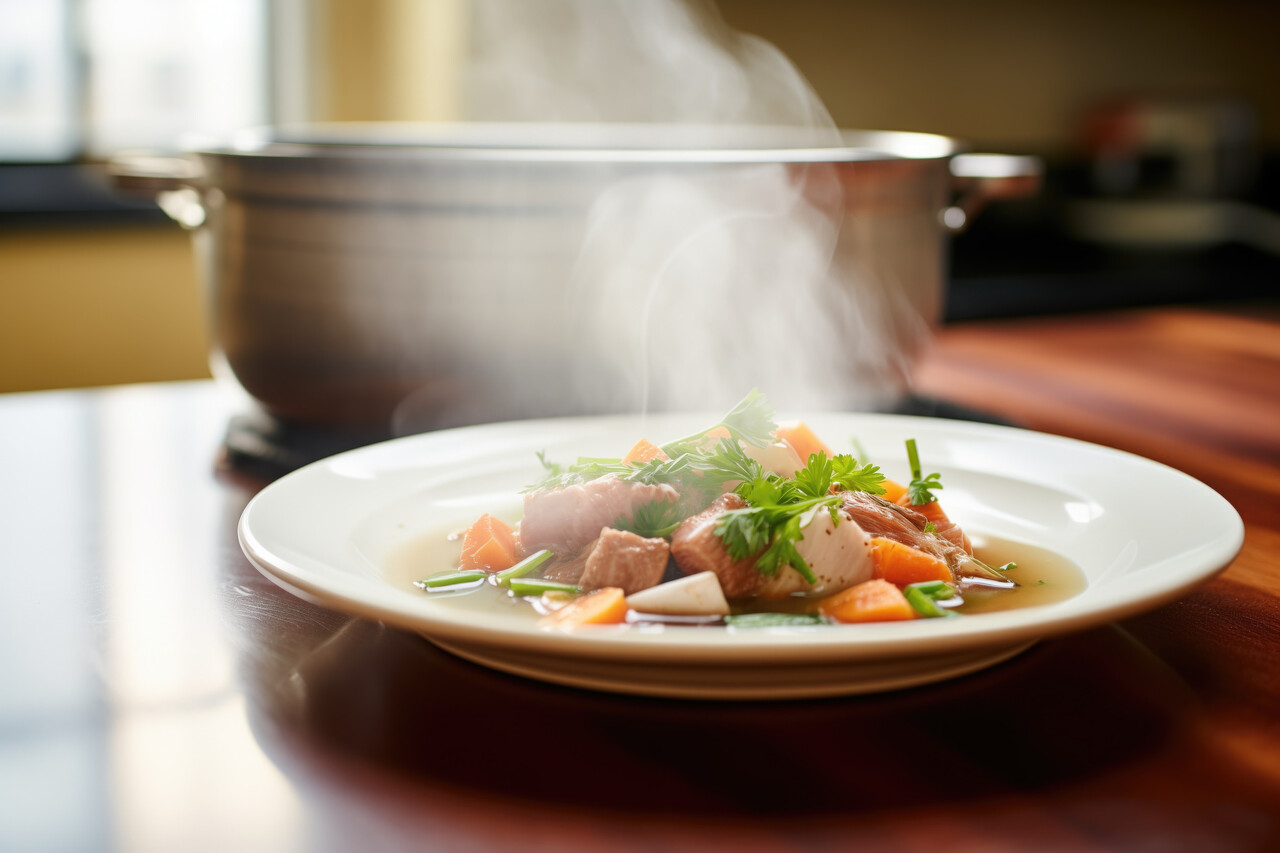
Mediterranean lentil stew delivers comfort through substance rather than fat. Lentils provide plant-based protein and fiber, which thicken the stew naturally and support lasting fullness. Vegetables such as onions, carrots, and tomatoes release flavor slowly, creating depth without added oils. Herbs and spices add warmth without overpowering the dish. Olive oil is used sparingly, enhancing mouthfeel while keeping the stew light. Lentils digest slowly, stabilizing energy levels. This stew feels hearty and grounding, yet it aligns with lighter eating by relying on whole ingredients rather than rich bases.
7. Greek Chicken Skewers
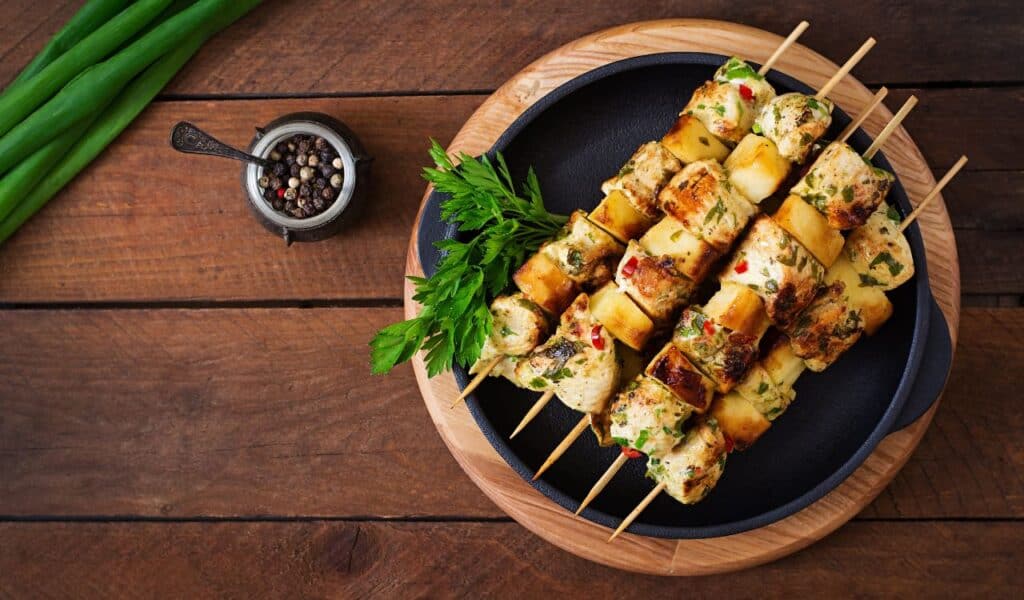
Greek chicken skewers succeed because marination does most of the work. Yogurt tenderizes the chicken while adding subtle tang without heaviness. Lemon and garlic enhance flavor while helping keep the meat moist during grilling. Skewering promotes even cooking and faster heat exposure, reducing dryness. Grilling minimizes added fats while developing savory char. Chicken provides lean protein, making the dish filling without excess calories. These skewers pair well with vegetables or salads, keeping the overall meal light and balanced. The yogurt marinade also creates a protective coating that reduces moisture loss during high-heat cooking.
8. Tomato and Zucchini Pasta
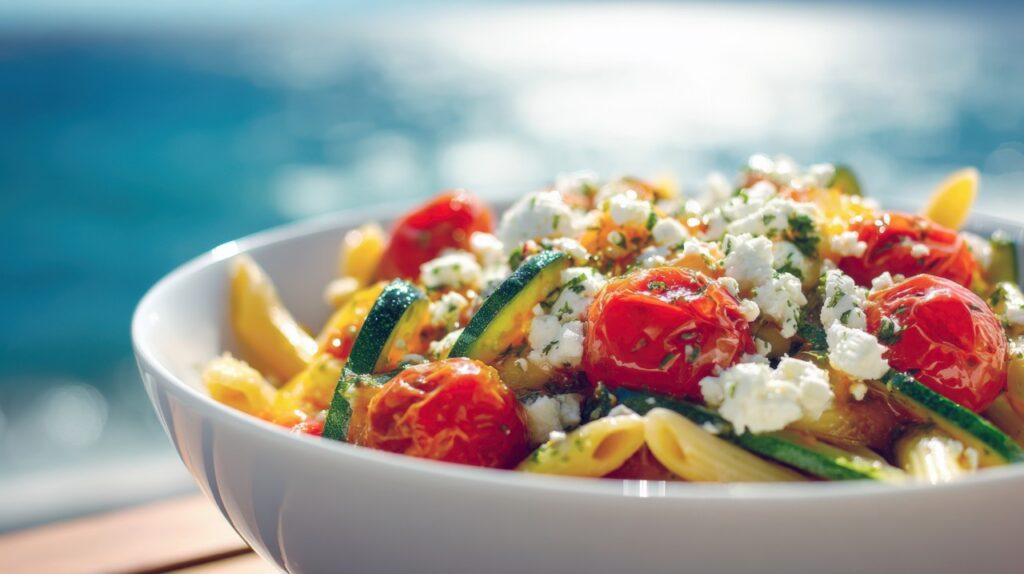
This pasta dish stays light by focusing on vegetables rather than heavy sauces. Tomatoes provide acidity and moisture, which help coat pasta without cream. Zucchini adds bulk and texture while remaining low in calories. Olive oil binds flavors and adds richness without overwhelming the dish. Pasta provides energy, but vegetables reduce overall density. Proper portioning keeps the meal satisfying without excess. This dish delivers comfort through familiarity while maintaining balance through fresh ingredients. Zucchini releases water as it cooks, helping create a light sauce that clings naturally to pasta. Tomatoes also boost lycopene content when heated, increasing nutritional value.
9. Baked Falafel Patties
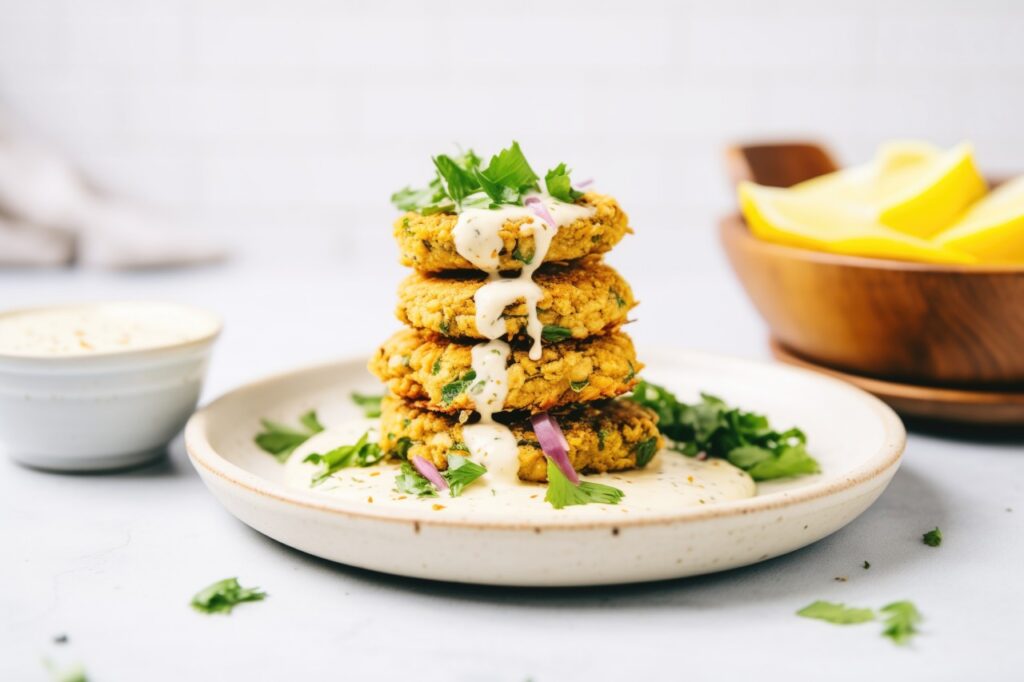
Baked falafel patties retain flavor while avoiding excess oil. Chickpeas provide protein and fiber, creating fullness without heaviness. Baking firms the exterior while keeping the inside tender. Herbs and spices add complexity without requiring sauces. Compared to frying, baking reduces fat while preserving texture. Falafel pairs well with vegetables and yogurt-based sauces, keeping the meal balanced. This dish feels indulgent but remains aligned with lighter eating principles. Baking also allows the patties to hold their shape more consistently, making portion control easier. Chickpeas contribute slow-digesting carbohydrates that help maintain energy levels.
10. Mediterranean Stuffed Peppers
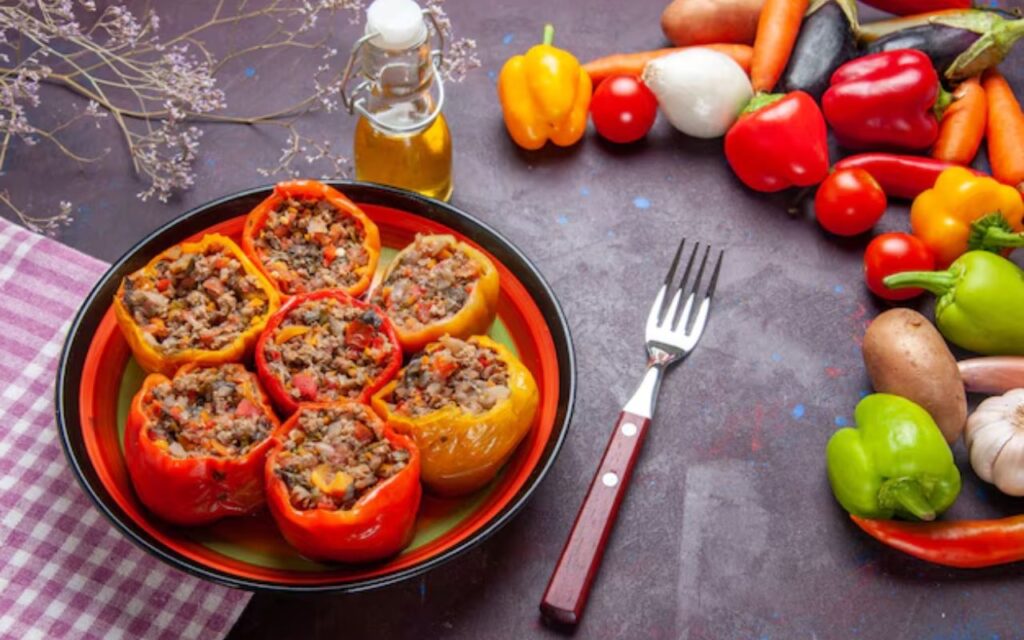
Stuffed peppers work because they combine structure and balance. Peppers soften during baking while maintaining shape, making them easy to portion. Fillings often include grains, legumes, and vegetables, delivering fiber and protein. The natural sweetness of peppers balances savory ingredients. Baking concentrates flavor without added fat. Each pepper functions as a complete serving, which helps with portion control. This dish feels filling without excess heaviness. The hollow shape of peppers allows fillings to heat evenly and stay moist. Their high vitamin C content supports nutrient density without added calories.
11. Spinach and Feta Frittata

A spinach and feta frittata provides protein and volume without relying on heavy ingredients. Eggs offer structure and satiety, while spinach adds nutrients and bulk. Feta contributes saltiness and richness, allowing smaller amounts to go further. Baking evenly cooks the eggs, preventing greasiness. This dish works hot or cold, making it flexible and satisfying. It feels indulgent but remains nutritionally balanced. Spinach reduces overall calorie density while increasing iron and folate content. Frittatas hold their structure well, which makes slicing and storage simple. This versatility allows the dish to function equally well as dinner or next-day lunch.
12. Grilled Halloumi with Vegetables

Halloumi delivers bold flavor in controlled portions. Its firm texture allows grilling without melting, reducing the need for breading or frying. Grilling develops savory notes while keeping fat usage low. Paired with vegetables, the dish balances richness with freshness. Halloumi is filling in small amounts, making moderation easy. This meal feels indulgent without excess. The cheese’s natural saltiness means additional seasoning is rarely needed. Grilling creates a crisp exterior that contrasts with a tender interior. Served with vegetables, it becomes a complete meal rather than a heavy centerpiece.
13. Seafood Tomato Stew
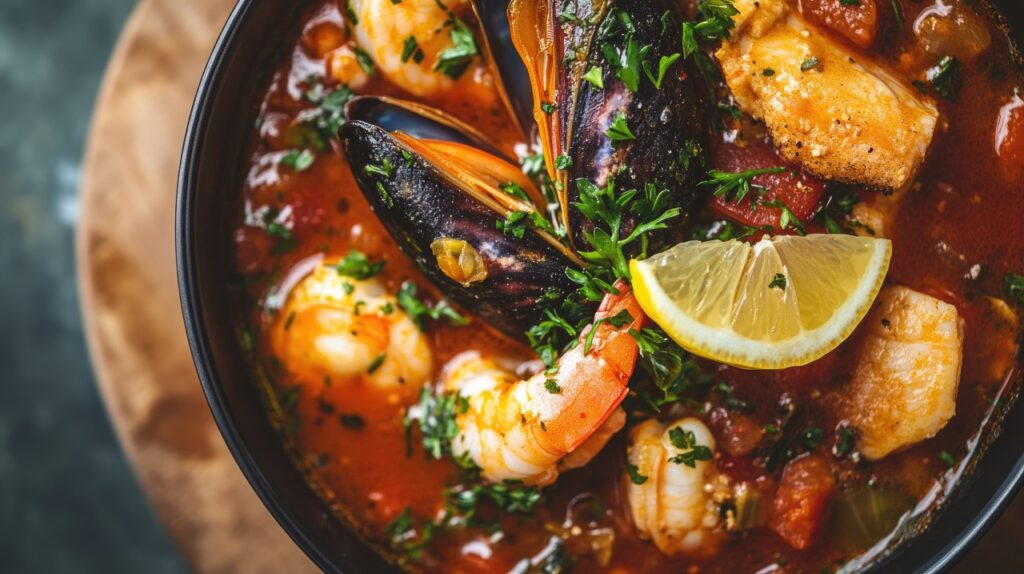
Seafood tomato stew relies on broth rather than cream for richness. Tomatoes provide acidity and depth, while seafood adds protein and natural flavor. Gentle simmering preserves texture and moisture. Olive oil is used sparingly to round out flavors. The broth feels satisfying without heaviness. This dish delivers warmth and fullness while remaining light and digestible. Tomatoes help tender seafood while preventing it from tasting flat. The stew benefits from short cooking times, which reduce nutrient loss. Its broth-based structure makes it comforting without lingering heaviness. Served with crusty bread or grains, it becomes a complete meal without sacrificing its light balance.
14. Lemon Garlic Roasted Vegetables
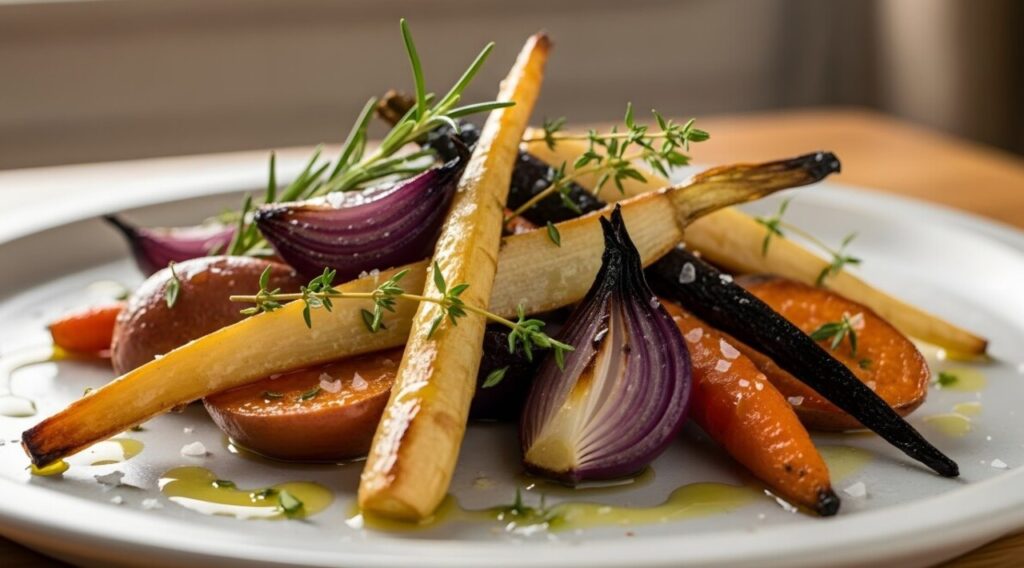
Roasting vegetables intensifies flavor through caramelization. Lemon adds brightness that balances natural sweetness. Olive oil supports browning without excess fat. Vegetables retain structure, making the dish hearty enough to stand alone. High heat enhances flavor without sauces. This dish feels indulgent while remaining simple and clean. Roasting also reduces moisture, concentrating flavor naturally. Lemon zest adds aroma without increasing acidity. The vegetables can serve as a main or anchor for lighter proteins. Different vegetables roast at different speeds, so cutting them evenly ensures a consistent texture.
15. Herbed Yogurt Chicken
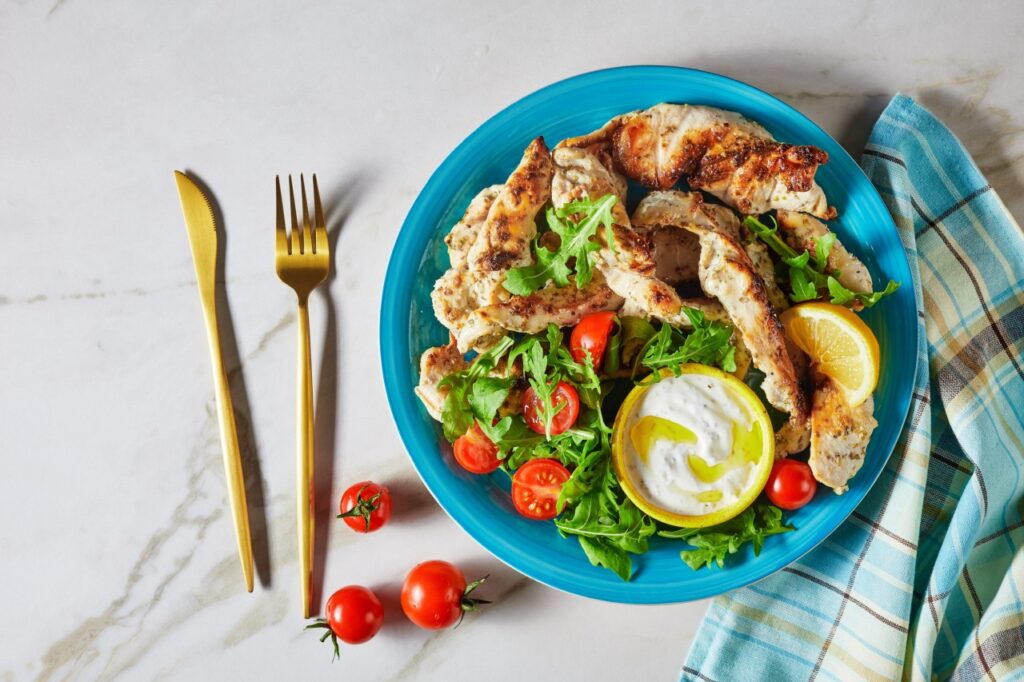
Yogurt-based cooking delivers creaminess without heaviness. Yogurt tenderizes chicken and creates a sauce that clings lightly. Herbs add aroma and depth without salt overload. Gentle cooking prevents separation, keeping the texture smooth. Chicken remains juicy and satisfying. This dish feels rich but aligns with lighter eating through smart ingredient choices. Yogurt’s acidity helps break down proteins, improving tenderness over time. Herbs like dill or parsley keep flavors fresh rather than heavy. The sauce stays stable when reheated, making leftovers just as enjoyable. Using full-fat yogurt improves texture while still keeping the dish balanced.