8 Signs Your Freezer Is Not Working Right and Simple Fixes

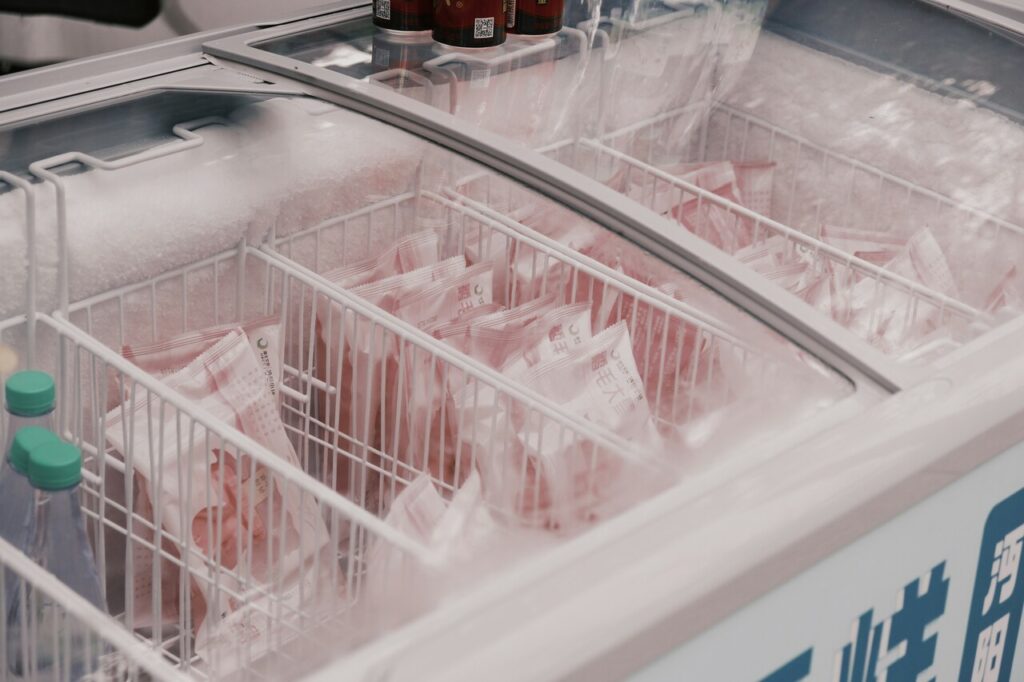
A freezer that is not working properly often gives subtle warnings before a complete breakdown occurs. Changes in temperature, noise, frost patterns, or moisture can signal airflow issues, sealing problems, or failing components. Ignoring these signs can lead to spoiled food, higher energy use, and costly repairs. Understanding what these warning signals mean makes it easier to apply simple fixes early. These common freezer problems and solutions help keep food safe, extend appliance life, and prevent avoidable damage.
1. Freezer Is Not Freezing Enough

A clear sign your freezer is failing is when food feels only cold instead of truly frozen. This often comes down to blocked airflow inside the compartment or an overloaded interior that prevents cold air from circulating effectively. Proper airflow is critical because the evaporator fan needs space to distribute cold air evenly. To fix it, remove excess items, avoid overpacking shelves, and allow space around the vents so cold air can reach all corners of the freezer. Regularly reorganizing and not stuffing the freezer full helps maintain the correct freezing temperature. Clear out and reorganize contents to ensure unobstructed airflow.
2. Frost Buildup or Ice Accumulation
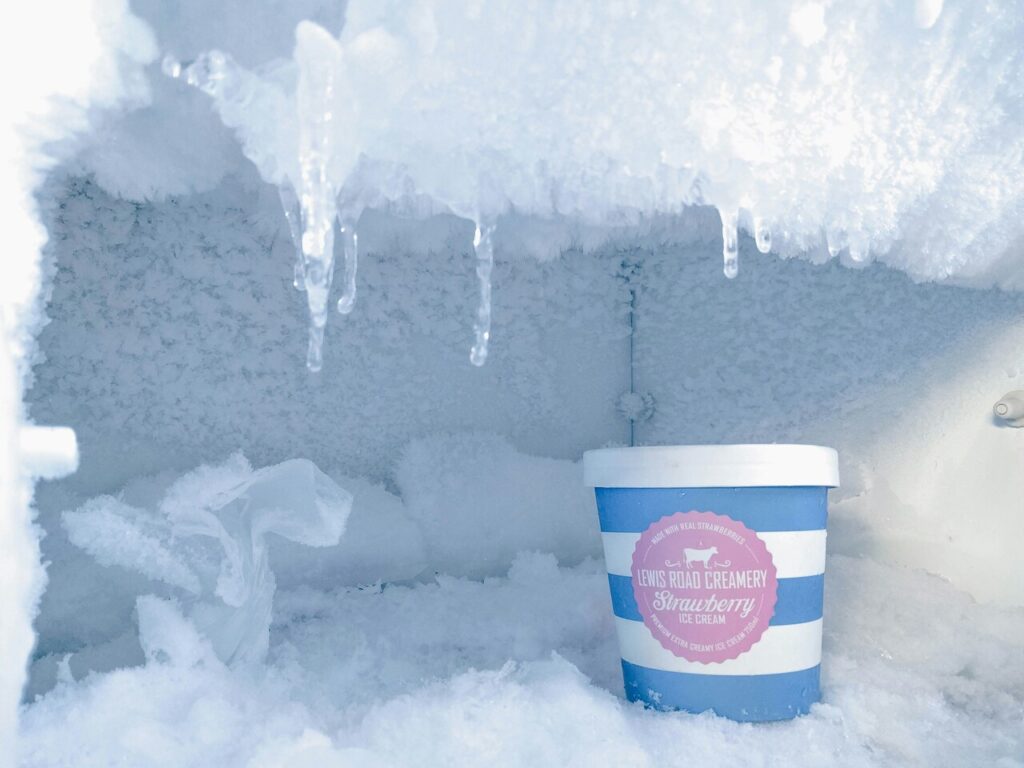
Excessive frost on the walls or shelves is more than an annoyance; it can indicate poor sealing or moisture entering the freezer. Frost buildup reduces efficiency because the thick layers block air vents and make it harder to reach the correct temperature. Older freezers without auto-defrost can accumulate frost simply through regular use. Defrosting manually by unplugging the freezer and letting the ice melt is a common solution. Inspect the door gasket or consider adjusting how often you open the freezer, since warm air entering can increase moisture and frost build-up. Defrost the freezer regularly and check seals to keep frost at bay.
3. Freezer Makes Strange or Loud Noises
Freezers do make humming and occasional sounds during normal cycles, but unusual noises like loud buzzing, clicking, or rattling often signal internal issues. These sounds can come from a faulty evaporator fan, a compressor struggling to start, or even dirty condenser coils forcing the unit to work harder. A buzzing that gets louder or becomes persistent suggests the freezer is struggling to maintain temperature and may overheat components. Before calling for service, make sure the freezer is level and not placed on an uneven surface, which can amplify vibration sounds. Clean condenser coils and ensure the unit is level.
4. Freezer Runs Constantly Without Cycling Off
A freezer that never seems to stop running can indicate air escaping or leak points around the door gasket. If cold air escapes through gaps, the freezer must run longer. This constant cycling increases energy use and wears components faster. Dirty condenser coils can also force the freezer to run longer. Cleaning the coils a few times a year can reduce strain on the system and restore normal cycling. A simple door gasket test using a dollar bill can help identify poor sealing: close the door with the bill partially inside and try pulling it out. Clean and inspect door seals and replace worn gaskets to prevent cold air loss.
5. Freezer Is Leaking or Water Pools Inside

Water pooling at the bottom of a freezer usually points to issues with the defrost drain. A clogged or frozen drain prevents melted water from flowing out to the drain pan, leading to interior leaks and messy ice buildup. You might also see water if frost melts and refreezes due to unstable temperature cycles. Try carefully thawing the drain channel using warm water and a turkey baster to clear debris. If the problem repeats often, it could mean a more serious defrost system issue needing professional help. It can be cleared by checking for frozen or clogged drains and maintaining proper temperature settings.
6. Compressor Won’t Run
The freezer’s compressor is its heart. If it doesn’t run or starts but fails to cool, then the food won’t freeze properly. Often, this signals a malfunctioning start relay or compressor component, which controls the movement of refrigerant and cold air production. Power fluctuations or faulty capacitors can prevent the compressor from starting consistently. Repeated failed starts can worsen damage over time, making early diagnosis especially important. You may hear clicking or no hum at all where you expect compressor operation. Start by checking the start relay and wiring safely with power off, and call a technician if the compressor is silent.
7. Temperature Is Incorrect, Even with the Correct Setting
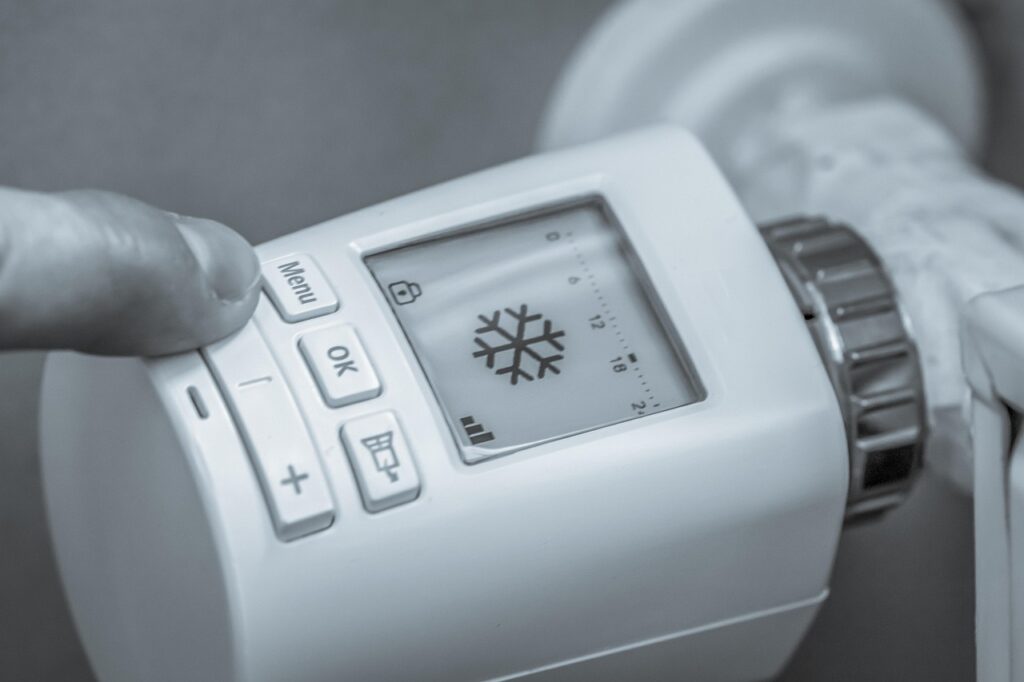
Sometimes the freezer looks like it’s working display lights on, fan running, but the internal temperature never reaches optimal freezing levels (typically around 0°F or -18°C). This can be due to misset thermostats, malfunctioning sensors, or dirty condenser coils that interfere with heat exchange. Even with correct numeric settings, poor component performance means the actual temperature doesn’t match the dial. Cleaning coils, checking thermostat accuracy, or using an external thermometer can help diagnose the issue. Regularly clean coils and verify thermostat accuracy with a separate thermometer.
8. Food Develops Freezer Burn Very Quickly

Freezer burn, dry patches, and discoloration on frozen food don’t make food unsafe but signal that air is entering the storage space and moisture is escaping. This usually means the packaging isn’t airtight or the freezer’s internal environment is fluctuating. Air leaks or inconsistent temperatures speed dehydration and oxidation, leading to poor food quality even if freezing technically occurs. Improving packaging with vacuum sealing, tightening plastic wraps, or using freezer bags helps, as does maintaining a stable temperature and minimizing door openings. Use airtight packaging and keep internal conditions stable to reduce freezer burn.