12 Reasons Pumpkin Spice Has Ruined Fall Coffee for Everyone

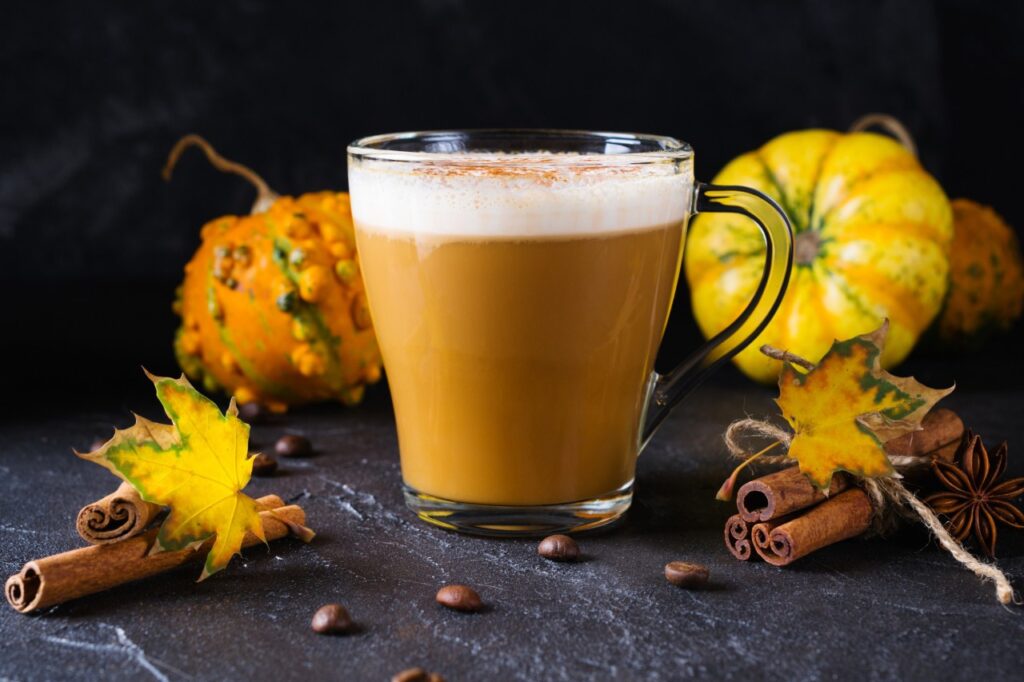
Few seasonal flavors have shaped modern coffee culture like pumpkin spice. The moment autumn approaches, menus transform. Cups turn orange, spice blends take center stage, and familiar drinks return with whipped cream and warm aromas.
For many people, it signals comfort and routine. Yet beneath the cinnamon and nutmeg lies a bigger shift in how coffee is presented, marketed, and even tasted. What began as a limited seasonal treat has grown into a defining symbol of fall itself.
This list explores how one popular flavor may have changed the way we experience autumn coffee, for better and for worse.
1. It Overpowers the Natural Flavor of Coffee
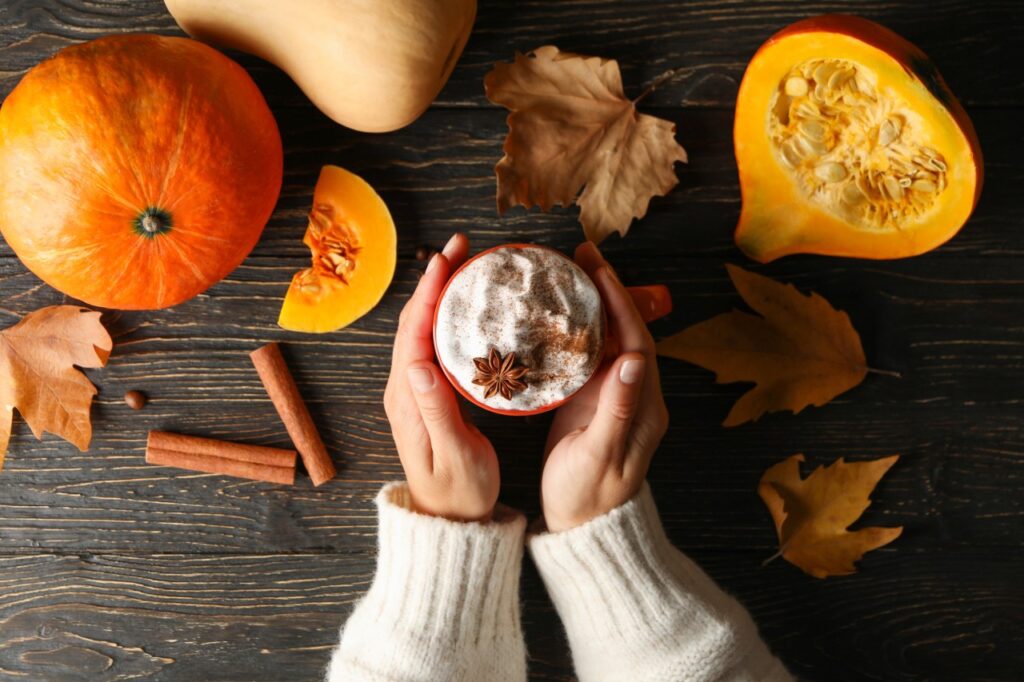
At its best, coffee carries a wide range of natural tasting notes shaped by origin, soil, altitude, and roast level. Beans from Ethiopia may hint at citrus or berries, while those from Latin America often show chocolate or nut tones. Skilled roasting preserves these subtleties rather than burying them.
Pumpkin spice blends rely heavily on cinnamon, nutmeg, clove, and ginger. These spices are bold and aromatic. When combined with sweet syrups and steamed milk, they quickly dominate the cup. The delicate character of the coffee becomes secondary.
Instead of tasting roast quality or bean complexity, the drink centers on spice and sweetness. For many coffee purists, that shift turns a nuanced beverage into a seasonal flavor vehicle.
2. It Relies More on Sugar Than Pumpkin
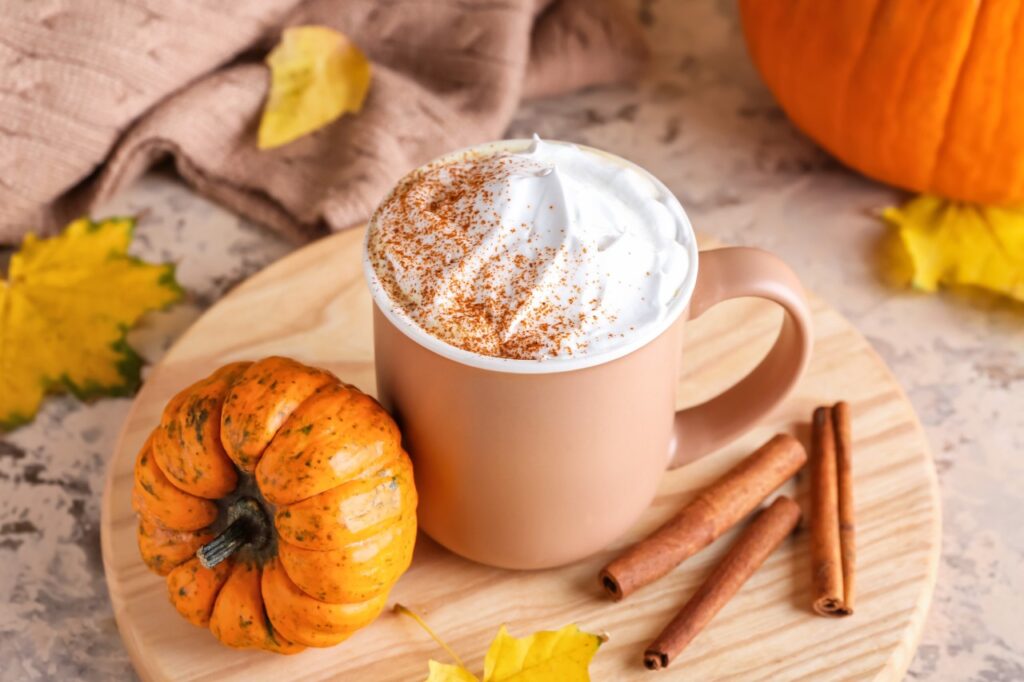
Despite its name, many pumpkin spice drinks contain little actual pumpkin. The defining taste usually comes from syrups built around cinnamon, nutmeg, clove, and ginger, combined with added sugar. In some seasonal lattes, the sugar content can rival that of a dessert rather than a typical coffee.
Sweetness softens coffee’s natural bitterness and creates quick comfort. That appeal helps explain the drink’s popularity. However, the subtle earthiness of real pumpkin often plays a minor role, if it appears at all. The spice blend and syrup carry most of the flavor.
When sugar dominates the cup, the beverage shifts away from coffee and toward confection. The cozy label of pumpkin spice can hide how dessert-like the experience has become.
3. It Standardizes Fall Flavor
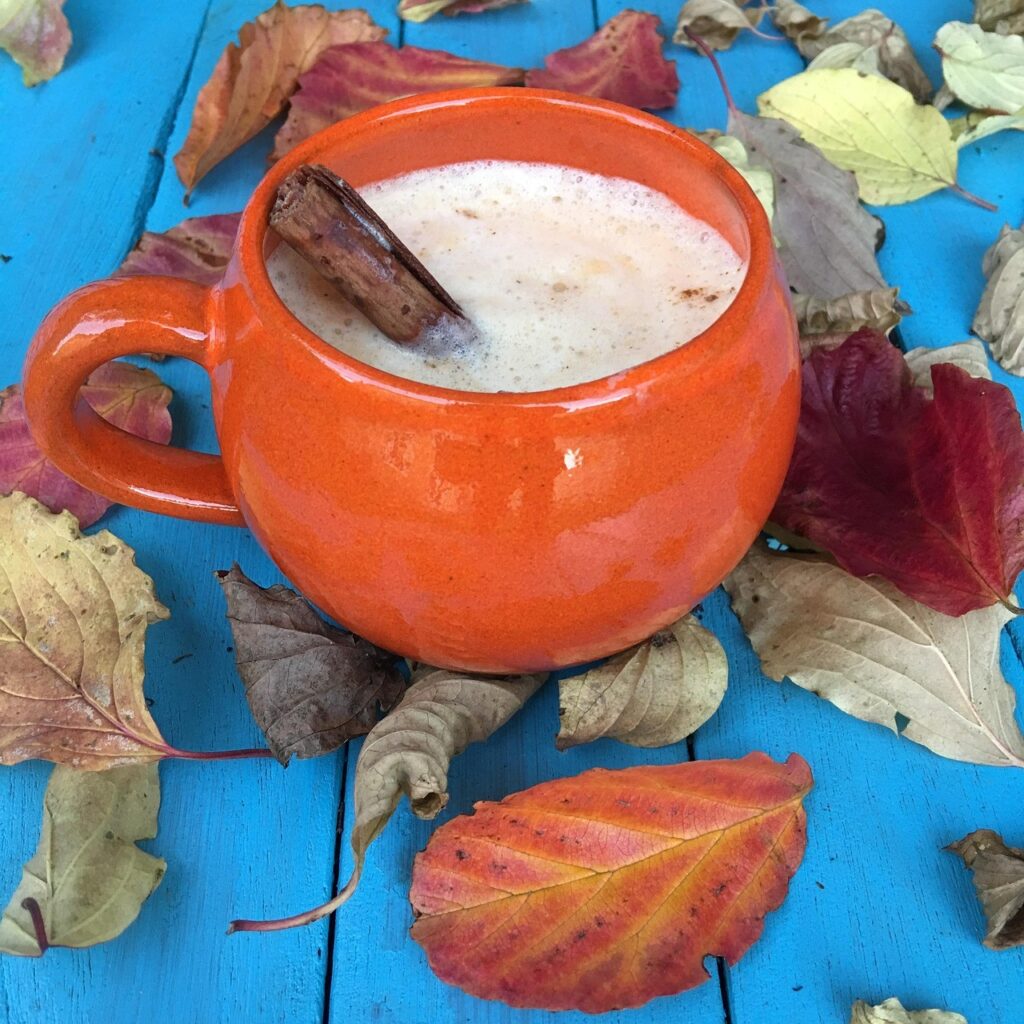
Autumn offers a broad range of ingredients, from apples and pears to maple, pecans, and cranberries. Each region has its own harvest patterns and culinary traditions tied to cooler weather. Yet in many cafés, pumpkin spice has become the default symbol of the entire season.
Menus frequently pivot almost entirely to this one blend once temperatures drop. The repetition simplifies seasonal variety into a single recognizable flavor. It becomes easier to market one familiar profile than to explore diverse autumn ingredients.
Over time, fall begins to taste the same everywhere. The richness of seasonal produce is narrowed into one dominant spice combination that overshadows other possibilities.
4. It Encourages Artificial Flavoring
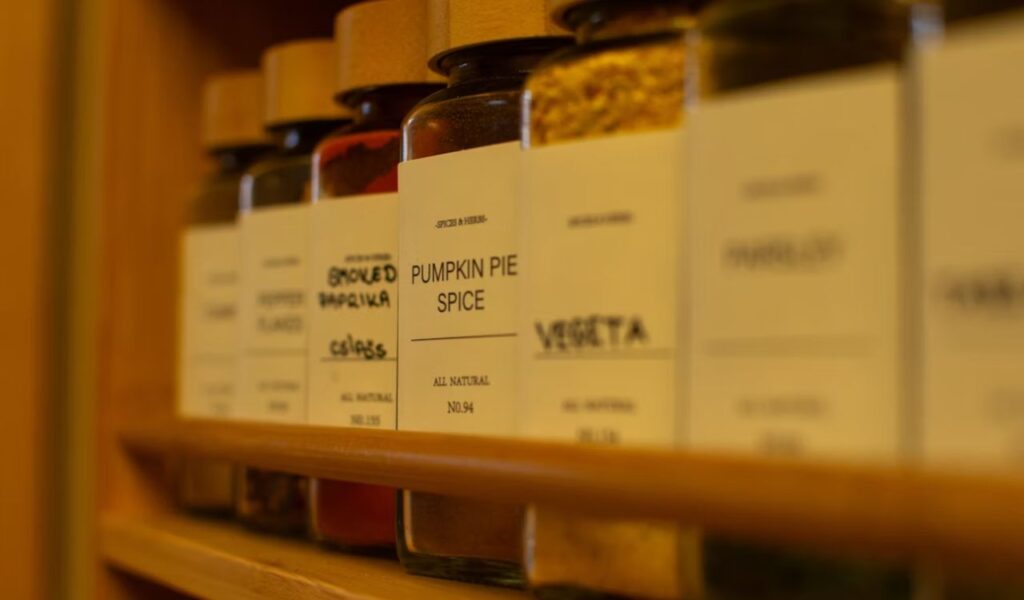
To ensure consistency across hundreds of locations, many large chains rely on shelf-stable syrups and concentrated flavor bases. These products are engineered for uniform taste, long storage life, and easy mixing. Fresh pumpkin purée and hand-ground spices are less practical in high-volume settings.
Artificial flavor compounds can replicate the aroma of warm spices efficiently, but they often lack the layered depth of whole ingredients. Toasting real spices or blending fresh mixtures produces complexity that pre-made syrups rarely match.
Efficiency improves with standardized concentrates, yet nuance declines. The drink tastes identical in every store, but often at the expense of ingredient authenticity and subtle flavor variation.
5. It Masks Coffee Quality
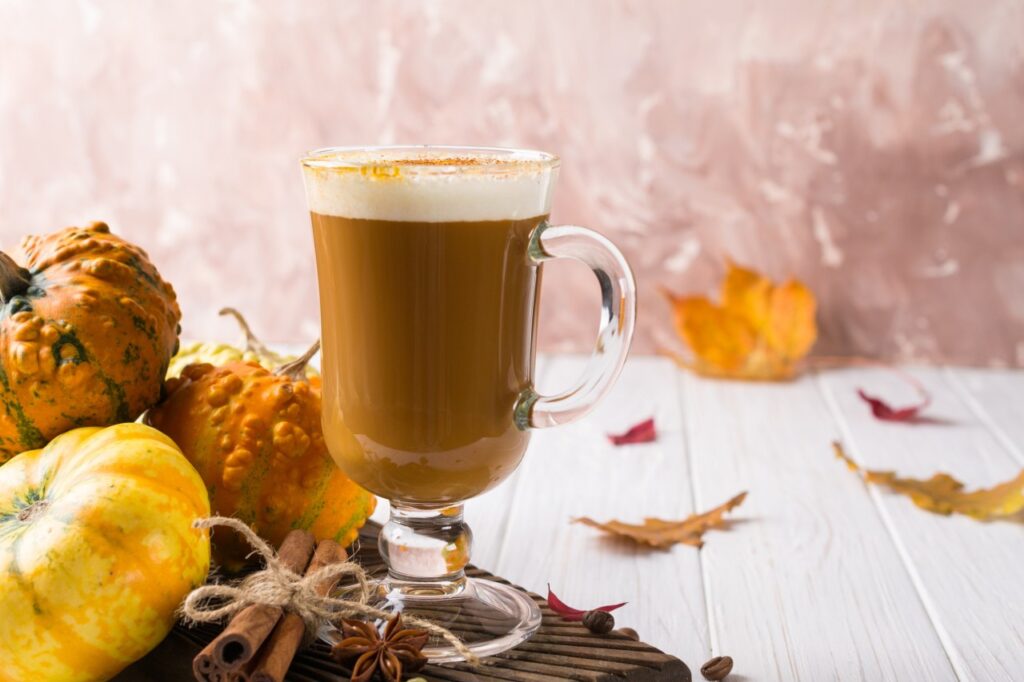
At its core, coffee quality is defined by origin, roast precision, and careful extraction. Subtle notes such as citrus, cocoa, florals, or toasted nuts emerge when beans are well sourced and brewed with attention. These nuances are what specialty coffee professionals evaluate and refine.
In a heavily flavored pumpkin spice drink, those details become difficult to detect. Whipped cream, sweet syrups, and bold spice quickly dominate the palate. Lower-grade beans can hide beneath layers of milk and sugar because the drink no longer depends on clarity of flavor.
When seasonal toppings take center stage, the craftsmanship behind the brew receives less scrutiny. The coffee becomes a carrier for flavor rather than the defining element of the cup.
6. It Promotes Excessive Add-Ons
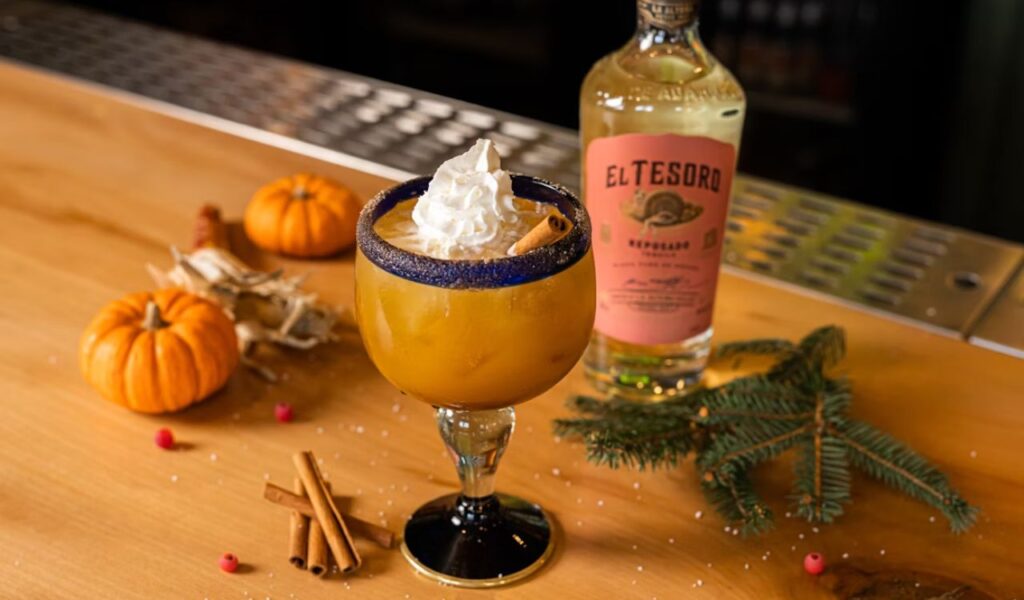
Pumpkin spice beverages are rarely simple. Many arrive crowned with whipped cream, caramel drizzle, and multiple pumps of flavored syrup. Each addition increases sugar and calorie content while moving the drink further from traditional coffee structure.
These extras are visually appealing and highly marketable. Layered toppings photograph well and signal indulgence, reinforcing the idea that the drink is a seasonal treat rather than a daily brew.
Over time, the accumulation of add-ons shifts expectations. What began as coffee flavored with spice can resemble a liquid dessert, where richness and decoration overshadow balance and roast character.
7. It Drives Trend Fatigue
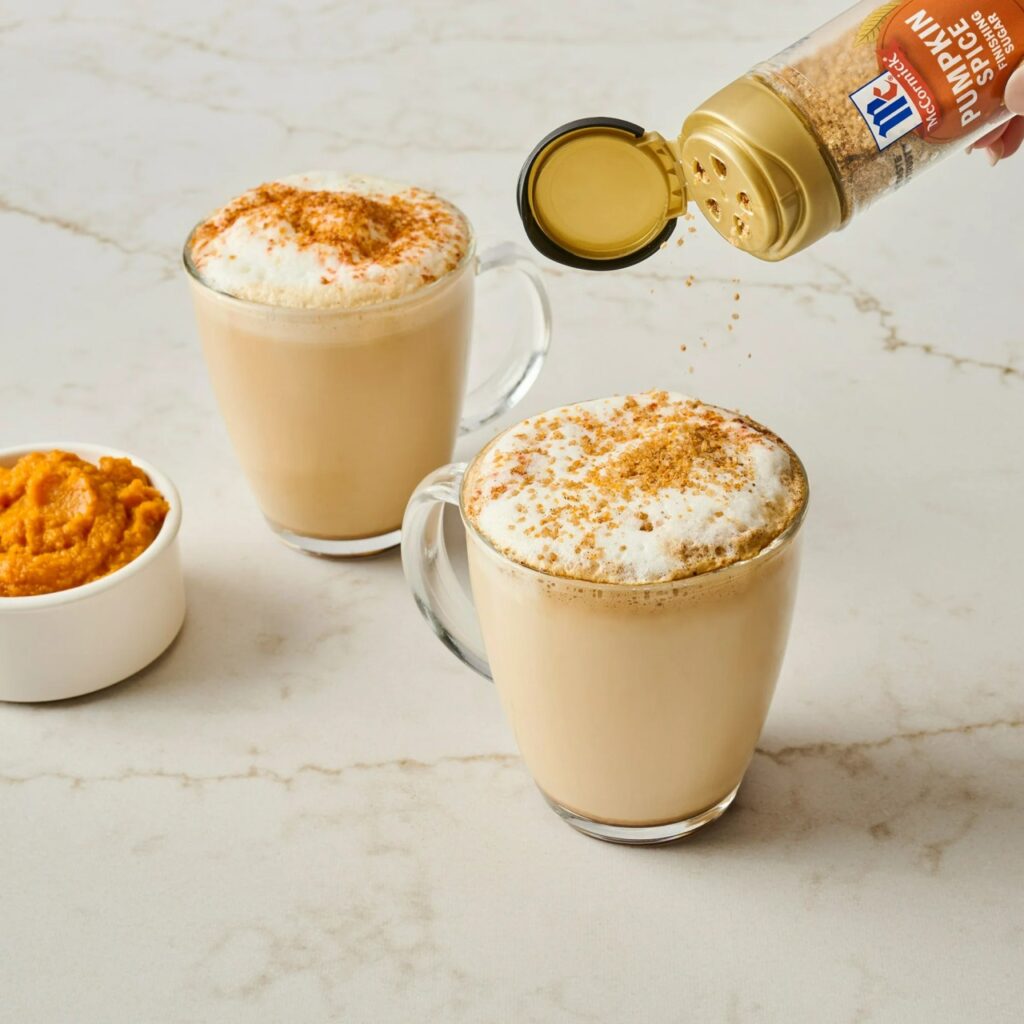
Seasonal flavors once felt special because they were brief. A limited release created anticipation and signaled a shift in weather and routine. When pumpkin spice first appeared each year, it carried novelty and a clear connection to autumn’s arrival.
In recent years, that window has expanded. Products now launch earlier and remain available longer, sometimes overlapping with late summer promotions. The extended presence reduces urgency and weakens the sense of occasion that once defined the drink.
As pumpkin spice spreads across beverages, snacks, and retail goods, repetition replaces excitement. What once marked a seasonal milestone can start to feel like a predictable marketing cycle rather than a meaningful transition.
8. It Sets Narrow Expectations for Fall
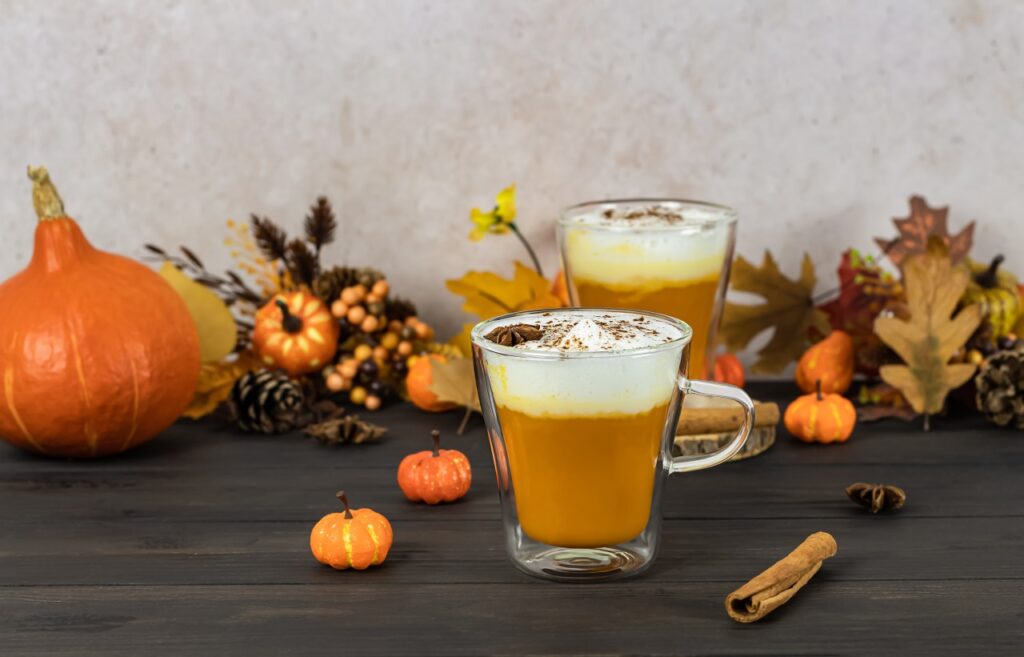
Pumpkin spice has grown into a symbol of autumn itself. Advertisements link it with sweaters, falling leaves, and cozy rituals, turning a flavor blend into a seasonal identity. The association is strong enough that many consumers now equate fall primarily with that profile.
This focus can overshadow other harvest ingredients such as apples, maple, pears, and cranberries. Cafés often prioritize the familiar spice blend because it is recognizable and reliable.
Over time, the sensory experience of autumn narrows. A season rich in agricultural diversity becomes distilled into one repeated combination of cinnamon, nutmeg, clove, and sugar.
9. It Encourages Oversweet Coffee Habits
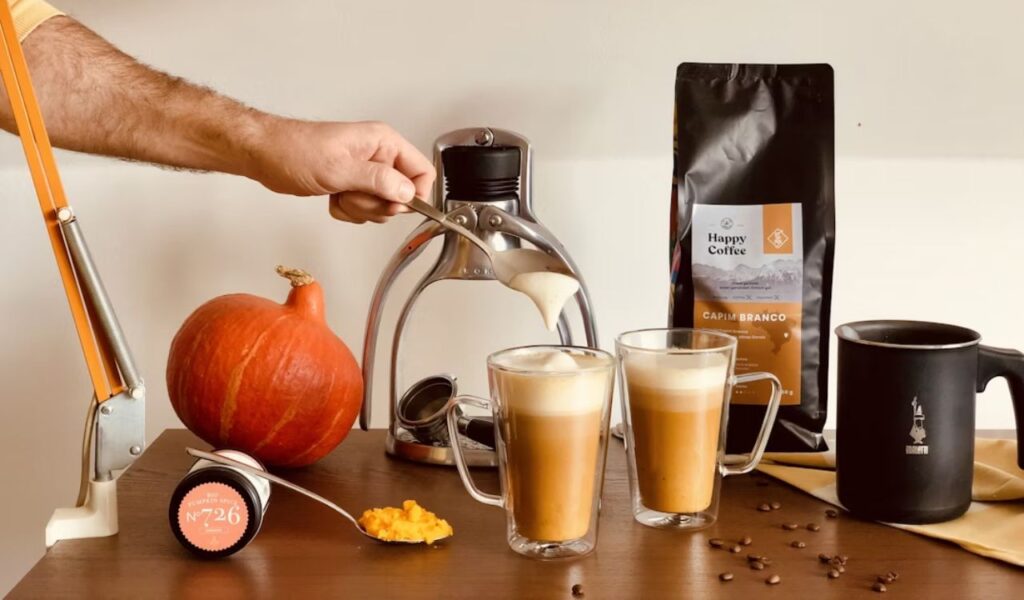
Frequent exposure to highly sweetened seasonal drinks can gradually reshape taste preferences. When sugar levels remain elevated, plain brewed coffee may begin to taste sharper or more bitter by comparison. The palate adjusts to repeated sweetness.
This adaptation is natural. Taste buds respond to patterns, and what once felt indulgent can become normal with regular consumption. As sweetness becomes expected, simpler coffee styles may seem less satisfying.
The shift influences long-term habits. Coffee transitions from a roasted, aromatic beverage into a routine carrier for syrup and milk, altering how many people experience it beyond the fall season.
10. It Limits Menu Innovation
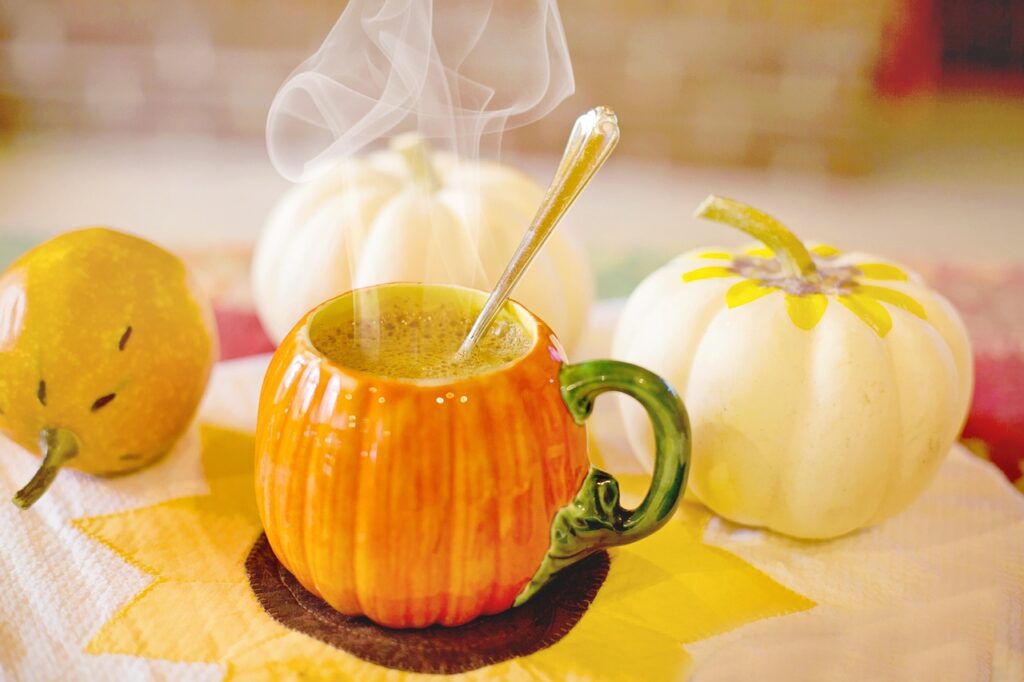
From a business perspective, pumpkin spice is dependable. It produces strong seasonal sales with minimal uncertainty. When one product performs consistently, cafés may allocate fewer resources to developing alternative fall offerings.
Creating new seasonal flavors requires sourcing ingredients, testing recipes, and marketing unfamiliar concepts. Proven formulas feel safer than experimentation. Financial predictability often guides menu planning.
As a result, autumn menus can revolve around the same returning item each year. Opportunities to explore lesser-known seasonal ingredients may take a back seat to a guaranteed seller.
11. It Prioritizes Branding Over Bean Origin
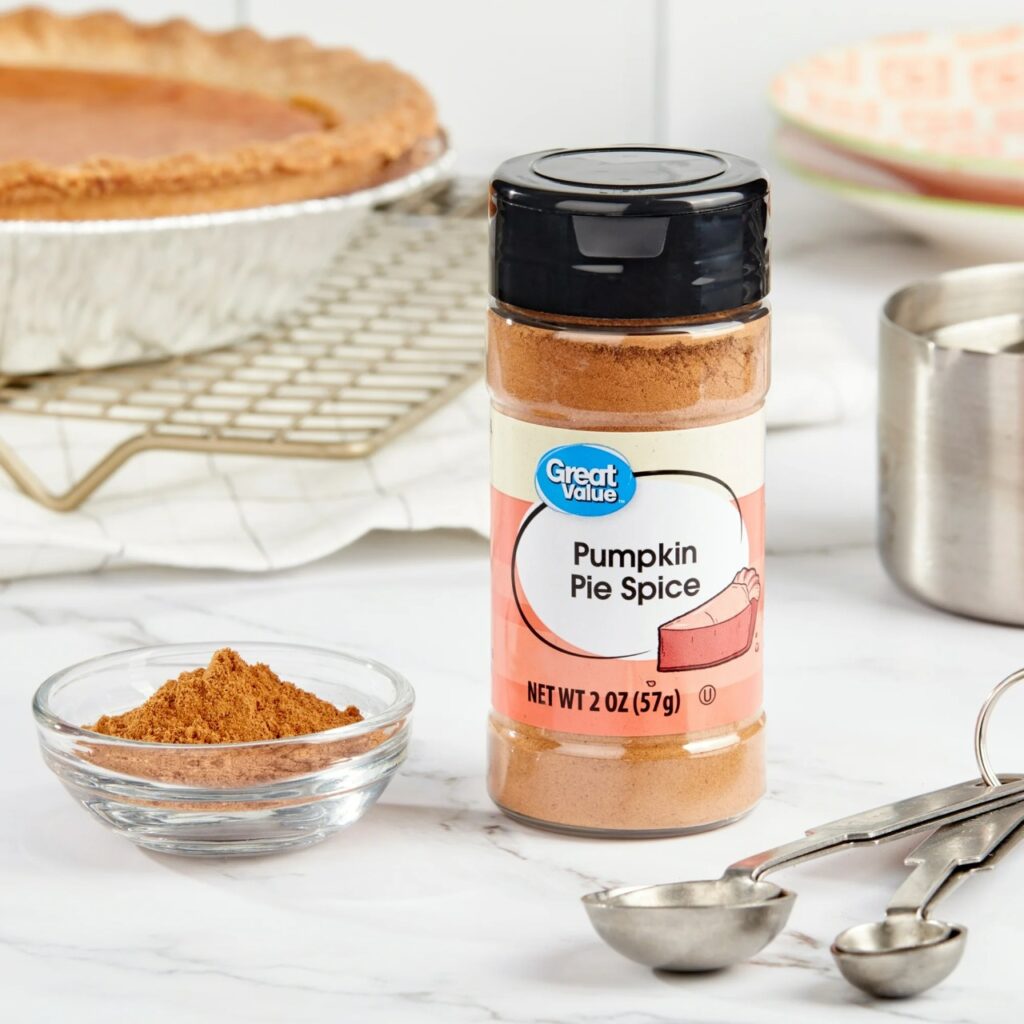
Pumpkin spice campaigns frequently highlight color schemes, limited-time urgency, and lifestyle imagery. The emphasis centers on mood rather than agricultural detail. Marketing materials rarely focus on where the beans were grown or how they were processed.
In specialty coffee, origin, altitude, and roasting technique shape flavor complexity. Those distinctions become less visible when promotional energy concentrates on spice themes.
Brand storytelling shifts attention away from growers and toward seasonal emotion. The narrative becomes about fall ambiance rather than the journey from farm to cup.
12. It Turns Coffee Into Dessert
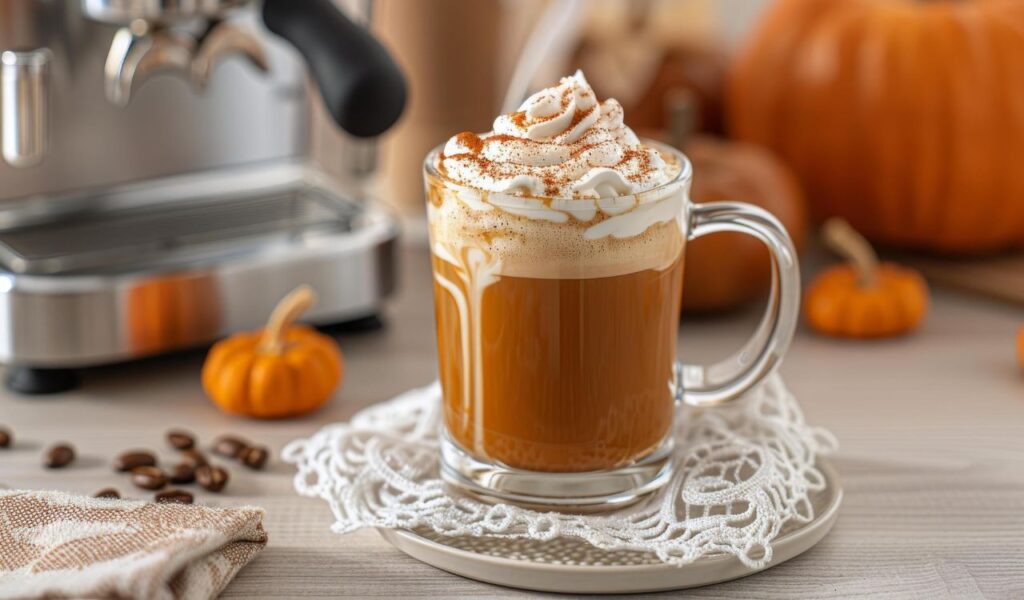
Traditional coffee culture values balance, aroma, and clarity of extraction. Pumpkin spice beverages often contain substantial amounts of milk, syrup, and toppings that create a thick, sweet profile. The texture and flavor can resemble a dessert more than a classic espresso drink.
The transformation is not inherently negative. Many people enjoy sweet seasonal treats. However, the shift changes expectations about what coffee should taste like.
For those who value roast nuance and bean character, the boundary blurs. Autumn coffee becomes less about brewing craft and more about confectionery comfort served in a cup.