10 Gourmet Toppings That Make Burgers Impossible to Eat

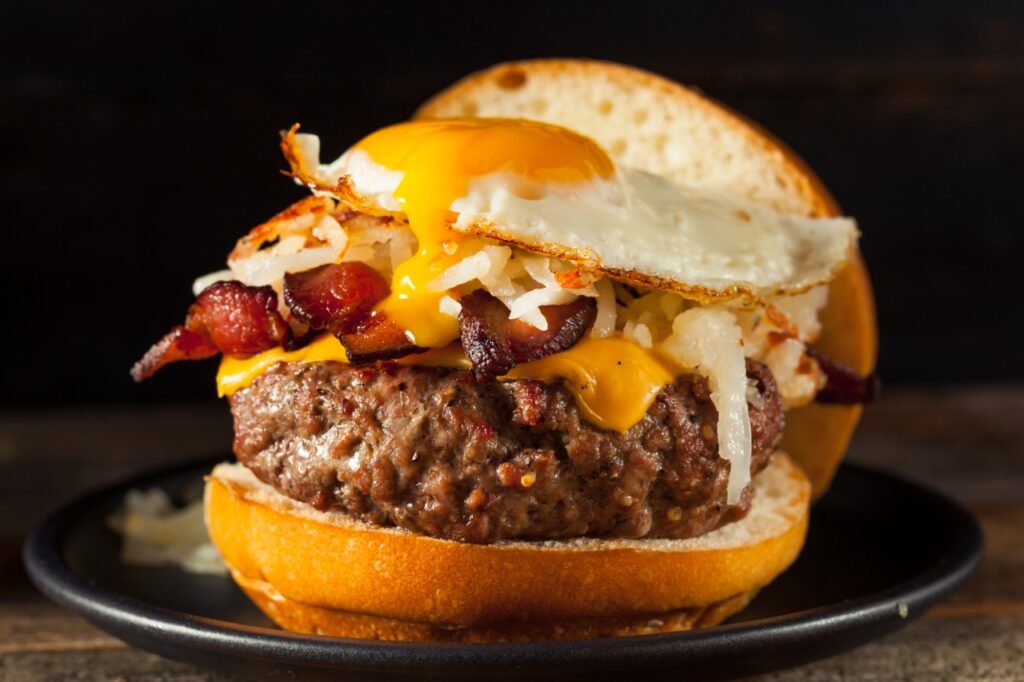
There is something irresistible about a burger pushed past its limits. What begins as a simple, hand-held classic becomes a towering experiment in luxury, texture, and excess. Chefs layer bold ingredients with the promise of deeper flavor and dramatic presentation.
But indulgence has consequences. The more elaborate the topping, the more the structure is tested. Heat, moisture, gravity, and sheer height start working against the bun, turning each bite into a careful maneuver rather than a casual grab.
This list explores gourmet additions that taste extraordinary yet challenge the very idea of what a burger should be. The flavors are thoughtful and rich, but the experience often demands strategy, napkins, and sometimes even a fork.
1. Foie Gras
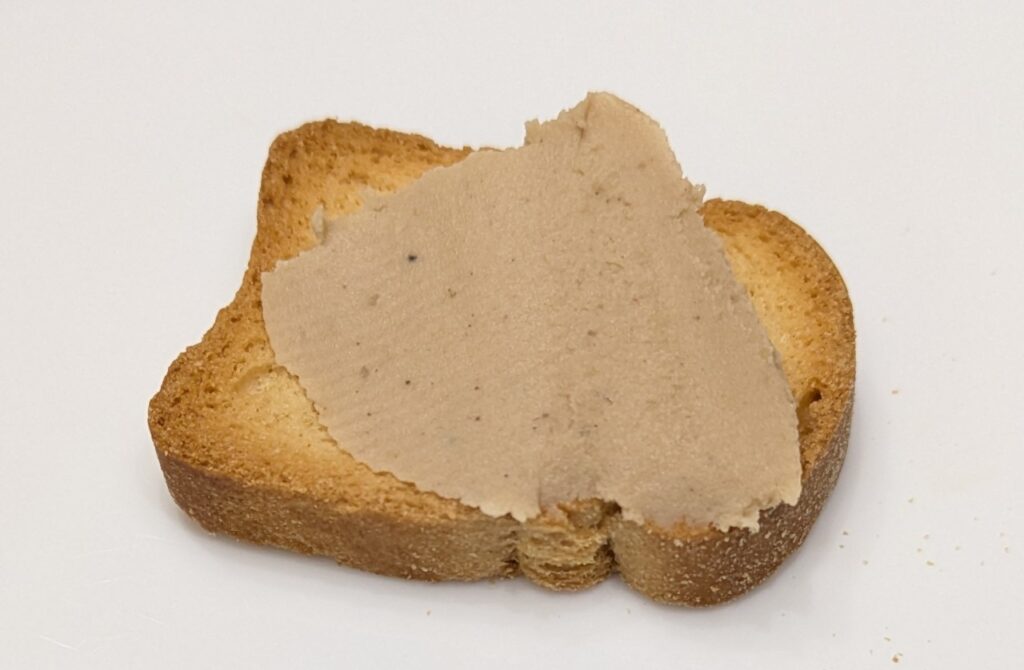
Luxury rarely plays well with gravity. Foie gras is prized for its velvety texture and high fat content, which begins to soften the moment it meets heat. On a burger, that richness melts quickly, coating the patty in a glossy layer that feels decadent but unstable.
Its softness is the problem. Unlike firmer cheeses or cured meats, foie gras lacks structure. The first bite compresses the bun and forces the delicate layer outward, often slipping past the edge before you can steady it.
Add the natural grease from beef and the result is a slick surface that resists grip. What tastes refined on a plated entrée becomes difficult between bread. The flavor is undeniably deep and buttery, yet the experience often demands utensils rather than hands.
2. Lobster Tail
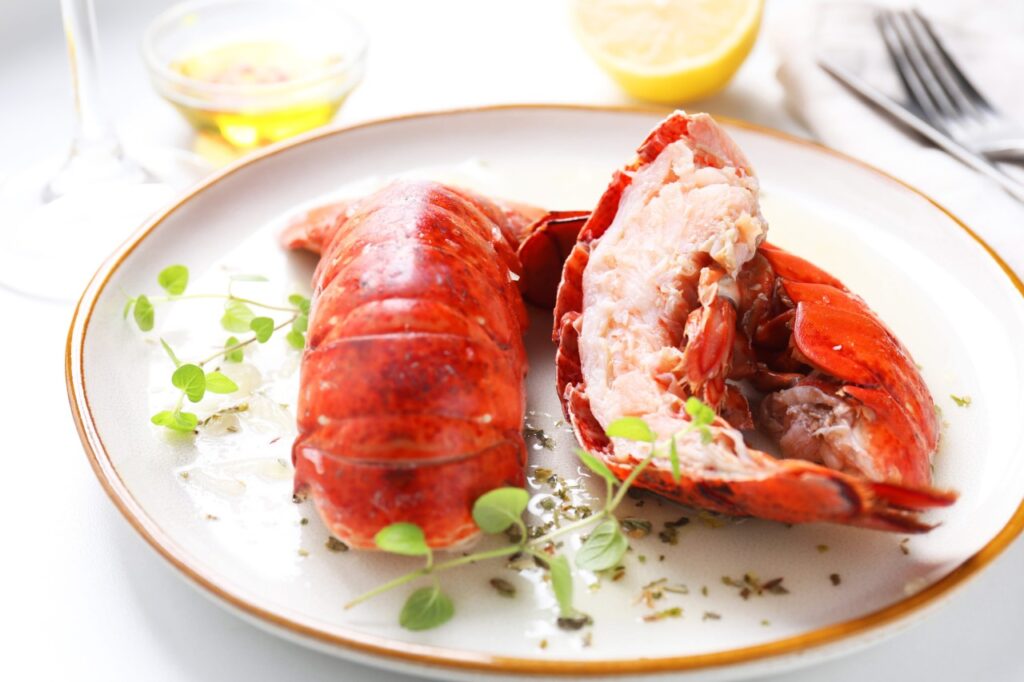
Surf and turf sounds bold, but lobster tail has its own rules. The meat is dense and fibrous, designed to be sliced, not bitten through in layers. When placed whole on a burger, it resists compression and shifts with each bite.
Lobster fibers pull rather than break cleanly. That tension drags sauces, lettuce, and even the patty along for the ride. Butter or aioli, common companions, add lubrication that weakens the bun’s structure.
The height also matters. A tail perched on beef creates a stack that exceeds the natural span of most hands. What begins as an impressive display quickly becomes a juggling act. The flavors may complement each other, but the mechanics rarely cooperate.
3. Truffle Shavings
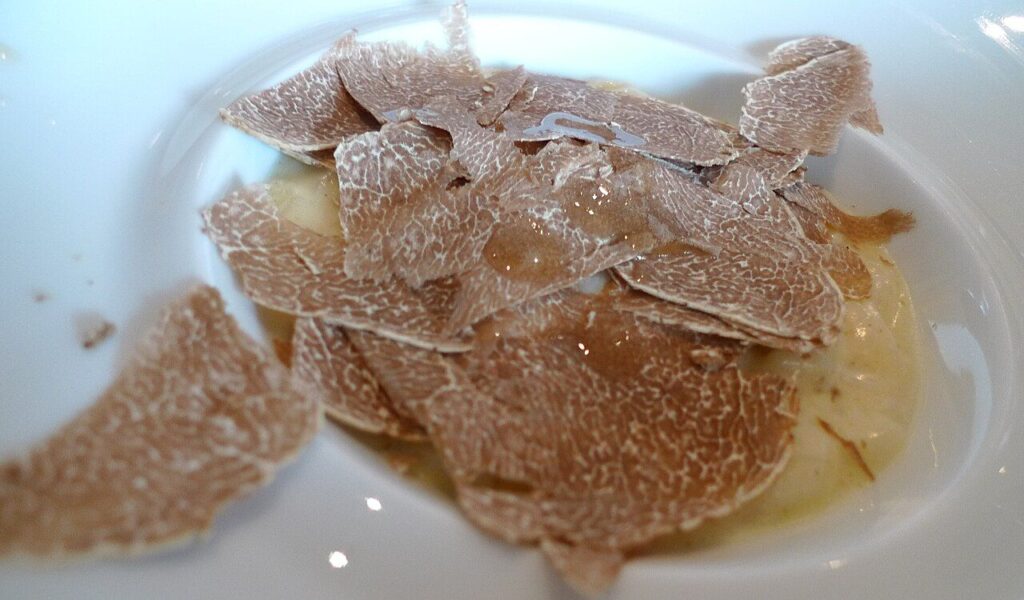
Truffles are about aroma first. Their thin shavings release volatile compounds that create an earthy, almost intoxicating scent. On a burger, those delicate slices are often layered generously for impact.
The issue is surface friction. Shavings do not bind to the patty the way melted cheese does. They rest lightly, and when heat and moisture rise from the meat, they shift and slide.
Combined with sauces and natural beef juices, the burger’s top layer becomes unstable. Each bite redistributes the truffle, sometimes unevenly, sometimes entirely off the bun. The flavor remains luxurious, but the structure feels temporary, as if the topping was never meant to stay contained.
4. Mac and Cheese
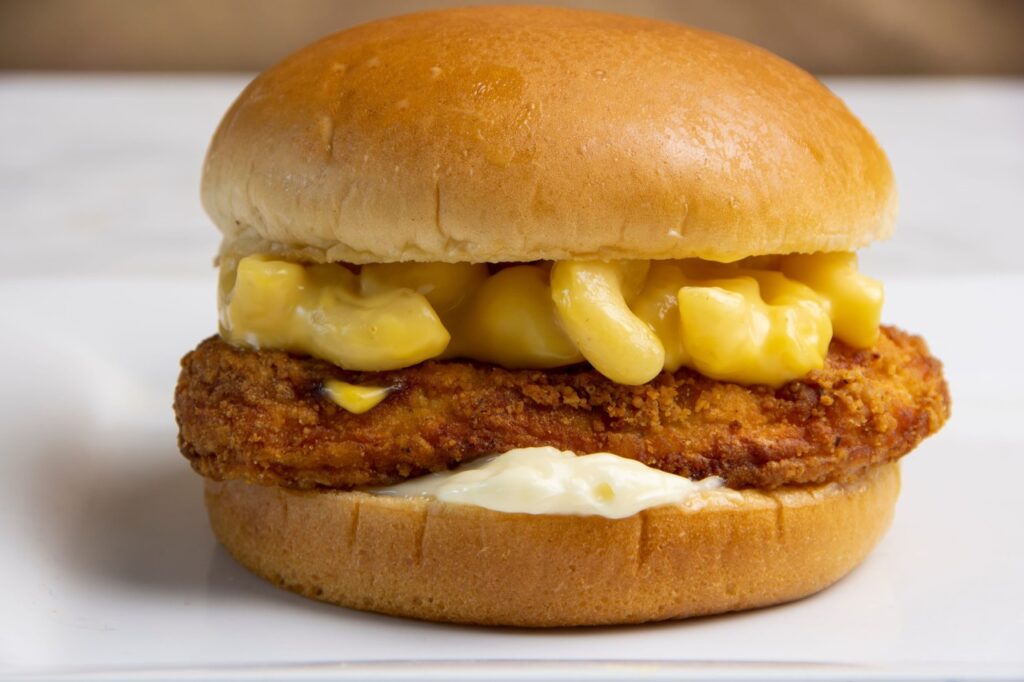
Comfort food stacked on comfort food sounds irresistible. Mac and cheese brings starch, dairy, and softness, all in one spoonful. On a burger, though, that softness works against stability.
Cooked pasta is coated in sauce and designed to be scooped, not pressed. When squeezed between bun and patty, noodles shift sideways, carrying melted cheese with them. The sauce seeps into the bread, weakening its ability to hold shape.
Moisture is the key factor. Steam from the patty keeps the cheese fluid, while the bun absorbs liquid and compresses. The flavors blend beautifully, but the structure collapses quickly. What feels hearty on a plate becomes unruly when handheld.
5. Onion Rings Tower
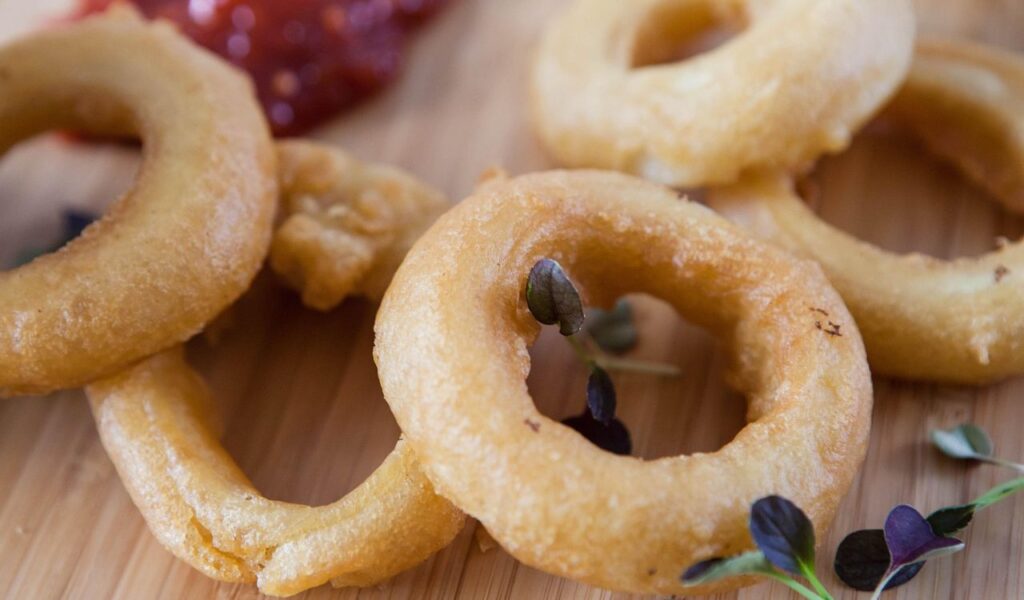
Crisp onion rings promise crunch and height. Their appeal lies in contrast, the brittle coating against juicy beef. Yet their circular shape and rigid crust create balance issues.
Stacked high, they form gaps of air between layers. When pressure is applied during a bite, the rings fracture or slide sideways. The crumb coating sheds, and fragments fall away.
Their size also widens the burger beyond a natural grip. A single shift in pressure can topple the stack. The crunch is satisfying, but the geometry works against containment, turning each bite into a careful calculation rather than a relaxed meal.
6. Fried Egg with Runny Yolk
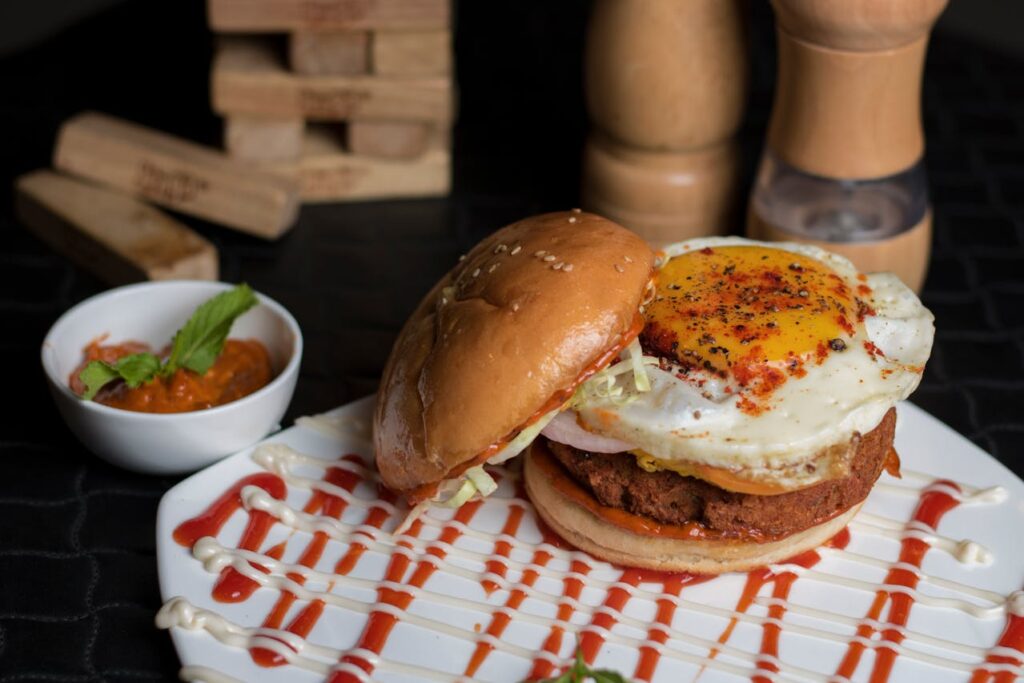
Few sights are as tempting as a glossy egg yolk spilling over beef. The richness enhances flavor, adding fat and umami in one stroke. But a runny center behaves like a liquid waiting for release.
The moment the yolk breaks, gravity takes control. It flows downward, coating lettuce, bun, and fingers alike. The added moisture reduces friction between layers, encouraging them to slide.
Heat accelerates the effect. A warm patty keeps the yolk fluid, preventing it from thickening. The taste is balanced and savory, yet the physical result is messy and difficult to contain. The visual appeal often outpaces practicality.
7. Avocado Slices
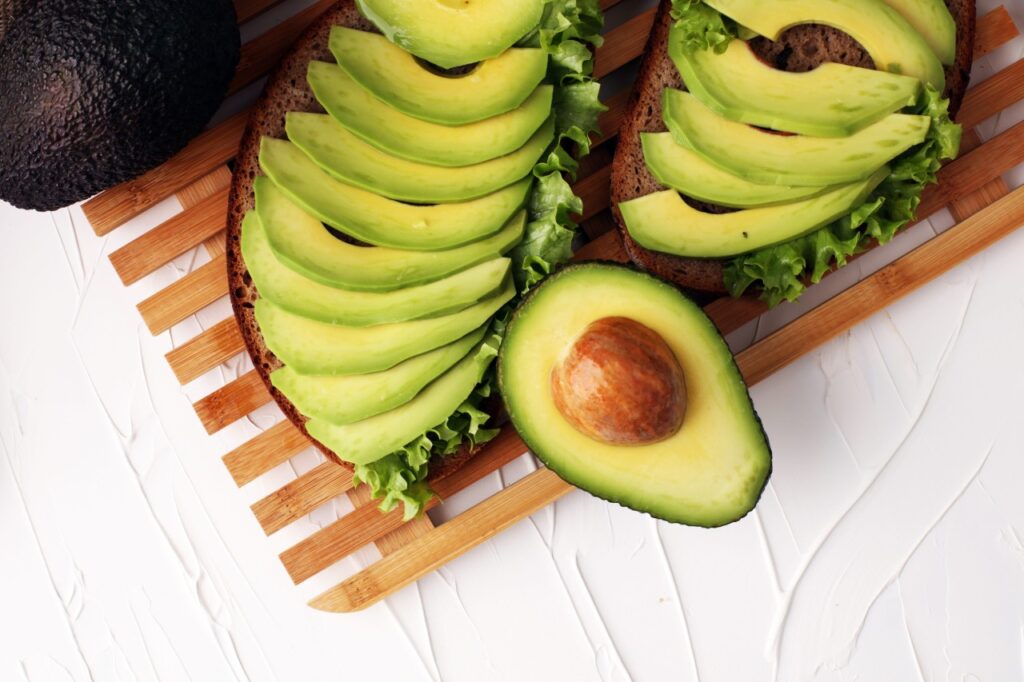
Avocado brings smooth, buttery richness that pairs naturally with beef. Its healthy fats soften salt and smoke, while thick slices add height and fresh green contrast. At first glance, it feels like one of the most balanced gourmet toppings a burger can carry.
The difficulty lies in texture. A ripe avocado offers little resistance. Its slick surface and natural oils reduce friction between layers, especially with tomato or melted cheese. When pressed, it slides instead of holding firm.
Ripeness is crucial. Perfectly ripe avocado, prized for flavor, is tender and compressible. Under the weight of bun and patty, it squeezes outward easily. The taste stays clean and creamy, yet each bite often needs adjustment to keep everything in place.
8. Thick Slab of Brie
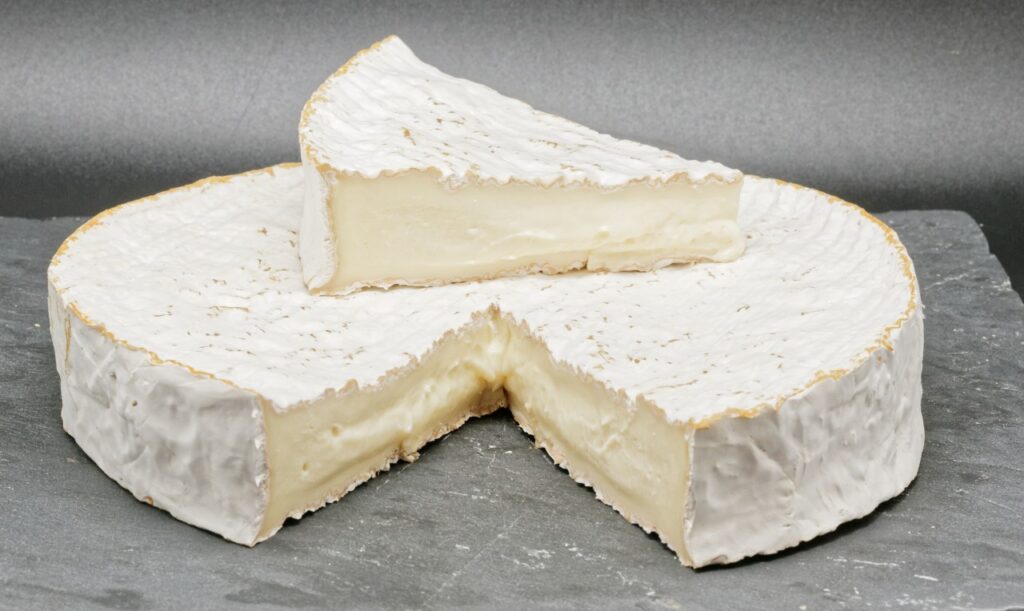
Brie delivers contrast in a single slice. The rind stays faintly firm while the interior turns soft and creamy when warmed. On a burger, that dual texture adds mellow, buttery notes that complement charred beef and sweet toppings.
Heat changes its behavior quickly. As warmth rises from the patty, the center loosens and begins to spread. The rind offers only light structure and cannot fully contain the softened cheese, which gradually pushes past the bun’s edge.
Its moisture content is the deciding factor. Brie melts gently and flows rather than holding shape under pressure. Combined with sauces, it forms a slick layer that shifts easily. The flavor is refined and subtle, but the burger itself becomes harder to manage.
9. Pulled Pork Pile
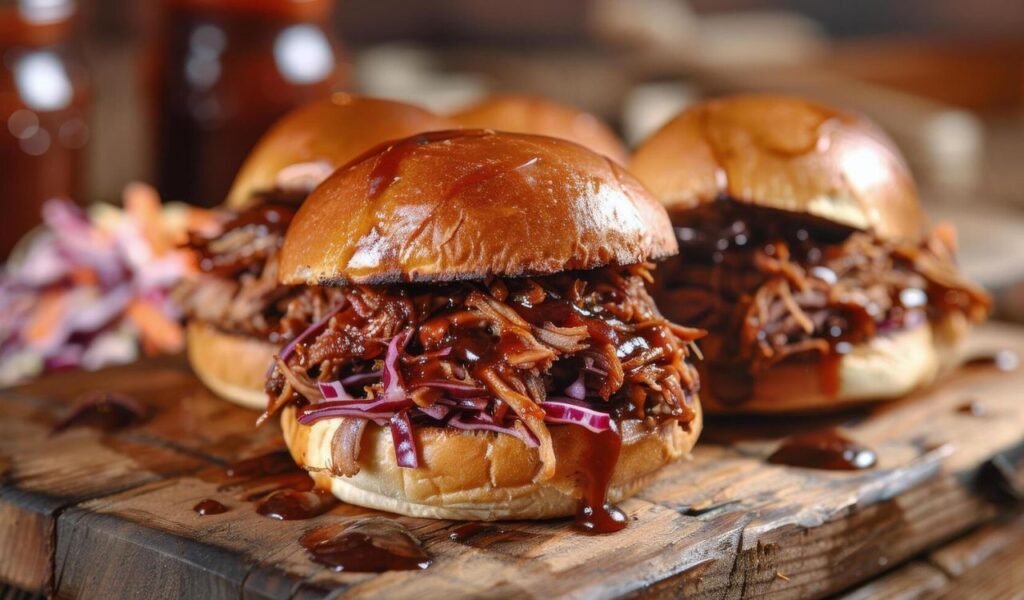
Pulled pork layered over beef feels like a celebration of smoke and slow cooking. Tender strands carry deep barbecue flavor built from hours of low heat. The sweet and savory combination with a beef patty creates immediate richness.
Yet pulled pork is designed to fall apart. Shredded fibers do not cut cleanly when compressed. They stretch and tug outward with each bite, often dragging sauce and nearby toppings along with them.
Moisture adds to the strain. Juices from both meats soak into the bun, weakening its structure. Barbecue sauce brings stickiness but also extra slickness. The flavors blend beautifully, but keeping the layers aligned through a neat bite proves difficult.
10. Fried Mozzarella Discs
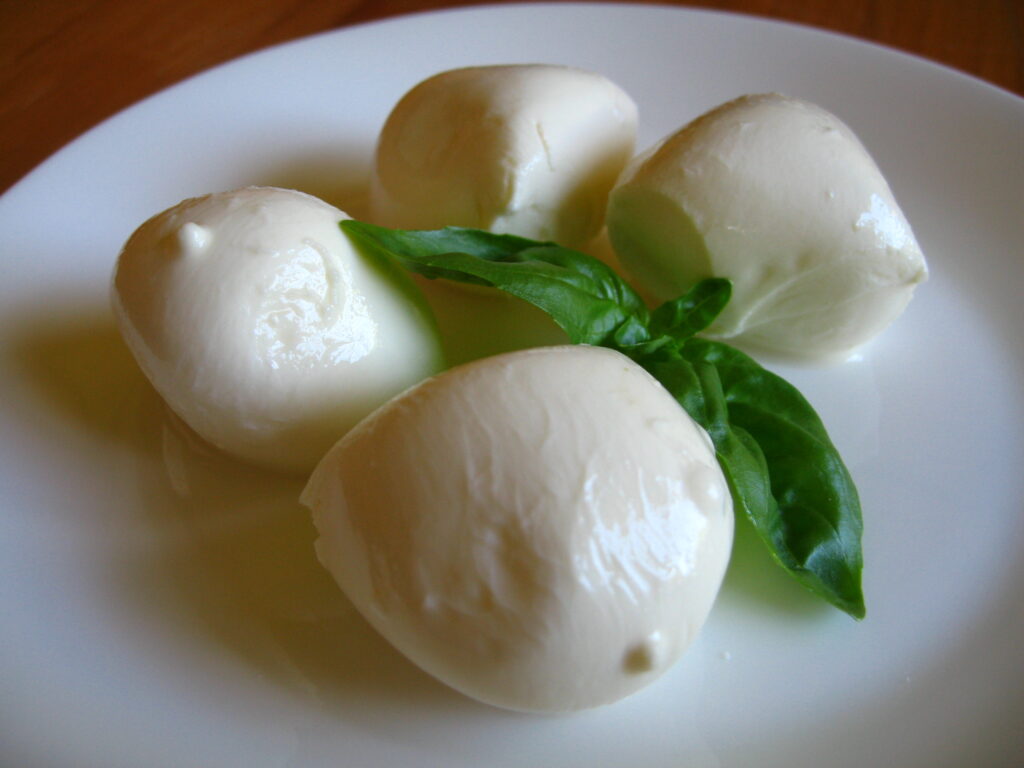
Fried mozzarella brings instant drama. A crisp breadcrumb shell surrounds hot, melted cheese, offering crunch outside and creaminess within. On a burger, the golden discs add bold texture and visual appeal.
The challenge begins once heat softens the interior. Melted mozzarella becomes elastic, stretching into long strands when bitten. That pull resists separation and can lift the bun or shift the stack sideways.
The crust cannot fully contain the molten center. Once broken, the cheese flows and stretches at the same time. Warmth keeps it pliable and unwilling to snap cleanly. The flavor is rich and comforting, yet the dramatic stretch often disrupts the burger’s balance.