7 Gross Realities of 1950s Milk Delivery You Never Knew About

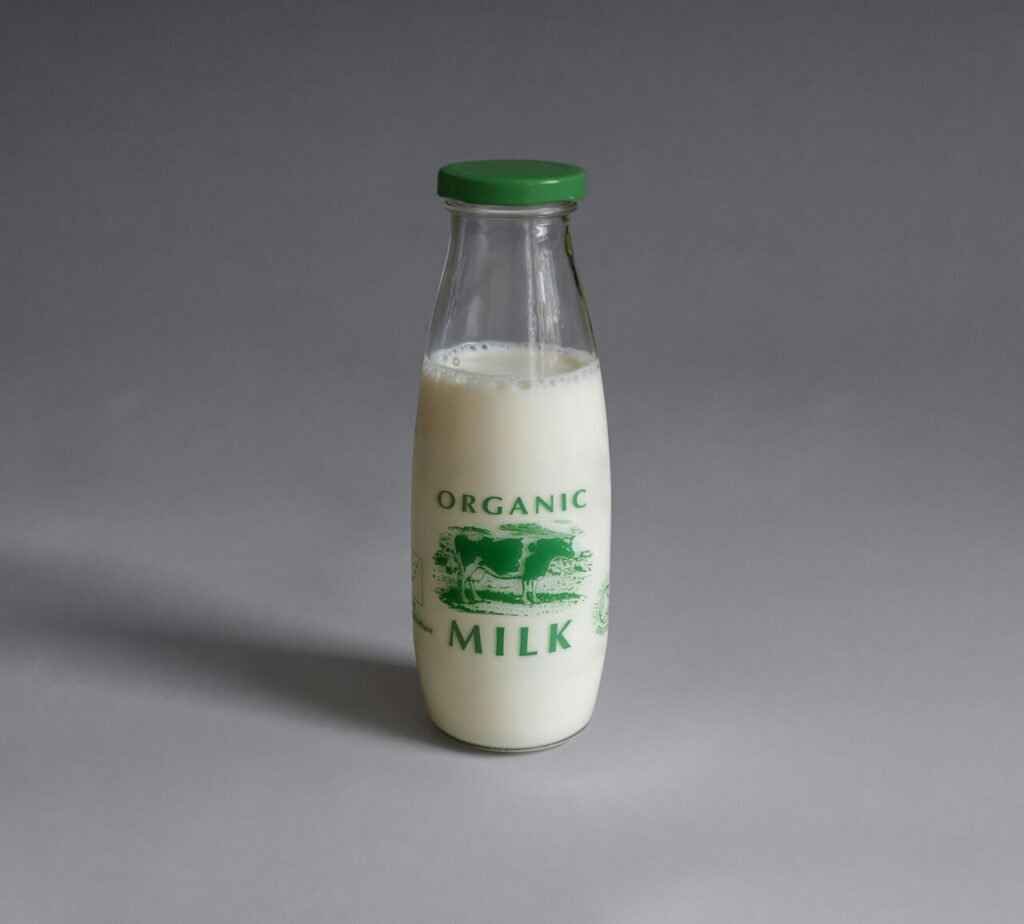
Milk delivery once represented wholesome convenience, with bottles appearing daily on household doorsteps across many neighborhoods. Yet behind this nostalgic image lay several realities shaped by limited refrigeration, uneven sanitation standards, and evolving food safety rules. Practices common at the time sometimes exposed families to diluted, poorly stored, or contaminated milk. Looking back reveals how much dairy handling and safety have improved since those mid-century delivery routines.
1. Milk Was Sometimes Diluted Before Delivery
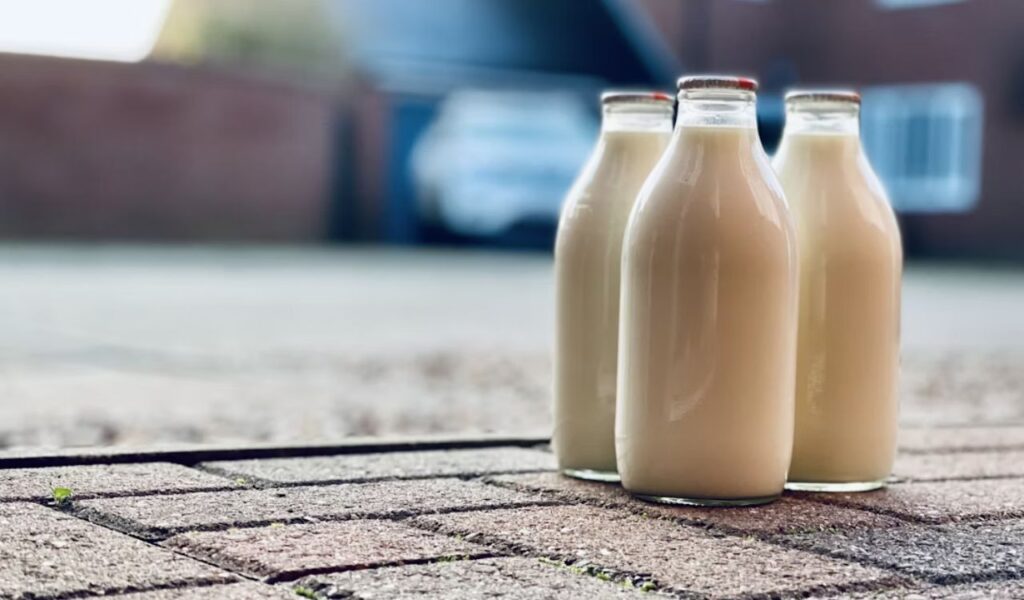
Milk delivery in the mid twentieth century carried an image of wholesome freshness, yet not all milk reaching households matched that reputation. Some distributors increased volume by diluting milk with water, a practice that lowered nutritional value while stretching supply during periods of high demand or poor production.
To hide dilution, sellers sometimes added substances to restore color or thickness so customers would not easily notice changes. While regulations slowly improved, enforcement varied by region, leaving consumers vulnerable to inconsistent product quality.
Only later did stronger oversight and improved testing reduce such practices, revealing how earlier systems sometimes prioritized supply over authenticity.
2. Chemical Preservatives Once Extended Shelf Life
Before refrigeration systems became widespread and reliable, milk spoilage posed serious challenges. Some distributors resorted to chemical preservatives to slow bacterial growth and extend delivery windows.
Among the chemicals historically used was formaldehyde, which masked sourness and delayed visible spoilage signs. Consumers unknowingly drank treated milk because these substances prevented immediate detection of contamination.
As scientific understanding improved and regulations strengthened, chemical preservation declined in favor of pasteurization and refrigerated transport. Looking back, however, these earlier practices reveal how milk sometimes stayed fresh through artificial means rather than safe storage.
3. Reused Glass Bottles Were Not Always Properly Cleaned
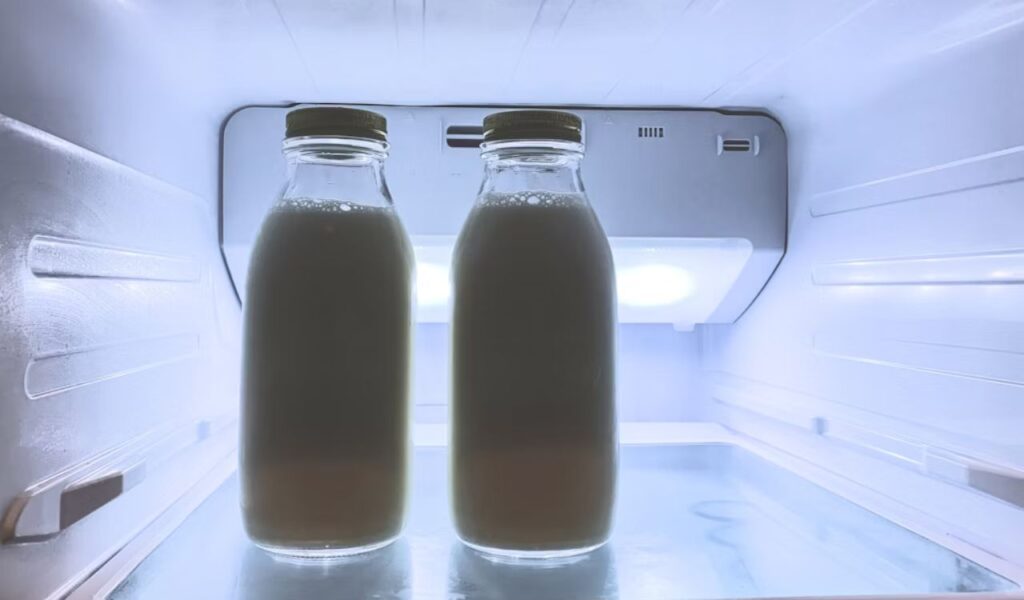
Glass milk bottles represented an early recycling system, collected from doorsteps, washed, and refilled repeatedly. While efficient, cleaning standards varied widely, especially when bottling plants rushed to meet growing urban demand.
Inadequate sanitation sometimes left residue or bacteria inside bottles, contaminating new milk batches. Delivery systems depended heavily on thorough washing, yet facilities differed in equipment quality and hygiene oversight.
Most families trusted bottles looked clean, unaware that invisible contamination could remain. Modern disposable packaging eventually replaced bottle reuse in many regions, partly because consistent sanitation proved difficult to maintain at growing industrial scales.
4. Raw Milk Circulated With Limited Oversight

During the 1950s, pasteurization had become common but was not universally practiced in every region. Some milk deliveries still involved raw, unpasteurized milk, which carried natural bacteria that could pose health risks if not carefully managed.
Public awareness of milk-borne illnesses grew slowly, and regulations varied depending on local authorities. Without consistent oversight, safety standards differed, leaving households exposed to occasional outbreaks linked to contaminated dairy.
Eventually, stricter pasteurization laws and improved public health policies reduced raw milk circulation in cities. Still, mid-century consumers often drank milk that lacked the safety controls now considered essential.
5. Bottles Were Handled Frequently During Delivery
Milk delivery routes required drivers to load, unload, and carry heavy glass bottles daily, often handling hundreds of containers each shift. Protective gloves and sanitation practices were not always consistently followed during this process.
Delivery workers moved quickly to complete routes, sometimes placing bottles directly on doorsteps after handling cash, crates, or other materials. Frequent bottle contact increased the chances of contamination before customers even opened containers.
While many milkmen took pride in clean service, inconsistent hygiene practices remained common across regions. Modern sealed packaging and automated handling systems now reduce direct contact, improving safety compared with earlier delivery routines.
6. Milk Often Sat Outdoors Before Families Retrieved It
Milk deliveries typically occurred early in the morning, leaving bottles outside homes until residents collected them. During warmer weather, rising temperatures could quickly affect freshness, especially when shaded porches were unavailable.
As bottles warmed, flies and insects sometimes gathered, increasing contamination risk before families brought milk indoors. Insulated delivery boxes helped in some neighborhoods, but not every household owned one.
Although families expected milk to remain fresh for hours, prolonged outdoor exposure sometimes compromised quality. Refrigeration advancements later reduced reliance on doorstep storage, improving overall dairy safety.
7. Sour Milk Sometimes Stayed in Circulation
Without rapid testing methods or efficient distribution networks, milk occasionally remained in circulation even after its freshness declined. Slightly sour batches could still reach customers, particularly in areas with longer delivery routes.
Spoilage signs were sometimes masked by refrigeration delays or mixing practices that blended older milk with fresher supplies. Consumers often discovered problems only after tasting milk at home.
As dairy regulations tightened and transportation improved, quality control strengthened significantly. Looking back, however, doorstep deliveries sometimes involved milk that had already begun to deteriorate, revealing the limitations of mid-century dairy logistics.