Budget Comfort Foods Are Making a Strong Comeback During Inflation

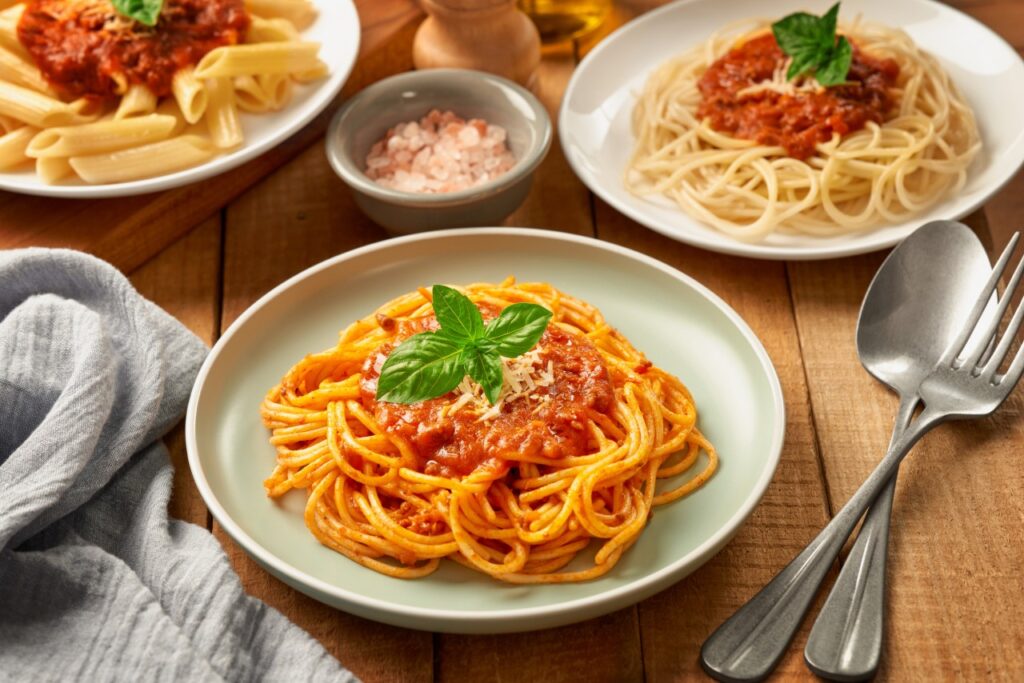
Rising grocery prices are quietly changing the way many households plan their meals. As budgets tighten, shoppers are looking for foods that feel both satisfying and practical. In response, a familiar group of dishes is returning to everyday kitchens. Simple comfort meals built around affordable ingredients like pasta, rice, beans, and potatoes are once again becoming staples. These recipes may be modest, but they offer the kind of warmth and fullness that people crave when they want meals that stretch further without sacrificing flavor. As a result, many families are rediscovering the value of simple dishes that deliver both nourishment and lasting satisfaction.
At the same time, these dishes carry a deeper sense of familiarity that goes beyond their low cost. Many budget-friendly comfort foods have been part of home cooking for generations, created during times when families needed to make the most of what they had. Today, those same meals are finding renewed appreciation as people rediscover how satisfying simple cooking can be. From hearty soups to filling casseroles, these classic dishes prove that comfort and value can still go hand in hand, offering reliable meals that bring warmth and reassurance to the table during uncertain times while helping families prepare filling dinners without overspending.
Affordable Comfort Meals Returning to the Spotlight
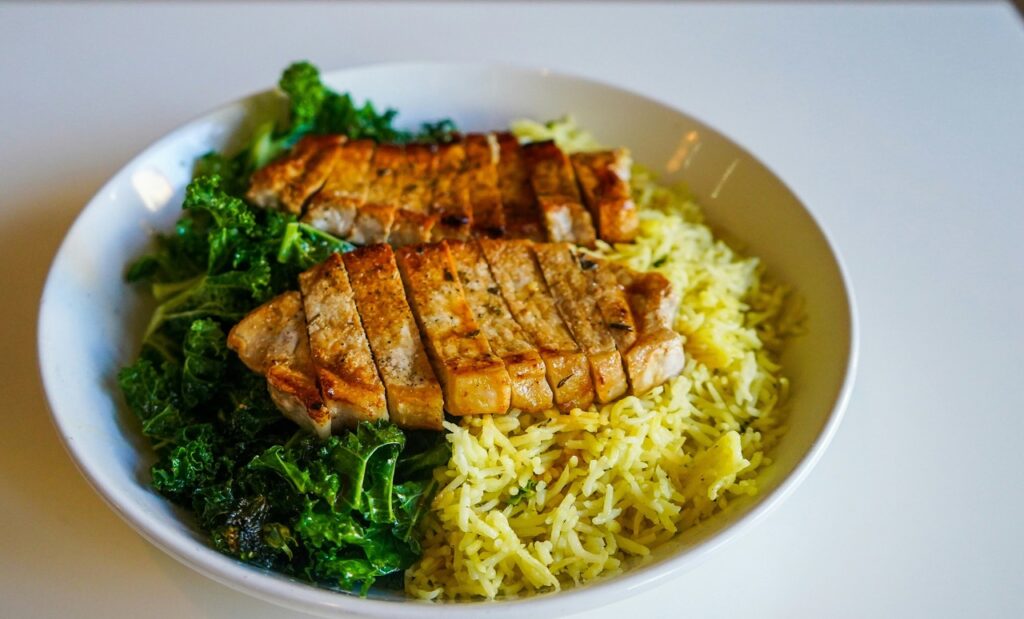
Economic pressure often reshapes how people approach everyday meals, and many households are rediscovering the appeal of simple comfort foods. Dishes built around affordable ingredients such as pasta, rice, beans, potatoes, and eggs are appearing more frequently on dinner tables. These foods are filling, easy to prepare, and capable of feeding an entire family without stretching the grocery budget too far. As the cost of many packaged products and restaurant meals continues to climb, the practicality of these familiar dishes becomes even more attractive to shoppers trying to manage their weekly food spending.
Comfort foods also carry a strong emotional connection that makes them especially appealing during uncertain financial periods. Many of these recipes have been passed down through generations and were created to stretch inexpensive ingredients into satisfying meals. Dishes such as casseroles, soups, and hearty stews offer warmth, familiarity, and dependable flavor while remaining cost-effective for families. Their renewed popularity reflects a broader shift toward practical home cooking that balances taste, tradition, and careful spending during times when grocery budgets matter more than ever.
Inflation Pushing Shoppers Toward Simpler Foods
When grocery prices begin to climb, shoppers often adjust their habits in practical ways. Inflation has encouraged many households to look more carefully at how they spend money on food, leading them to choose ingredients that provide both value and flexibility. Staple foods such as dried beans, rice, pasta, canned vegetables, potatoes, and affordable cuts of meat are becoming regular items in shopping carts. These ingredients are widely available, easy to store, and capable of forming the base of many filling meals, which makes them especially useful for families trying to manage rising grocery bills today.
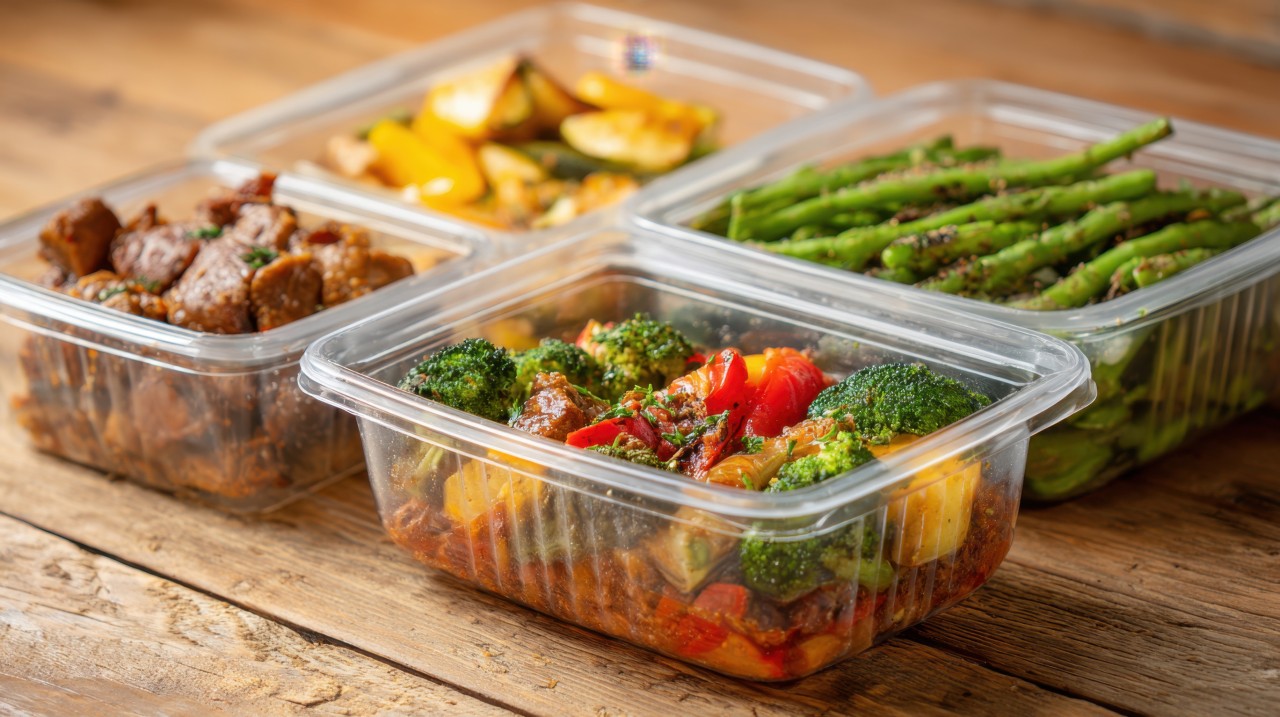
Another reason these foods are gaining attention is their versatility in everyday cooking. Simple ingredients can be combined in different ways to create soups, casseroles, stir-fries, or hearty one-pot meals that feed several people at once. A large batch of chili, stew, or pasta dish can often provide leftovers for another day, helping reduce both cooking time and food waste. By focusing on ingredients that stretch across multiple meals, many households are finding practical ways to maintain satisfying home-cooked food while keeping their grocery budgets under control and making weekly meal planning easier.
Pantry Staples Making a Strong Comeback
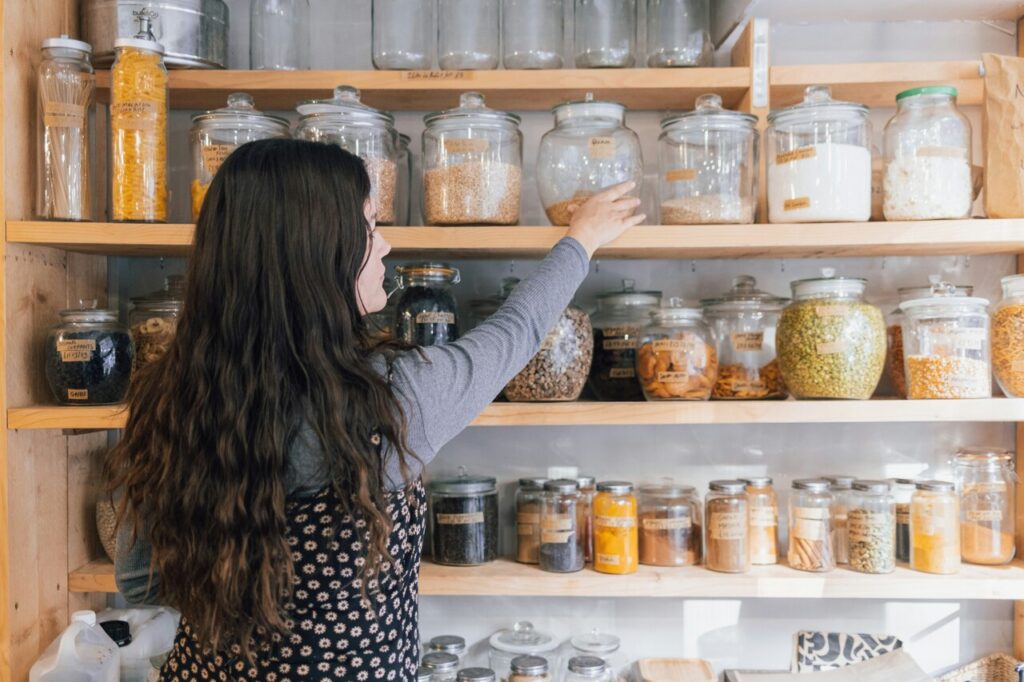
Pantry staples have quietly regained importance as households search for dependable ingredients that remain affordable and last longer on the shelf. Foods such as dried pasta, lentils, rice, canned tomatoes, oats, and shelf-stable broths have become essential building blocks for everyday cooking. These items allow families to prepare a wide variety of meals without relying on expensive specialty products or frequent grocery trips. Because they store well for weeks or months, they give shoppers a sense of security when planning meals during periods of rising food prices and uncertain budgets, helping families feel more prepared for weekly meal planning.
Another advantage of pantry staples is their remarkable flexibility in the kitchen. A bag of rice can easily become part of stir-fries, soups, casseroles, or simple side dishes, while canned beans can turn into salads, stews, burritos, or quick skillet meals. Dried pasta pairs with countless sauces and vegetables, making it one of the easiest ingredients to build a filling dinner around. Because these foods remain versatile and long-lasting, they help households cook balanced meals without overspending, which explains why pantry staples are once again becoming central to everyday home cooking and practical meal preparation.
Home Cooking Gaining Renewed Popularity
Rising food costs are encouraging many households to return to a habit that once defined everyday family life: cooking meals at home. Preparing food in the kitchen often allows families to manage their grocery spending more carefully while still enjoying filling meals. When meals are cooked at home, it becomes easier to control portion sizes, choose affordable ingredients, and avoid the extra costs that come with restaurant dining or frequent takeout. Even simple recipes made with basic pantry staples can provide satisfying dinners that stretch across several days of the week, helping families stay organized with weekly meal planning.
Cooking at home also gives people more flexibility to use ingredients efficiently and reduce waste. Leftovers can be turned into soups, casseroles, stir-fries, or pasta dishes, allowing a single batch of food to support multiple meals. Buying staple ingredients in larger quantities can further lower the cost of each serving. As more people spend time preparing meals themselves, they often develop stronger cooking skills and greater confidence in the kitchen. This renewed interest in home cooking shows how practical habits can help households manage rising food prices while still enjoying warm, homemade meals together.
Nostalgic Budget Dishes Winning Families Over

Many of the meals gaining popularity during inflation are dishes that families remember from earlier generations. Recipes such as baked casseroles, simple pasta dishes, bean soups, and hearty potato meals were originally developed to make the most of limited resources. These meals rely on inexpensive ingredients that are easy to find in most grocery stores, yet they still provide filling portions and comforting flavors. Because they are straightforward to prepare and can feed several people at once, these recipes have quietly returned to many household dinner tables as families look for practical ways to stretch their food budgets.
Nostalgia also plays an important role in why these dishes continue to resonate during periods of financial pressure. In uncertain times, people often turn toward meals that remind them of family kitchens, childhood dinners, and traditions passed down over the years. Cooking these recipes can bring a sense of familiarity and comfort that goes beyond the ingredients themselves. At the same time, these dishes highlight the value of simple cooking, showing that satisfying meals can be created from affordable ingredients without sacrificing warmth, flavor, or a sense of tradition, while keeping family meals both comforting and budget-friendly.