12 Menu Items Shrinking After Weight Loss Drug Trends

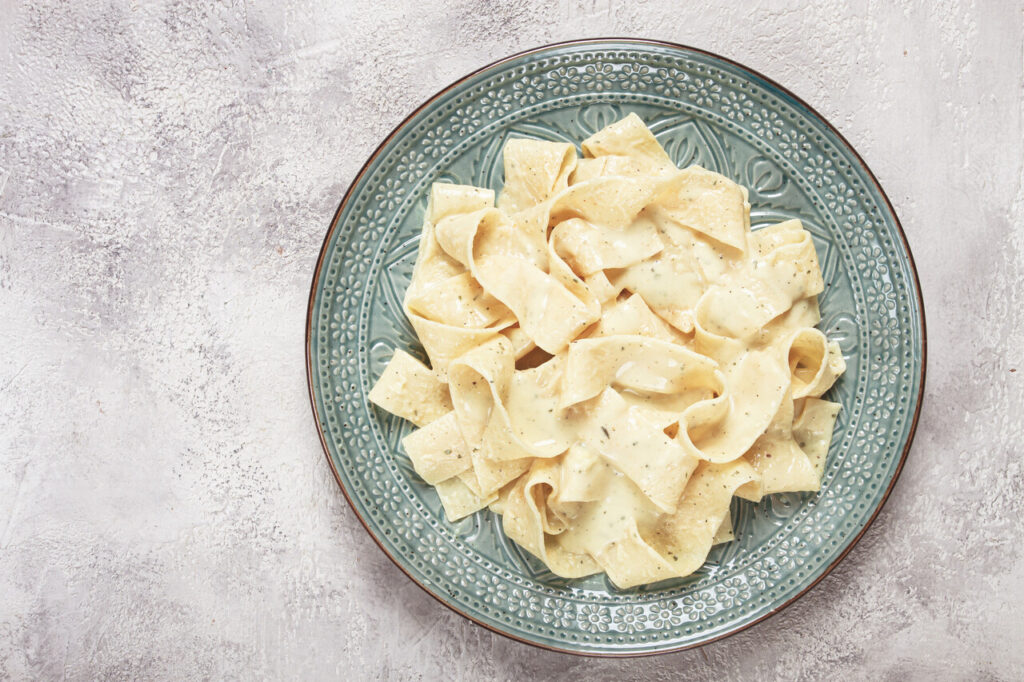
Restaurant portion sizes in the United States have been growing for decades. Giant pasta bowls, oversized burgers, and massive dessert slices became part of the dining experience. But a new trend is quietly pushing restaurants in the opposite direction. The rapid rise of GLP-1 weight loss medications such as Ozempic and Wegovy is changing how people eat when they go out. These medications suppress appetite, meaning many diners feel full much faster than before.
Restaurants are already noticing the shift. Industry reports show customers ordering fewer sides, skipping desserts more often, and leaving large portions unfinished. In response, some restaurants are adjusting plate sizes, trimming serving portions, or introducing lighter menu options designed for smaller appetites. The goal is not to eliminate favorite dishes but to make them better suited to how people actually eat today.
From pasta plates and steakhouse cuts to shareable appetizers and desserts, many familiar menu items are starting to shrink. Here are some dishes where restaurants are quietly scaling back portions as dining habits evolve.
1. Chicken Parmigiana Plates Getting Leaner on Casual Dining Menus
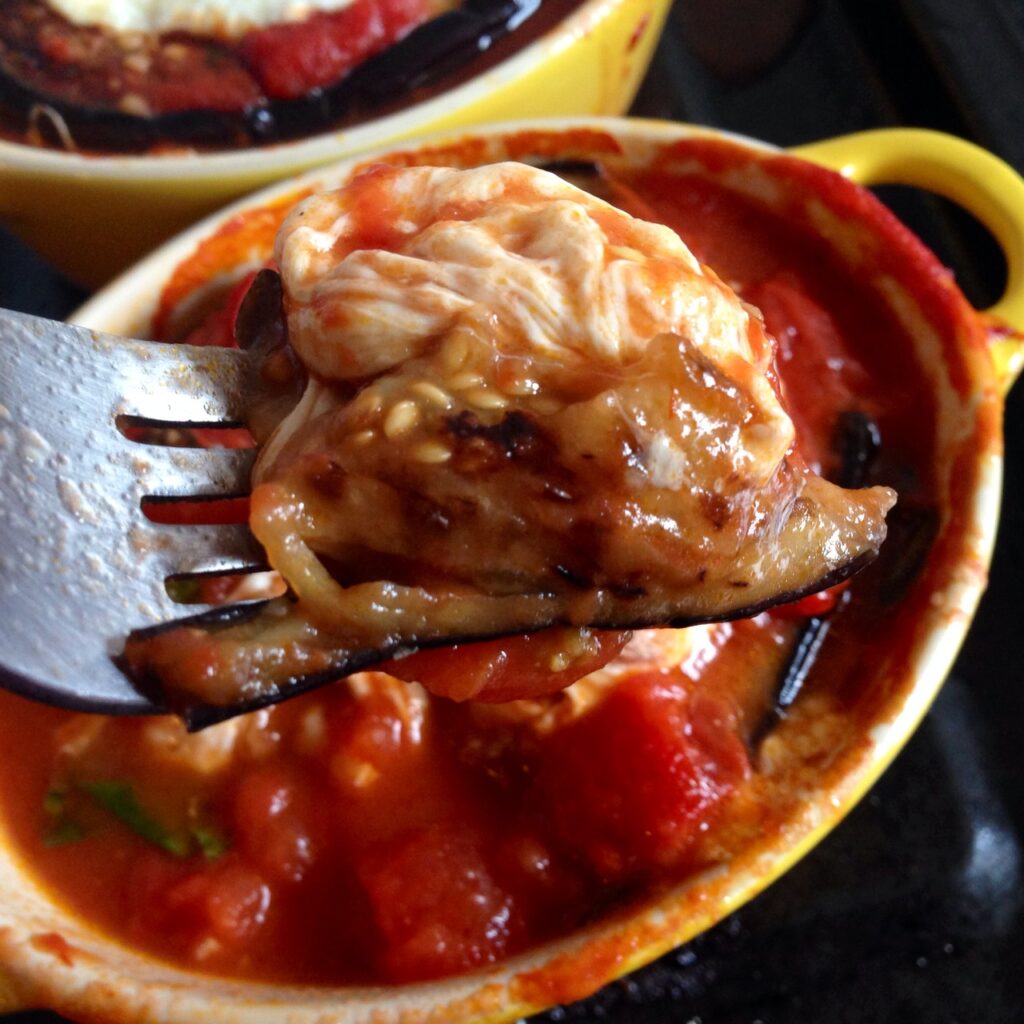
Chicken Parmigiana has long been a symbol of oversized restaurant portions. A breaded chicken breast layered with marinara, melted cheese, and pasta on the side can easily exceed a full day’s calorie needs. As appetite-suppressing medications become more common, restaurants are beginning to rethink the scale of dishes like this.
GLP-1 medications such as Ozempic and Wegovy reduce hunger signals in the brain, leading many diners to order less food or struggle to finish traditional restaurant portions. Some operators report that guests on these medications often leave large portions uneaten, prompting kitchens to test smaller entrée formats and lighter plating.
In response, some restaurants are trimming portion sizes or offering smaller entrée variations. The goal is to match modern eating habits while still delivering the familiar flavors customers expect. A leaner plate often means less pasta, smaller chicken portions, or the option to order half-size entrées.
2. Fettuccine Alfredo Portions Becoming More Modest
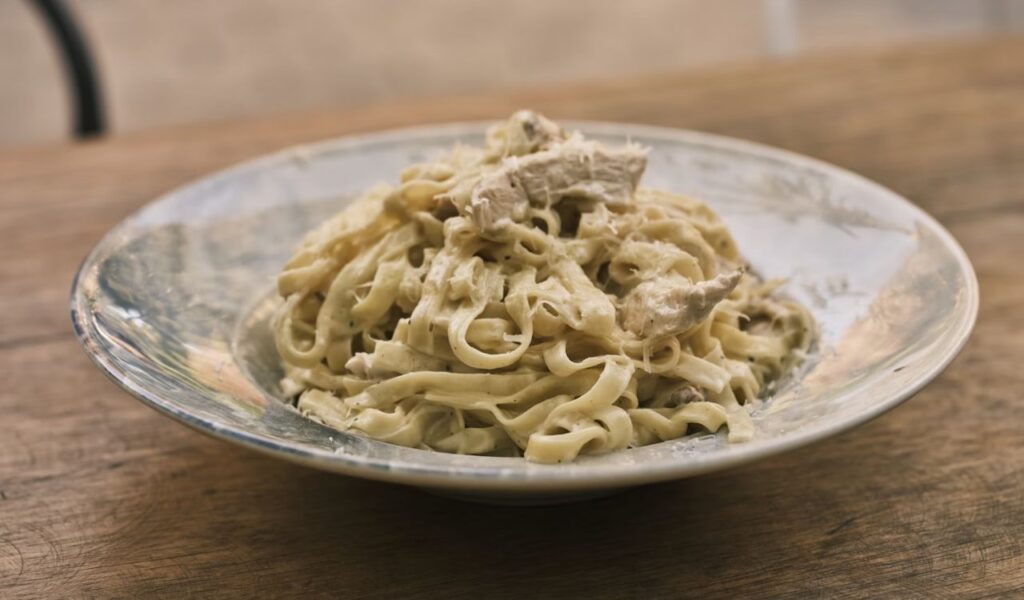
Few pasta dishes feel heavier than fettuccine Alfredo. The classic combination of butter, cream, cheese, and pasta creates a rich entrée that has traditionally been served in large portions at casual restaurants. That format is starting to shift as diners’ appetites change.
Weight-loss medications encourage smaller meals and slower eating. Many people using these treatments report feeling full after a fraction of what used to be a normal restaurant serving. That shift has encouraged some restaurants to experiment with smaller pasta bowls or lighter versions of creamy dishes.
Rather than eliminating Alfredo, kitchens are adjusting the format. Some menus now feature smaller pasta servings paired with protein or vegetables. The approach allows diners to enjoy the flavor without committing to a very large plate of pasta.
3. Lasagna Slices Shrinking From Oversized Portions
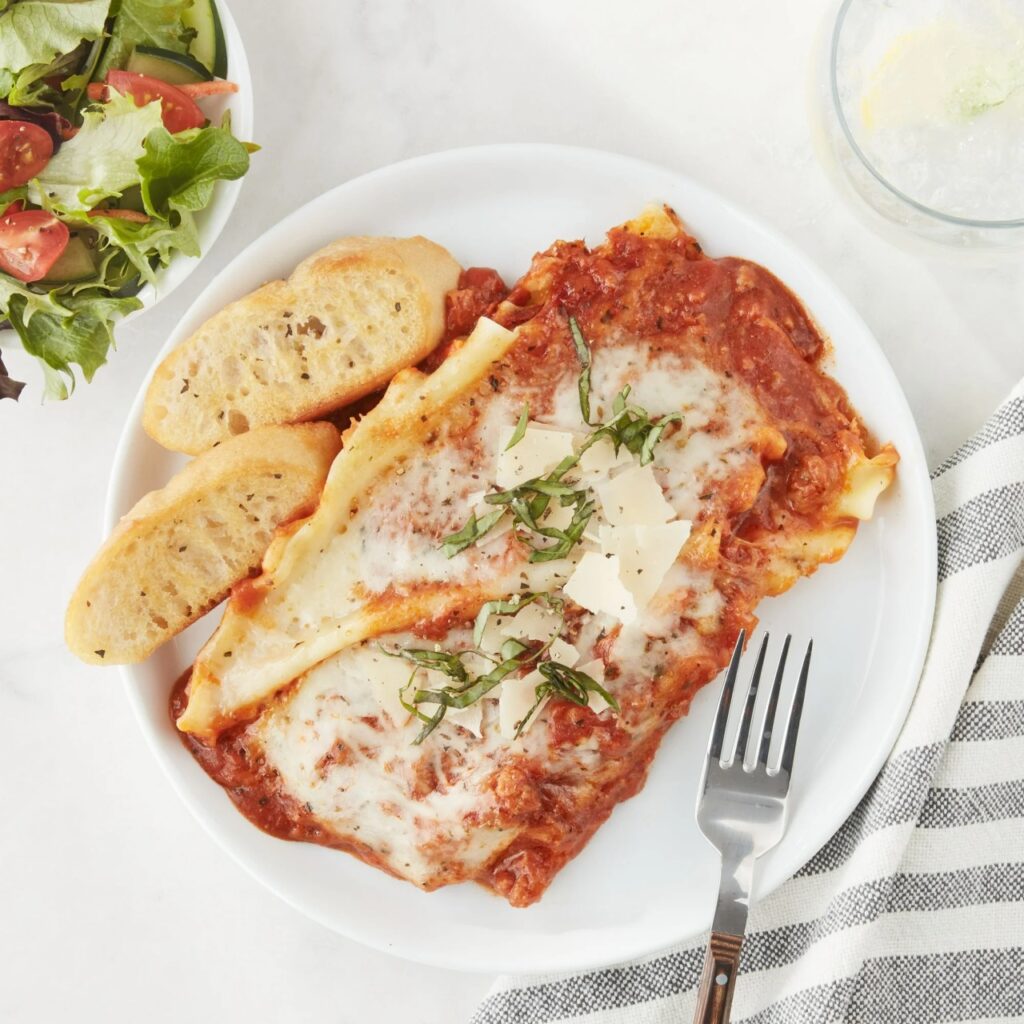
Traditional restaurant lasagna is often layered into thick slabs that dominate the plate. While satisfying, these servings can be overwhelming for diners whose appetites have changed. The rise of appetite-suppressing medications has prompted some restaurants to reconsider how large a lasagna portion needs to be.
Restaurants have noticed that guests increasingly request lighter portions or ask for half servings. The medications reduce overall food consumption, which means oversized baked pasta dishes may go unfinished more often than before.
As a result, some kitchens are cutting thinner slices or offering smaller entrée sizes. This allows restaurants to reduce waste while still keeping a classic comfort dish on the menu.
4. Five Cheese Ziti Dishes Moving Toward Smaller Bowls
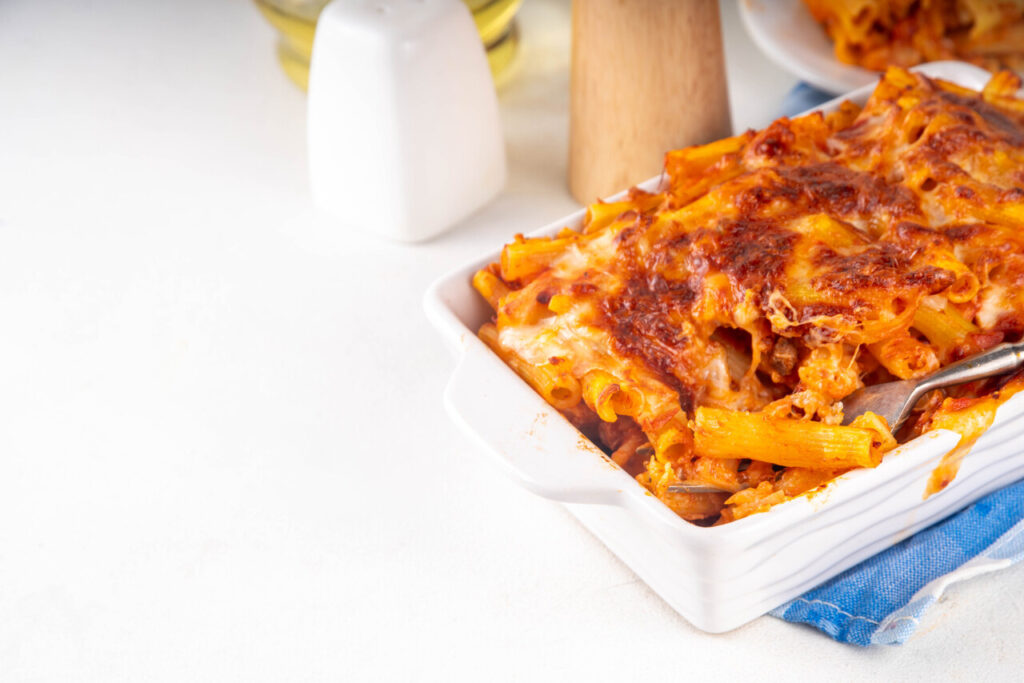
Baked ziti packed with multiple cheeses and sauce is another example of a dish built around generous servings. Traditionally, the dish arrives bubbling hot in a large bowl filled with pasta and melted cheese.
Restaurants monitoring dining trends have begun adjusting dishes like this because customers are ordering fewer items and finishing less food per visit. Research shows diners on GLP-1 medications often reduce their overall intake while still eating out regularly.
Instead of removing the dish entirely, many restaurants are offering smaller pasta bowls or sharing portions. The changes help align menu sizes with evolving eating habits without abandoning a familiar comfort food.
5. Burrito Bowls Reappearing in Smaller Formats
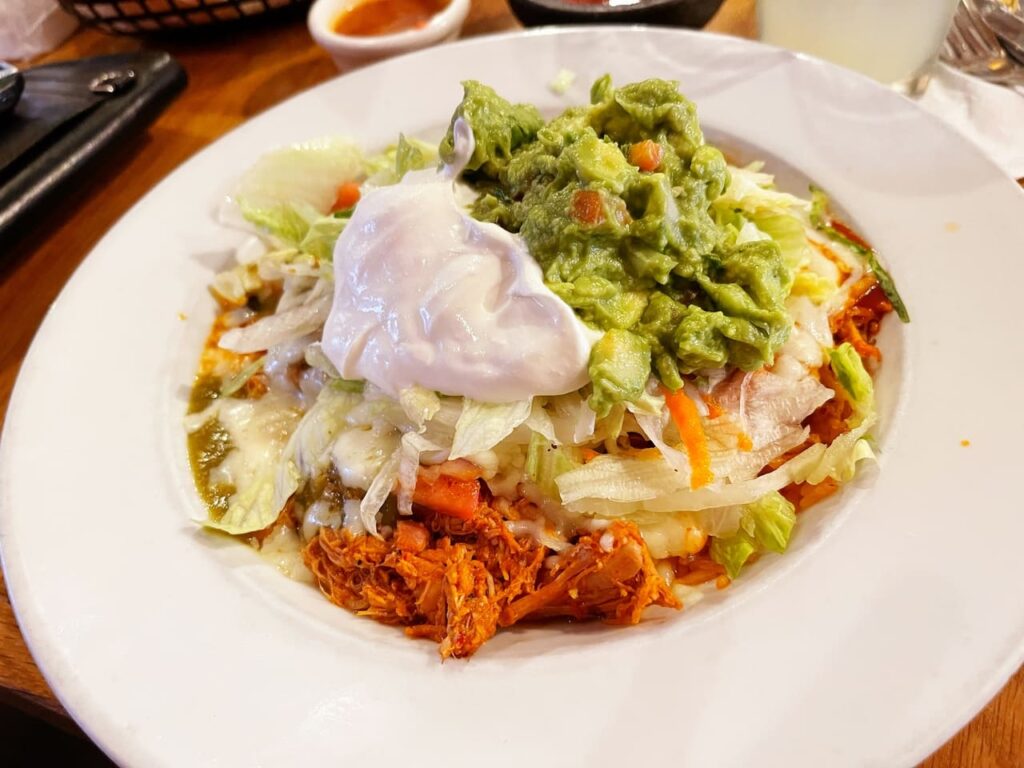
Fast casual restaurants built their reputation on large customizable bowls packed with rice, beans, meat, and toppings. These bowls can easily reach very high calorie totals. As appetites shrink for some diners, these large servings are becoming less practical.
Some chains have begun experimenting with smaller bowls, protein cups, or lighter menu options designed for people who want the same ingredients in a more modest portion. Restaurants see this as a way to keep customers who still want flavor without oversized meals.
The shift does not eliminate large bowls. Instead, it introduces new portion choices that better match changing eating patterns. Smaller bowls also allow restaurants to offer lower price points alongside traditional servings.
6. Ribeye Steak Plates Getting More Compact
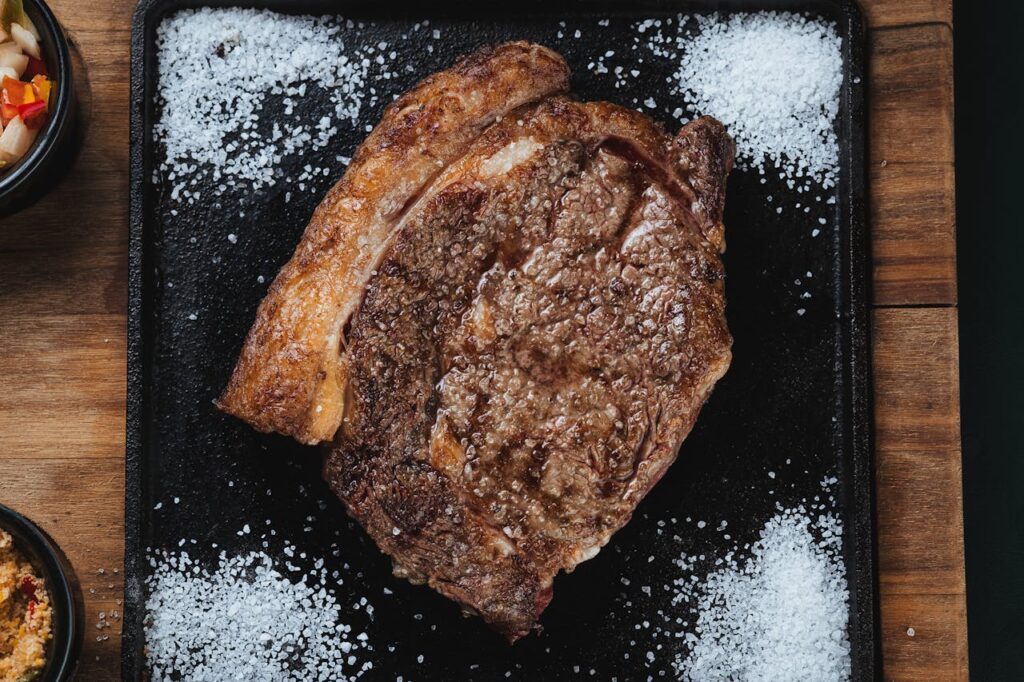
Steakhouses have traditionally built their reputation around large cuts of beef served with rich sides. Ribeye steaks are often sold in sizes ranging from twelve to sixteen ounces or more. Those portion sizes can feel excessive for diners whose appetites have been reduced.
With more consumers using appetite-suppressing medications, restaurants are considering smaller steak cuts or lighter plating options. Chefs have also introduced tasting portions or steak slices served alongside vegetables rather than oversized slabs of meat.
These changes allow steakhouses to maintain their identity while adapting to evolving dining preferences. Smaller steaks also help reduce waste when customers are unable to finish traditional servings.
7. Cheeseburger Platters Downsizing Slightly

Classic cheeseburger platters often include large patties, oversized buns, fries, and extra toppings. This format reflects decades of restaurant culture built around generous portions. The landscape is beginning to shift as diners increasingly prefer lighter meals.
Weight-loss medications have changed how some customers approach fast casual and burger restaurants. Instead of ordering multiple items or oversized burgers, many guests now look for smaller single patties or simplified builds.
Restaurants are responding with smaller burgers, lettuce-wrapped options, or reduced side portions. These changes maintain the core menu item while making it easier for diners to enjoy the meal without excess.
8. Loaded Nacho Platters Becoming Less Overwhelming
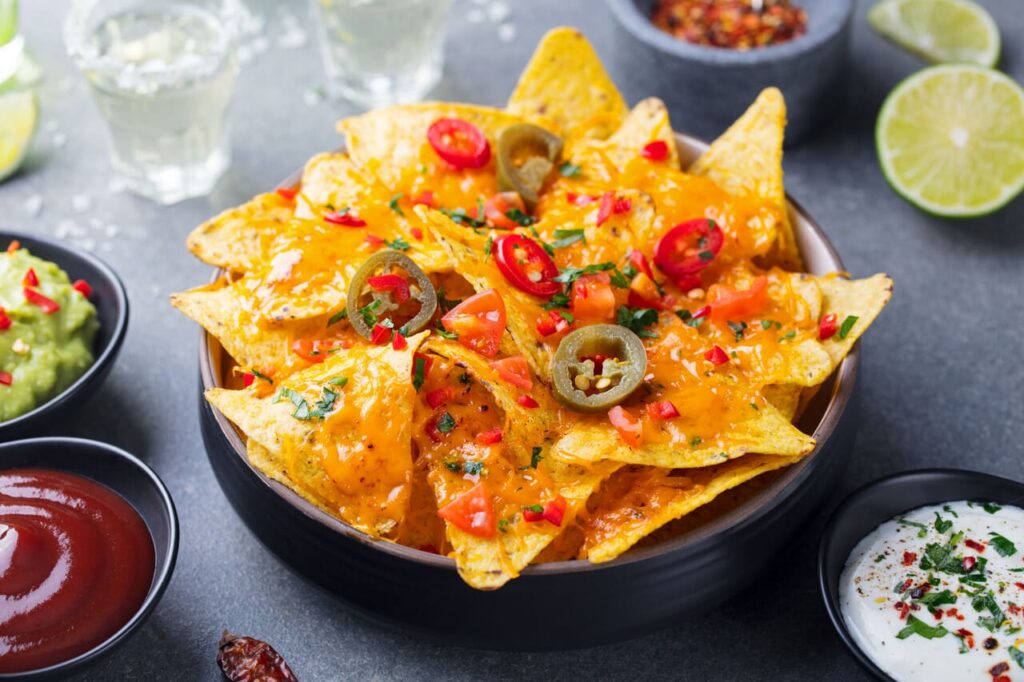
Loaded nachos are traditionally designed as large shareable appetizers piled high with chips, cheese, meat, and toppings. In recent years, the portion sizes of these platters have grown significantly in many restaurants.
As eating habits evolve, oversized appetizer platters are being reconsidered. Diners who eat less may prefer smaller snack portions rather than a full tray of chips. Restaurants have noticed a shift toward fewer side dishes and smaller shared plates.
Some kitchens now serve smaller nacho trays or half portions designed for two people instead of a large group. The idea is to keep the fun of the dish while reducing the sheer quantity of food.
9. Chicken Wing Platters Scaling Back
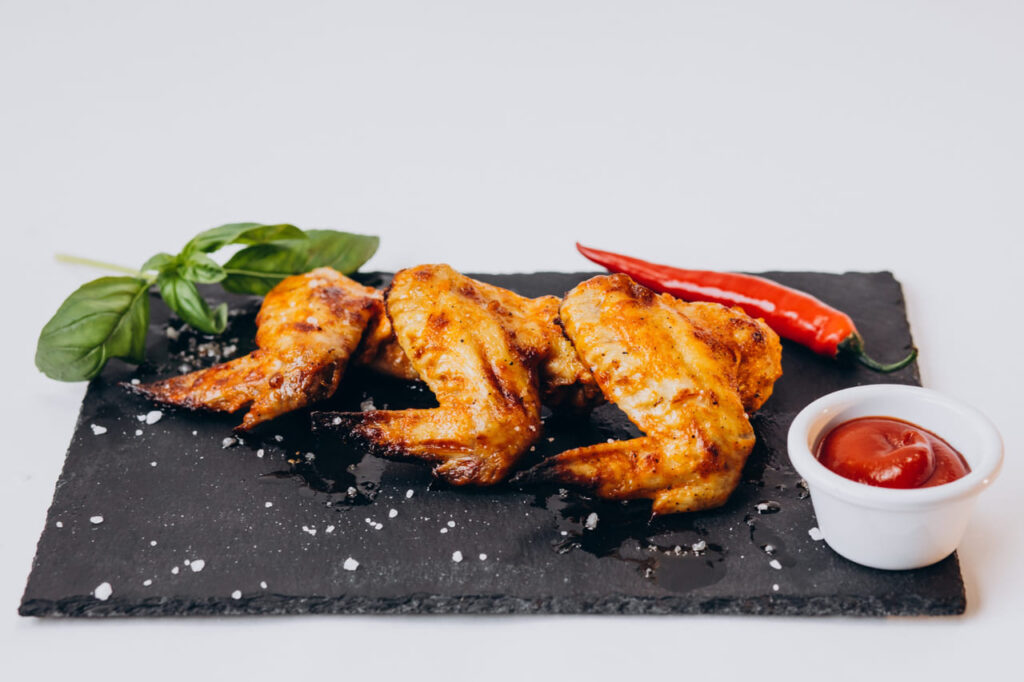
Chicken wings are a staple appetizer in many restaurants, often sold in large bundles of twelve or more pieces. As appetites change, these large portions may feel excessive for some diners.
Research shows that people using appetite-suppressing medications tend to order fewer side dishes and snacks when dining out. This behavior encourages restaurants to offer smaller portions or flexible serving sizes for items like wings.
Instead of removing wings from the menu, restaurants are offering six-piece servings or customizable counts. The smaller portions align better with modern dining patterns while keeping a popular item available.
10. Pasta Tasting Portions Appearing on Upscale Menus
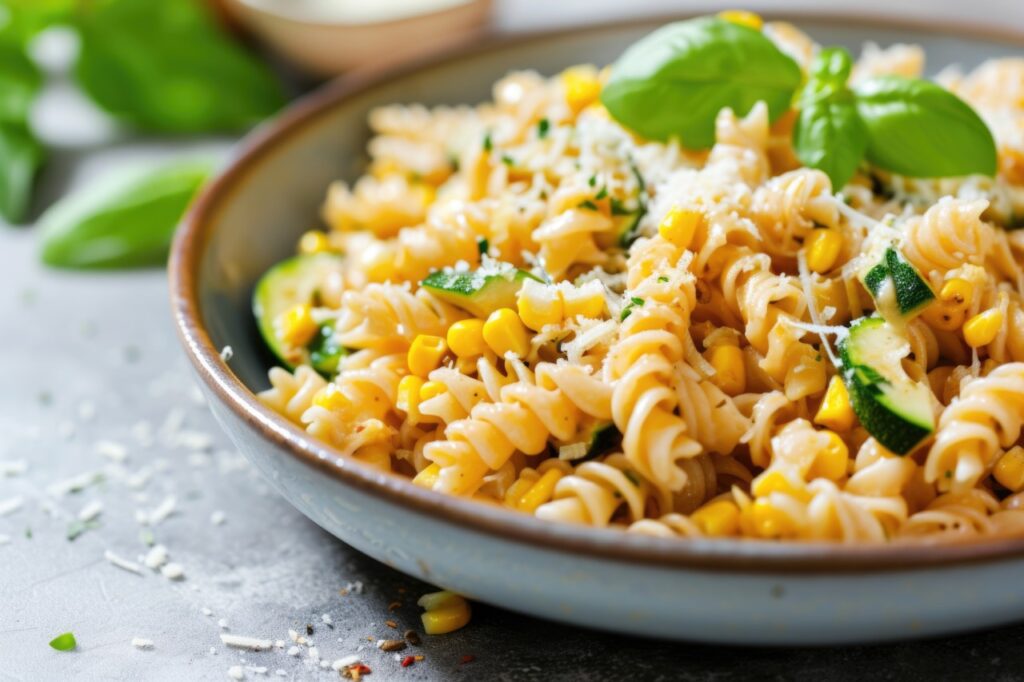
Upscale restaurants have begun experimenting with tasting-sized pasta portions. Instead of a full bowl of pasta, guests may receive a smaller serving designed to highlight flavor without overwhelming the appetite.
The approach mirrors a broader industry trend toward lighter menus and nutritionally balanced dishes. Some restaurants are even introducing sections labeled “lighter portions” to reflect these changes.
For diners, tasting portions allow them to enjoy a rich pasta dish without committing to a heavy plate. Restaurants benefit by offering more flexible dining experiences that match changing appetites.
11. Dessert Cakes Served in Smaller Slices
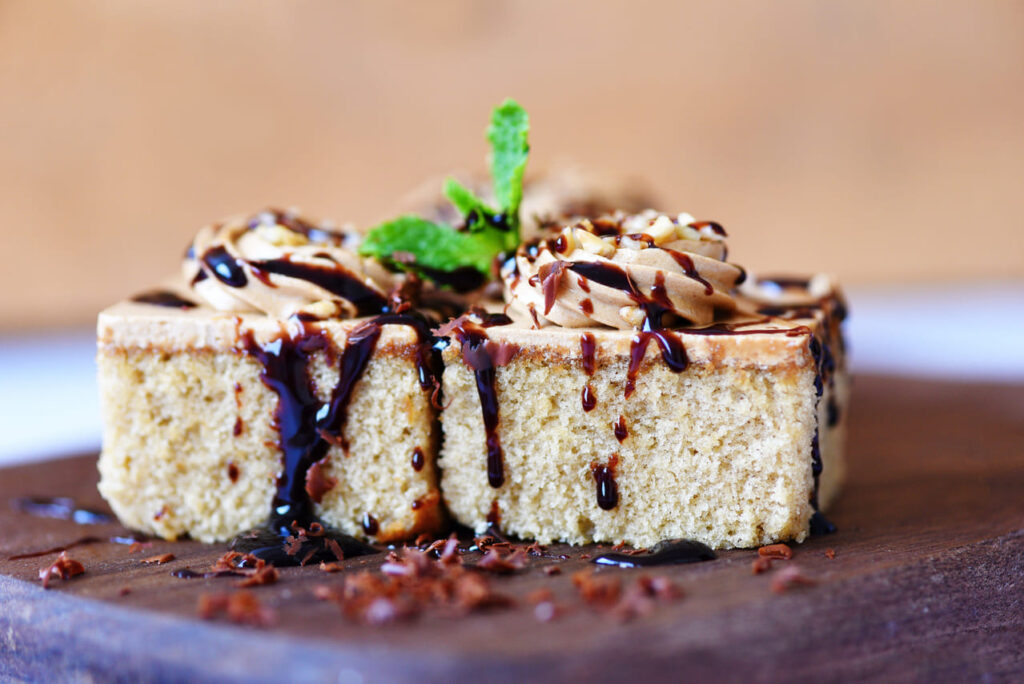
Large slices of cake or cheesecake have long been a signature dessert at many restaurants. These portions often exceed what many diners can comfortably finish, especially after a full meal.
As appetite-suppressing medications become more common, restaurants are noticing that dessert orders sometimes decline or remain unfinished. In response, some bakeries and restaurants have begun cutting smaller slices or offering miniature dessert versions.
Smaller desserts allow diners to enjoy a sweet ending without feeling overwhelmed. This shift also helps restaurants reduce waste while maintaining a full dessert menu.
12. Cocktail and Wine Portions Becoming More Moderate
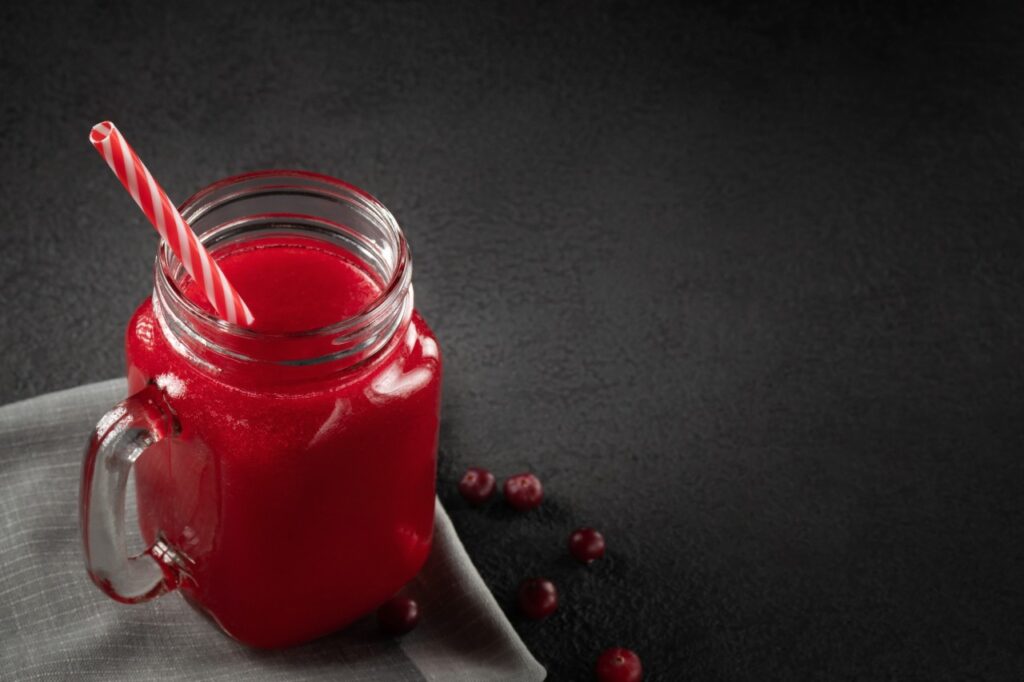
Beverage trends are also shifting as appetite-suppressing medications influence drinking habits. Some people taking these medications report lower interest in alcohol or discomfort when consuming larger drinks.
Studies show people using GLP-1 medications often reduce alcohol intake significantly compared with their previous habits. Restaurants and bars are responding by expanding lower alcohol drinks, half pours of wine, or lighter cocktails.
These smaller beverage formats give customers more flexibility. Diners can still enjoy a drink with their meal while matching the lighter eating patterns that are becoming more common in the restaurant industry.