9 Chocolate Brands Raising Prices After Cocoa Spikes


Chocolate lovers around the world are starting to notice something changing at the checkout counter. The price of chocolate has been climbing, and the reason largely comes down to one critical ingredient: cocoa. Over the past few years, global cocoa prices have surged to historic highs after a series of poor harvests in key producing regions like Ghana and the Ivory Coast. Weather disruptions, plant diseases, and aging cocoa trees have tightened supply just as worldwide demand for chocolate continues to grow.
For chocolate manufacturers, cocoa is not an ingredient that can easily be replaced or reduced without affecting taste and texture. As production costs rise, many companies are left with difficult choices. Some are increasing retail prices, while others are shrinking package sizes or adjusting product lines to manage the pressure.
From iconic American candy makers to premium European chocolatiers, several well-known brands are responding to the cocoa crisis with price adjustments. Here are some chocolate companies that have raised prices as cocoa costs continue to climb.
1. Hershey’s Facing Rising Costs as Cocoa Prices Surge

Few chocolate companies are as closely tied to the American candy aisle as Hershey’s. From classic milk chocolate bars to seasonal treats, the brand has built a reputation around affordability and familiarity. That balance has been challenged recently as cocoa prices reached record levels on global markets.
Cocoa is the most critical ingredient in chocolate production, and much of the world’s supply comes from West Africa. Weather disruptions, plant diseases, and aging cocoa trees in major producing countries have sharply reduced harvests in recent seasons. When supply tightens this dramatically, the price of cocoa beans can climb quickly, creating pressure for manufacturers that rely heavily on the ingredient.
For Hershey’s, the result has been a mix of price adjustments and packaging changes across several products. The company has signaled that rising cocoa costs are forcing it to rethink pricing strategies while still trying to maintain the accessibility that helped make the brand a household name for generations of chocolate lovers.
2. Lindt & Sprüngli Adjusting Premium Chocolate Pricing
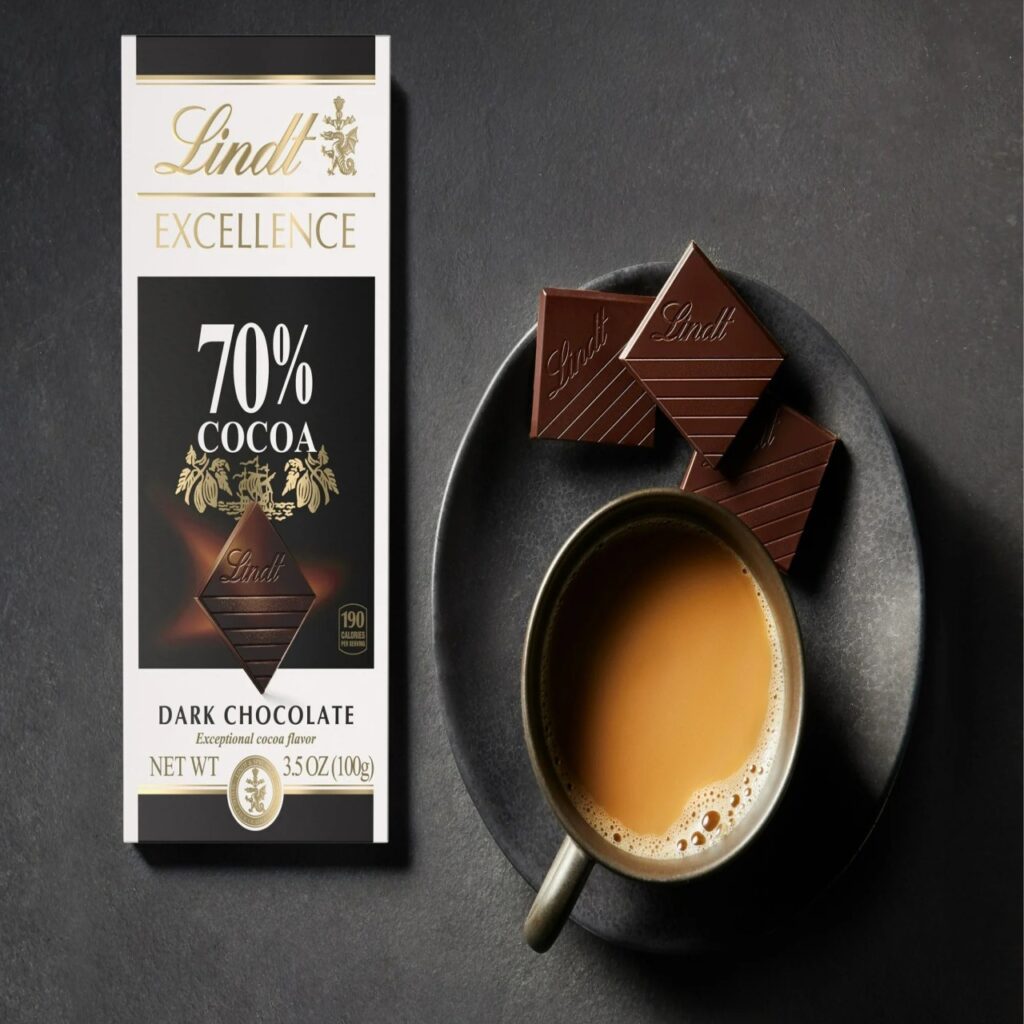
Swiss chocolatier Lindt & Sprüngli is known for premium chocolate bars and its signature Lindor truffles. The brand has long positioned itself at the higher end of the chocolate market, emphasizing quality ingredients and traditional European chocolate-making techniques. Even so, record cocoa prices have pushed the company to increase prices across several markets.
Unlike mass-market candy brands, premium chocolate makers depend heavily on cocoa content for flavor and texture. High cocoa percentages mean that fluctuations in cocoa bean prices directly affect production costs. When cocoa prices surge globally, premium brands often feel the impact quickly because they cannot easily reduce cocoa content without altering the product’s character.
Lindt has responded by gradually raising retail prices while emphasizing quality and craftsmanship. The strategy allows the company to absorb some of the rising ingredient costs without compromising the flavor profile that loyal customers expect from its chocolate bars and truffles.
3. Mondelēz Brands Like Cadbury and Toblerone Facing Higher Ingredient Costs
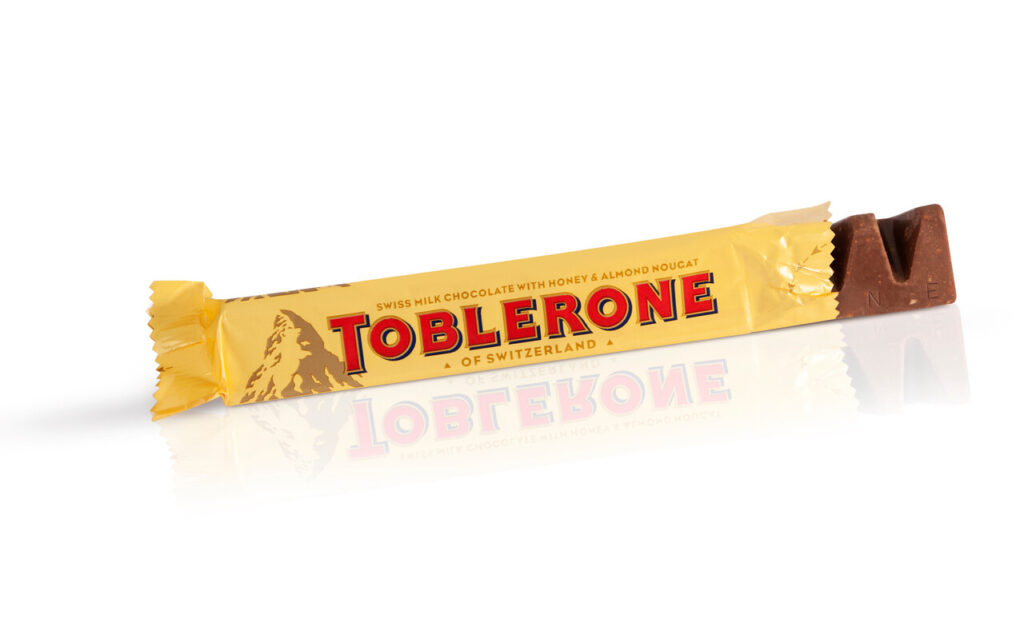
Mondelēz International produces some of the most recognizable chocolate brands in the world, including Cadbury and Toblerone. These products appear in grocery stores across dozens of countries, making the company especially sensitive to global swings in ingredient prices.
The cocoa market has experienced extreme volatility due to climate-related crop failures and supply shortages in major producing regions such as Ghana and the Ivory Coast. When cocoa prices rise dramatically, manufacturers with large international product lines face higher production costs across millions of chocolate bars and candies.
To manage these pressures, companies like Mondelēz have raised prices on certain products while adjusting packaging sizes in some markets. These steps help maintain profitability while allowing brands like Cadbury and Toblerone to remain widely available to consumers.
4. Nestlé Responding to Cocoa Market Volatility
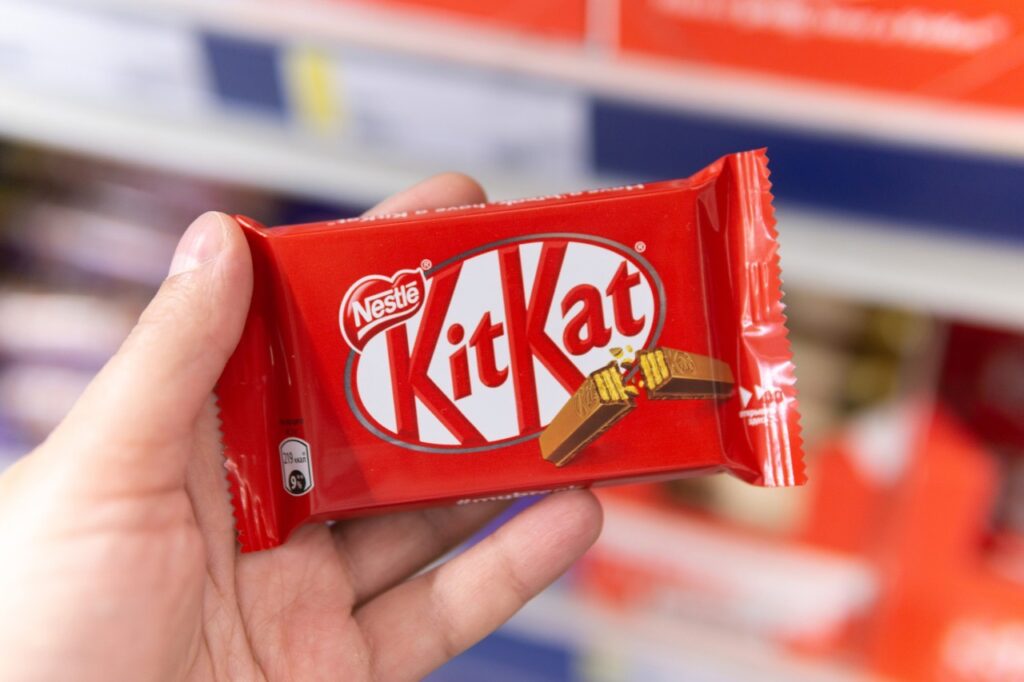
Nestlé is one of the largest food companies in the world, with a long history in the chocolate business. Products such as KitKat and various regional chocolate bars rely heavily on cocoa as a core ingredient, making them vulnerable to fluctuations in the cocoa market.
Global cocoa prices have surged to levels rarely seen before, largely due to harvest problems in West Africa. Farmers have struggled with plant diseases, unpredictable rainfall patterns, and rising production costs. These factors have reduced cocoa output while demand for chocolate continues to grow worldwide.
Nestlé has responded by adjusting product pricing and refining its ingredient sourcing strategies. By managing costs across its supply chain, the company aims to keep chocolate products accessible while navigating one of the most challenging cocoa markets in decades.

Ferrero is best known for products like Ferrero Rocher, Kinder chocolate, and Nutella. Many of these products combine cocoa with hazelnuts and other ingredients, but cocoa remains a central part of their flavor and production.
When cocoa prices spike, manufacturers that produce premium chocolate confections must carefully balance ingredient quality with rising costs. Ferrero sources cocoa from several regions, yet the global supply shortage has still affected pricing throughout the industry.
In response, Ferrero has gradually adjusted retail pricing in certain markets while continuing to invest in sustainable cocoa sourcing programs. These programs aim to support farmers while stabilizing supply over the long term, which is increasingly important as climate challenges affect cocoa-growing regions.
6. Barry Callebaut Passing Costs Through the Supply Chain

Barry Callebaut may not be a household name for most shoppers, but the company plays a huge role in the chocolate industry. It supplies cocoa and chocolate ingredients to many well-known confectionery brands and food manufacturers around the world.
Because the company operates largely as a supplier, rising cocoa prices have a direct impact on its entire business model. When cocoa bean costs increase sharply, those expenses flow through the supply chain to chocolate makers and ultimately to retail products.
Barry Callebaut has addressed the situation by adjusting contract pricing with customers and investing in long-term cocoa sourcing strategies. These measures help ensure that chocolate manufacturers can continue producing products even as ingredient prices fluctuate dramatically.
7. Tony’s Chocolonely Balancing Ethics and Rising Costs

Tony’s Chocolonely built its reputation on ethical cocoa sourcing and transparency in the chocolate industry. The brand focuses on paying farmers more fairly and supporting supply chains that avoid exploitative labor practices.
These commitments make the company particularly sensitive to cocoa price changes. Ethical sourcing often involves paying higher prices to farmers, and when global cocoa prices rise, the cost of maintaining responsible supply chains can increase even further.
As a result, Tony’s Chocolonely has introduced price increases in some markets to sustain its sourcing model. The company emphasizes that these adjustments help support farmers and maintain the ethical standards that define its brand.
8. Dove Chocolate From Mars Adjusting to Ingredient Inflation

Dove chocolate, produced by Mars, is widely sold in grocery stores and convenience outlets. Known for smooth milk chocolate squares and bars, the brand relies heavily on cocoa supplies that are affected by global market conditions.
Mars sources cocoa from several producing countries, but the overall shortage of cocoa beans has still raised manufacturing costs. When prices surge across the commodity market, large candy companies must adjust pricing structures across multiple product lines.
In response, Mars has raised prices on some chocolate products while exploring ways to improve efficiency within its supply chain. These changes allow the company to maintain product quality while navigating a challenging cocoa market.
9. Amul Chocolate Facing Global Cocoa Price Pressure

Amul is best known as a dairy cooperative in India, but it has also developed a growing presence in the chocolate market. Products like Amul dark chocolate and milk chocolate bars have gained popularity both domestically and internationally.
Like other chocolate manufacturers, Amul depends on imported cocoa beans to produce many of its chocolate products. When global cocoa prices surge, the cost of these imports increases significantly, creating pressure on pricing in local markets.
To cope with these rising ingredient costs, the company has adjusted retail prices on certain chocolate products while continuing to expand its chocolate lineup. These moves reflect the broader reality that even regional chocolate brands are feeling the impact of global cocoa supply challenges.