Kroger Store Brands Are Taking Over Quietly in 7 Ways

Something subtle is happening in grocery aisles, and most shoppers are only noticing it after the fact. The familiar national brands are still there, but right beside them, store brands are quietly stepping into the spotlight with surprising confidence.
At Kroger, this shift feels intentional rather than accidental. Products that once played a supporting role are now designed to compete on quality, appearance, and trust, making them harder to overlook with each visit.
The real change is not loud or obvious. It builds slowly through better choices, better value, and consistent results, until one day you realize your cart looks very different from how it used to.
1. Private Labels That Feel Like Premium Brands
What used to be seen as a budget substitute now feels surprisingly refined. Kroger has reshaped its private labels to compete directly with premium products, not just undercut them on price. This shift is visible in ingredient sourcing and flavor development.
Product lines like Simple Truth focus on organic and clean-label ingredients, while Private Selection leans into gourmet-style offerings. These are not limited ranges but carefully expanded categories that match what shoppers expect from upscale brands.
The result is a subtle but powerful change in perception. Shoppers no longer feel like they are compromising. Instead, they are choosing products that deliver both quality and value, making store brands a confident choice.
2. Lower Prices Without the “Cheap” Feel
The idea that lower price means lower quality is steadily fading. Kroger has invested in improving its store brands so they deliver consistent performance while still remaining more affordable than national brands.
This balance is achieved through direct sourcing, reduced marketing costs, and tighter control over production. Savings are passed on to customers without cutting corners on product standards.
For shoppers, the experience feels different now. The packaging, taste, and reliability match expectations, so the lower price becomes an added benefit rather than a warning sign. This shift encourages repeat purchases and long-term trust.
3. Expansion Into Health-Focused Products
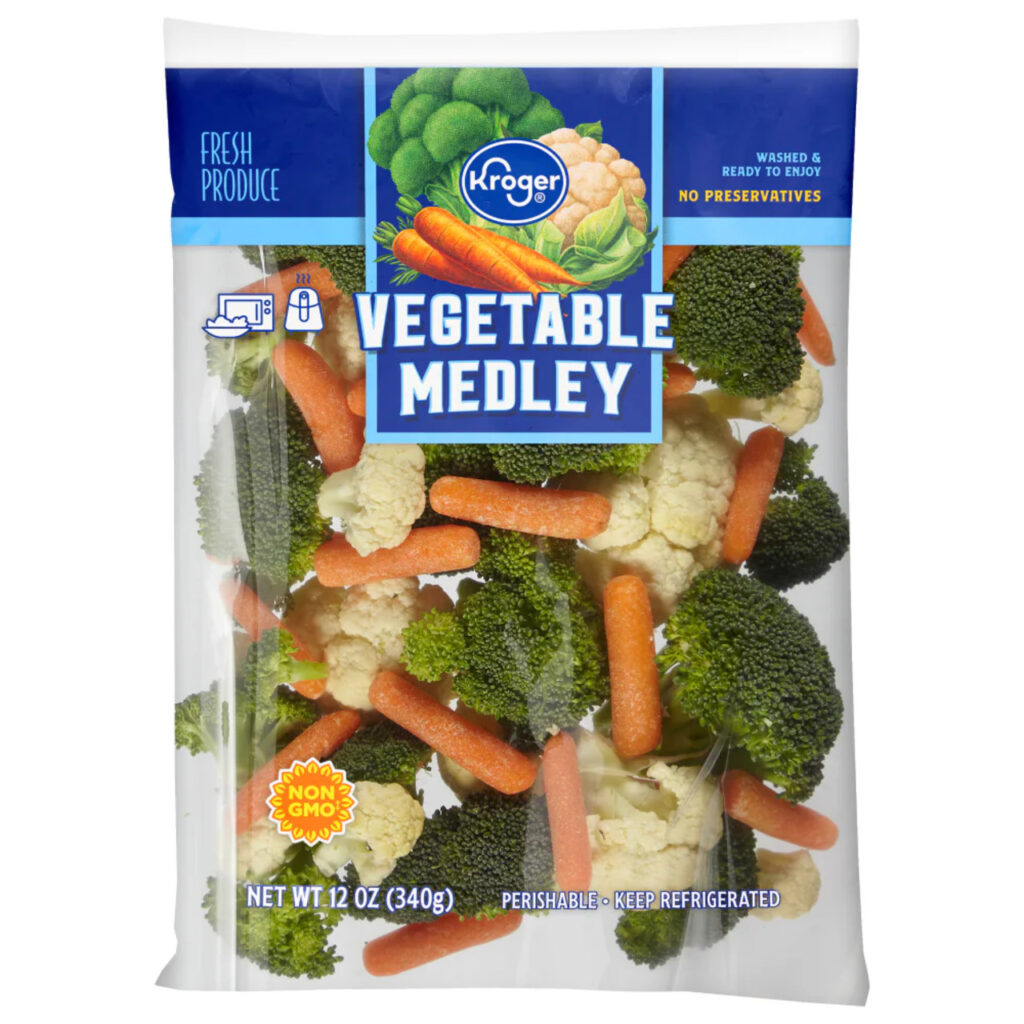
The growing demand for healthier food options has reshaped grocery shelves, and Kroger has responded by expanding its store brands into this space. Organic, plant-based, and minimally processed products are now a major part of its offerings.
Simple Truth, in particular, has become a key player by focusing on transparency and ingredient clarity. Products often avoid artificial additives, aligning with what many shoppers actively look for.
This expansion makes healthier choices more accessible. Instead of seeking out specialty stores, customers can find a wide range of better-for-you options within their regular shopping routine, making healthy eating more convenient.
4. Better Shelf Placement and Visibility
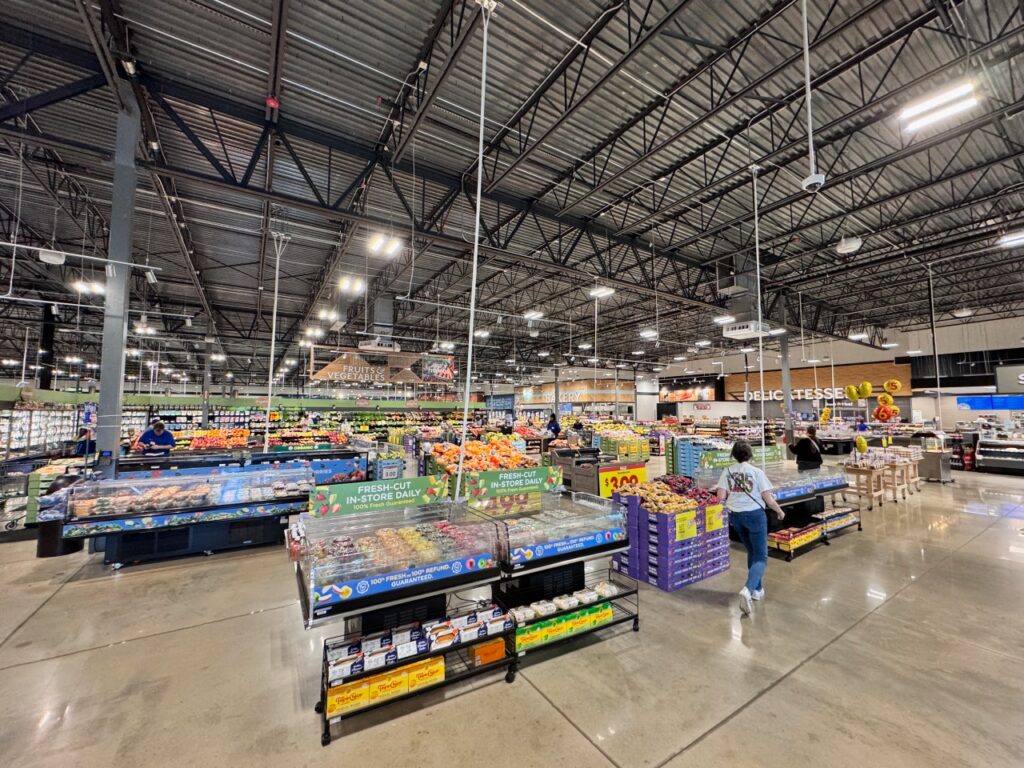
Where a product sits on the shelf can influence decisions more than most people realize. Kroger places its store brands at eye level and in high-traffic sections, making them easier to notice and compare during quick shopping decisions.
This positioning is not accidental. Eye-level placement increases visibility and encourages shoppers to consider store brands alongside national options rather than overlooking them. It reduces the effort needed to spot these products in crowded aisles.
Over time, this repeated exposure builds familiarity. Shoppers begin to recognize the packaging and trust the brand, which naturally increases the likelihood of choosing it again. Familiar placement slowly turns into a reliable shopping habit.
5. Wider Variety Across Categories
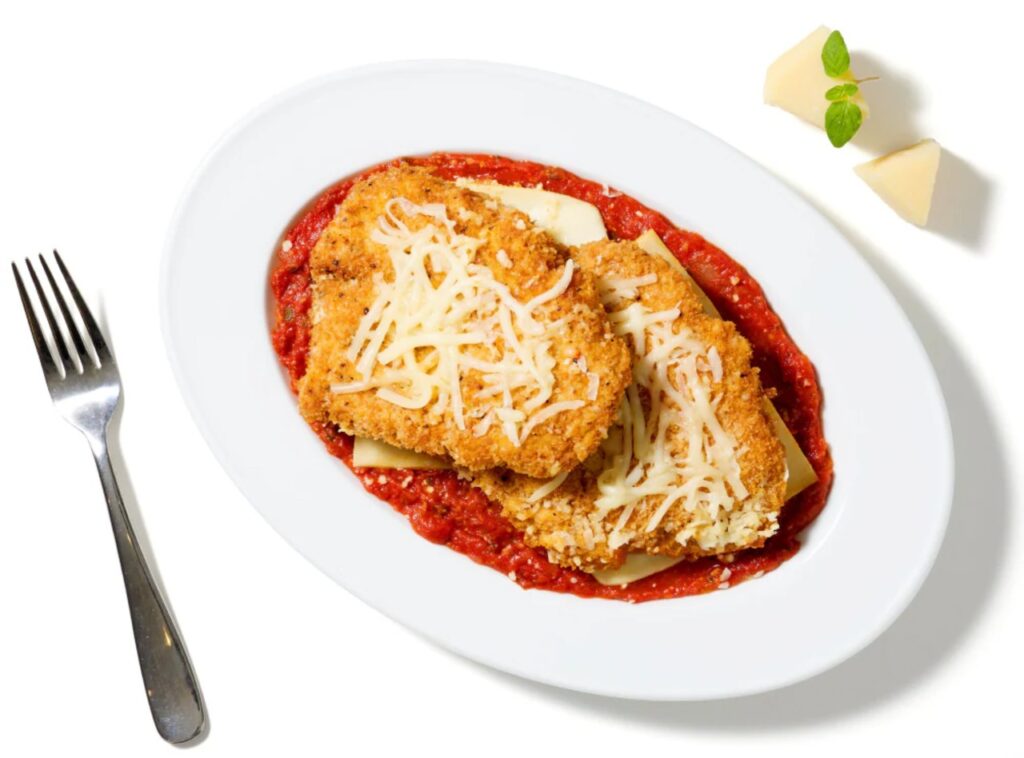
Store brands are no longer limited to basic staples. Kroger has expanded its private labels to cover a wide range of categories, including fresh foods, snacks, beverages, and ready meals that fit everyday needs.
This variety allows shoppers to rely on store brands for most of their grocery needs. It also simplifies decision-making, as customers can stick with a familiar label across different product types without second-guessing quality.
The consistency across categories builds confidence. When one product meets expectations, shoppers are more willing to try others, gradually increasing their dependence on store brands and reducing the need to switch between labels.
6. Improved Packaging and Branding
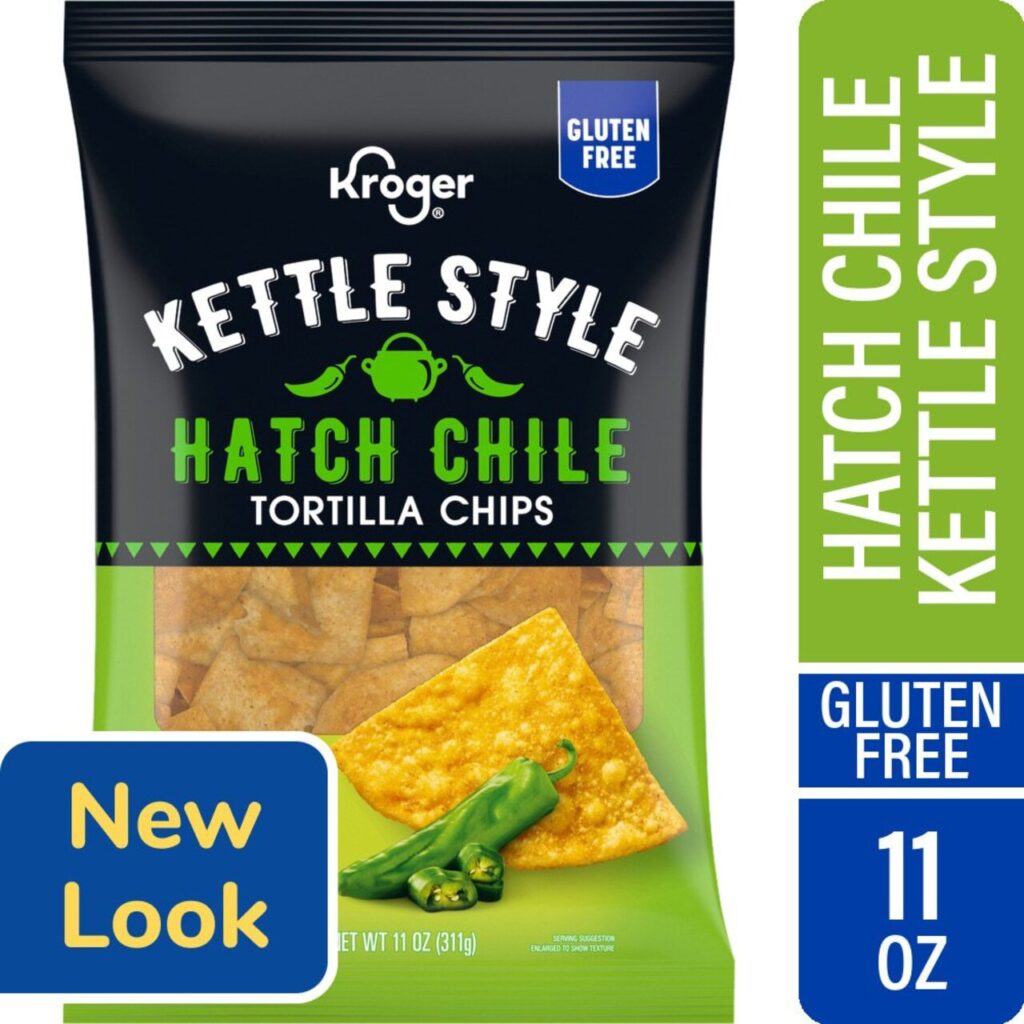
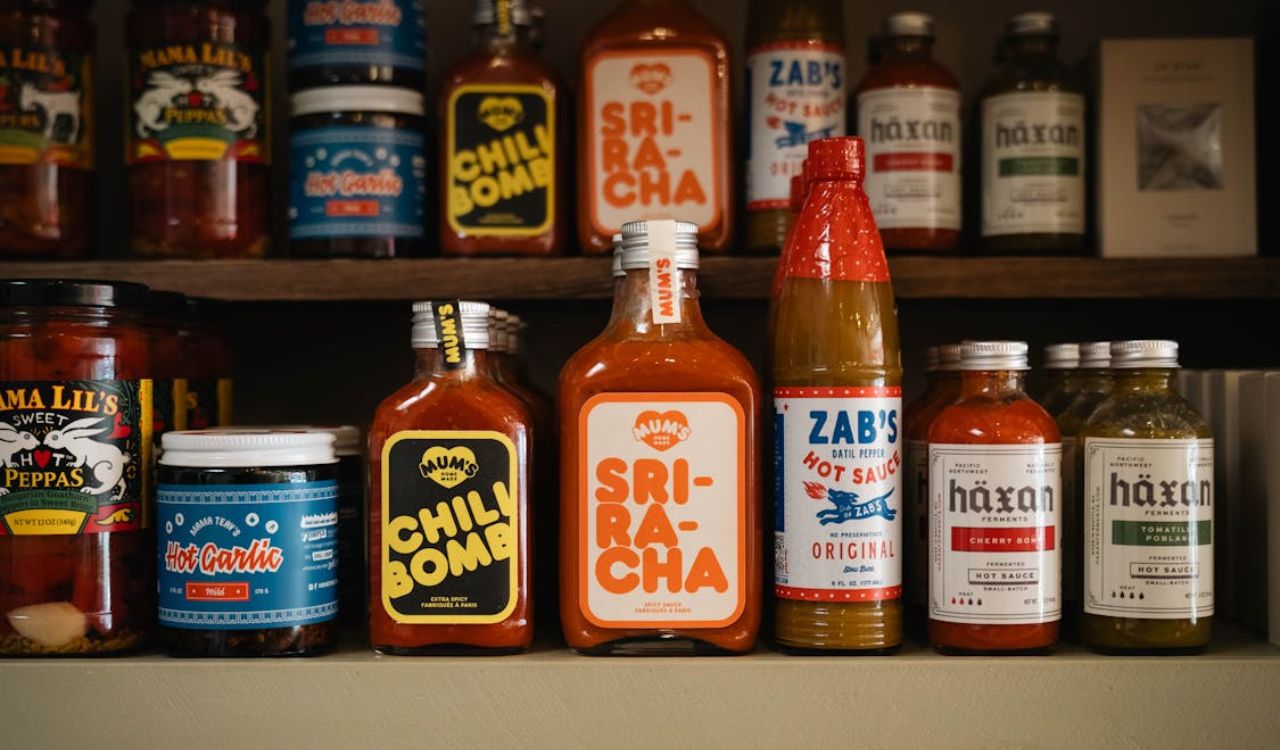
First impressions often come from packaging, and Kroger has refined its store brand designs to look modern and appealing on shelves. Clean layouts, clear labeling, and thoughtful color choices make products stand out instantly.
This change helps remove the outdated image of store brands as generic or plain. Instead, they now resemble well-designed national brands that communicate quality and care clearly and simply.
Better packaging also improves usability. Clear information and an organized design make it easier for shoppers to understand what they are buying, which builds trust and encourages repeat purchases over time.
7. Strong Customer Trust and Loyalty
Trust is built over time through consistent experiences. As shoppers repeatedly find that Kroger store brands meet their expectations, confidence grows naturally with each successful purchase.
Positive experiences reduce the need to compare every purchase with national brands. Customers begin to rely on store brands as their default choice, knowing what to expect each time they shop without hesitation.
This loyalty strengthens gradually but steadily. It turns occasional buyers into regular users and gives Kroger a strong competitive edge in a market where trust plays a key role in long-term decision-making and repeat buying behavior.