There’s a Pattern Behind Trader Joe’s Products

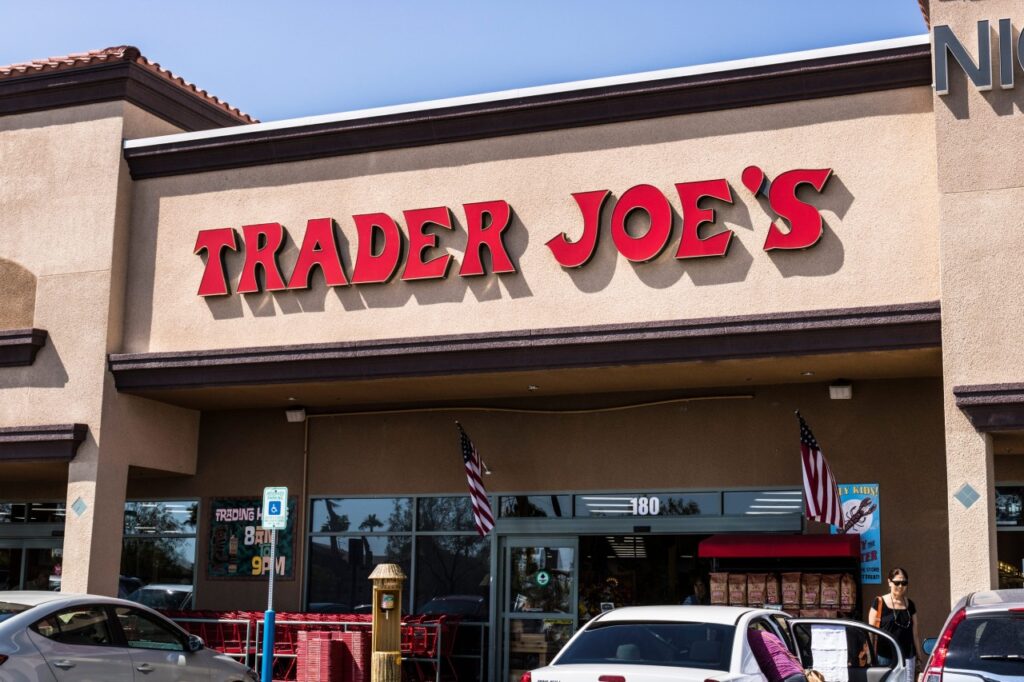
At first glance, it feels like just another grocery trip. But step into Trader Joe’s, and a quiet pattern begins to reveal itself through the shelves, the packaging, and the choices you make without even realizing it.
What looks simple on the surface is carefully designed behind the scenes. From the products offered to the way they are presented, every detail follows a clear approach that shapes how you shop and what you trust.
The more you notice it, the harder it is to ignore. What seems like a casual experience is actually a thoughtful system that keeps drawing you back, one familiar product at a time.
1. A Small Selection That Feels Carefully Curated
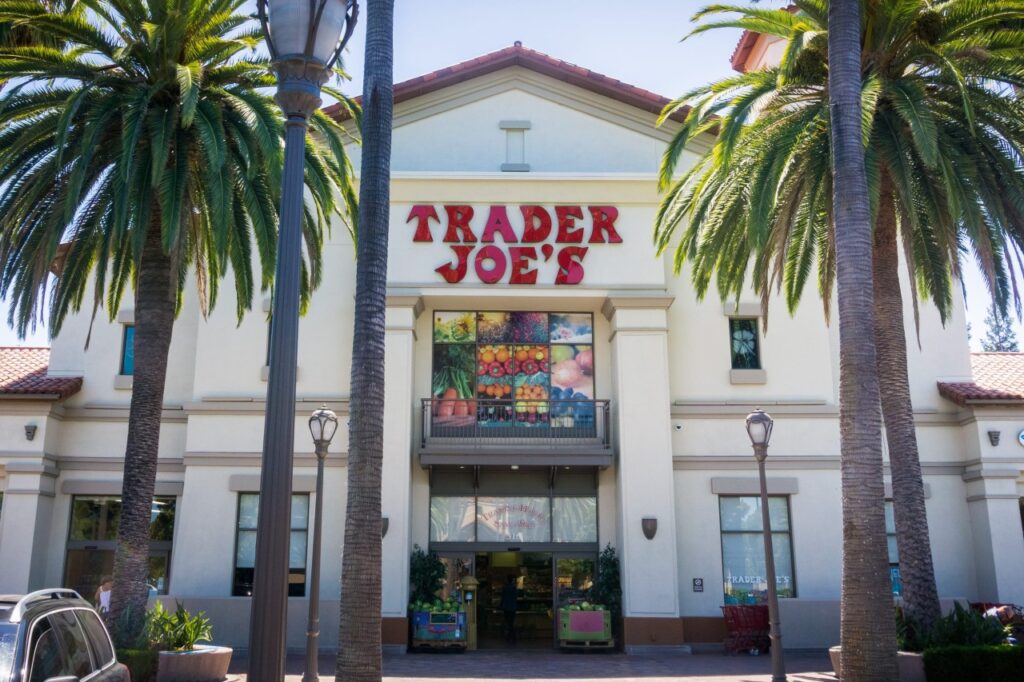
Walking into Trader Joe’s feels different because there is less to look at, and that is intentional. Instead of filling aisles with multiple versions of the same item, the store keeps a limited selection that reflects what sells best and meets internal quality standards.
This smaller assortment reduces the mental effort required to shop. Customers are not forced to compare ten similar products, which makes decisions quicker and less stressful. It also allows the company to focus more attention on each product it carries.
Behind the scenes, fewer items mean tighter quality control and stronger supplier relationships. The outcome is a store where every product feels chosen with purpose, not just placed to fill space.
2. Private Label Dominance Across Shelves
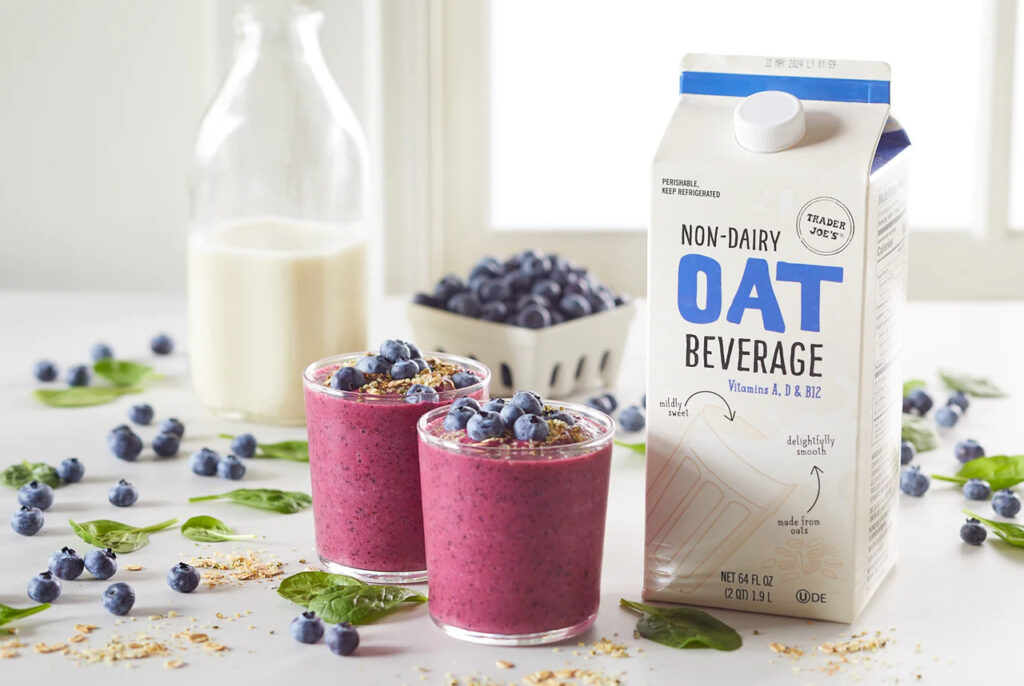
Nearly every product in Trader Joe’s carries its own label, which is a defining part of its model. By avoiding national brands, the company controls pricing, sourcing, and product development more directly than most retailers.
This control allows for consistent quality and faster adjustments when needed. If a product needs improvement, changes can be made without negotiating across multiple external brands.
For shoppers, this creates a unified experience. The store feels distinct, and products are closely tied to the Trader Joe’s identity. Over time, customers begin to trust the label itself rather than relying on outside brand recognition.
3. Products Designed Around Trends, Not Just Staples
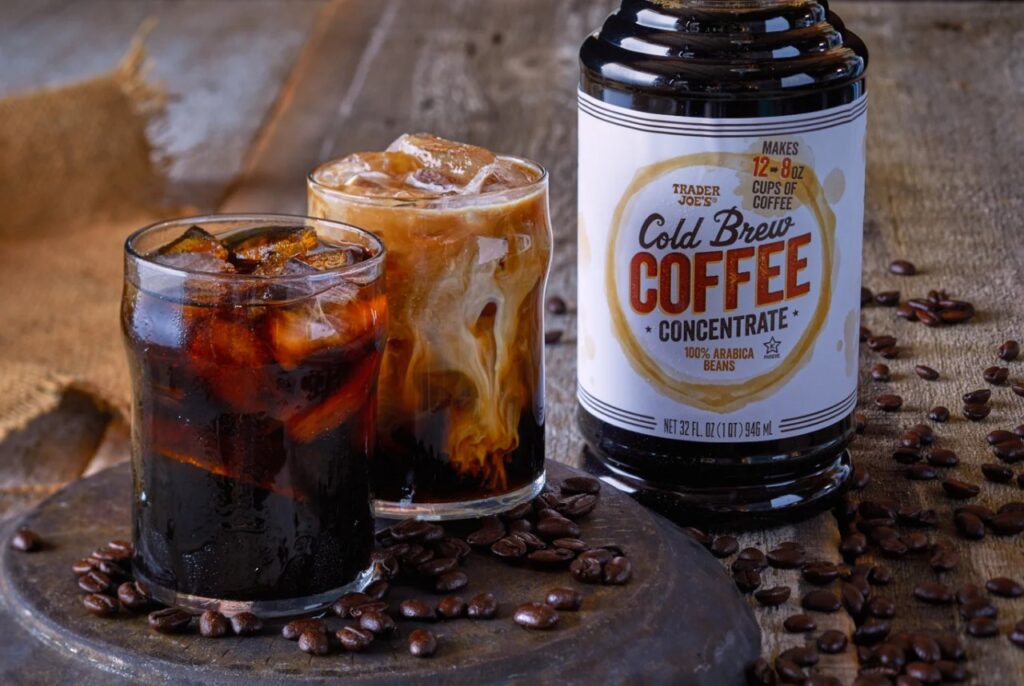
Trader Joe’s does not just follow food trends; it actively builds products around them. Trader Joe’s quickly adapts to shifting preferences, whether it is global flavors, plant-based options, or seasonal specialties that reflect changing customer demand.
This keeps the shelves feeling current and engaging. Shoppers are more likely to discover something new rather than simply restocking the same basics every visit. It turns routine shopping into a small experience of discovery.
At the same time, staple items remain available, creating a balance between familiarity and novelty. This mix encourages exploration without making the shopping experience feel unpredictable or overwhelming for regular customers.
4. Packaging That Feels Personal and Playful
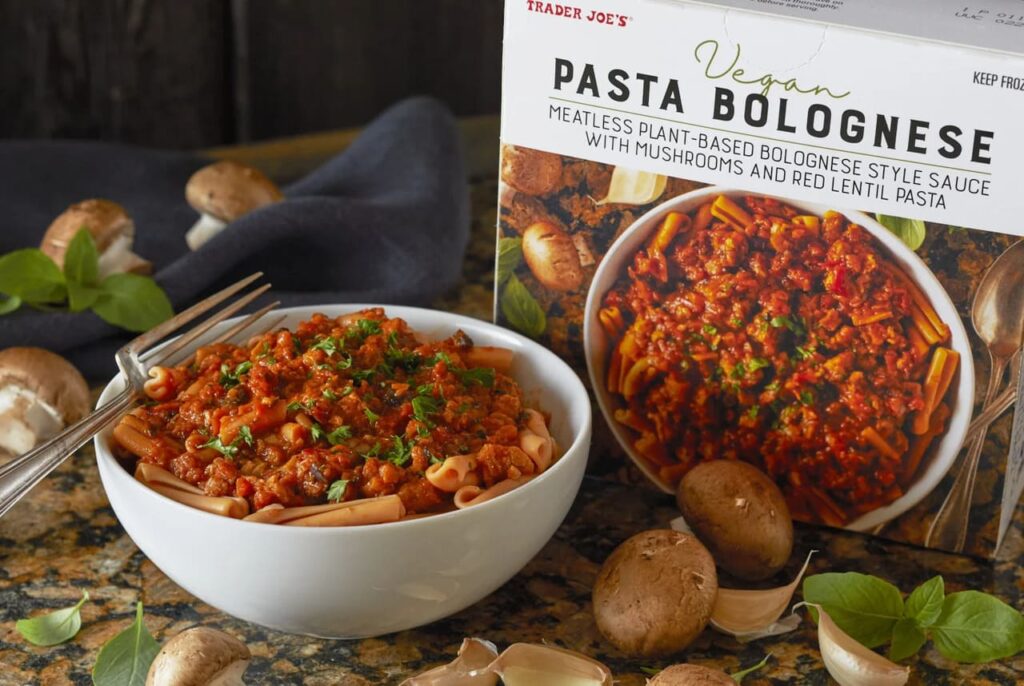
Packaging at Trader Joe’s stands out immediately because it feels less formal and more human. Hand-drawn elements, creative fonts, and descriptive labels give products a personality that differs from standard retail design seen in most grocery stores.
This approach makes items easier to notice and remember. It also creates a sense of connection, as the packaging feels approachable rather than purely functional or mass-produced like many competing brands.
Beyond appearance, the design clearly communicates useful information. Shoppers can quickly understand what a product offers, which supports faster decisions and builds trust over time through clarity and consistency.
5. Limited-Time Items That Drive Urgency
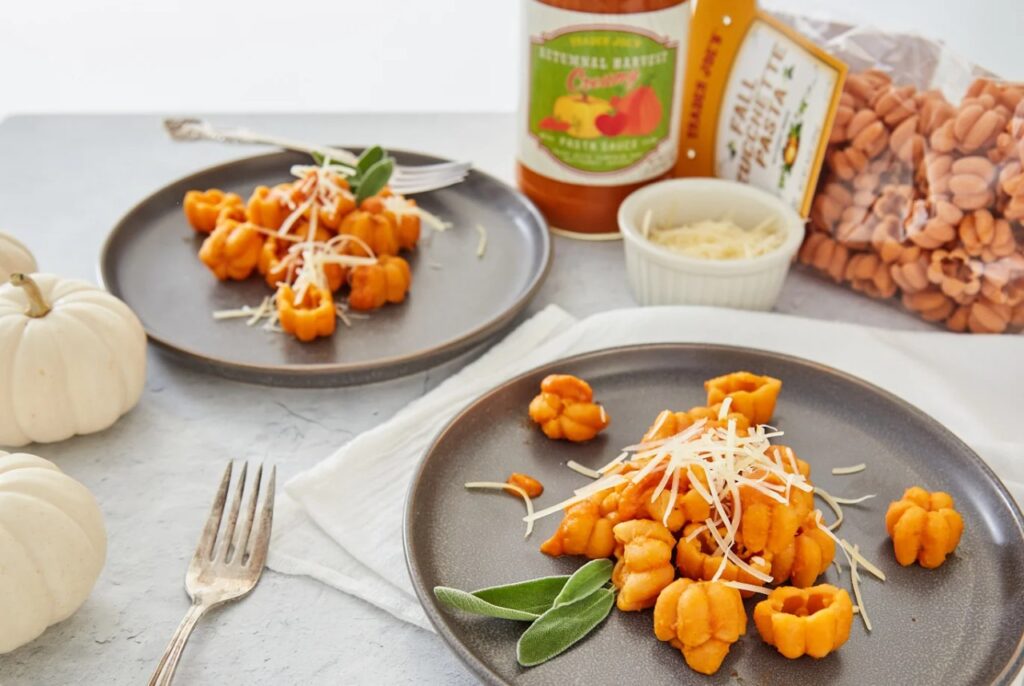
Some of the most popular Trader Joe’s products are not always available. Seasonal and limited-time items are a deliberate part of the store’s strategy, encouraging customers to buy when they see something they like on shelves.
This creates a sense of urgency without feeling forced. Shoppers know that waiting might mean missing out, which influences quicker decisions and often leads to impulse purchases during visits.
It also keeps the store dynamic. Rotating products prevents shelves from feeling repetitive and gives customers a reason to return regularly to see what is new, trending, or making a comeback.
6. Simple Ingredients With Broad Appeal
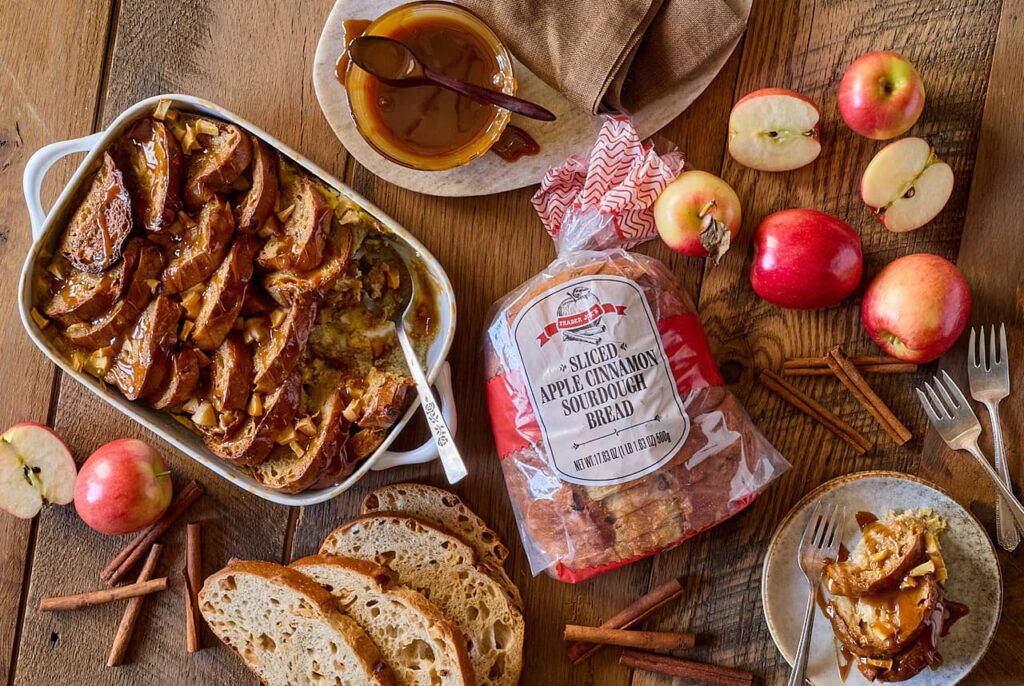
A noticeable pattern across Trader Joe’s products is the focus on simple and recognizable ingredients. Many items are designed to avoid unnecessary additives, aligning with growing interest in transparency and cleaner food choices.
This simplicity makes products easier to understand. Customers can quickly read labels and feel more confident about what they are buying without needing to decode complex ingredient lists.
It also broadens appeal. Whether someone is looking for cleaner options or just straightforward food, these products meet a wide range of preferences while remaining accessible and easy to trust.
7. Consistent Quality That Builds Habit
What keeps shoppers coming back is not just variety but reliability. When people try a product at Trader Joe’s and have a good experience, they often expect similar results from other items in the store as well.
This consistency reduces uncertainty. Customers feel more comfortable trying new products because the overall standard remains steady across different categories and product types.
Over time, this builds strong habits. Shoppers return not only for specific favorites but for the confidence that most products will meet their expectations, making each visit feel dependable and worthwhile.