That Costco Deal Might Not Be What It Looks Like: 11 Items Worth a Closer Read

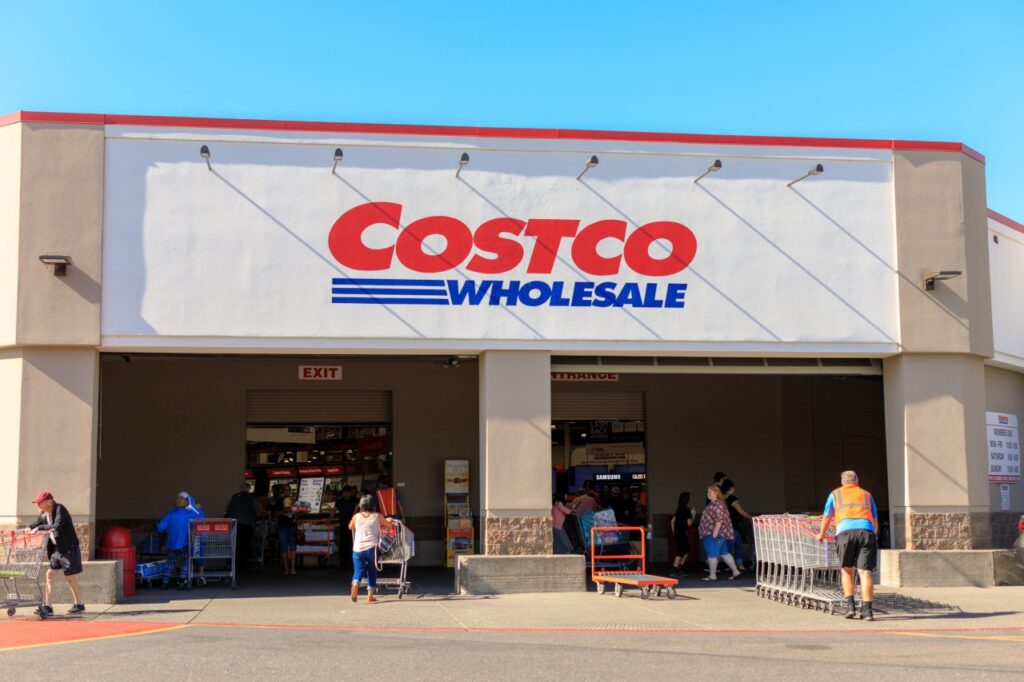
Costco has built its reputation on value, offering bulk deals that seem hard to beat at first glance. For many shoppers, it feels like a place where spending more upfront naturally means saving more in the long run.
But not every deal tells the full story. Behind the large packages and appealing price tags, some items require a closer look to understand their value truly. Small details like unit pricing, shelf life, and actual usage can change everything.
What appears to be a smart purchase can sometimes lead to overspending or waste. Knowing where to pause and evaluate can make all the difference between a real bargain and a misleading one.
1. Supplements Require a Closer Look at Value
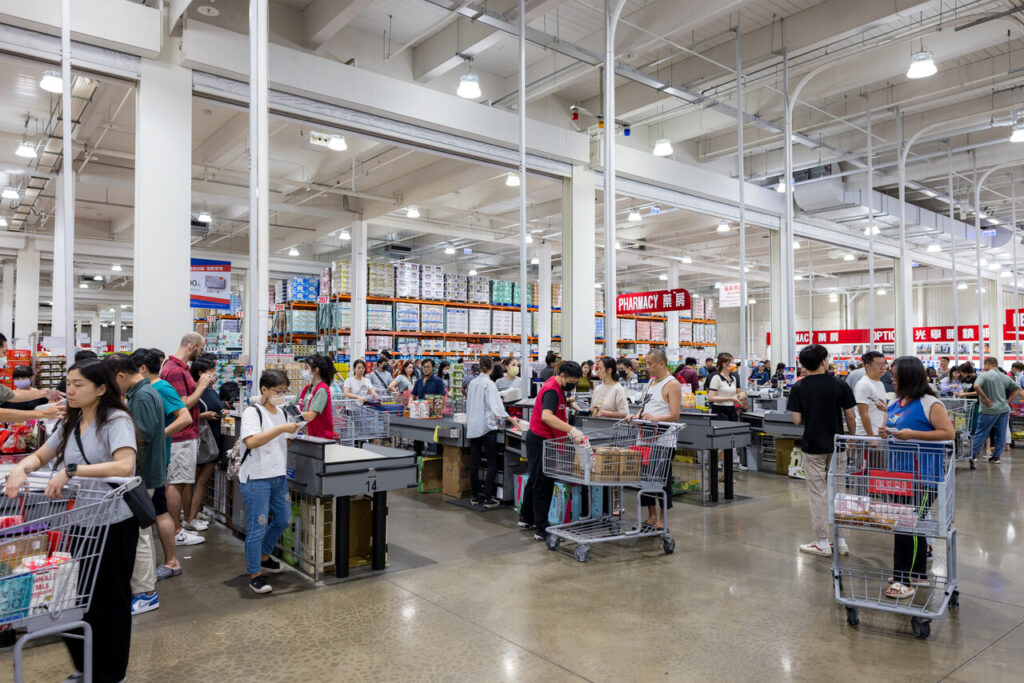
Costco’s supplements and vitamins are often associated with reliability and bulk savings. Large bottles and trusted branding make them appealing for those planning long-term use.
Still, pricing varies more than expected across different products. Some items offer strong value, while others are priced close to or even above similar options available online or in pharmacies.
To understand true value, it is important to look beyond the label. Comparing cost per serving, ingredient quality, and dosage can reveal whether the purchase is worthwhile. Without that comparison, bulk buying may not deliver the savings it seems to promise.
2. Convenience Comes at a Cost With Pre-Cut Produce
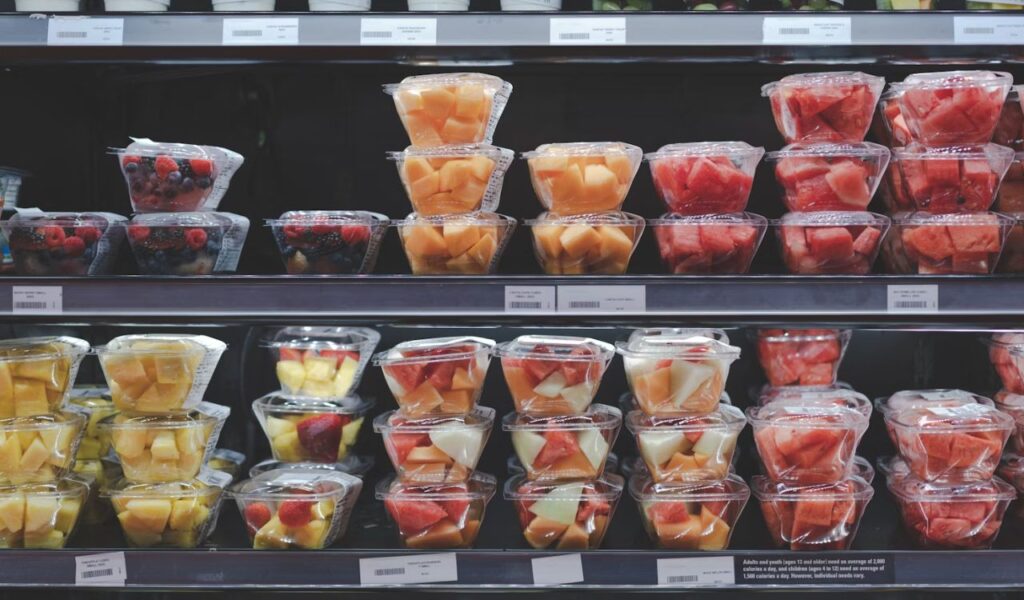
Pre-cut fruits and vegetables are designed for ease. They remove the need for washing, peeling, and chopping, making them especially appealing for busy shoppers trying to save time without compromising on healthy choices.
That convenience, however, comes with a clear price difference. When compared by weight, pre-cut produce is often significantly more expensive than whole items, even though the only added value is preparation and packaging.
There is also a shorter window for use. Once cut, produce loses freshness faster and becomes more prone to spoilage. This increases the likelihood of waste, which reduces the overall value and makes the higher cost harder to justify.
3. The Famous Rotisserie Chicken Has a Hidden Role
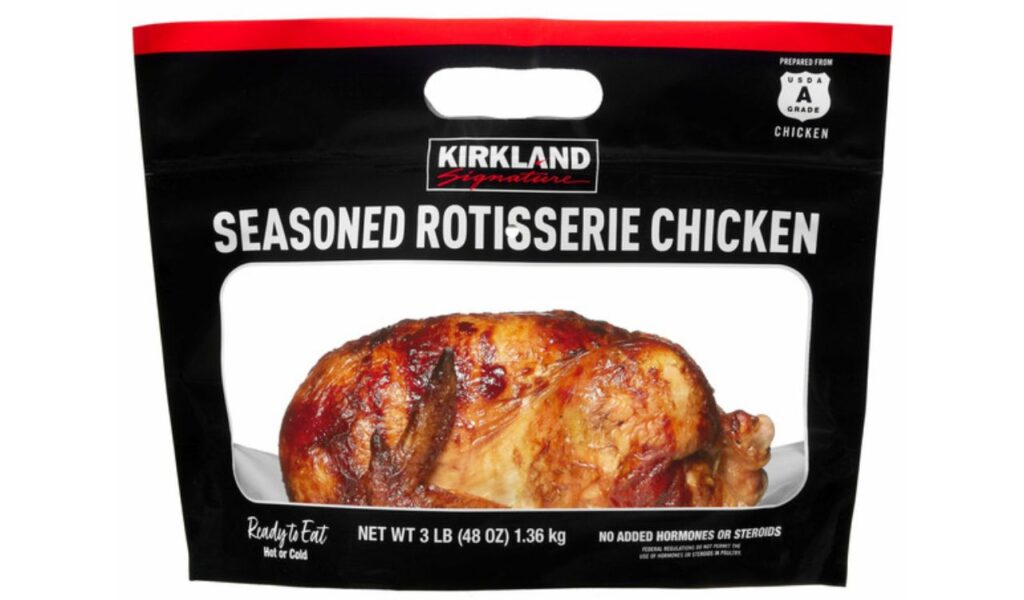
Costco’s rotisserie chicken is often viewed as one of the strongest value items in the store. Its consistent quality and low price make it a reliable choice for quick, affordable meals.
What is less obvious is its role in store strategy. It is typically priced very low to attract shoppers, encouraging them to walk through the store where they are more likely to pick up additional items.
This means the real cost extends beyond the chicken itself. While the deal is genuine, it often leads to unplanned purchases. Over time, that added spending can outweigh the initial savings, changing how valuable the deal truly is.
4. Oversized Condiments Are Not Always Practical
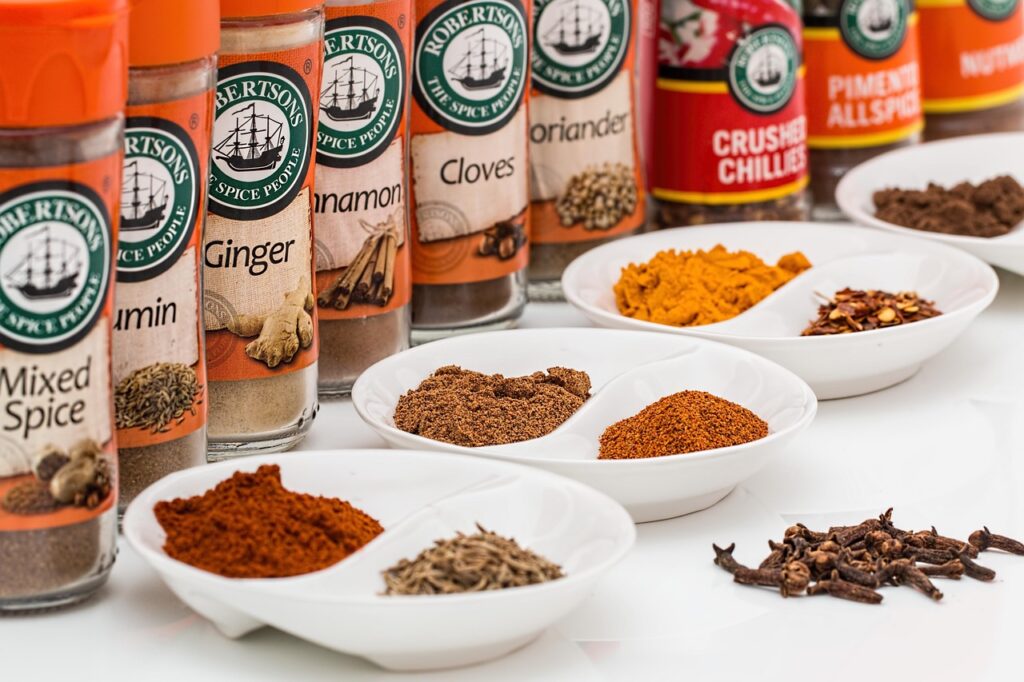
Large condiment containers seem like an easy way to save, especially for staples used regularly. The lower cost per unit makes them appear more economical than smaller sizes at first glance.
In practice, usage habits matter more than volume. Many households do not use these products quickly enough, leading to a decline in quality or reaching expiration before they are finished.
Storage can also become an issue. Bulky containers take up space and are less convenient to handle. For many, buying smaller quantities more frequently helps maintain freshness and reduces waste, making it a more practical choice overall.
5. Bigger Isn’t Always a Better Deal With Bulk Snacks
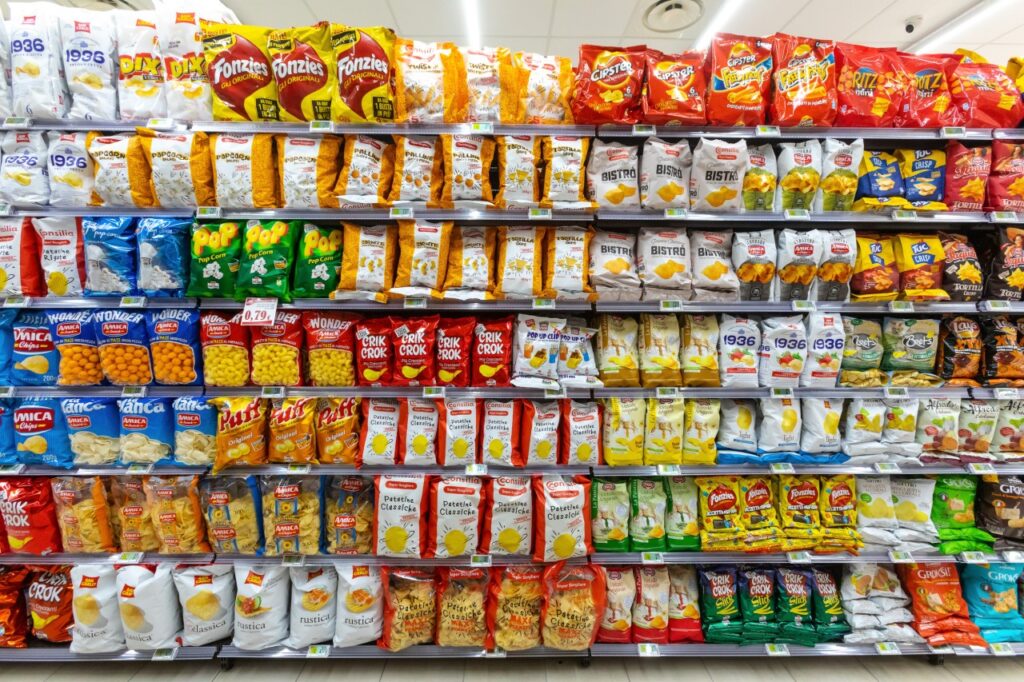
Bulk snack packs at Costco are designed to feel like a smart purchase. Large quantities and slightly lower prices create the impression that buying more automatically means saving more over time.
When broken down by unit price, though, the savings are not always significant. Grocery stores often offer competitive discounts, especially during promotions, making smaller packs just as affordable or even cheaper.
There is also the risk of overconsumption or waste. Snacks bought in bulk are either eaten faster than planned or left unused. If they go stale before being finished, the value drops quickly, turning a perceived deal into unnecessary spending.
6. Bakery Deals Often Lead to Overbuying
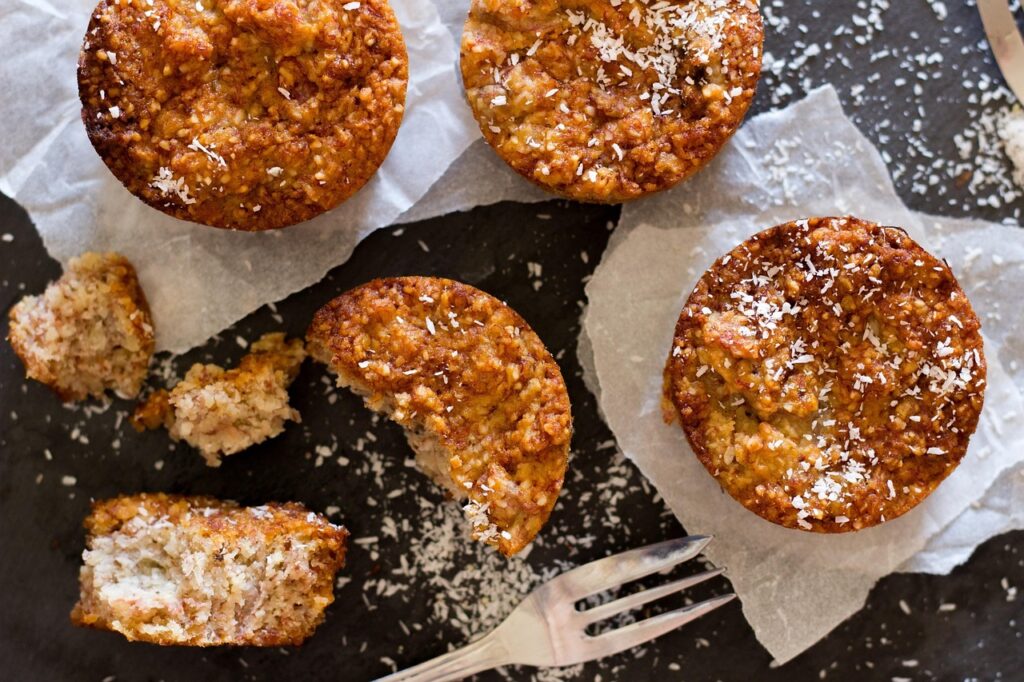
Costco’s bakery section is known for its generous portions and attractive pricing. Items like muffins, cakes, and pastries are sold in quantities that seem ideal for sharing or stocking up.
For many households, however, the volume is more than needed. Even with refrigeration, not all baked goods maintain their quality over time, leading to portions being thrown away.
When waste is factored in, the lower price per item becomes less meaningful. Buying smaller quantities elsewhere may cost slightly more upfront, but often results in better overall value with less unused food.
7. Electronics Are Reliable but Not Always the Cheapest
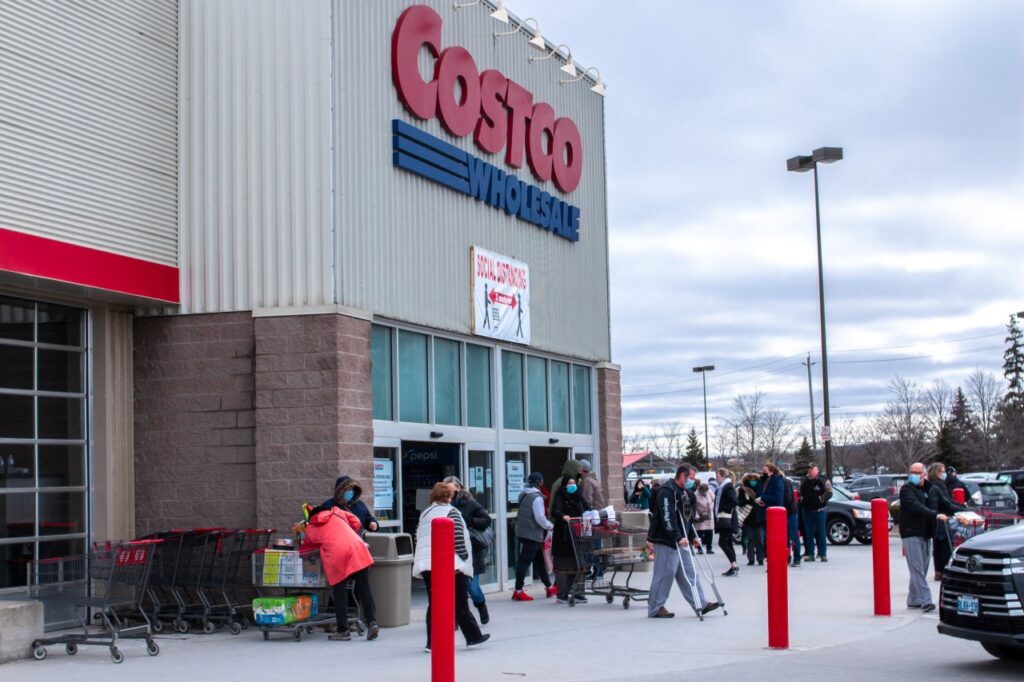
Costco has earned trust in electronics by offering solid quality and strong return policies. These added protections make purchases feel safer and more reliable for many shoppers.
However, the initial price is not always the lowest available. Online retailers and seasonal sales frequently match or beat Costco’s pricing on similar models and specifications.
To get the best value, it is important to compare both price and features. While the added benefits are useful, they do not automatically make every purchase the most economical option available.
8. Not Every Kirkland Product Is a Guaranteed Win
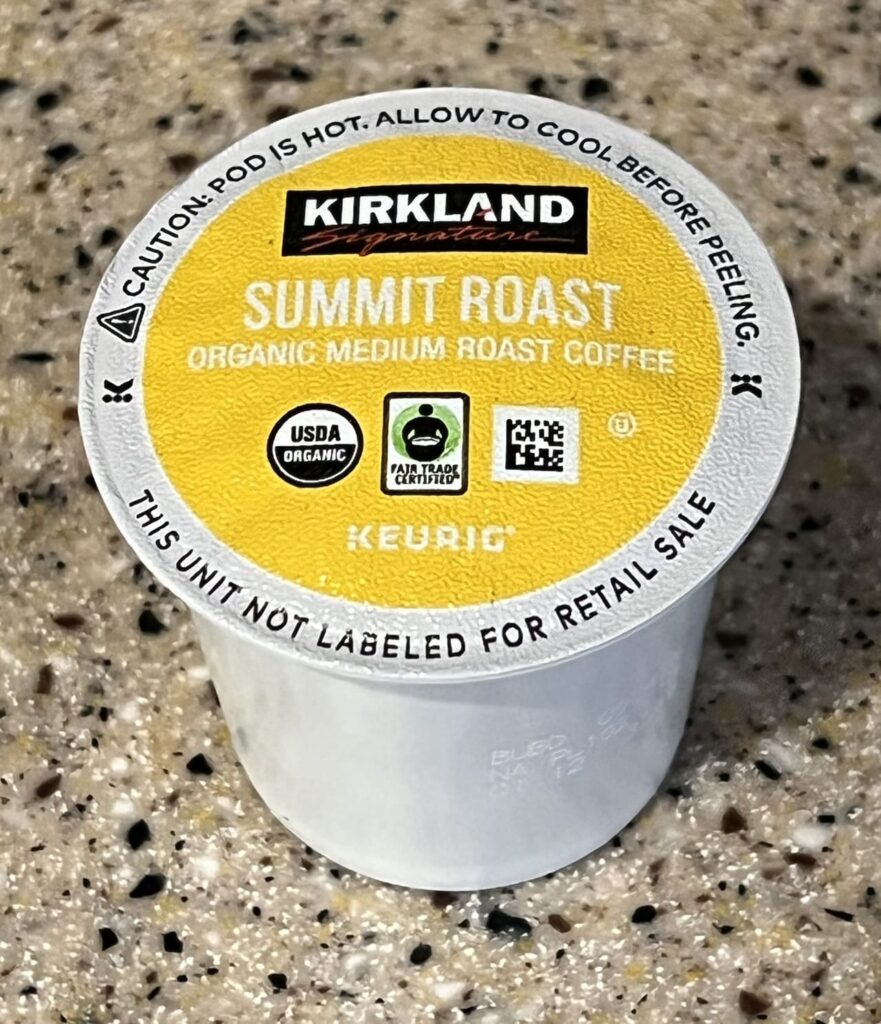
Kirkland Signature has earned a strong reputation for offering reliable quality at competitive prices. Many of its products match or even outperform national brands, making it a trusted choice for regular shoppers.
However, the value is not consistent across every category. Some items are priced very close to branded alternatives, especially when those brands are discounted through promotions or seasonal sales.
This makes comparison essential. Looking at unit price, ingredients, and quantity can reveal whether a product truly delivers savings. Assuming every Kirkland item is the best option can lead to missed chances for better value elsewhere.
9. Bulk Cleaning Supplies May Not Suit Every Home

Buying cleaning supplies in bulk seems like a practical way to reduce costs, particularly for products used frequently. Larger quantities often give the impression of better long-term savings.
In reality, these purchases depend heavily on usage patterns. Some products may sit unused for extended periods, while others can lose effectiveness if stored for too long.
Storage space is another factor to consider. Bulk items require room and organization, which may not suit every household. In many cases, smaller purchases during sales offer similar savings with greater flexibility and less risk of waste.
10. Frozen Foods Can Quietly Increase Spending
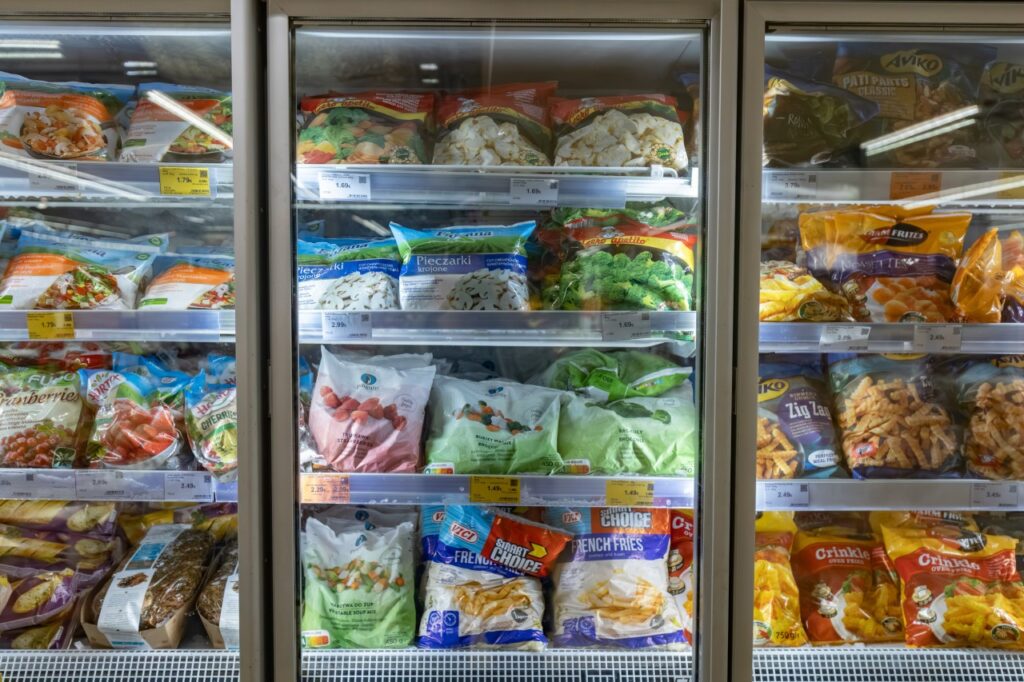
Costco’s frozen section stands out for its wide variety and convenience. It allows shoppers to stock up on ready meals, snacks, and ingredients that simplify daily cooking and reduce frequent store visits.
However, the value is not always as strong as it appears. When compared by portion, some frozen items are priced similarly or higher than grocery store alternatives, especially when discounts or local promotions are considered.
Storage and usage also play an important role. Bulk frozen items can be forgotten or used inconsistently, taking up valuable freezer space. If left too long, they may lose quality, making what seemed like a practical purchase less cost-effective over time.
11. Bulk Pantry Staples Can Be Misleading
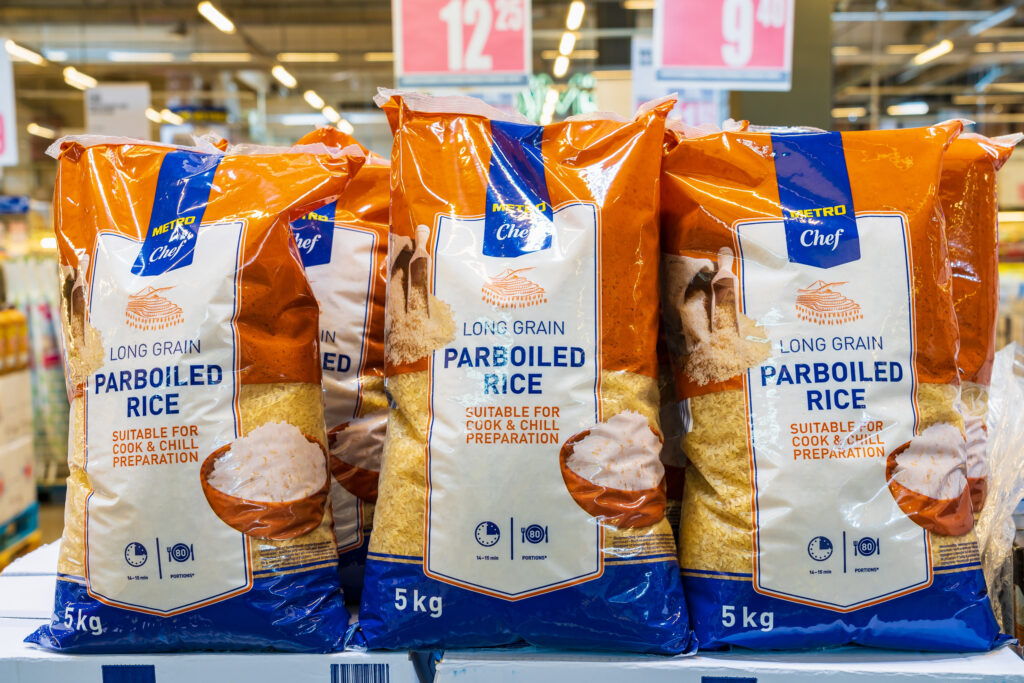
Stocking up on pantry staples like rice, pasta, or flour often feels like a sensible way to save money. Larger quantities suggest fewer shopping trips and a lower cost per unit over time.
In practice, not every household benefits equally from bulk buying. Usage rates, storage conditions, and shelf life all influence whether the purchase remains practical and cost-effective.
If items are not used consistently, they may lose freshness or be replaced before they are finished. In such cases, smaller quantities bought as needed can offer better value, reducing waste while maintaining quality and flexibility.