How Grocery Store Rotisserie Chickens Stay So Cheap Even as Food Prices Keep Rising

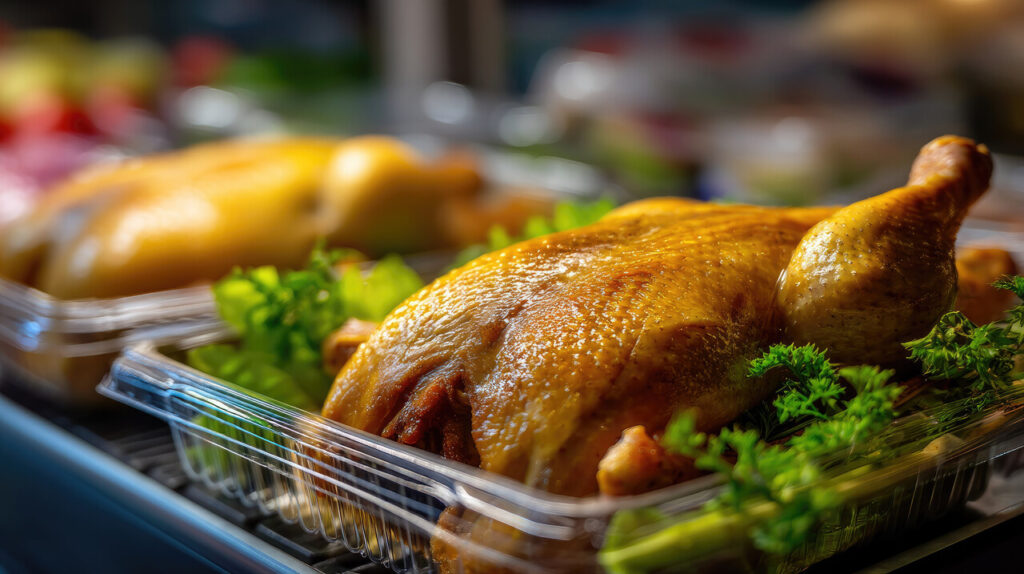
At a time when grocery bills seem to climb every week, one item has stubbornly refused to budge: the rotisserie chicken. While fresh meat, produce, and pantry staples keep getting more expensive, that hot, ready-to-eat bird near the deli counter still costs about the same as it did years ago. It feels almost too good to be true. But the low price isn’t luck or generosity. It’s the result of smart sourcing, massive scale, and a deliberate retail strategy designed to get shoppers through the door and filling their carts.
The Rotisserie Chicken Paradox
Here’s the curious part. Walk through any supermarket today, and you’ll see prices climbing on nearly everything, from eggs to beef to pantry staples. Yet sitting under the heat lamps is a whole, fully cooked rotisserie chicken that somehow still costs about the same as it did years ago. For many shoppers, it feels like the last affordable dinner left in the store. That disconnect raises a fair question. How can something that requires raw meat, labor, seasoning, cooking time, and packaging stay so cheap when raw chicken parts and fresh meat keep getting more expensive?
The answer starts with understanding that rotisserie chickens aren’t priced like normal grocery items. They’re not meant to reflect rising feed costs or transportation expenses straightforwardly. Instead, they occupy a special place in retail strategy. Stores treat them differently because they serve a different purpose. They’re less about profit on the chicken itself and more about what that low price encourages shoppers to do next. The cheap chicken is not an accident. It’s a deliberate decision that shapes how customers move through the store and how much they ultimately spend.
Economies of Scale and Supply Chain Advantage
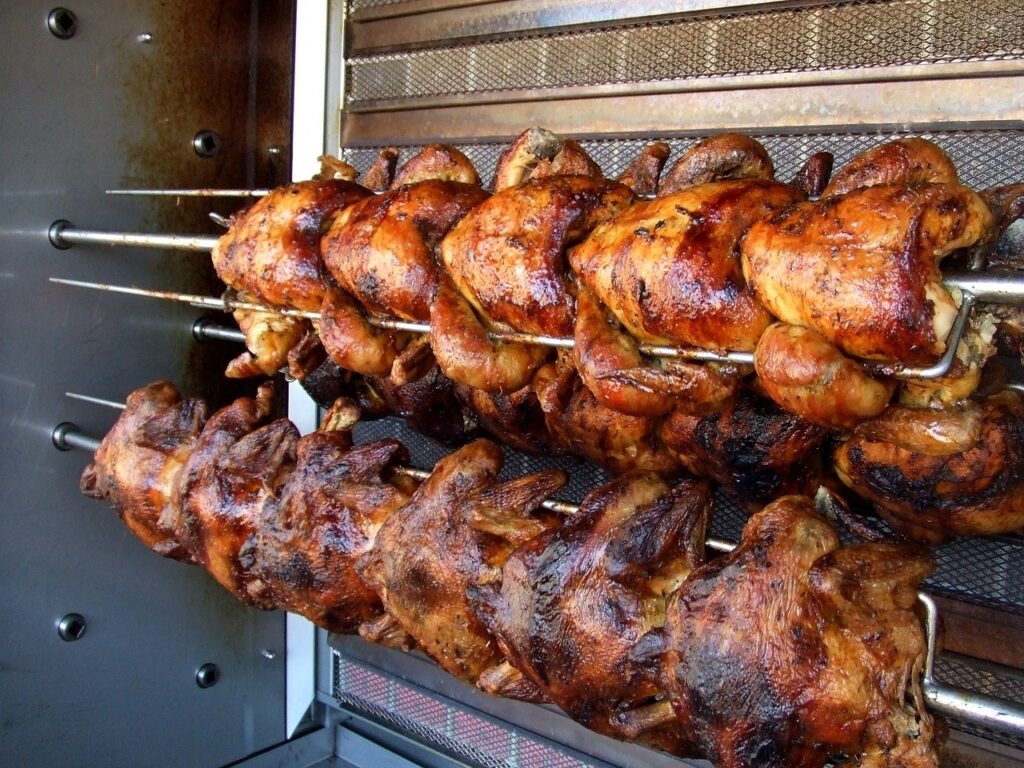
The real muscle behind cheap rotisserie chicken is scale. Large grocery chains buy poultry in massive volumes, often negotiating contracts that lock in lower prices than smaller retailers could ever get. When you’re purchasing millions of birds a year, even tiny savings per chicken add up fast. That buying power shields stores from some of the price spikes that hit independent butchers or smaller markets. In many cases, the chickens used for rotisserie programs are specifically sized and sourced to meet bulk specifications, which makes production more predictable and efficient.
The poultry industry itself is also built for efficiency. Modern chicken farming relies on vertical integration, where the same company often controls breeding, feed, processing, and distribution. That streamlined system reduces middlemen and cuts costs at nearly every stage. Chickens grow quickly, convert feed to meat efficiently, and are easier to process at scale than most other proteins. All of this means poultry remains one of the cheapest meats to produce, even during inflationary periods. When grocery chains combine that inherent efficiency with bulk purchasing, they create a foundation that keeps rotisserie prices surprisingly stable.
Loss Leaders and Marketing Strategy
Here’s where the business logic gets interesting. Many stores don’t actually aim to make much money on rotisserie chickens at all. In some cases, they sell them at cost or even at a slight loss. In retail, this tactic is known as a loss leader. The idea is simple. Offer one product at an unbeatable price to get customers in the door, then rely on the rest of the basket to generate profit. A five-dollar chicken might not earn much by itself, but the salad kit, bread, drinks, and dessert that go with it absolutely do.
Rotisserie chickens are especially effective at this because they solve an immediate problem. Dinner. Shoppers walking in without a plan can grab a ready-to-eat protein and build the rest of the meal around it. That convenience encourages impulse purchases across the store. Once customers are inside and already saving money on the chicken, they’re less price sensitive about other items. Retailers understand this behavior deeply. The cheap chicken becomes a psychological anchor, making the entire trip feel like a good deal. In that sense, the bird is as much a marketing tool as it is food.
Operational Efficiencies in Store Preparation
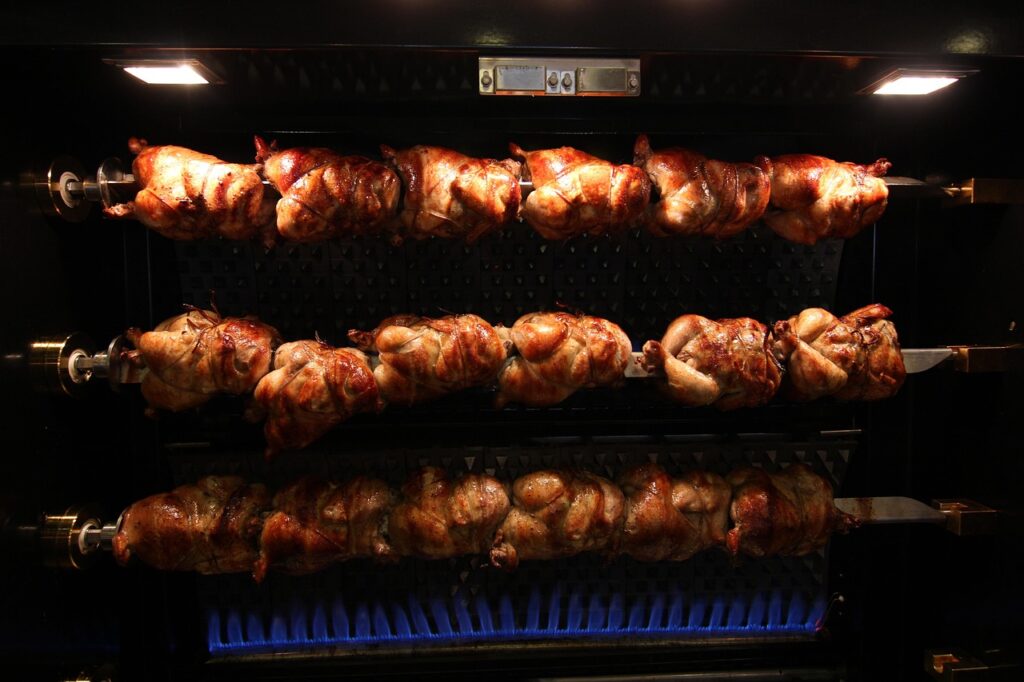
Another reason rotisserie chickens stay affordable comes down to how efficiently they’re prepared. Grocery stores already run deli kitchens and hot food counters, so adding rotisserie ovens doesn’t dramatically increase overhead. Dozens of chickens can be cooked at once with minimal supervision. One worker can season, load, and package large batches in a steady rhythm. Compared to made-to-order dishes, the labor cost per chicken is remarkably low.
Stores also use smart inventory practices to minimize waste. Chickens that don’t sell immediately don’t automatically get tossed. They’re often repurposed into soups, salads, wraps, or prepared meals the next day. That flexibility ensures very little product goes unused, which protects margins. Speed matters too. High turnover means fresh batches are constantly replacing older ones, reducing shrink and keeping quality consistent. When you combine low labor, efficient cooking, and creative reuse, the economics work in the store’s favor without requiring higher shelf prices.
What Consumers Should Know
From the shopper’s perspective, rotisserie chickens remain one of the best values in the store. You’re getting a fully cooked protein that can feed multiple people for less than many raw options. It saves time, reduces energy use at home, and stretches easily into leftovers for sandwiches, soups, or salads. In practical terms, it’s hard to beat. That’s why demand stays strong even as other prepared foods climb in price.
At the same time, it helps to understand what that low price represents. It’s not necessarily a reflection of cheap production alone. It’s a strategic choice made by retailers who know the chicken will drive larger purchases. As food costs continue to rise, some stores may eventually adjust prices or shrink sizes, but for now the rotisserie chicken remains a rare constant in an unpredictable market. What this really means is simple. That inexpensive bird isn’t just dinner. It’s one of the smartest pieces of economics in the grocery store.
References
- Even as Grocery Store Prices Are Rising, Rotisserie Chicken (and Other Meat) Remains Artificially Cheap – pastemagazine.com
- Grocery Store Economics: Why Are Rotisserie Chickens So Cheap? – pbssocal.org
- Why Are Grocery Store Rotisserie Chickens So Much Cheaper Than Raw? – thetakeout.com