Restaurant Menus Feel Smaller Than Ever and Here’s What’s Actually Driving It

If you’ve glanced at a restaurant menu lately and thought it looked shorter or lighter than it used to, you’re not imagining things. Across the country, menus are getting leaner, portions are shrinking, and the days of sprawling, anything-goes offerings are fading fast. But this isn’t just a cost-cutting move. Changing appetites, health trends, rising food prices, and kitchen realities are all reshaping how restaurants design what they serve. What looks like less on paper is often a deliberate shift toward smarter, more focused dining that fits how people actually eat today.
Why Menus Seem Shrinking in Restaurants
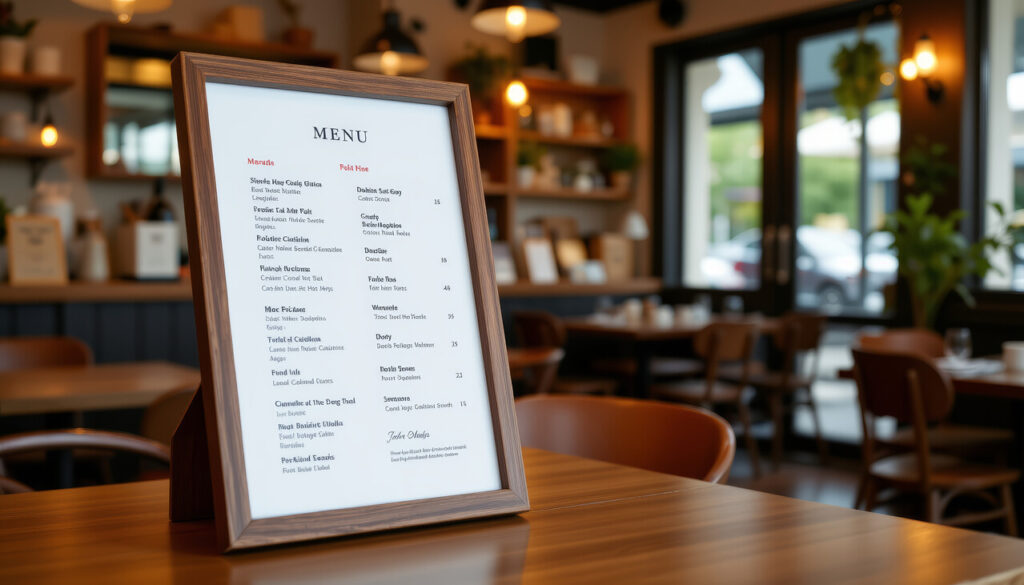
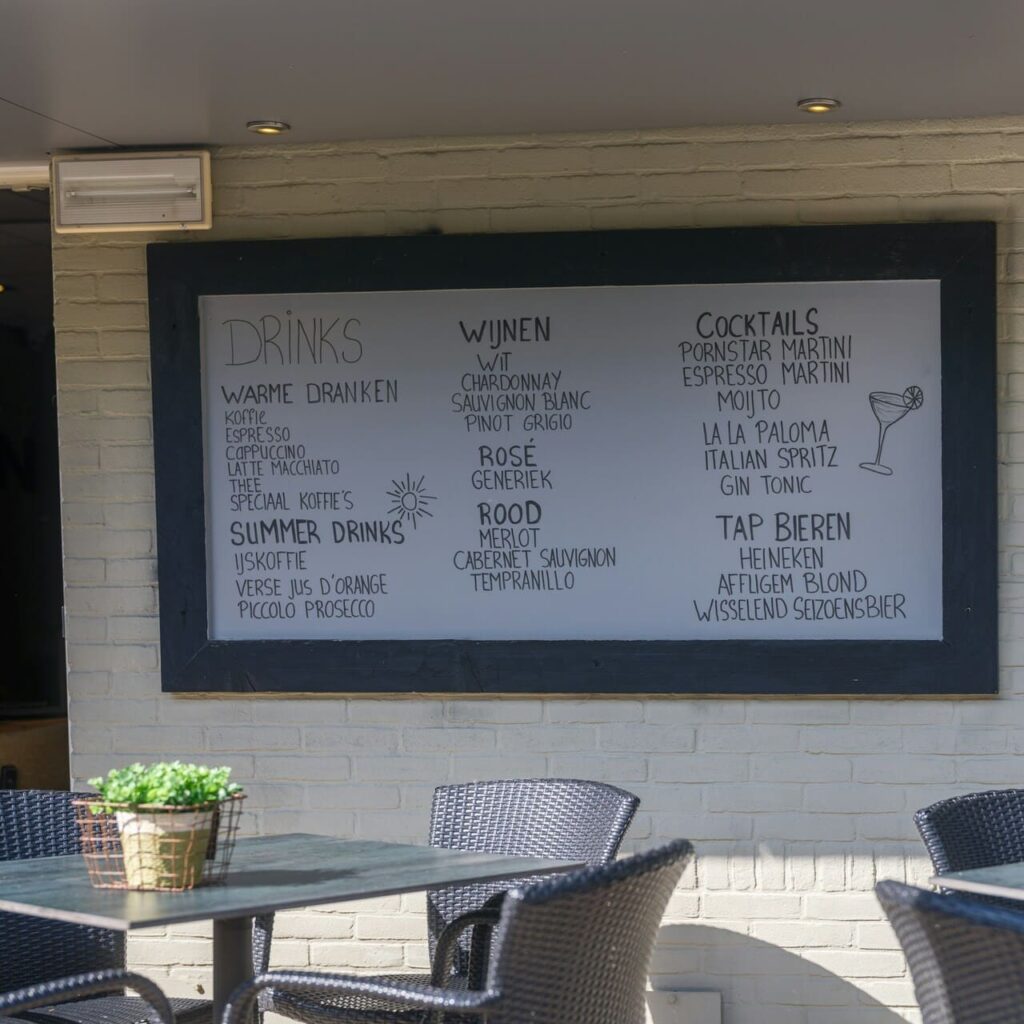
There’s a feeling many diners have had recently without quite putting words to it: restaurant menus don’t look the way they used to. What once might have been a multi-page spread of appetizers, mains, sides, and desserts now often arrives as a compact list with fewer choices and smaller portions. Part of this shift is perceptual; we’ve grown used to seeing abundant options everywhere we go, but part of it is structural. Restaurants are deliberately narrowing offerings to better manage costs, reduce waste, and match evolving customer preferences. A shorter menu doesn’t just look tidy on a chalkboard or digital screen; it reflects a broader recalibration of how food is produced, ordered, prepared, and consumed in a post-pandemic environment.
That perception of “less” isn’t just about reducing dish count. It’s also about the portion sizes themselves. Many menus feature smaller plates, lighter entrees, and compact sharing formats. Diners who remember oversized restaurant portions from previous decades may feel these changes acutely. But restaurants tell a different story: smaller menus and portions aren’t about stinginess. They’re a response to real shifts in appetite, economics, and operational realities. As we explore what’s behind this trend, it’s important to separate nostalgia from strategy. What feels like shrinking may actually be adaptation, to both the market and the diner.
Appetite Changes and Health Trends
One of the most talked-about undercurrents in the shrinking menu story is the change in how people eat, and more importantly, how they want to eat. In recent years, the rise of appetite-modifying medications, particularly GLP-1 weight-loss drugs such as Ozempic, has been nothing short of transformative for many people’s eating patterns. These medications reduce hunger and slow gastric emptying, often leading to smaller meal sizes and decreased impulse to overeat. For restaurants, this doesn’t just mean diners eating less today and tomorrow; it means people rethinking what a satisfying meal looks like. While these drugs are not used by everyone, their impact on diners’ behavior has rippled through public perception about portion size norms. The average consumer is now more open to a lighter entrée and more interested in quality over quantity.
Beyond medication, broader health and wellness trends have nudged people toward smaller meals and snacks rather than oversized entrées. Wellness culture, weight management conversations, and a growing understanding of portion control have all played into the idea that less can be more. It’s not just about dieting; it’s about a shift in how people relate to food. For many, dining out is no longer just an opportunity to eat big; it’s a chance to enjoy thoughtfully prepared dishes that don’t leave them feeling overstuffed. This behavioral shift among diners has encouraged restaurants to adapt their menus accordingly, offering smaller portions that align with modern tastes and expectations.
Economic Pressures on Restaurants
Restaurants haven’t been immune to the economic pressures affecting nearly every industry. Rising food costs, labor shortages, and supply chain disruptions have made it increasingly challenging to offer extensive menus with large portions at accessible price points. Every additional ingredient, preparation step, or staff touchpoint adds cost and complexity. When a kitchen supports dozens of menu items, the potential for waste, inconsistency, and inefficiency rises. By streamlining menus, restaurants simplify ordering, training, and kitchen production, allowing them to maintain quality while better managing expenses.
Labor challenges are particularly relevant. Staffing shortages mean kitchens need to run more efficiently with fewer hands. Fewer menu items mean cooks can specialize in preparing a tight list of dishes perfectly rather than spreading themselves too thin. It also means faster turnaround times, consistent experiences for diners, and more predictable inventory usage. Smaller portions also play into cost control. A lighter plate reduces food costs without necessarily diminishing perceived value when dishes are thoughtfully curated. In a high-cost environment where every ingredient choice matters, trimming menus is both a financial and strategic decision.
Consumer Preferences and Dining Behavior

Modern diners want choice, but they also want meaningful choice. That might seem contradictory, but the nuance is key. People aren’t clamoring for endless lists of pastas, grills, and sides. They want thoughtful options that fit their lifestyle, dietary needs, and culinary curiosity. That’s why many menus are becoming more curated, with clear labels for plant-based items, gluten-free dishes, and chef specials. Smaller menus can provide depth without overwhelming a diner who’s balancing health goals, dietary restrictions, and time pressures. This demand for customization over sheer quantity is reshaping how menus are conceived.
Sustainability concerns also play into the trend. Many diners now pay attention to where their food comes from, how far it traveled, and how it was produced. Smaller menus allow restaurants to focus on sourcing higher-quality ingredients in a responsible way. By reducing the number of items on the menu, restaurants can support local farmers and producers more consistently. That’s a selling point for customers who care about ethical consumption and food provenance. What this means is that a compact menu isn’t just a practical choice for restaurants; it’s a response to informed, intentional consumers who want their dining experiences to reflect their values.
What Smaller Menus Mean for the Industry
The smaller menu trend represents a larger transformation in what dining out means today. Restaurants are redefining value in ways that don’t revolve solely around plate size or number of choices. Instead, value increasingly comes from the overall experience: quality ingredients, thoughtful preparation, and dishes designed to satisfy without waste. Smaller portions can feel just as rewarding as larger ones when they are well-executed and paired with complementary flavors that engage the diner’s senses. In many cases, these lighter menus encourage more frequent eating out because patrons feel better after meals rather than overly full.
Smaller menus also signal a shift in how restaurants position themselves in a crowded market. With more competition than ever, from meal kits to ghost kitchens to home delivery, standing out requires focus and clarity of purpose. A concise menu communicates confidence. It says that the kitchen has perfected a specific set of offerings rather than dipped into every possible trend. In this sense, shrinking menus is not a retreat but a refinement. By aligning with consumer behavior, economic realities, and evolving culinary values, the restaurant industry is redefining what success looks like in a smaller-portion world.
References
- 12 Menu Trends That Defined 2025 and How Smart Restaurants Turned Them into Revenue – novatab.com
- Ozempic Is Shrinking Appetites. Restaurants Are Shrinking the Food. – nytimes.com