Screw Tops vs Corks and What It Actually Means for Your Wine


The closure on a wine bottle signals more than tradition or convenience. Cork and screw caps manage oxygen in different ways, which can shape freshness, reduce certain faults, and influence how a wine evolves in the bottle. Cork can offer a slow, variable oxygen exchange that suits many age-worthy styles, while screw caps deliver tight, consistent seals that protect bright aromatics and limit bottle variation. Understanding what each closure does helps set expectations and buy wine smarter. Closure choice often reflects winemaking goals rather than status.
Closure Reality
A wine bottle’s closure is less about status and more about chemistry and consistency. The job is simple in theory: keep wine protected from too much oxygen, prevent leakage, and maintain the wine’s intended character until it is opened. In practice, the closure can influence how predictable the wine tastes from bottle to bottle, how long it stays fresh, and how it develops over time. That influence is often subtle for everyday wines, but it becomes important for wines that rely on delicate aromas or long aging. Even tiny differences in oxygen transfer can significantly alter the taste of a wine after months or years.
The biggest misconception is that the top alone defines quality. Winemaking decisions, grape quality, and storage conditions shape the wine far more than the closure does. Closures mainly determine how much oxygen moves in or out over time and how consistent that seal remains. For most bottles consumed within weeks or months of purchase, both cork and screw cap can do the job well. Differences become more noticeable when bottles sit for years, when storage is warm, or when the wine style is highly sensitive to oxygen exposure. Storage temperature often matters more than closure type. Heat accelerates aging and can flatten aromas quickly.
Cork Basics
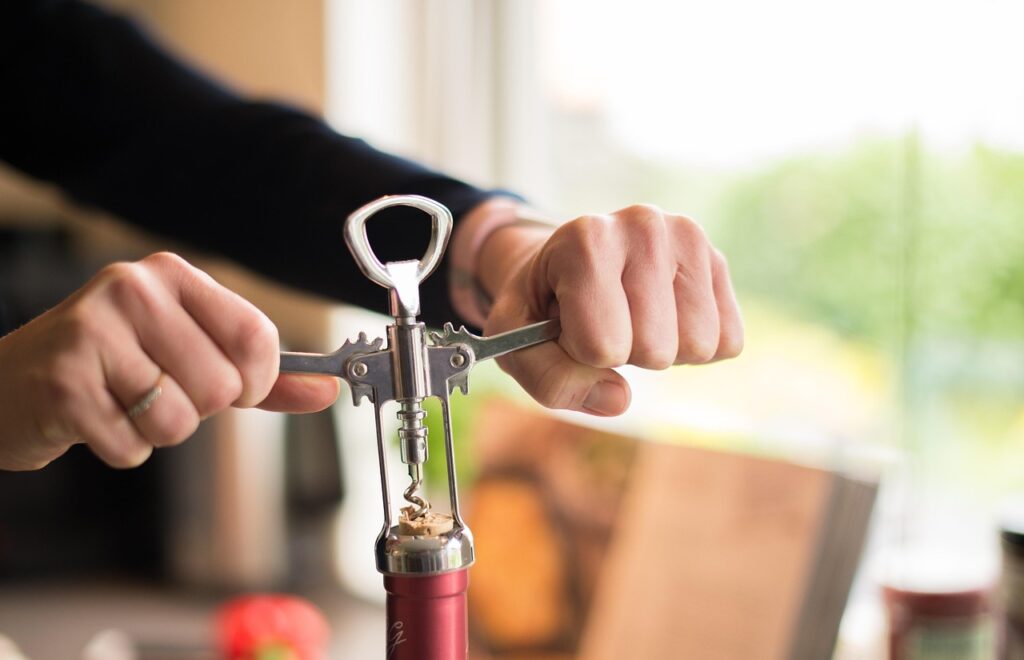
Cork is an engineered natural material with millions of tiny air-filled cells that compress and expand to form a seal. When inserted properly, it creates a tight fit while still allowing extremely small oxygen transfer over time. That slow oxygen exposure can support the gradual development of complexity in certain wines, especially those designed to age. It is one reason cork remains a traditional choice for cellar-worthy reds and classic styles that benefit from slow evolution. The oxygen transfer is not a constant flow, but a very slow exchange. That gentle exposure can help soften tannins over time. It can also support the emergence of savory, aged aromas.
Cork’s downside is variability. Natural corks do not behave identically from piece to piece, which can lead to bottle variation in aging and freshness. Cork can also allow too much oxygen in if it dries out, is flawed, or is poorly sealed. Another risk is cork taint, most often associated with TCA, which can make a wine smell musty and dull its fruit character. These issues are relatively rare in well-made wines, but they are real, and they help explain why many producers choose alternatives for consistency. Bottle variation can be frustrating when the same wine tastes different across bottles. Even small differences can change perceived freshness.
Screw Cap Basics
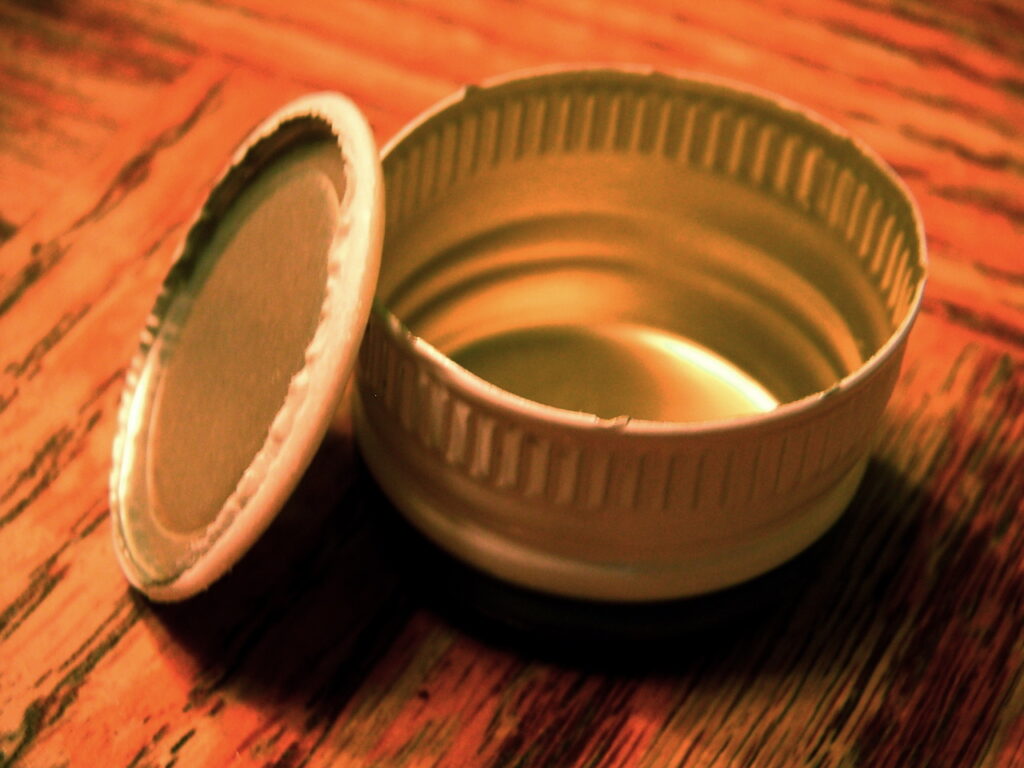
A screw cap is not just “metal on glass.” The true seal comes from the liner inside the cap, which presses against the lip of the bottle to control oxygen transfer and prevent leaks. Modern screw caps are designed to be highly consistent, meaning one bottle is much more likely to taste like the next. This is a major advantage for aromatic whites, fresh rosés, and wines intended for early drinking, where preserving bright fruit and clean aromas is the main goal. The liner choice can be tuned for different oxygen transmission levels. Consistency also reduces the “bad bottle” risk that can ruin a dinner.
Screw caps also reduce the risk of cork taint because there is no natural cork involved. They make opening and resealing simple, which supports casual, everyday wine drinking. The main tradeoff is that very tight seals can limit oxygen exposure, which may influence how certain wines develop with long aging. Another practical note is that screw cap quality varies too, because liners differ and producers make different choices about intended oxygen transmission. The closure is consistent, but it is still a deliberate design decision, not a one-size-fits-all solution. Tightly sealed wines can sometimes show reduced aromas when first opened.
Flavor Impact
In the glass, closures show up most clearly in freshness and aromatics. Screw caps tend to preserve bright fruit notes and delicate floral or citrus aromas because they reduce unwanted oxidation. That can make young wines taste cleaner and more vivid, especially when they are meant to be enjoyed soon after bottling. Cork can also preserve freshness, but variability means one bottle may feel slightly more evolved than another, even from the same case. This is why screw-capped wines often taste very consistent year to year. The aroma profile can remain sharper and more focused. Freshness is often the main advantage cited for screw caps.
The other side of the flavor conversation involves reduction, which can appear as struck match, rubbery, or sulfur-like notes in tightly sealed environments. This does not mean screw caps “ruin” wine. It means some wines may need more air at serving or benefit from decanting when young. Cork, because it allows small oxygen transfer, can reduce the chance of certain reductive aromas, but it introduces other risks like oxidation or taint. Flavor impact is less about “better” and more about which risk profile fits the wine style and the producer’s intention. Reduction is often temporary and can fade with swirling.
Aging Expectations
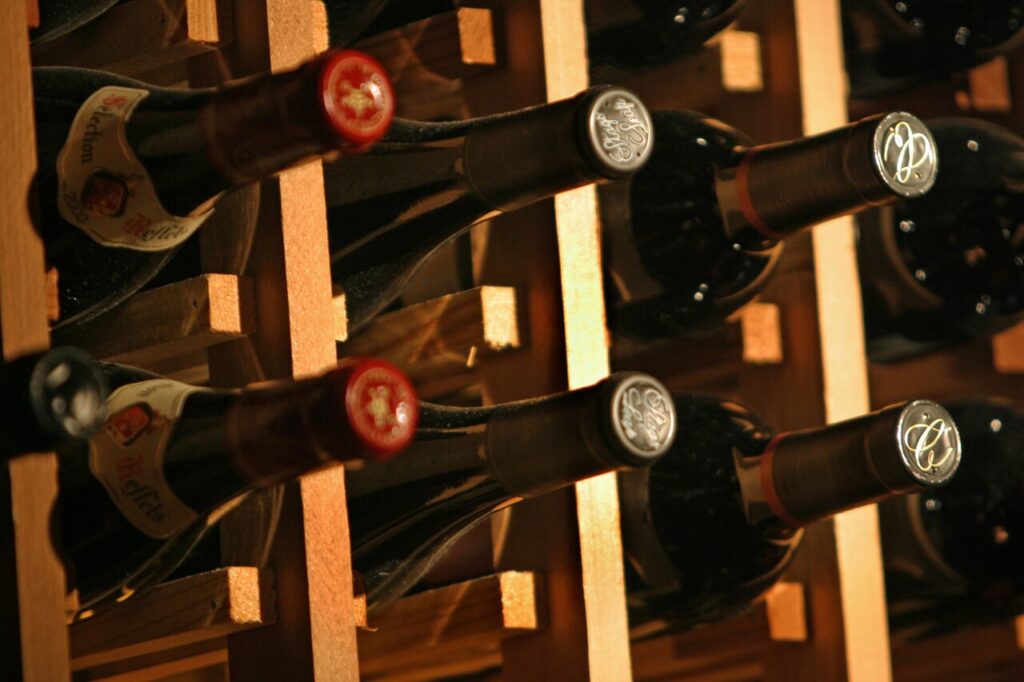
Aging is where the closure debate gets louder, largely because cork has a long history with long-lived wines. Slow oxygen transfer can support the development of tertiary aromas, such as dried fruit, nuts, leather, or savory notes, depending on the wine. Many classic regions still favor cork for wines intended to mature for years, partly because tradition and consumer expectations remain strong, and partly because cork has proven performance across decades. Long aging also depends on grape structure and acidity. A closure cannot create aging potential if the wine lacks balance. Cork is often chosen because it aligns with classic cellar expectations.
Screw caps can also support aging, and many producers have shown strong long-term results, especially when the goal is controlled development and reduced bottle variation. The key point is that aging under any closure is not identical across all wines. Grape variety, winemaking choices, sulfur levels, and storage temperature matter enormously. Closure choice influences the rate and direction of development, but it does not override everything else. For most drinkers, the practical approach is to treat closure as a clue about intention, not a guarantee of aging potential. Consistent seals can produce more uniform aging across cases.
Wine Faults
Cork taint is the best-known closure-related fault. It is typically linked to compounds like TCA that can make a wine smell like damp cardboard or a musty basement, muting fruit and freshness. Even small amounts can flatten the wine. This is one reason producers who want maximum consistency often choose screw caps or engineered cork alternatives, especially for wines that will be consumed young and do not benefit from bottle variation. Taint affects aroma more than taste at first, which can confuse some drinkers. The fruit can seem muted even when the wine looks normal. Once detected, the bottle rarely improves with air.
Premature oxidation is another concern, more often tied to sealing problems, storage heat, or compromised corks. It shows up as tired flavors, browned color in whites, or a bruised-apple note where freshness should be. Importantly, many “faults” blamed on closures are actually storage problems. Heat, light, and repeated temperature swings can damage wine under any closure. A perfect cork cannot save a bottle left in a hot car, and a screw cap cannot protect aromas forever if the wine is stored poorly. Oxidation can also show as a sherry-like note in wines that should taste fresh. Color changes are often an early warning sign.
Convenience and Practicality
Practicality is where screw caps clearly shine for everyday life. They open without tools, reseal reliably, and reduce the risk of crumbled corks or awkward service. That matters for picnics, travel, and casual dinners. It also supports portion control, because resealing keeps oxygen exposure lower after opening compared with a loosely reinserted cork. For many households, this convenience is more meaningful than tradition. Convenience can also reduce waste from unfinished bottles. A tight reseal slows aroma loss overnight. Screw caps remove the need for openers in outdoor settings. They also make spontaneous wine drinking easier.
Cork still carries a service ritual that some people love. The pop, the smell check, and the feel of opening a bottle at a table are part of the experience, especially in restaurants and celebrations. That ritual can be enjoyable without being a measure of quality. Many premium producers still use cork because consumers expect it in certain categories, and because the tradition fits the brand story. Convenience and romance are both real factors, but neither changes what is in the bottle. Presentation matters in fine dining. The ritual signals occasion and care. Some guests associate cork with craftsmanship and heritage.
Sustainability
Cork has strong sustainability credentials because it is renewable and harvested from cork oak bark without cutting down the tree. Cork forests support biodiversity and long-term land use, and cork itself is biodegradable. That environmental narrative is one reason cork remains culturally valued beyond wine performance. It fits an image of natural materials and traditional craft. Cork harvesting can also support rural economies in producing regions. The material’s renewability appeals to environmentally minded consumers. Natural cork is also lightweight, which can help reduce shipping impact slightly.
Screw caps are usually aluminum with liners that may include plastics, and their sustainability profile depends on recycling systems and local practices. Aluminum is recyclable, but the reality of recycling varies by region, and liners complicate disposal. Sustainability is not a simple win for either side in every market. The most practical view is that both closures can be part of responsible packaging, but the best choice depends on supply chains, recycling access, and how the producer balances waste, consistency, and performance. Recycling rates differ widely between communities. Liners can make separation harder in some systems.
Price and Perception
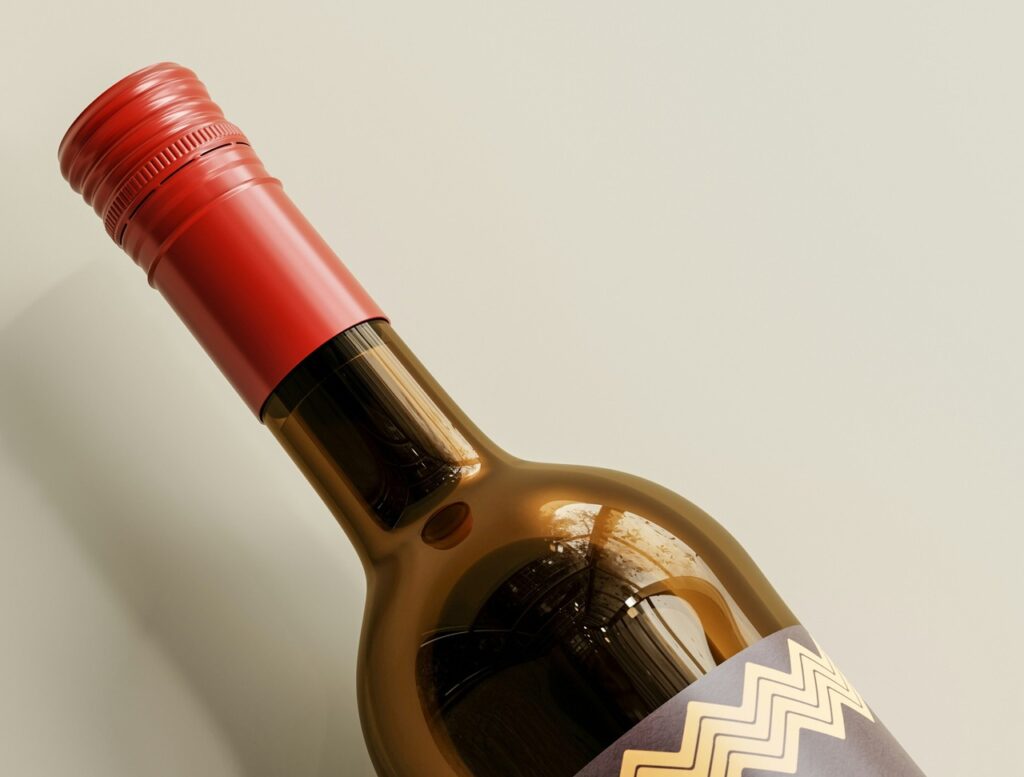
Cork still signals “premium” in many markets because it has been associated with fine wine for centuries. That signal is cultural, not scientific, and it persists even as many excellent wines now use screw caps. Some regions adopted screw caps earlier, especially in places where freshness and consistency were prioritized, while other regions remain traditional because consumer expectations are harder to shift. Perception can be strong enough that producers choose cork simply because buyers equate it with seriousness. This is especially common in classic red wine categories. Packaging signals can influence taste expectations before the first sip.
The stigma around screw caps has weakened, largely because more high-quality producers have used them successfully and because consumers value convenience. Still, perception varies by category. A crisp, aromatic white under screw cap feels normal to many shoppers, while a high-end red under screw cap can still surprise some buyers. The most useful mindset is to treat closure as a packaging choice, not a quality verdict. If the producer is reputable and the wine style fits the closure, the top should not be a dealbreaker. Category expectations drive reaction more than the closure itself. Younger wine drinkers often care less about tradition.
Buying Smarter

Smarter buying starts with matching closure to wine style and drinking timeline. If the wine is meant to be fresh, aromatic, and enjoyed soon, a screw cap can be a strong positive sign because it protects that crisp character and reduces the chance of taint. If the wine is meant to age for many years, cork may still be more common, but long aging is more about producer intent, grape structure, and storage conditions than about the closure alone. Purchase timing matters as much as aging potential. Most wines are made for early enjoyment. A screw cap can be ideal for weeknight wines and short-term cellaring.
Labels and producer reputation matter more than the closure type. A well-made wine under a screw cap can be excellent, and a poorly stored corked bottle can disappoint. Storage after purchase also matters: cool, dark, steady conditions protect wine under any closure. Ultimately, the closure is one piece of information, useful for setting expectations about freshness, consistency, and ritual. The best decision comes from understanding what the wine is trying to be, then choosing the bottle that fits that purpose. Storage is the quiet factor behind many disappointments. A stable temperature preserves aromas and slows oxidation.
References
- Cork Versus Screw Cap: Don’t Judge A Wine By How It’s Sealed-npr.org
- Using Wine Corks vs Screw Caps: What’s The Difference?-homebrewing.org
- Wine, corks, and ecosystems- The ecologist.org