The Common Kitchen Mistake That Can Damage a Glass Top Stove

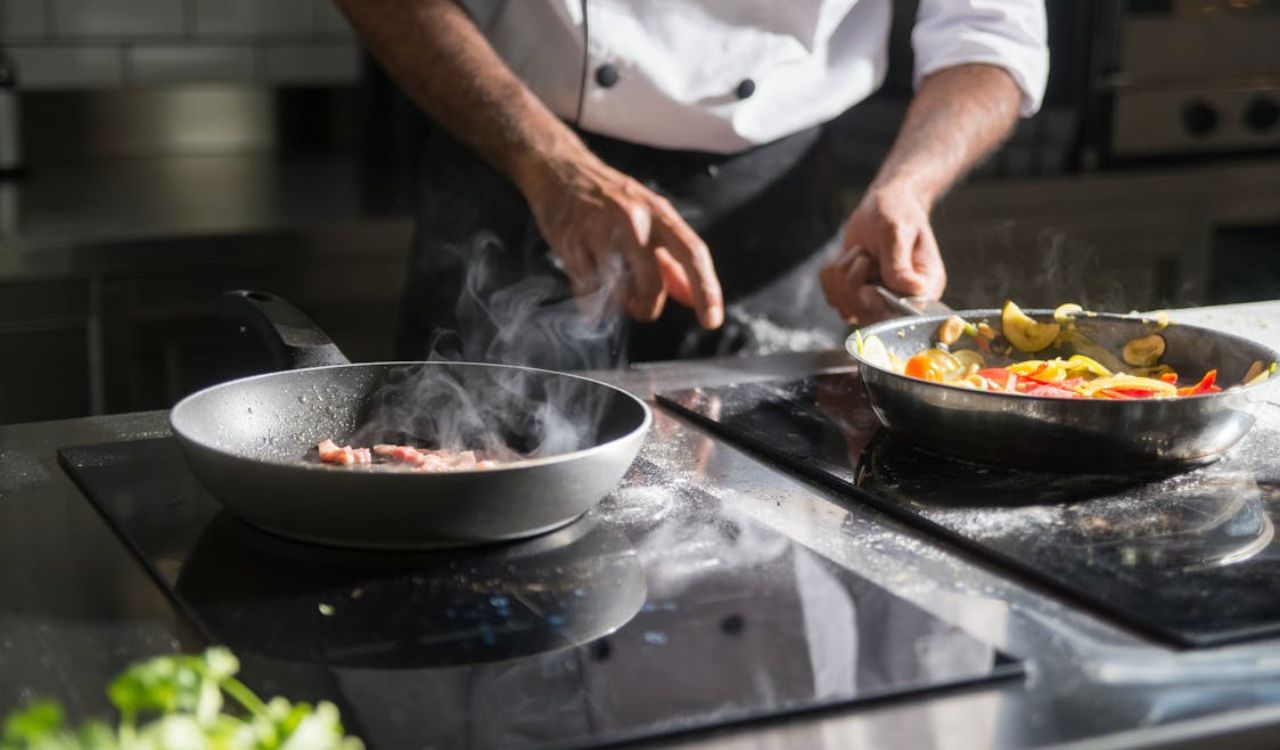
Glass top stoves have become a favorite in modern kitchens because they offer a sleek look, a flat cooking surface, and easier cleanup compared to traditional burners. What many homeowners do not realize is that this smooth surface is far more sensitive to everyday habits than it appears. Minor actions repeated over time can quietly wear it down, turning a glossy cooktop into one marked by scratches, stains, or even cracks. These problems often develop gradually, which makes the cause easy to miss. By the time damage is visible, repairs can be expensive or impossible, making prevention the smartest approach.
One of the biggest contributors to glass cooktop damage is cookware that most households already own and use regularly. Cast iron pans are especially common because they are durable, hold heat well, and can last for decades. However, they were originally designed for cooking over open flames and rough surfaces, not smooth glass panels. Their heavy weight and rigid construction place concentrated pressure on the cooktop, which means they require more mindful handling. Many people believe cast iron itself is unsafe, but the real risk comes from habits like dropping, dragging, or using pans with buildup on the bottom. With proper care, cleaning, and gentle placement, cast iron and glass top stoves can work together safely, but careless use allows small mistakes to accumulate into visible damage over time.
Why Cast Iron and Glass Cooktops Create Confusion
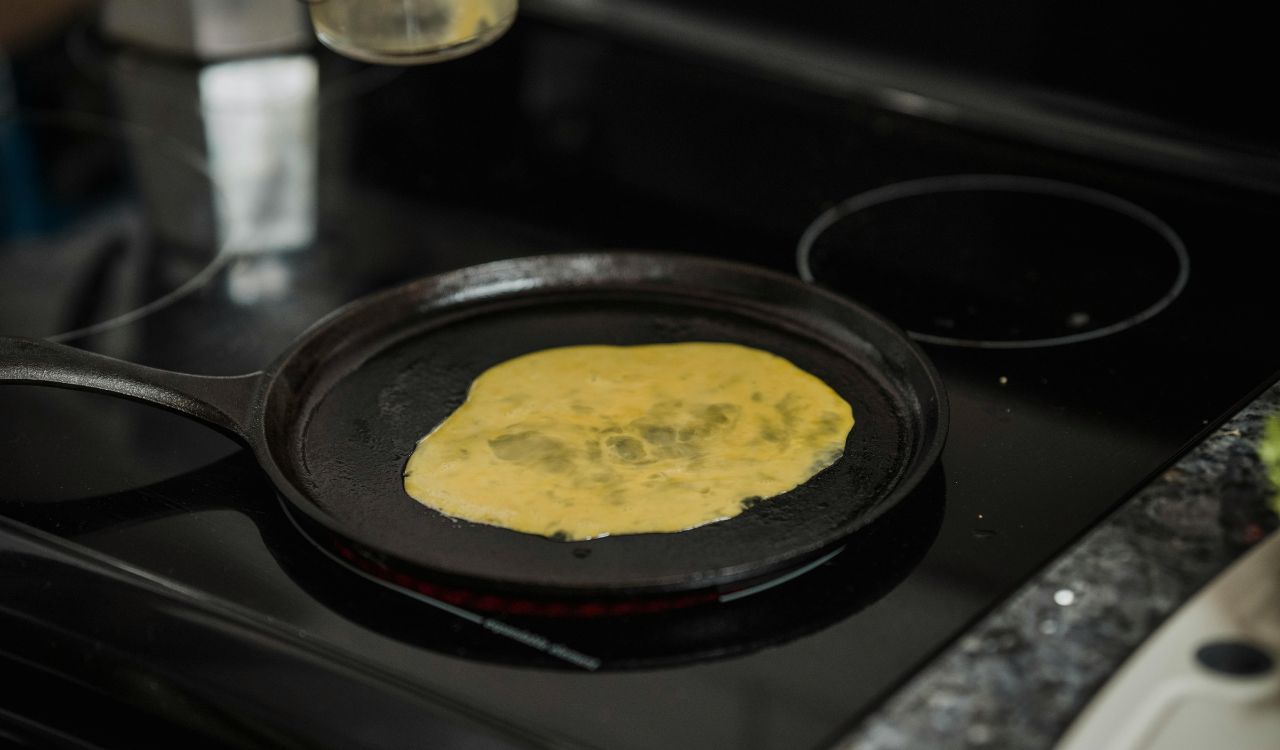
Cast iron cookware raises concerns primarily because of its weight and rigid construction, which interact differently with glass than with traditional stovetop materials. A single cast iron skillet can weigh several pounds before food is added, and that weight presses directly onto a smooth glass surface. When a heavy pan is placed down too quickly, tilted, or dropped from even a short distance, the force concentrates in one small area. Glass cooktops are built to withstand high temperatures, but they are not designed to absorb sudden impact. This mismatch explains why cracks sometimes appear after what seems like a minor accident. Even if damage is not visible right away, internal stress can develop and worsen as the cooktop repeatedly heats and cools during everyday use.
Another point of confusion involves induction cooking. Induction cooktops require magnetic cookware to function, and cast iron works extremely well with this technology. The stove recognizes the pan instantly, and heat transfers efficiently. This compatibility leads many people to believe cast iron is completely risk free on glass surfaces. While it works mechanically, the same physical risks still apply. The concern is not whether the stove can heat the pan, but whether the glass can withstand repeated pressure, movement, and impact. Understanding this distinction helps explain why handling matters just as much as cookware choice.
The Everyday Habit That Causes the Most Damage
The most common mistake that damages glass top stoves is sliding cookware across the surface instead of lifting it completely. This habit feels natural, especially when adjusting a pan’s position or moving it from one burner area to another during cooking. On a glass surface, however, sliding creates friction between the cookware and the cooktop. Tiny particles such as salt grains, crumbs, or small bits of burned food often remain unseen on the surface. When a heavy pan moves across these particles, they scrape against the glass like fine grit. Over time, this repeated abrasion creates scratches that dull the surface, trap residue, and weaken the glass, making future damage more likely.
Cast iron cookware makes this problem more severe because of its significant weight and rigid structure. The heavier the pan, the more pressure is applied to any particles trapped beneath it, increasing the likelihood of scratching. These marks do not usually appear all at once. Instead, they develop slowly through repeated use, which is why many people fail to link the damage to everyday cooking habits. Once scratches form, they are permanent and cannot be repaired. Lifting cookware straight up and placing it down gently removes friction entirely. Although this change may feel awkward at first, it quickly becomes routine and greatly reduces long term wear on the cooktop.
How Scratches and Cracks Develop Over Time
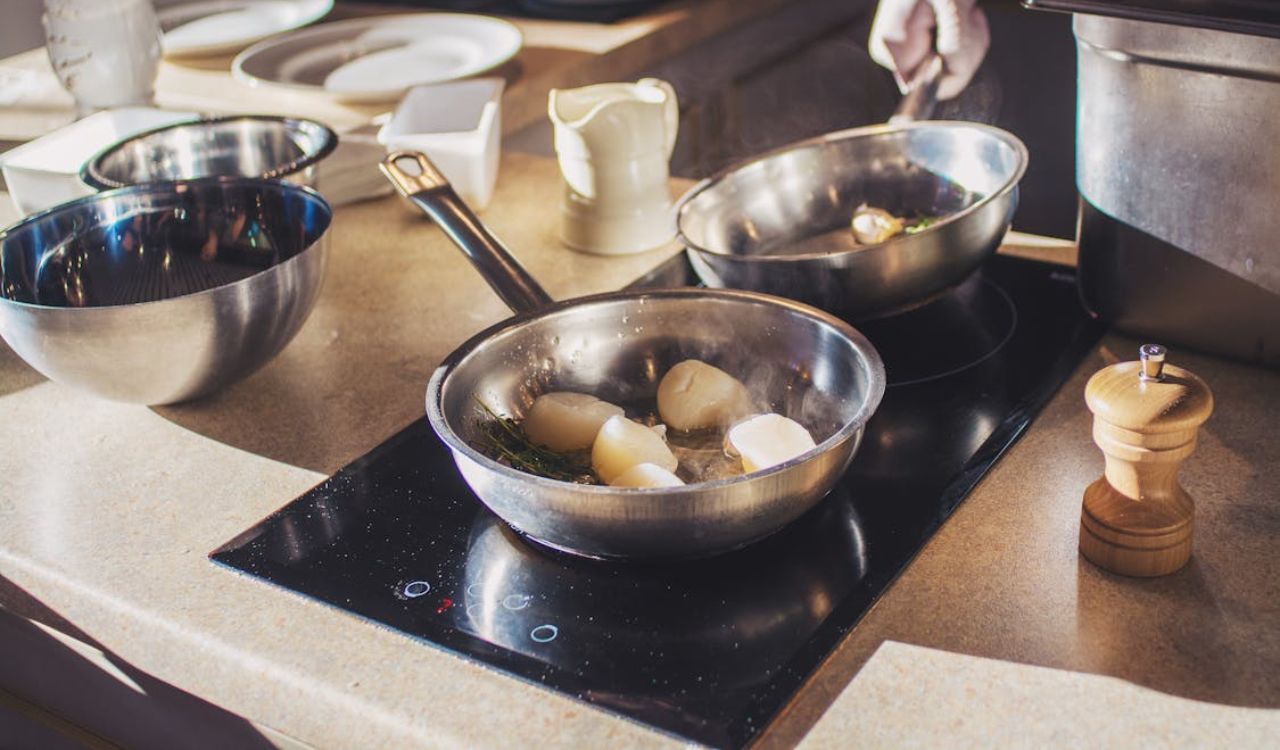
Scratches usually begin as very small marks that are easy to miss during daily use. Each time cookware slides across the glass surface, those marks deepen slightly, even if the movement feels gentle. Cleaning methods can speed up this damage when abrasive pads, gritty sponges, or harsh cleaners are used. Even wiping the cooktop without first lifting away debris can grind particles into the glass. Over time, scratched areas collect grease, oil, and food residue more easily, making the surface harder to clean and more prone to discoloration. These imperfections also interfere with even heat distribution, which adds stress to the glass during cooking and increases the likelihood of long term damage.
Meanwhile, cracks typically result from impact rather than friction and are more serious than surface scratches. Dropping a heavy pan, bumping cookware against the cooktop, or setting a pan down too forcefully can all create sudden pressure in one concentrated spot. Glass cooktops are designed to withstand sustained heat, but they are far more vulnerable to shock. A crack may appear immediately or develop internally before spreading over time. Once cracked, the glass loses structural integrity and can become unsafe to use. Preventing cracks relies on controlled movement, careful placement of cookware, and avoiding repeated stress on the same area of the cooktop during regular cooking.
Cleaning and Maintenance That Protect the Surface
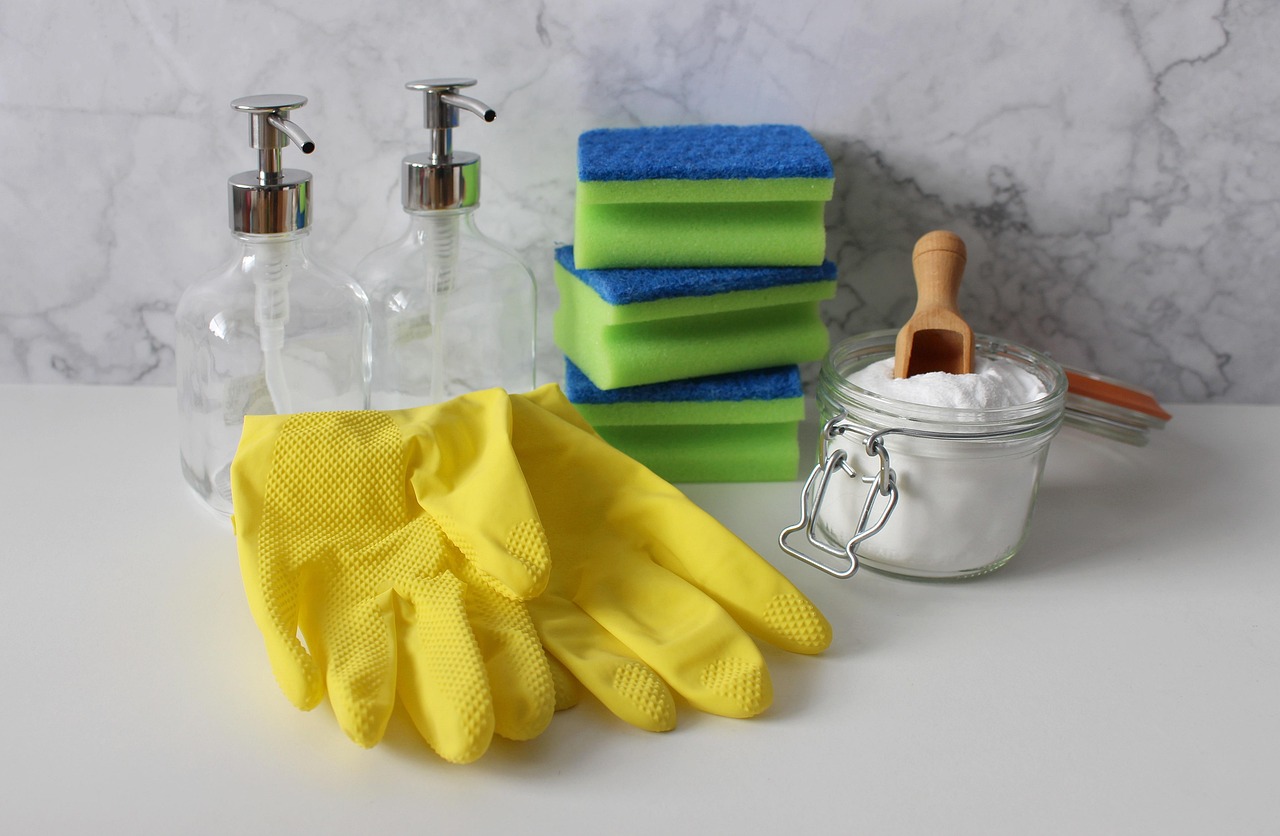
Regular cleaning plays a major role in preventing damage to a glass top stove because residue buildup contributes directly to scratches and stains. After cooking and once the surface has cooled, loose food particles should be lifted away gently rather than wiped forcefully across the glass. Warm water and mild dish soap are usually sufficient for everyday messes and help remove grease without harming the surface. When food becomes baked on, patience is essential. Baking soda mixed with water creates a mild paste that loosens residue safely, while white vinegar helps dissolve buildup after the baking soda sits. These gentle methods clean effectively without scratching the glass or weakening its surface.
Harsh abrasives such as steel wool, razor blades, or rough scrub pads should never be used on a glass cooktop because they can scratch the surface immediately and permanently. Even a single use can undo years of careful maintenance and leave marks that trap grease and residue. Drying the cooktop thoroughly after cleaning helps prevent streaks and reduces the chance of leftover moisture turning into baked on residue during the next use. Consistent gentle maintenance keeps the surface smooth, improves heat performance, and lowers the risk of stains becoming permanent. Spending a few minutes after cooking to clean properly saves significant time, frustration, and repair costs in the long run.
Why the Bottom of Your Cookware Matters
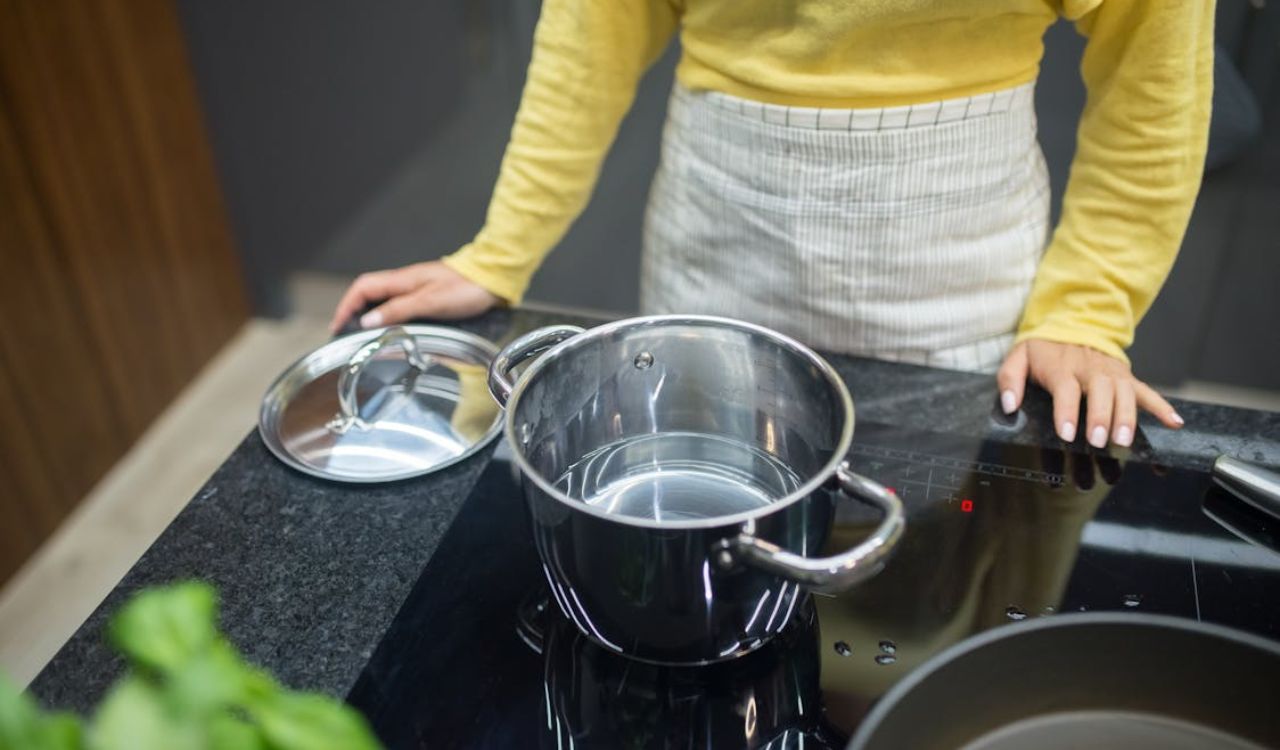
Cookware condition is just as important as caring for the cooktop itself, yet it is often overlooked. The underside of pans, especially cast iron, can accumulate layers of burned oil, grease, and cooking residue over time. When oil is heated repeatedly, it carbonizes and hardens, creating a rough, uneven texture. This rough surface makes direct contact with the glass cooktop during cooking. As the pan heats and moves slightly, the residue transfers onto the glass, leaving black streaks and stubborn stains. These marks become increasingly difficult to remove and can interfere with proper heat transfer, making the cooktop work harder and increasing the risk of long term surface damage.
Although there are many opinions about how to clean the interior of cast iron cookware, there is little debate about the importance of keeping the exterior clean. The bottom of the pan should always be smooth and free of buildup before it is placed on a glass surface. Removing residue reduces friction, limits staining, and helps the weight of the pan sit evenly across the cooktop. A clean pan bottom protects the glass just as much as careful handling and gentle placement. Ignoring this step allows hardened residue to act like sandpaper during cooking, gradually wearing down the surface and increasing the likelihood of permanent scratches and damage.
Best Practices for Maintaining Glass Top Stoves

Using cast iron safely on a glass top stove comes down to mindful, consistent habits rather than avoiding the cookware altogether. Heavy pans should always be lifted straight up instead of slid across the surface to prevent abrasion. When placing cookware on the cooktop, it should be lowered gently to avoid sudden impact. Before cooking, the bottom of the pan should be inspected to ensure it is clean, smooth, and free of debris. Cast iron with chips, cracks, or uneven spots on the underside should not be used on glass, as these flaws increase pressure points and raise the risk of scratching or cracking the surface during regular use.
Cleaning spills promptly is another essential habit because residue left on the cooktop can bake on and become difficult to remove. Maintaining both the cookware and the cooktop reduces friction, prevents staining, and limits long term stress on the glass. When cast iron is handled carefully and kept clean, it remains a dependable and versatile tool even on modern stoves. Treating the cooktop as a precision surface rather than a rugged one encourages better habits and longer lifespan. With regular care and attention, a glass top stove can stay functional, attractive, and safe for years without sacrificing the benefits of cast iron cooking.
References
- The Common Mistake That Could Damage Your Glass-Top Stove – allrecipes.com
- Understanding Common Issues Faced by Cooktop Glass Users in Modern Kitchens – kangerglass.com