Whole Foods Isn’t What It Promised: 9 Changes Loyal Shoppers Are Noticing

Whole Foods Market built its reputation on a clear promise. High-quality ingredients, strict standards, and a shopping experience that felt thoughtful and a little different from a typical grocery run. For many longtime customers, that identity was easy to recognize the moment you walked through the doors.
Lately, though, some of those details feel like they have shifted. Not in one dramatic way, but in small, noticeable changes across the store. The produce looks less consistent, shelves feel more standardized, and the sense of discovery that once defined the aisles is not as strong as it used to be.
These changes do not erase what Whole Foods does well, but they do alter how the store feels compared to what it originally promised.
1. The Produce Section That No Longer Feels Consistently Premium

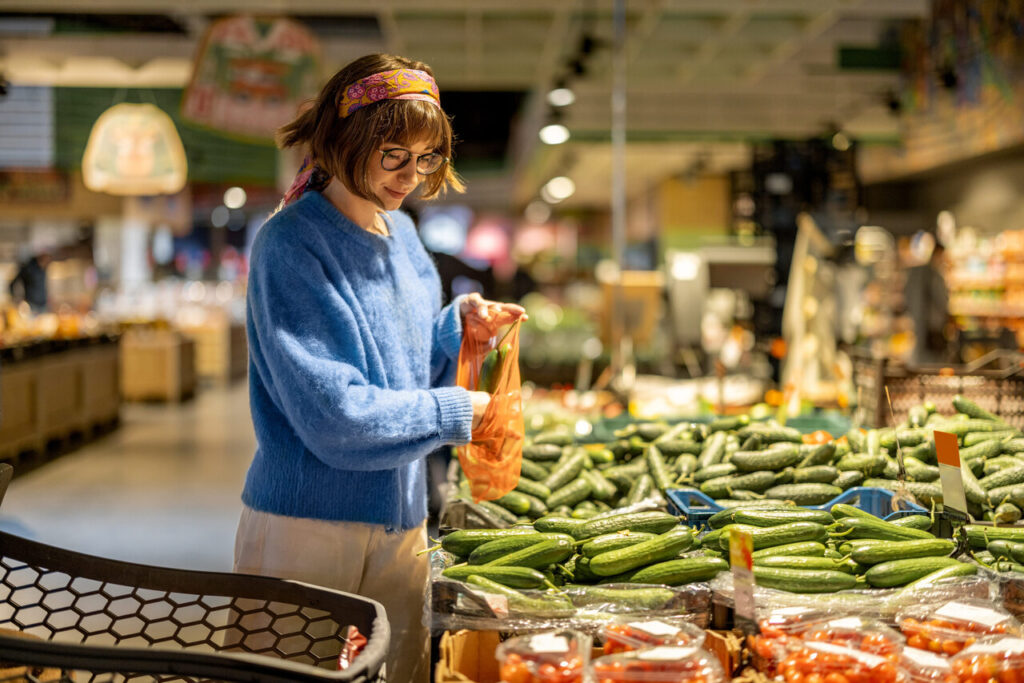
For many longtime shoppers, the produce section was once the clearest sign of what Whole Foods stood for. Fruits and vegetables looked vibrant, well-stocked, and carefully handled. Now, some customers notice more variation. One visit may feel top-tier, while another shows items that appear closer to standard supermarket quality.
This shift can be tied to scale and sourcing. As operations grow and supply chains expand, maintaining the same level of consistency becomes more challenging. Seasonal fluctuations, transportation timelines, and supplier changes all affect freshness and appearance.
The result is not necessarily poor quality, but less predictability. When expectations are built around premium standards, even small inconsistencies stand out. That change is enough for regular shoppers to feel that something is different.
2. The Prices That Feel Lower on Paper but Not in Practice
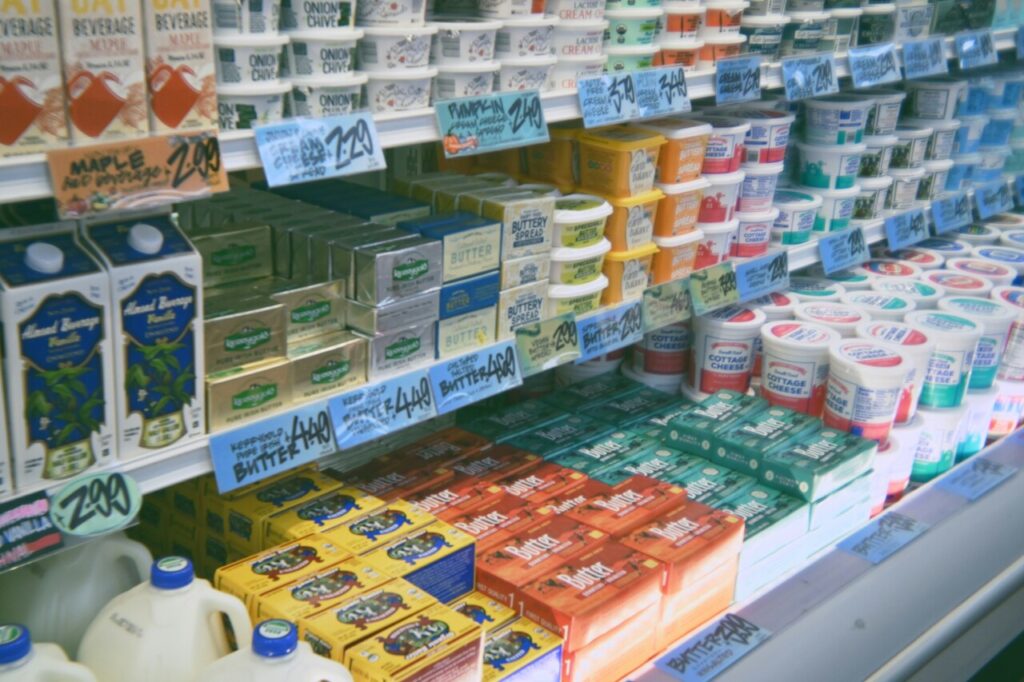
Whole Foods has made efforts to reduce prices in certain categories, especially on staple items. Shelf tags may show competitive pricing compared to previous years, and some items do come in lower than expected.
However, the overall shopping experience can still feel expensive. Specialty products, prepared foods, and premium items continue to carry higher price points. As a result, the total bill often reflects a premium store, even if individual items have become more accessible.
This creates a perception gap. Shoppers see signs of lower pricing, but their final receipt tells a different story. That contrast is one of the reasons people feel the store has changed without fully shifting its identity.
3. The Influence of Scale That Has Altered the Store’s Personality
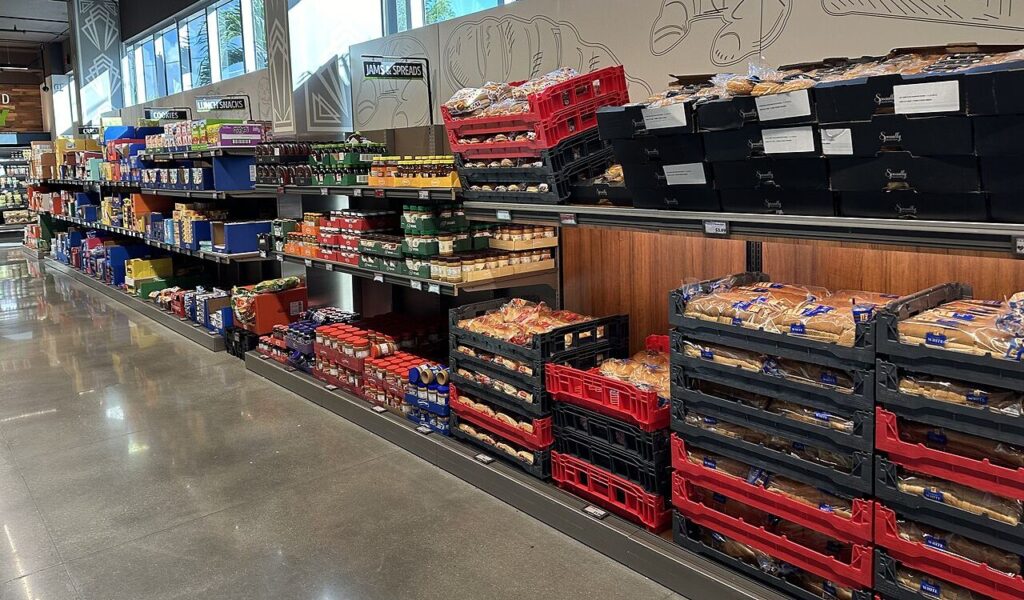
Whole Foods once felt like a collection of carefully curated stores with a strong local identity. Over time, the influence of larger operational systems has introduced more uniformity across locations.
Standardized layouts, centralized sourcing, and shared product lines help improve efficiency. They also ensure a consistent experience for customers across different regions. But this consistency can come at the cost of individuality.
For shoppers who remember the earlier version, the change is noticeable. The store feels more streamlined and predictable, but less unique. That shift in personality is one of the most commonly felt differences.
4. The Empty Shelves That Appear More Often Than Before
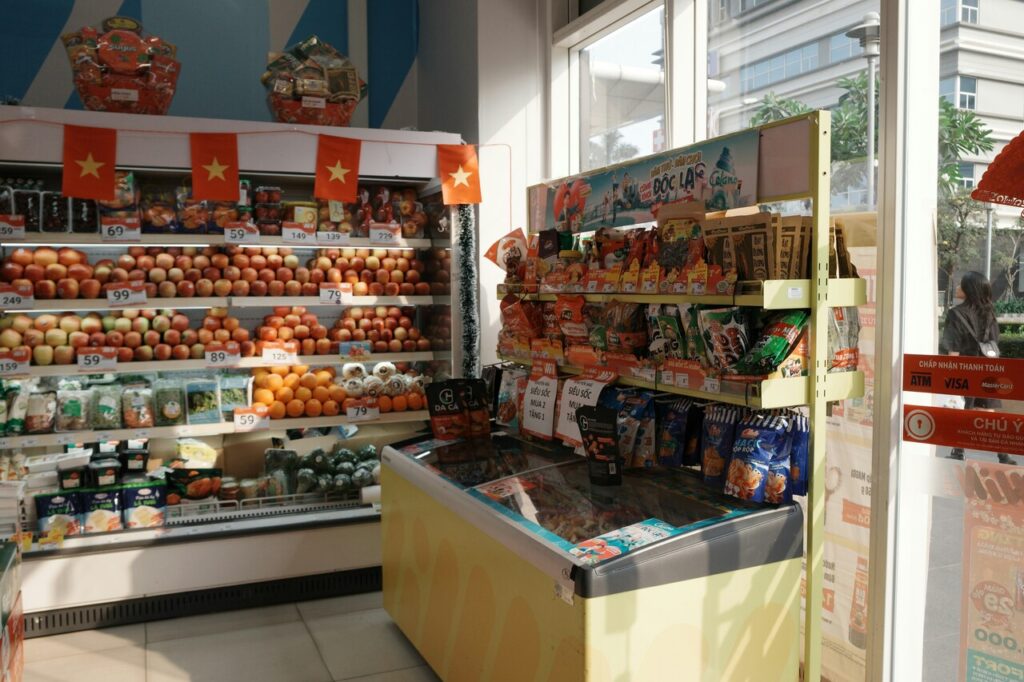
Stock levels are another area where changes show up. Some shoppers notice gaps on shelves or products that are temporarily unavailable more frequently than in the past.
Inventory management has become more complex as product ranges expand and supply chains adjust. Delays, demand spikes, and logistical challenges can all contribute to these gaps. Even small disruptions become visible when expectations are high.
The impact is practical. When a regular item is missing, it disrupts routine shopping habits. Over time, these small interruptions shape how reliable the store feels, especially for repeat customers.
5. The Reduced Sense of Discovery in the Aisles

Whole Foods was once known for introducing shoppers to niche products and unique brands. Walking through the aisles often felt like exploring something new. Today, some customers feel that sense of discovery has become less pronounced.
As product lines expand and standardize, the mix can shift toward more widely appealing items. This helps streamline inventory and meet broader demand, but it can reduce the number of unexpected finds.
The difference is subtle but meaningful. The store still carries a wide range of products, but the element of surprise is less frequent. For shoppers who valued that experience, the change stands out.
6. The Growing Presence of Store Brands on Every Shelf
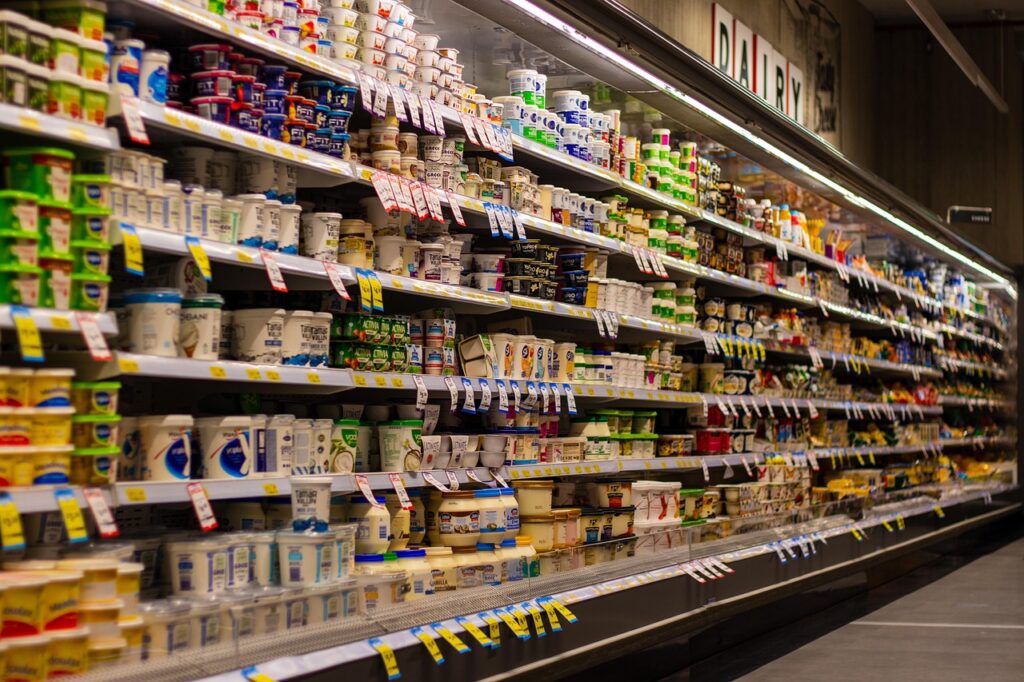
Private label products have become more prominent across the store. The 365 line and other in-house brands now occupy a larger share of shelf space in many categories.
This strategy allows for better control over pricing, sourcing, and margins. It also creates a more consistent brand identity across the store. From a business perspective, it is a logical move.
For shoppers, the experience shifts slightly. There are fewer national brands to compare, and more emphasis on store-developed options. This can simplify decisions, but it also changes the variety that once defined the aisles.
7. The Standards That Feel Less Distinct Than Before
Whole Foods built its reputation on strict ingredient and sourcing standards. Those standards still exist, but some shoppers feel they are less visible or less clearly communicated than they once were.
As product ranges broaden, the distinction between what sets Whole Foods apart and what is available elsewhere can feel less sharp. Items that would have once stood out as unique may now appear more common.
This does not necessarily mean the standards have changed significantly. It means the difference is less obvious at a glance. For customers who valued that clarity, the shift is noticeable.
8. The Shopping Experience That Feels More Structured Than Personal

In the past, the store experience often felt more interactive and locally driven. Staff recommendations, smaller displays, and unique layouts contributed to a sense of personality.
Today, many stores feel more structured. Layouts are consistent, signage is standardized, and operations are more streamlined. This improves efficiency but can reduce the feeling of individuality.
For shoppers, the experience becomes more predictable. That can be positive for convenience, but it also changes the emotional connection some customers once felt with the store.
9. The Growing Focus on Convenience Over Exploration

Convenience has become a larger part of the Whole Foods model. Prepared foods, online ordering, and delivery options are more prominent than before. These services make shopping faster and more flexible.
At the same time, this focus can shift attention away from in-store exploration. When shoppers rely more on pre-selected items or digital ordering, they spend less time browsing and discovering new products.
The change reflects broader retail trends. Convenience is increasingly important, but it alters how people interact with the store. The experience becomes more efficient, but less exploratory, which is a difference loyal shoppers tend to notice.