The New Recipe Label Is Showing Up Everywhere and Not Everyone Is Happy

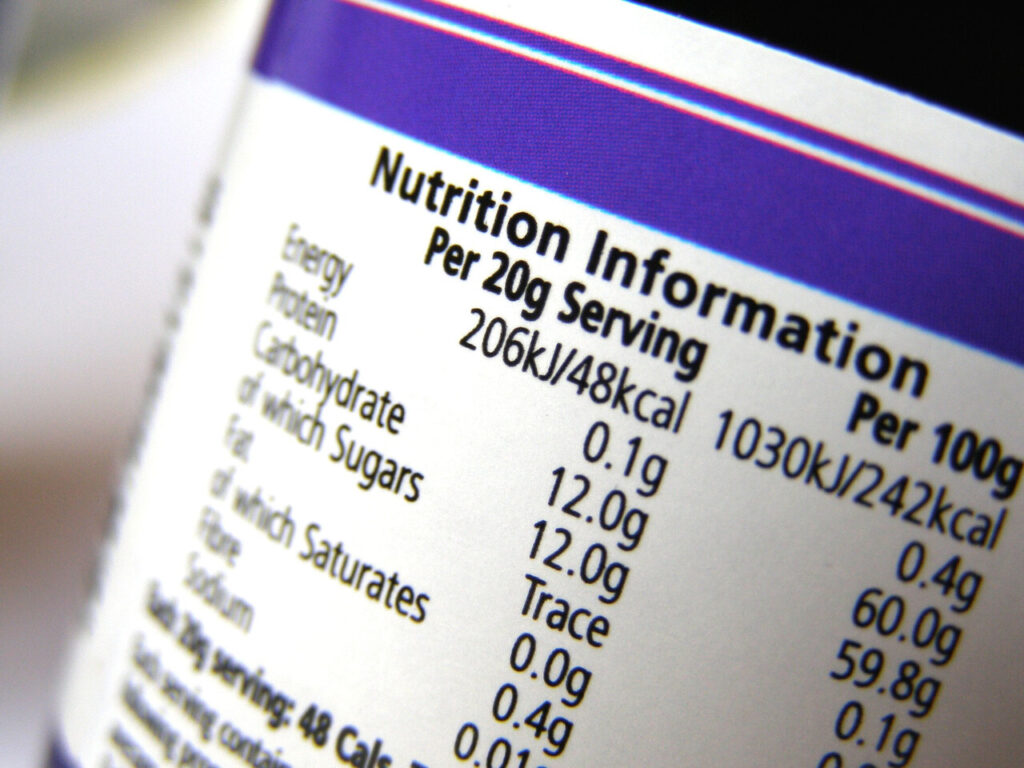
A new kind of food label is starting to stand out on store shelves, and it is changing more than just how products look. These front-of-pack labels are designed to make nutrition easier to understand at a glance, but they are also influencing what goes into the food itself.
As companies adjust recipes to meet new standards, some consumers are beginning to notice subtle differences in taste and texture. At the same time, the push for transparency is creating tension between what brands want to show and what they would rather keep in the background.
What seems like a simple label change is quietly reshaping both products and expectations.
The Label That Is Suddenly Everywhere
What shoppers are starting to notice first is not the food, but the front of the package. New front-of-pack labels are being introduced to make nutrition easier to understand at a glance. Instead of scanning detailed panels on the back, consumers now see simplified signals right away.
These labels focus on a few key nutrients. They highlight levels of added sugar, sodium, and saturated fat using clear terms like low, medium, or high. The goal is to help people make faster and more informed choices while shopping.
Governments are pushing this shift as part of broader health efforts. Rising rates of obesity and chronic disease have increased pressure to make food information more accessible. Clearer labels are seen as one of the easiest ways to influence behavior.
The design itself is intentionally simple. Visual cues replace complex numbers, making it easier for people to compare products quickly. This change reflects the idea that most shoppers do not spend much time reading detailed nutrition facts.
As a result, these labels are becoming more common across products. What once appeared only on the back is now moving to the front. This shift is changing how people interact with food packaging.
Why Companies Are Changing Recipes Alongside Labels
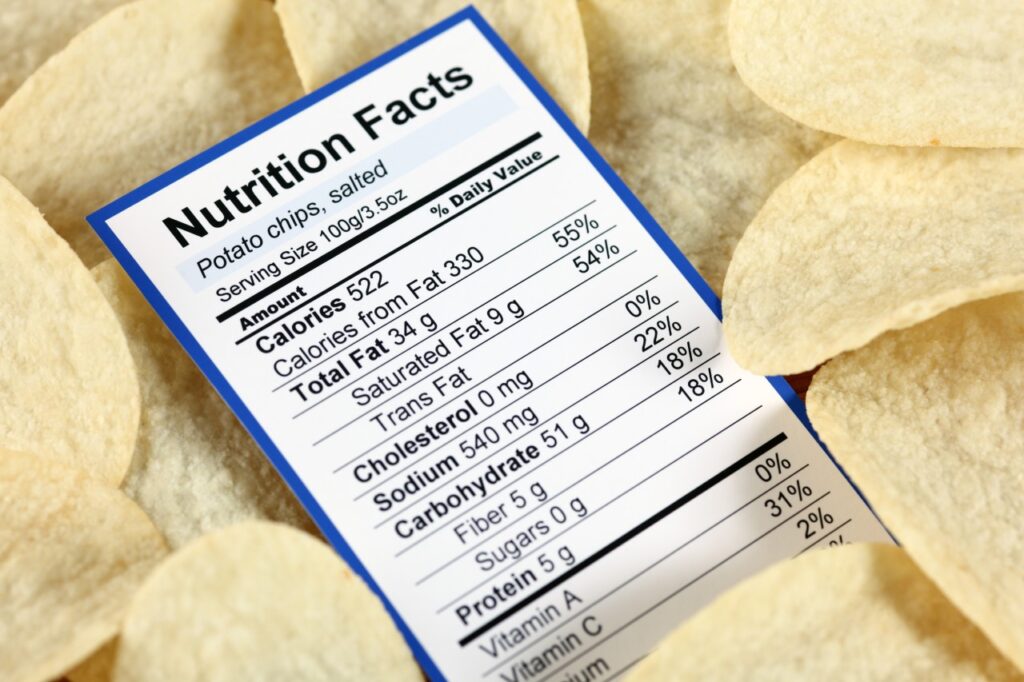
What is less visible is how these labels are influencing what is inside the product. When labels clearly show high levels of certain nutrients, companies have an incentive to adjust recipes. This often happens before the label becomes widely noticed.
Reducing sugar, salt, or fat can improve how a product appears on the label. Even small changes can shift a product from high to medium, which affects how consumers perceive it. This creates pressure to reformulate quietly.
These adjustments are not always about taste. They are often driven by regulatory expectations and public health messaging. Companies aim to stay competitive while avoiding negative signals on packaging.
However, reformulation can change flavor and texture. Removing or reducing key ingredients may make products taste different. This is one reason some consumers feel that familiar items are no longer the same.
Over time, these small changes accumulate. A product may evolve gradually without a clear announcement. The label becomes a driver of change behind the scenes.
The Backlash From Consumers Who Notice the Change
What many consumers are reacting to is not just the label, but the experience. When a familiar product tastes different, it creates a sense of frustration. People often feel that something has been altered without their knowledge.
Online discussions have amplified these reactions. Consumers share experiences of products tasting less rich or less satisfying than before. These conversations create a shared sense that something is changing.
Part of the frustration comes from a lack of transparency. While labels provide more nutrition information, they do not always explain recipe changes. This gap can make consumers feel left out of the process.
For some, especially those sensitive to taste or texture, these changes are more noticeable. Even small differences can affect how enjoyable a product feels. This makes the reaction more personal than purely analytical.
As awareness grows, so does scrutiny. Consumers are paying closer attention to both labels and flavor. This has made product changes more visible than in the past.
The Tension Between Transparency and Marketing
What companies are trying to balance is not simple. Clear labels improve transparency, but they can also highlight aspects that may discourage purchases. A product marked high in sugar or salt may become less appealing instantly.
This creates a challenge for branding. Companies want to be honest while still maintaining a positive image. The label becomes part of the product’s identity, not just an informational tool.
Some brands respond by emphasizing other aspects. They highlight natural ingredients, portion control, or overall experience to offset negative signals. This helps maintain consumer interest.
At the same time, there is concern within the industry. Some argue that simplified labels may oversimplify nutrition and influence perception too strongly. This debate reflects the tension between clarity and nuance.
The result is a delicate balance. Companies must adapt to new rules while protecting how their products are perceived. This tension is shaping how food is presented and marketed.
What This Shift Means for the Future of Food Packaging
What is becoming clear is that labels are no longer secondary. The front of the package is now a key point of communication between brands and consumers. This changes how products are designed and marketed.
Consumers are increasingly using labels to guide decisions. Simple visual cues make it easier to compare options quickly. This shifts power toward clearer and more transparent information.
At the same time, labels are influencing product development. Companies are more likely to design foods that perform well under these systems. This could lead to broader changes in the food industry.
Globally, similar systems are already in place or expanding. Countries are adopting different formats, from warning labels to rating systems. This suggests that the trend is not temporary.
In the long run, this shift may reshape consumer expectations. Labels will become part of how people judge food before they even taste it. That makes them one of the most powerful tools in modern packaging.