Why Your Palate Changes After 40 and What That Means for the Foods You Used to Love


There comes a quiet turning point when the foods you once loved no longer deliver the same satisfaction. The sweetness feels softer, almost faded, the richness less comforting, and familiar dishes begin to feel ordinary. At first, it’s easy to dismiss these changes as mood or coincidence, but over time, the pattern becomes clearer. Your palate is not reacting the way it once did. This shift is not random. It reflects biological changes, including a gradual reduction in taste bud sensitivity and a slower response to flavor signals. What once felt vibrant may now seem muted, not because the food has changed, but because your body processes taste differently than it did before.
After 40, your experience of flavor begins to evolve in ways that often go unnoticed until they become consistent. Factors like hormonal shifts, changes in smell perception, and even long-term dietary habits start influencing how food tastes and feels. Medications, hydration levels, and oral health can shape this experience, making some flavors less pronounced and others unexpectedly dominant. Yet this transition is not a loss of enjoyment. It opens the door to a more thoughtful relationship with food, where depth, texture, and balance take center stage. What emerges is not a diminished palate, but one that is gradually adapting, inviting you to explore food from a more aware perspective.
Embracing the Evolution of Taste

What often feels like a sudden dislike for certain foods is rarely about preference alone. It is usually your body quietly adjusting to the natural process of aging. After 40, the number of active taste buds begins to decline, and the ones that remain may respond less strongly, especially to delicate or subtle flavors. This can make familiar dishes seem less vibrant than before. It does not mean your enjoyment of food is fading, but rather that your palate is shifting toward bolder, more noticeable tastes. What once satisfied you may now feel understated, not because it has changed, but because your sensory response to it has evolved.
At the same time, your sense of smell, which is deeply tied to how you experience flavor, also begins to weaken gradually. Since a large portion of what we perceive as taste actually comes from aroma, even a slight decline can make meals feel less engaging. This dual change can create the impression that food has lost its appeal. However, understanding this process can change how you respond to it. Instead of seeing it as a loss, it becomes an opportunity to explore new ingredients, stronger seasonings, and different textures. It is less about losing the joy of eating and more about learning how to experience it in a new, evolving way.
Rediscovering Joy in Everyday Foods
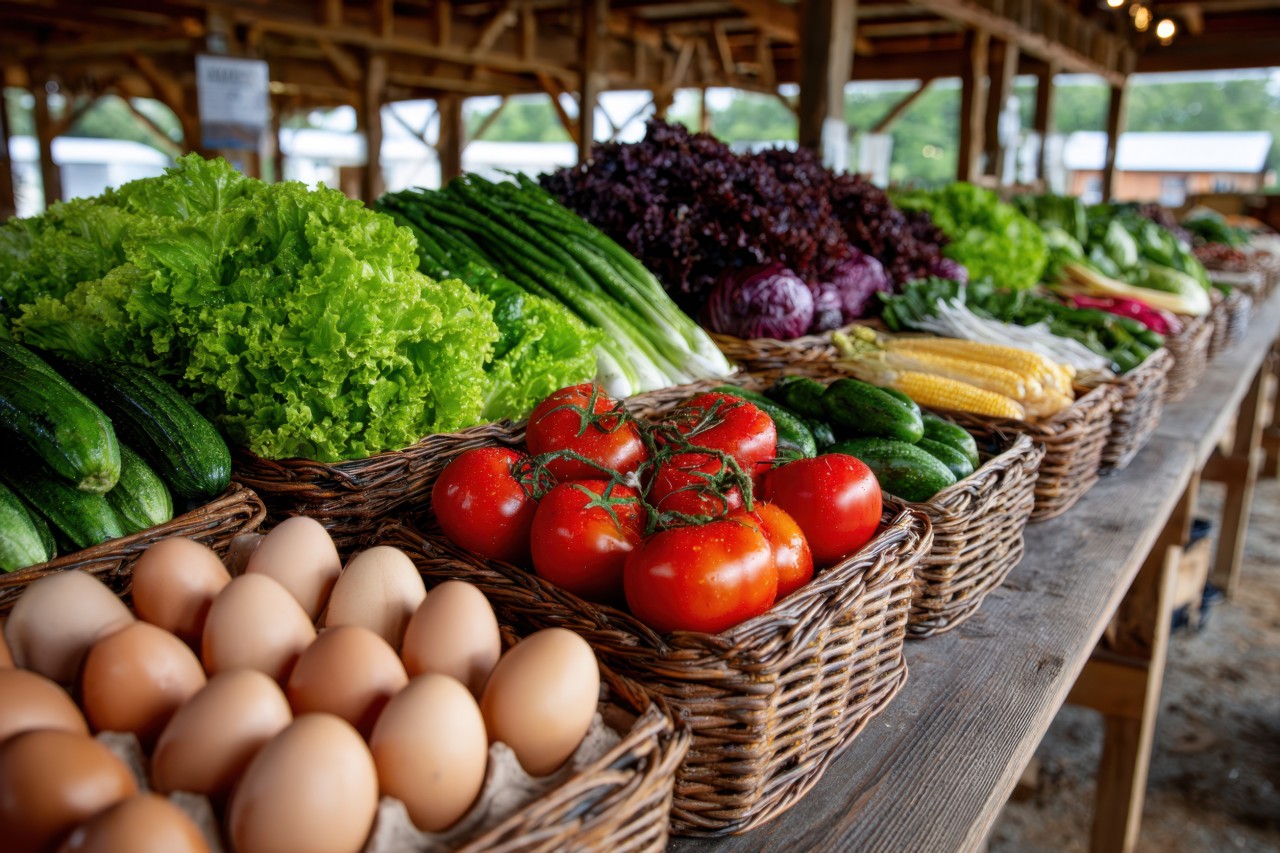
Foods that once seemed plain or unexciting can begin to feel surprisingly satisfying as your palate matures. As sensitivity to sweetness and salt gradually decreases with age, your taste preferences often shift toward deeper and more layered flavors. You may find yourself enjoying the savory richness of umami, the gentle sharpness of mild bitterness, or the grounding taste of natural earthiness. Simple ingredients like roasted vegetables, fresh herbs, whole grains, and fermented foods can suddenly feel more flavorful and complete. This change is not accidental, but a reflection of how your body starts valuing complexity over intensity in everyday meals.
This natural transition can quietly guide you toward better eating habits without force or restriction. Many people notice they begin to prefer foods that are less processed and more balanced, simply because they taste more satisfying over time. Instead of craving strong, one-note flavors, your palate starts appreciating contrast, texture, and depth. By embracing this shift, meals become less about immediate gratification and more about lasting enjoyment. It opens the door to rediscovering familiar foods in new ways, where subtle differences stand out, and each bite feels more thoughtful, nourishing, and genuinely enjoyable.
Making Mindful Adjustments to Your Diet

As your palate begins to change, even small, thoughtful adjustments can bring noticeable improvement to how food feels and tastes. When taste sensitivity declines, relying only on salt or sugar rarely restores satisfaction. Instead, layering different sensory elements can make meals more engaging. Adding crunch through nuts or seeds, incorporating warmth with spices like cinnamon or cumin, and using fresh herbs can create a fuller eating experience. Temperature contrast, such as pairing warm dishes with cool sides, can also heighten perception. These simple changes work together to stimulate multiple senses, helping food feel more complete and enjoyable without overwhelming the palate.
Alongside these adjustments, hydration and oral health play a crucial role in maintaining flavor perception. A dry mouth, which becomes more common with age or certain medications, can significantly reduce how well taste signals are detected. Saliva helps dissolve food particles, allowing taste receptors to function properly. Without it, even flavorful dishes may seem dull. Drinking enough water throughout the day and maintaining consistent oral hygiene can support better taste awareness. Regular dental care also prevents issues that may interfere with how flavors are experienced, making it easier to enjoy meals with clarity and comfort.
Supporting Health Through Smarter Choices
As taste perception begins to soften with age, there is a natural tendency to reach for stronger flavors to compensate for what feels missing. This often leads to adding more salt, sugar, or processed seasonings in an effort to make food taste satisfying again. While this can offer short-term improvement, it may gradually affect overall health if it becomes a habit. A balanced approach is to enhance flavor using natural ingredients that stimulate the senses without overwhelming them. Citrus juices, aromatic herbs, slow-cooked onions, garlic, and spices can bring depth and brightness to meals, allowing you to enjoy food more fully while maintaining better control over what you consume.
At the same time, the body’s nutritional needs become more closely linked to how taste is experienced. Deficiencies in key nutrients such as zinc, vitamin B12, and iron can subtly alter taste perception, sometimes making foods seem bland or slightly off. These changes are often overlooked, but they play an important role in how satisfying meals feel daily. Focusing on a well-rounded diet that includes whole foods, lean proteins, and a variety of fruits and vegetables helps support both overall health and sensory function. When the body is properly nourished, the palate responds more accurately, making it easier to enjoy food in a natural and balanced way.
Looking Ahead with a Positive Food Perspective

Rather than viewing these changes as something being lost, it can be more helpful to see them as a natural shift in how you experience food. Your palate is not fading away; it is adjusting to new sensory patterns shaped by age, health, and lifestyle. While certain flavors may feel less intense than before, others begin to stand out in more meaningful ways. This evolution encourages you to slow down and pay closer attention to what you eat. With a bit of awareness and simple adjustments, meals can remain deeply satisfying, offering comfort and enjoyment in ways that feel more balanced and aligned with your body’s changing needs.
This phase of life also brings a chance to become more intentional about food choices and eating habits. Instead of relying on old preferences, you begin to explore what truly feels good both in taste and in how your body responds. Focusing on fresh ingredients, varied textures, and well-balanced meals can create a richer and more enjoyable experience. It is less about restriction and more about refinement, where each meal feels purposeful and nourishing. Over time, this approach helps build a stronger, more mindful connection with food, allowing enjoyment to grow even as your senses continue to evolve in subtle but important ways.