11 Oat Milks We Taste Tested and the Ones Worth Buying

Oat milk has become a daily staple, but not every carton tastes the same once you pour it into coffee or drink it straight. Some brands are creamy, balanced, and stable in hot drinks, while others turn watery, overly sweet, or leave a bitter finish. To find the ones worth buying, taste tests focus on the details that matter most: texture, aftertaste, sweetness level, and how well the milk blends and foams. These oat milks earned top marks for real-world use, from lattes to cereal to cooking.
1. Oatly Full Fat Oatmilk
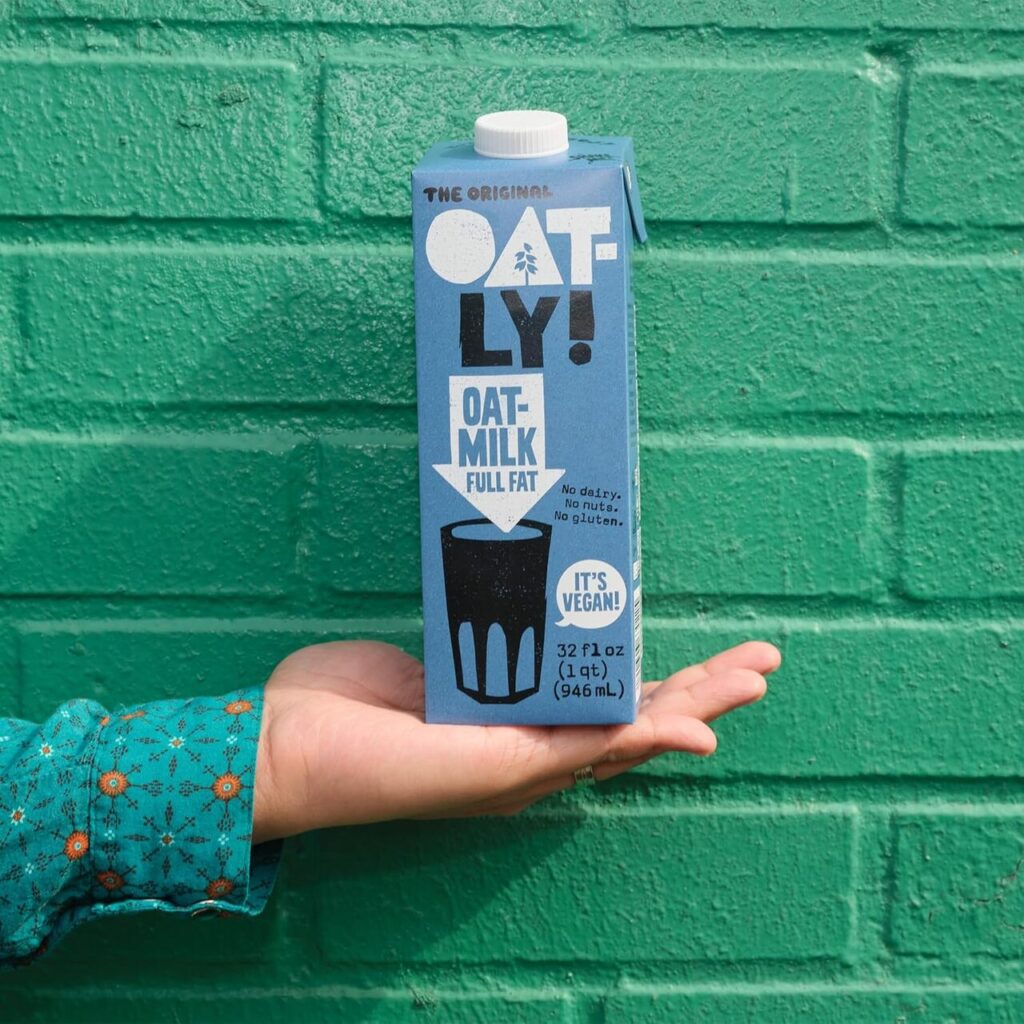
If you want an oat milk that tastes and feels closest to whole milk, Oatly Full Fat is the one most taste testers keep coming back to. What separates it is texture. It is thick, smooth, and genuinely drinkable on its own, not just tolerable in coffee. That body comes from the way many oat milks are formulated, typically with an oat base plus a small amount of oil and stabilizers to create a more dairy-like mouthfeel. It has a warm, cereal-like oatiness with mild sweetness, without the strong bitterness some brands develop. In coffee, it tends to hold together well rather than splitting, and it can foam reliably for lattes.
2. 365 by Whole Foods Original Oatmilk
365 by Whole Foods Original Oatmilk stands out for people who want an oat-forward taste without heavy sweetness. Many tasters note that it keeps the oat flavor clear and natural, which can be a plus if you dislike vanilla-like notes or added sugar flavors. It is also thick enough to feel satisfying in a glass, not watery, which matters when you are using it in coffee, oatmeal, or creamy recipes. The formula includes typical components used to build structure, such as oil and stabilizers. Some tasters do notice a slightly chalky or bitter edge compared to top picks, which often comes from the way minerals and added nutrients interact with flavor.
3. Minor Figures Oat Milk
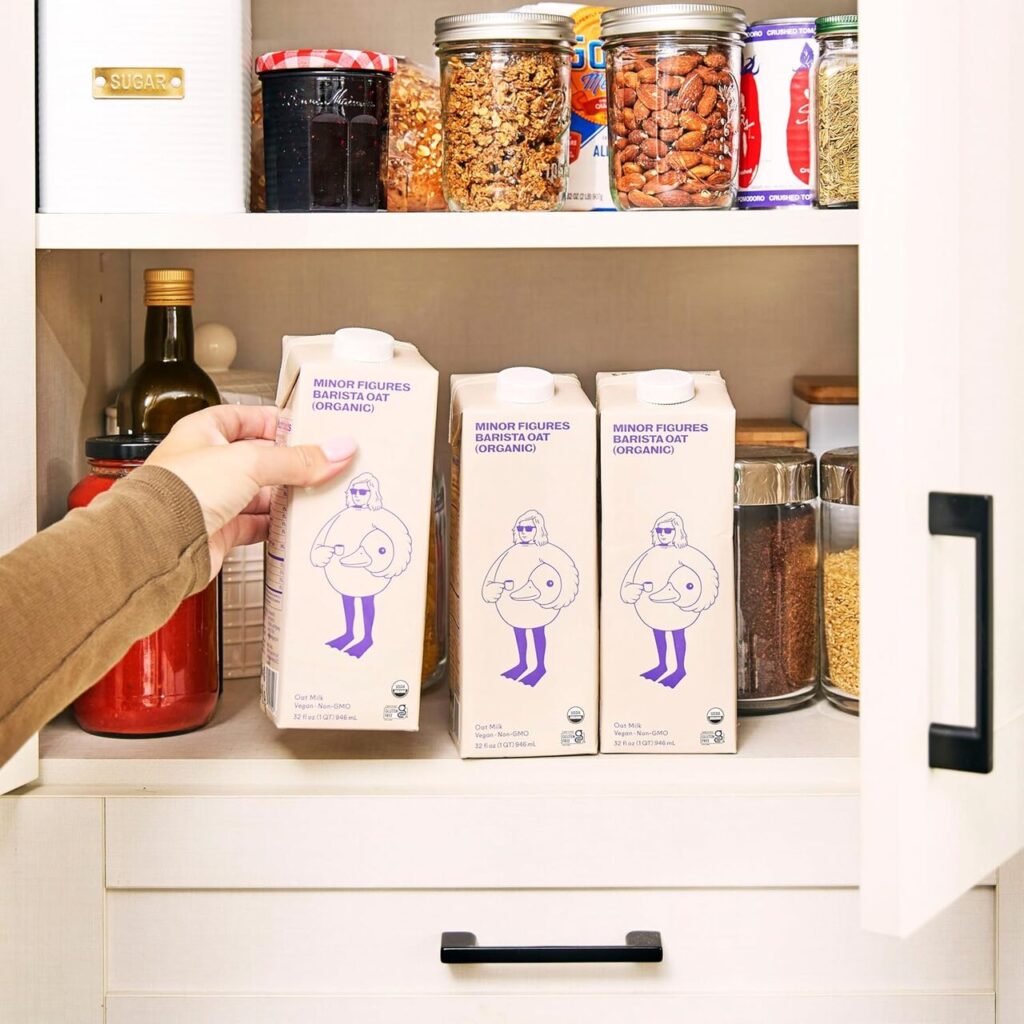
Minor Figures is frequently praised for being coffee-friendly, and that reputation is not accidental. Barista-style oat milks aim for stability in hot drinks, which means they are built to resist curdling, hold foam, and blend smoothly with espresso. Minor Figures tends to deliver a clean, balanced taste that does not dominate coffee, while still feeling creamy enough to satisfy. Texture is one of the main reasons people rank it highly. It lands in a sweet spot between thick and heavy, so it feels rich without coating the mouth. That makes it useful beyond coffee for smoothies or cereal, where you want creaminess without strong sweetness.
4. Mooala Simple Oat Milk
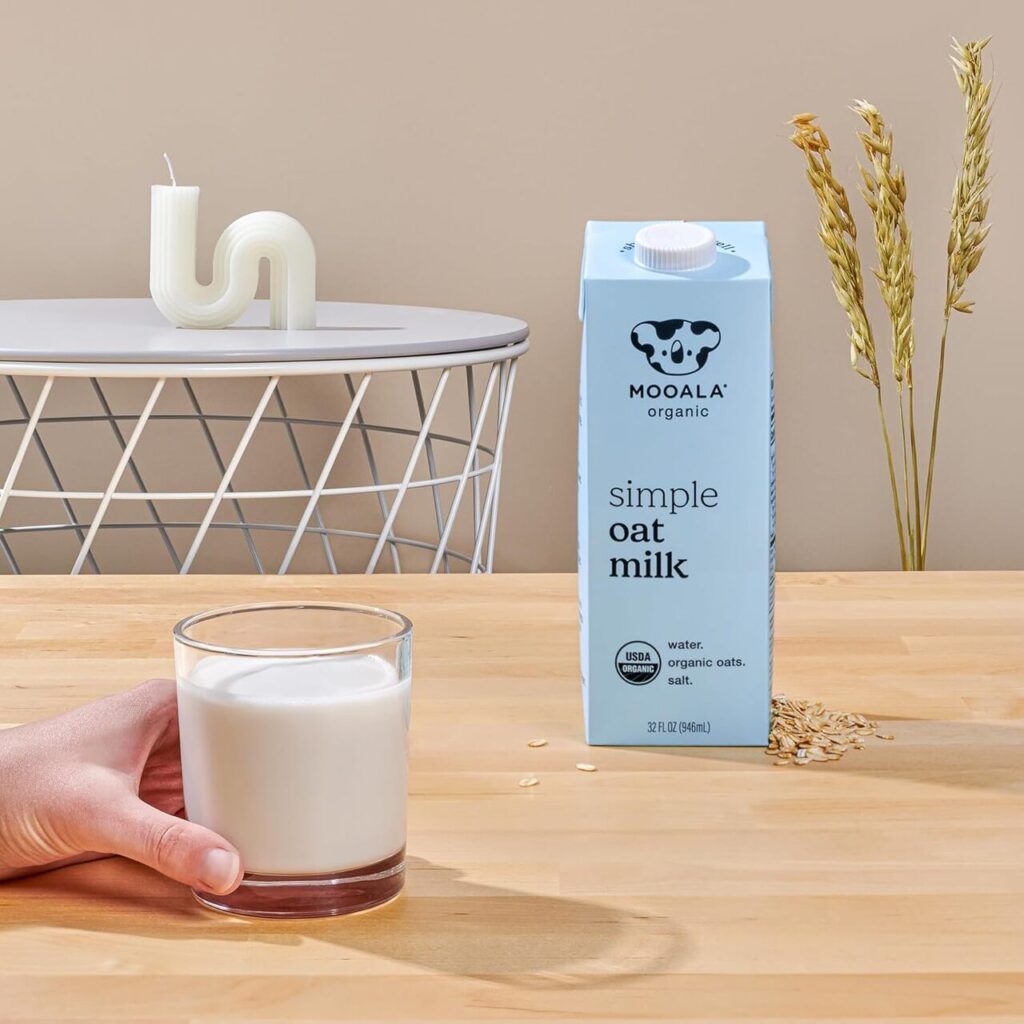
Mooala Simple Oat Milk appeals to shoppers who prioritize minimal ingredients, but that simplicity often comes with tradeoffs in taste and texture. Many oat milks rely on small amounts of oil and stabilizers to mimic dairy milk’s body. When those are removed, the drink can feel thin, watery, or less satisfying, especially in coffee. Tasters often describe minimal ingredient oat milks as lacking creaminess and tasting more like diluted oats than a true milk substitute. That does not make it unusable. It can still work in smoothies where fruit and nut butter add body, or in baking where other ingredients provide structure.
5. Planet Oat Original Oatmilk
Planet Oat is widely available, which is one reason it shows up in so many taste tests and shopping carts. The challenge is that mainstream availability does not always equal great flavor. Tasters often describe some versions as less balanced, with sweetness or aftertaste that can feel distracting compared to top performers. Texture can also vary by variety, and some people find it does not match the creamy body they want in coffee. That matters because oat milk is often chosen specifically for a smooth latte experience. When the flavor is off, it becomes noticeable in simple uses like cereal or a plain glass.
6. Chobani Oatmilk Original
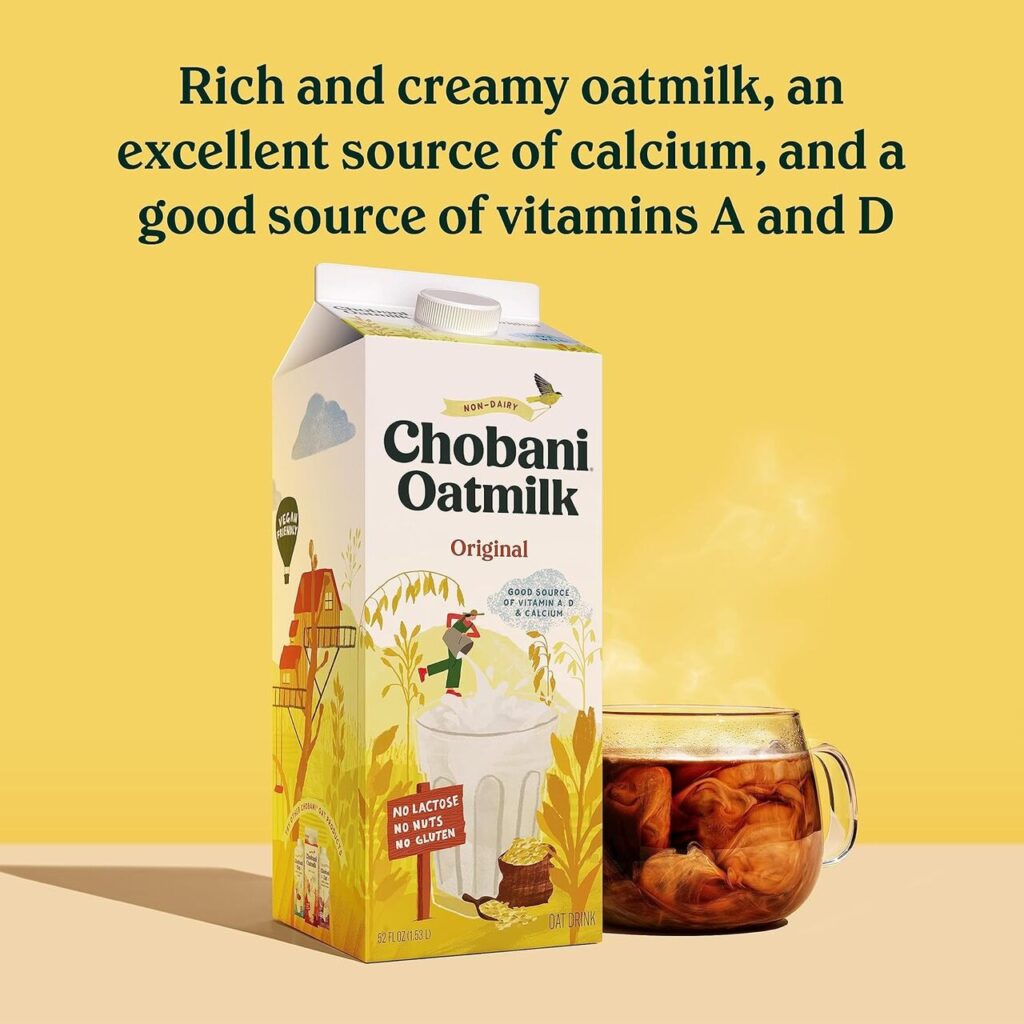
Chobani Oatmilk Original is often described as neutral, and for many buyers, that is the point. A neutral oat milk is useful when you want a dairy-free substitute that will not add a strong oat flavor to sauces, soups, or baked goods. Some people specifically prefer this kind of profile because it blends into recipes quietly. In coffee, a mild flavor can be a benefit if you want the espresso to lead. The tradeoff is that neutral can read as bland if you enjoy a pronounced oat taste. Texture matters here too. Many tasters look for a creamy feel, and Chobani usually aims for a consistent middle ground that works for general use.
7. Califia Farms Oat Barista Blend
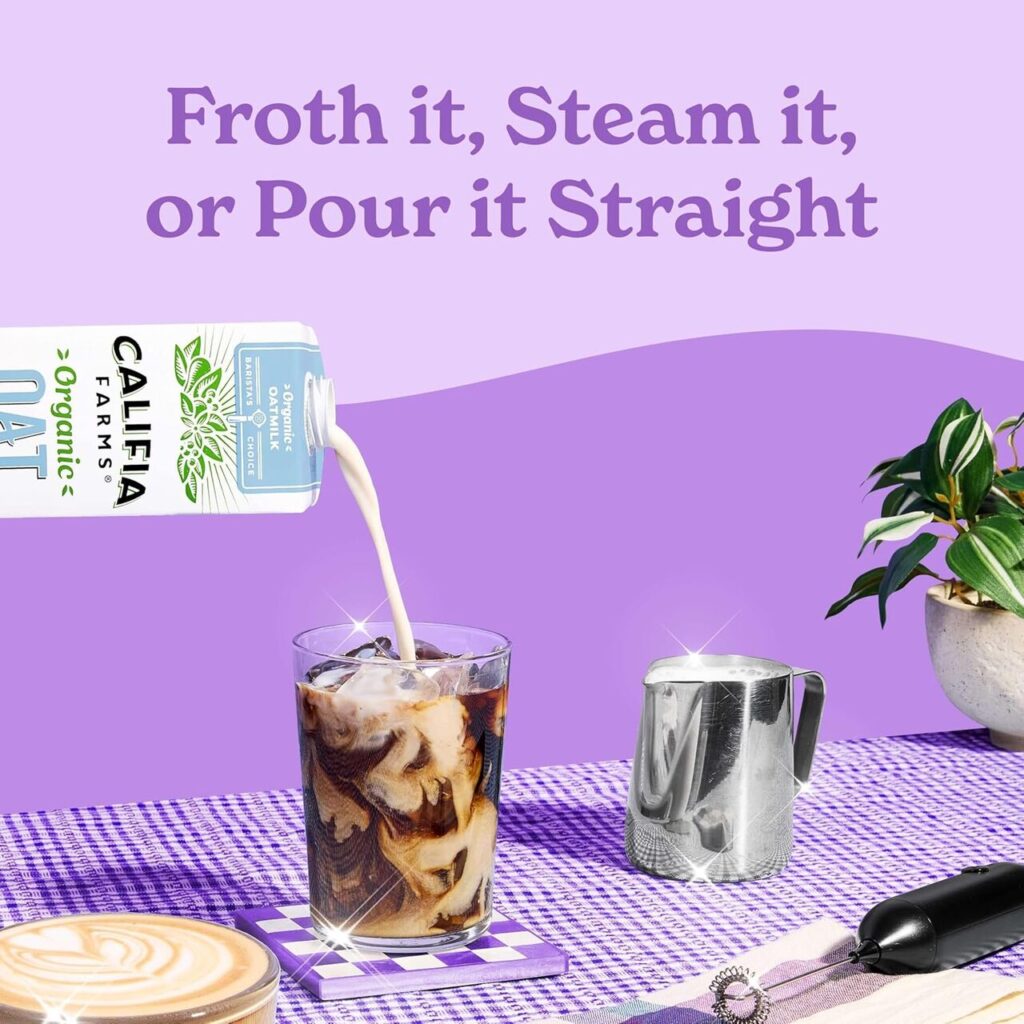
Califia Farms Oat Barista Blend is designed for performance in coffee, not just drinking straight. Barista blends focus on stability, which means they are formulated to handle heat, acidity, and frothing. When oat milk splits in coffee, it usually happens because proteins and fats do not hold together well under heat. Barista blends reduce that risk through formulation choices that improve emulsification. This is why many coffee drinkers prefer them for lattes and cappuccinos. Califia’s version is often chosen because it foams well and adds creaminess without making the drink taste overly sweet.
8. Silk Oatmilk Original
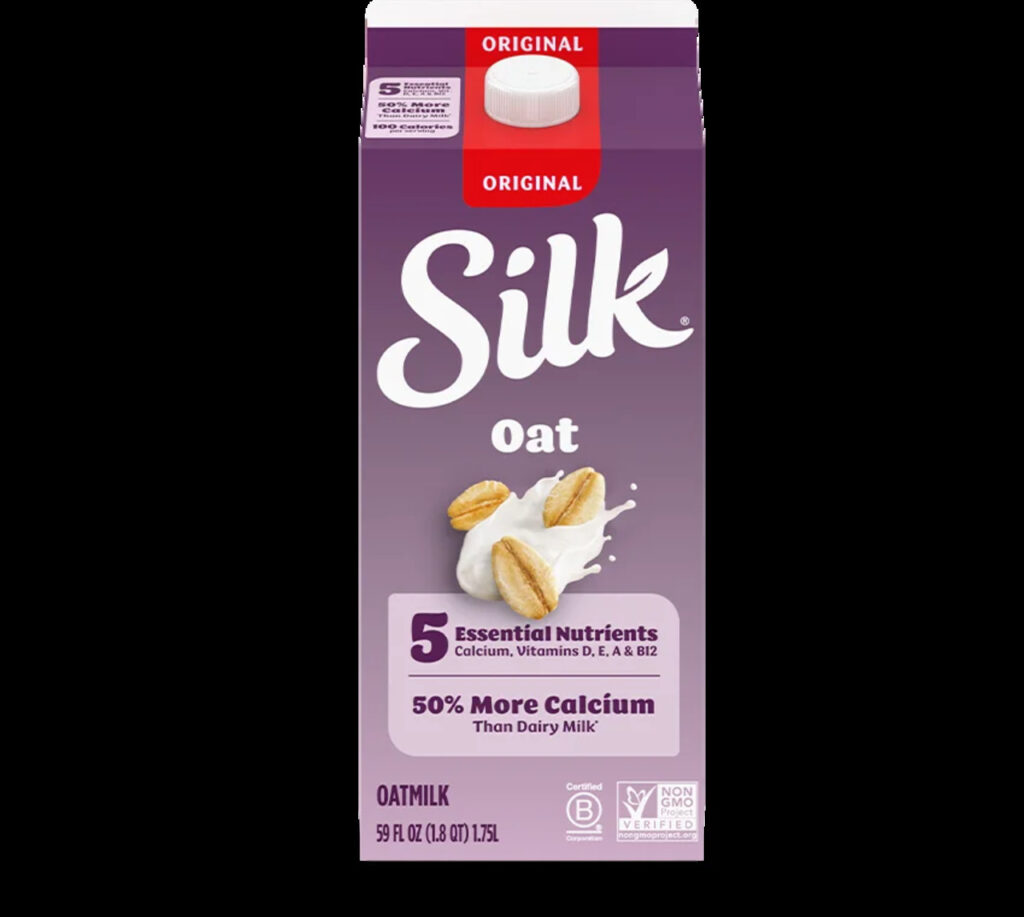
Silk Oatmilk Original is a common entry point for people switching from dairy because it is widely stocked and easy to recognize. Its flavor tends to be mild and approachable, which helps first-time oat milk drinkers adjust. The texture is usually designed to sit in a middle range so it can work in cereal, smoothies, and coffee without causing surprises. That general-purpose approach is useful, but it also means it may not excel in any single category the way barista blends or full-fat options do. Still, it is often considered a dependable grocery store option when you want something familiar and consistent.
9. Trader Joe’s Oat Beverage
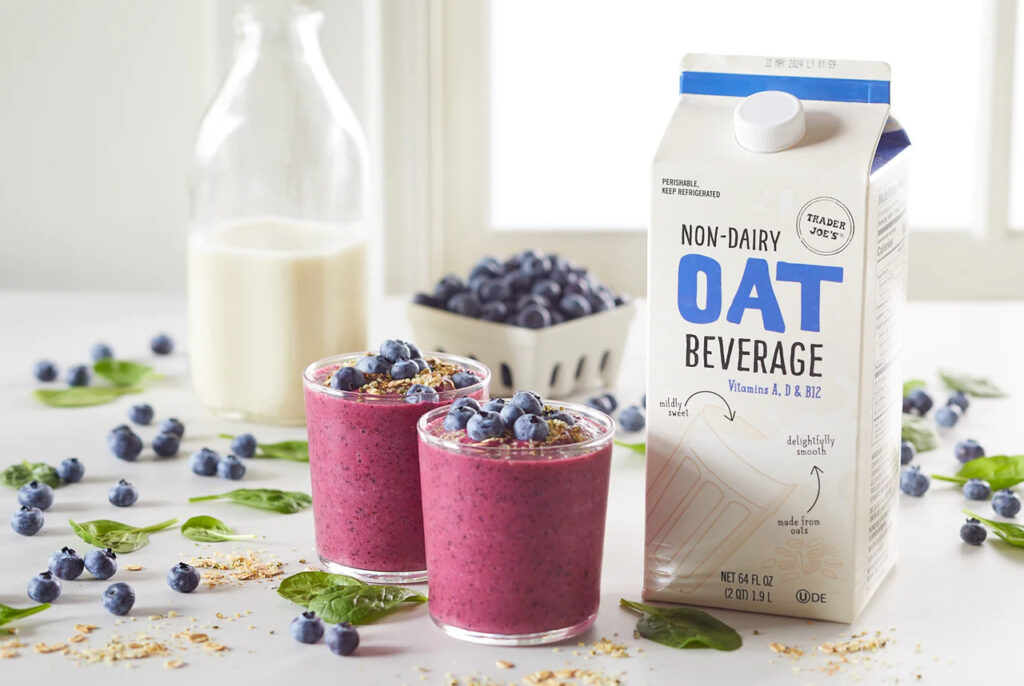
Trader Joe’s Oat Beverage is often bought for value, and that shapes how people judge it. Store brand oat milks can be decent daily options, but they sometimes fall short on texture or aftertaste compared to premium brands. Tasters often notice that some store versions feel thinner or less creamy, which becomes obvious in coffee drinks and cereal. Flavor can also lean sweeter or more processed depending on formulation. The upside is cost and convenience, especially for people who go through oat milk quickly. But if your goal is a rich latte or a glass you actually enjoy drinking, many shoppers treat this as a backup rather than a favorite.
10. Elmhurst Milked Oats

Elmhurst Milked Oats often appeals to shoppers who pay attention to ingredients and processing. Many people describe it as having a cleaner taste and a smoother finish compared to brands with stronger stabilizer notes. That said, the experience depends on the specific variety, since unsweetened options can taste more grain-forward and less dessert-like. The texture is usually designed to feel natural rather than heavily thickened, which some people prefer, and others find less satisfying in coffee. Elmhurst tends to work well in cereals, smoothies, and baking because it does not fight other flavors.
11. Chobani Extra Creamy Oatmilk
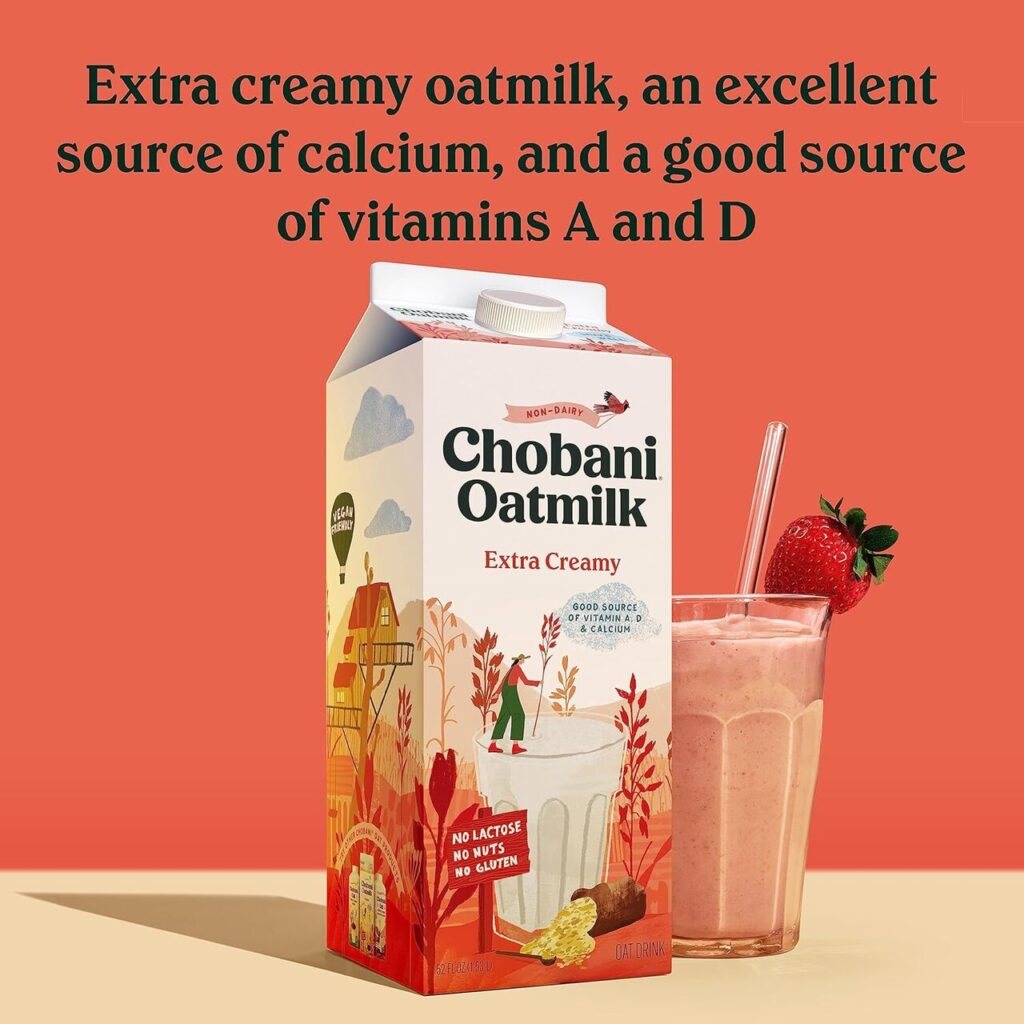
Chobani Extra Creamy is the option people often pick when they like Chobani’s neutral flavor but want more body. Extra creamy formulas usually increase richness through fat content and formulation choices that boost viscosity. This matters most in coffee. A thicker oat milk gives lattes a smoother mouthfeel and makes the drink feel closer to dairy. It also helps in cereal and in recipes like creamy soups or sauces, where thin oat milks can disappear. The flavor remains relatively mild compared to strongly oaty brands, which makes it versatile. For many buyers, this is the practical compromise.