10 Comfort Foods That Don’t Always Feel So Comforting

Comfort food carries an emotional promise. It suggests warmth at the end of a long day, familiarity in uncertain moments, and meals that feel like a soft landing. These dishes are loved because they remind us of home, care, and simplicity. Yet comfort does not always come from nostalgia alone. How food is prepared, balanced, and eaten matters just as much as memory. When recipes rely on shortcuts, excess richness, or poor technique, the feeling we expect does not always arrive. Instead of ease, we get heaviness. Instead of satisfaction, we feel tired or unsatisfied. These comfort foods are popular for good reason, but they do not always deliver the reassurance we imagine.
1. Mac and Cheese
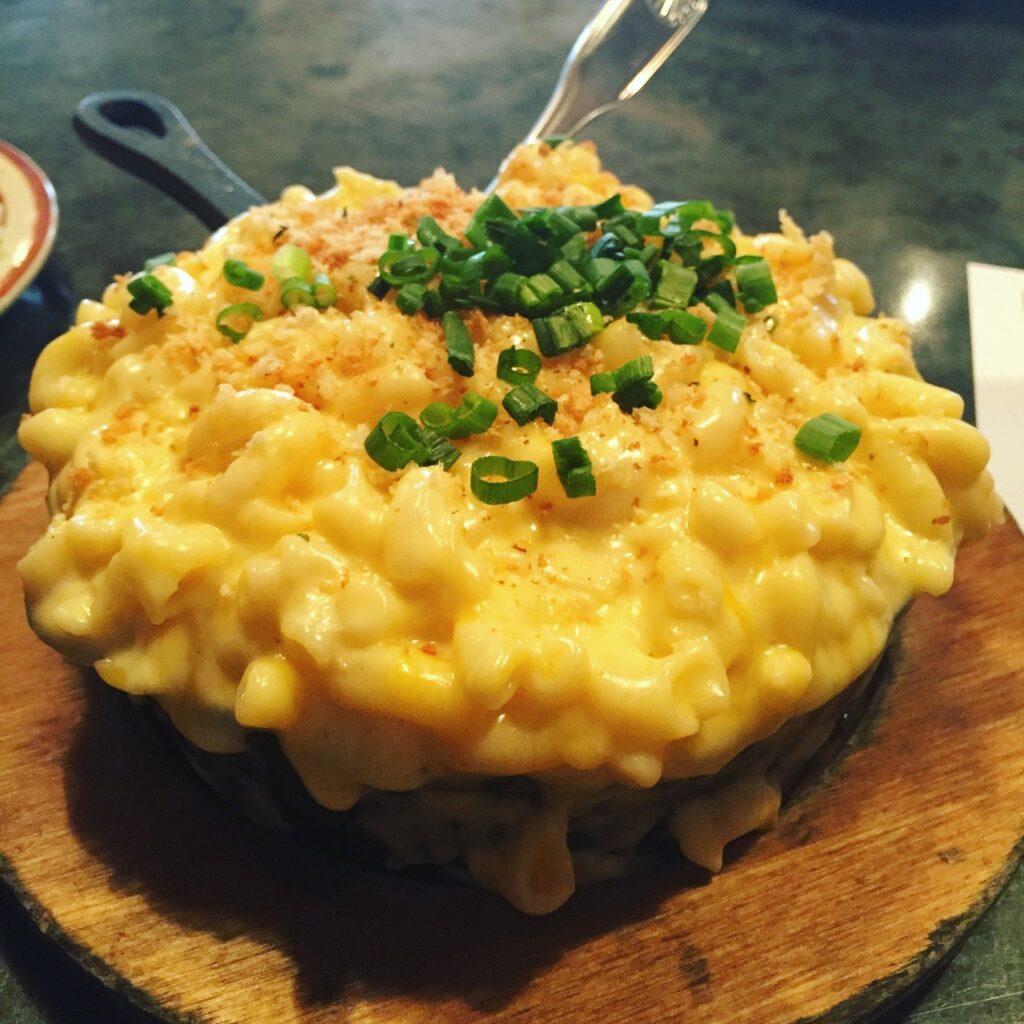
Few foods carry as much emotional weight as mac and cheese. It is tied to childhood, simplicity, and the idea of instant comfort. The disappointment often comes from how easily it becomes too heavy. Cheese sauces rely on balance between fat, starch, and liquid. When that balance tips, the sauce turns greasy or grainy instead of smooth. Boxed versions lean heavily on salt and artificial flavor, while homemade versions often use too much cheese without enough acidity or seasoning to support it. Reheating makes things worse because fats separate and pasta absorbs excess sauce, creating a dense texture. What should feel soothing starts to feel overwhelming after a few bites.
2. Mashed Potatoes
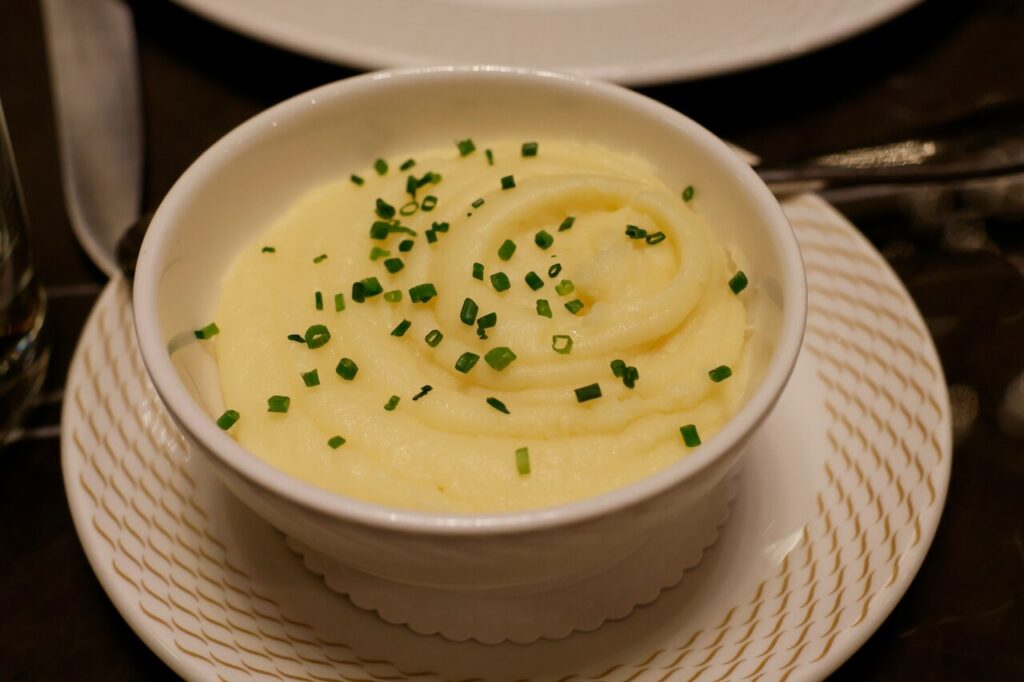
Mashed potatoes seem simple, but they are surprisingly easy to get wrong. The type of potato matters, as does how it is cooked and mixed. Overboiling introduces too much water, and aggressive mixing releases starch that turns the potatoes gluey. Using cold dairy products can shock the mixture and dull the flavor. Underseasoning is another common issue, since potatoes require more salt than most people expect. When these mistakes add up, the result is bland, sticky, or watery rather than fluffy and comforting. Mashed potatoes are meant to feel soft and rich, but poor technique strips them of character. Instead of feeling cozy, they end up feeling unfinished and oddly empty.
3. Chicken Noodle Soup
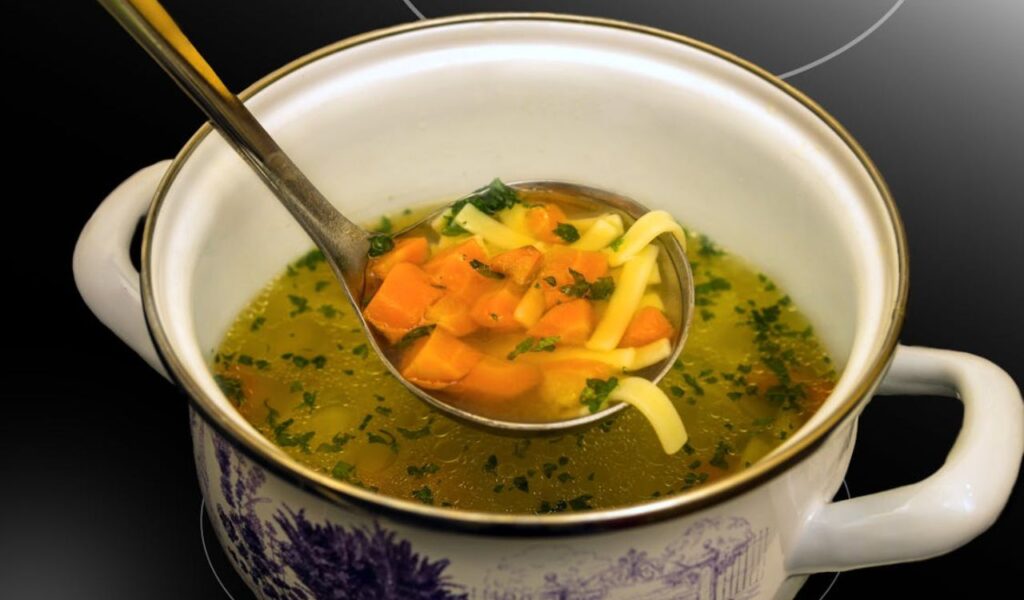
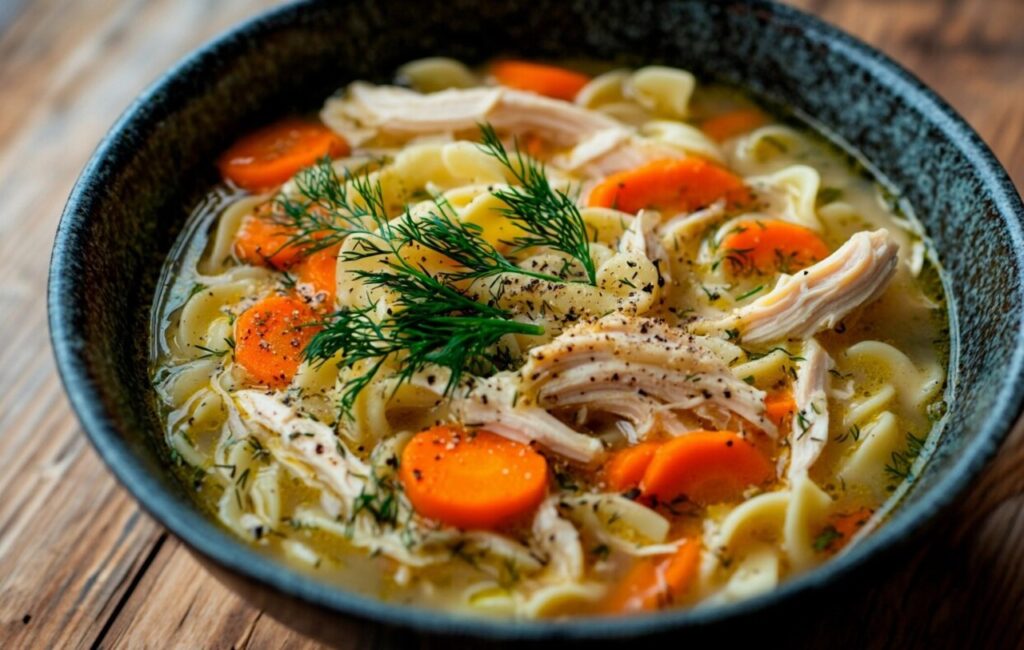
Chicken noodle soup has a reputation for healing and comfort, but many versions fail to deliver. The core issue is broth quality. Rushed broths lack collagen and depth, resulting in thin, watery soup. Chicken breast is often overcooked, becoming dry and stringy, while noodles are left too long in hot liquid and turn mushy. Vegetables lose flavor when simmered without proper timing. Salt is often added too late to build structure, leaving the soup tasting flat. Without richness and balance, the soup feels more like warm water than nourishment. The idea of comfort remains, but the actual experience falls short of the promise.
4. Grilled Cheese Sandwich
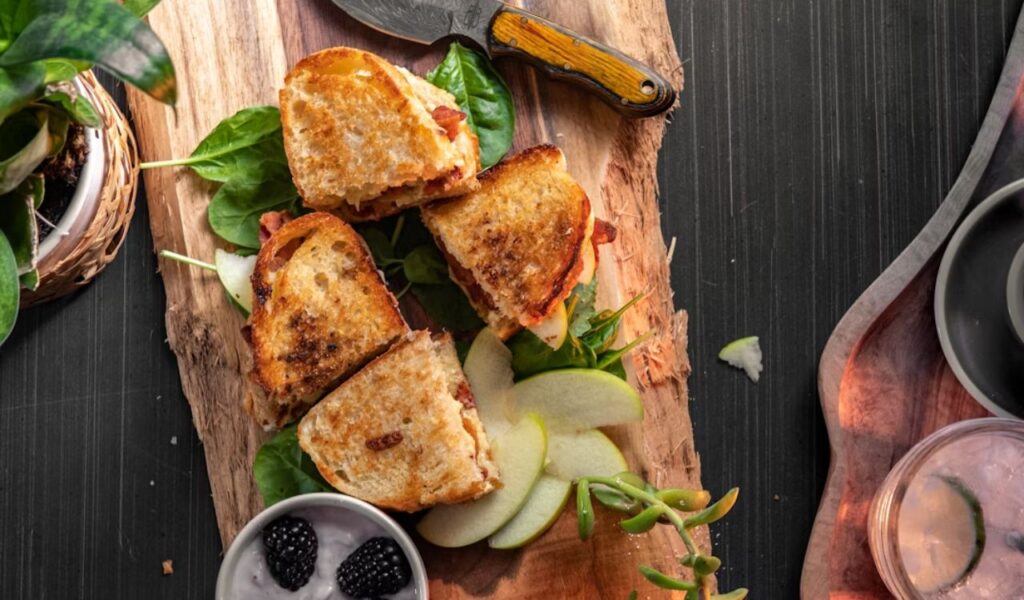
Grilled cheese looks perfect on the outside, but comfort depends on more than melted cheese and toasted bread. Using the wrong cheese leads to poor melting or oily separation. Too much heat browns the bread before the cheese fully melts, while low heat dries everything out. Butter-heavy cooking adds richness but can quickly turn greasy. Without contrast such as acidity, texture, or seasoning, every bite tastes the same. What starts as a comforting aroma turns into monotony halfway through. The sandwich satisfies briefly but rarely feels complete. Instead of lingering comfort, it often leaves you wanting something fresh or light to balance it out.
5. Meatloaf
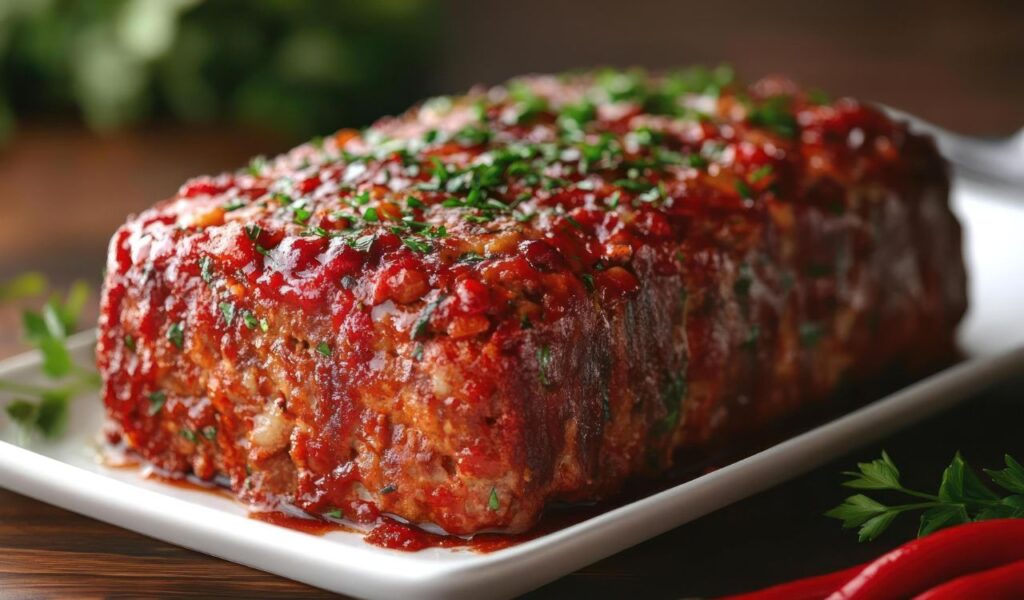
Meatloaf is often associated with home cooking, yet it is one of the most misunderstood comfort foods. The texture depends on moisture, fat, and binding ingredients working together. Too many breadcrumbs or fillers make it mushy, while lean meat without enough fat leads to dryness. Overbaking drains moisture and concentrates salt, dulling flavor. Seasoning is frequently timid, relying on ketchup alone instead of layered spices. When these elements are off, meatloaf becomes dense and tiring to eat. It fills the stomach but lacks satisfaction. Instead of feeling nourishing and familiar, it feels heavy and oddly bland.
6. Pizza

Pizza is expected to deliver instant comfort, but it often disappoints outside of ideal conditions. Excess toppings release moisture, turning crust soggy and heavy. Cheap cheese produces grease rather than creaminess, overwhelming flavor. Dough that is rushed or underfermented lacks structure and depth. Once cooled, fats congeal and flavors dull quickly. What felt indulgent at first bite becomes exhausting after a few slices. Instead of balanced comfort, pizza can feel chaotic and greasy. The emotional pull remains strong, but the physical experience often leaves you feeling sluggish rather than satisfied.
7. Fried Chicken
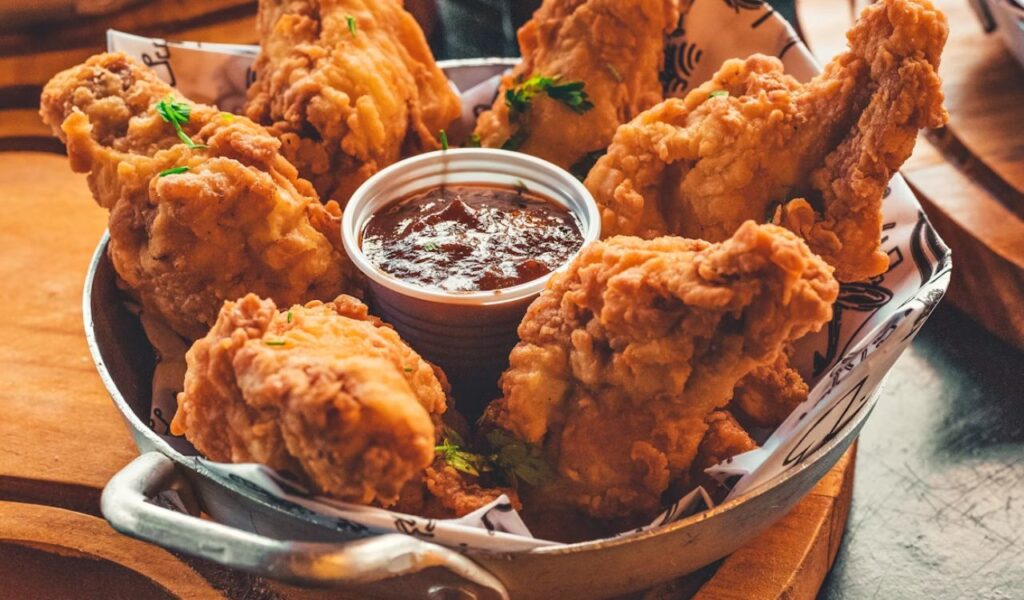
Fried chicken promises crispness and richness, yet those qualities are fragile. The coating depends on proper moisture control and frying temperature. Oil that is too cool makes breading absorb grease, while overheating dries out the meat. Once the chicken rests, the steam softens the crust and drains its appeal. Dark meat stays juicy longer, but white meat dries quickly if overcooked. After cooling, the contrast between crisp coating and tender meat disappears. What was once comforting turns oily and limp. The satisfaction fades fast, leaving behind heaviness rather than warmth. Without careful timing and heat control, the texture that defines good fried chicken is almost impossible to keep.
8. Lasagna
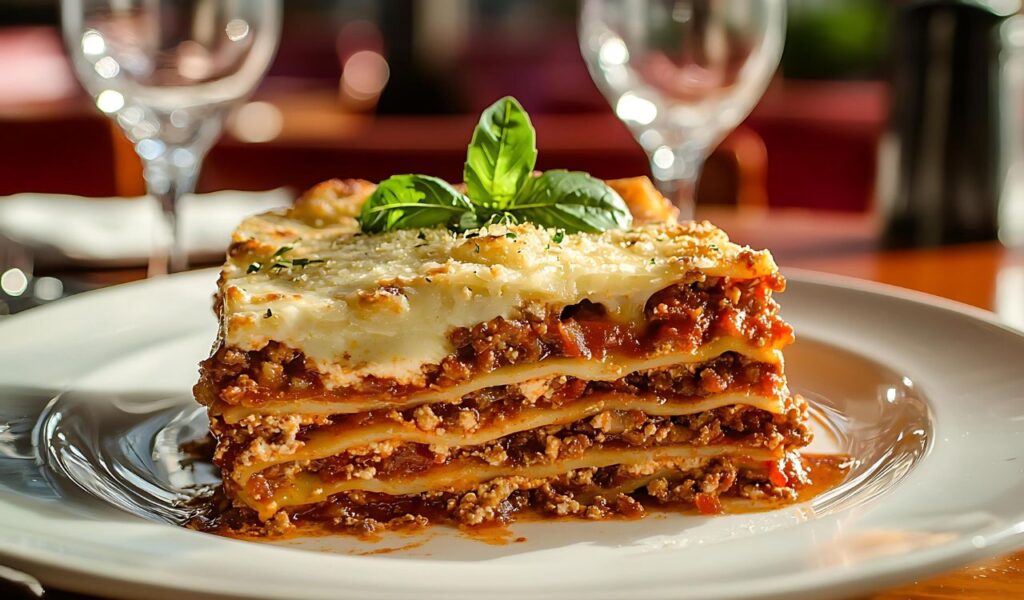
Lasagna looks like the definition of comfort, but shortcuts undermine it quickly. Overcooked pasta absorbs sauce and collapses into softness. Excess cheese adds weight without contrast, masking other flavors. Jarred sauces often rely on sugar rather than depth, and baking dulls them further. Without acid or fresh elements, each layer blends into sameness. The dish becomes dense and tiring halfway through. Instead of feeling cozy, it feels excessive. Lasagna fills the plate and stomach, but the comfort it promises fades faster than expected. What should feel layered and balanced often eats like a single heavy block of flavor.
9. Pancakes for Dinner

Pancakes feel playful and nostalgic, which makes them tempting as a dinner option. Nutritionally, they are mostly refined carbohydrates with sugar. This leads to quick energy followed by a noticeable crash. Syrup amplifies sweetness without adding substance, while butter adds fat without balance. Without protein or fiber, the meal lacks staying power. The result is fullness without satisfaction. Instead of comfort, you are left hungry or sluggish soon after. Pancakes work best as a treat, not a main meal, despite how inviting they seem. As a dinner choice, they rarely provide the nourishment or balance the body expects at the end of the day.
10. Ice Cream

Ice cream offers emotional comfort more than physical nourishment. Its high sugar and fat content trigger pleasure quickly, but the effect is short-lived. Cold temperatures dull flavor over time, encouraging faster eating. Excess sugar spikes blood glucose, followed by a drop that can leave you feeling worse. Rich dairy can feel heavy on digestion, especially in large portions. What begins as soothing ends in discomfort or regret. Ice cream comforts the mood for a moment, but the body often tells a different story shortly after. The more it is used for comfort, the less comforting it tends to feel physically.