8 Indian Desserts That Look Questionable but Taste Incredible

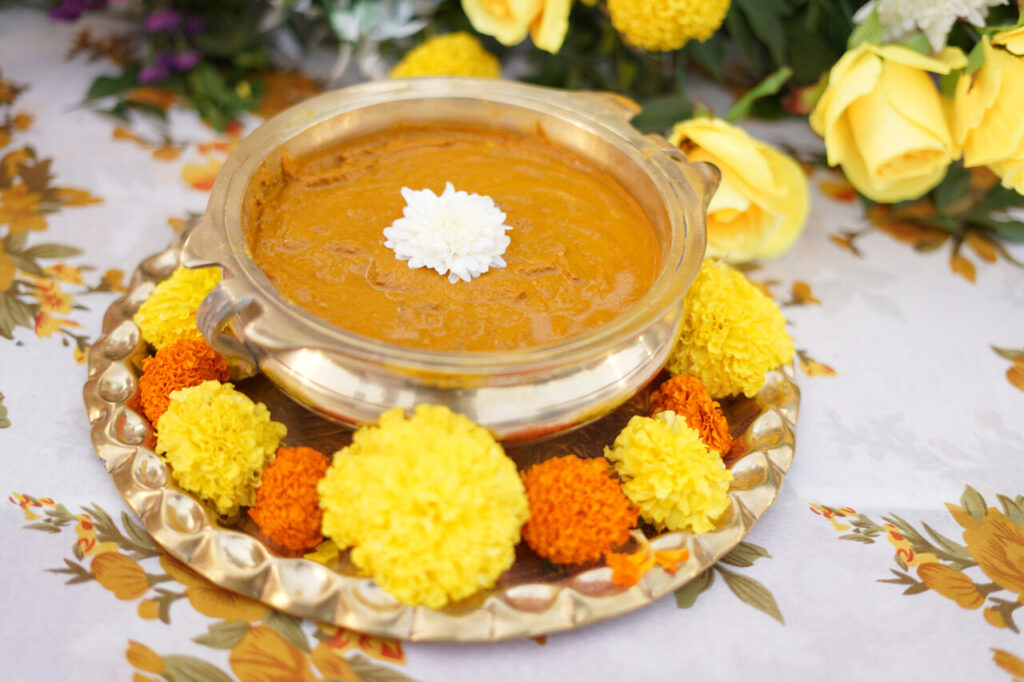
Some of the best desserts don’t make a great first impression. A dark crust, an odd texture, or a color that feels a little off can quietly scare people away before they ever take a bite. Indian sweets are full of those surprises. Many look rustic, dense, or downright strange to anyone used to frosted cakes and glossy pastries, yet the flavors tell a completely different story. Slow caramelization, fresh dairy, fragrant spices, and centuries of technique turn simple ingredients into desserts that are layered, comforting, and deeply satisfying. What this really means is that a questionable appearance often hides incredible balance and craft. These eight Indian desserts prove that judging by looks alone is the fastest way to miss out on something genuinely memorable.
1. Chhena Poda
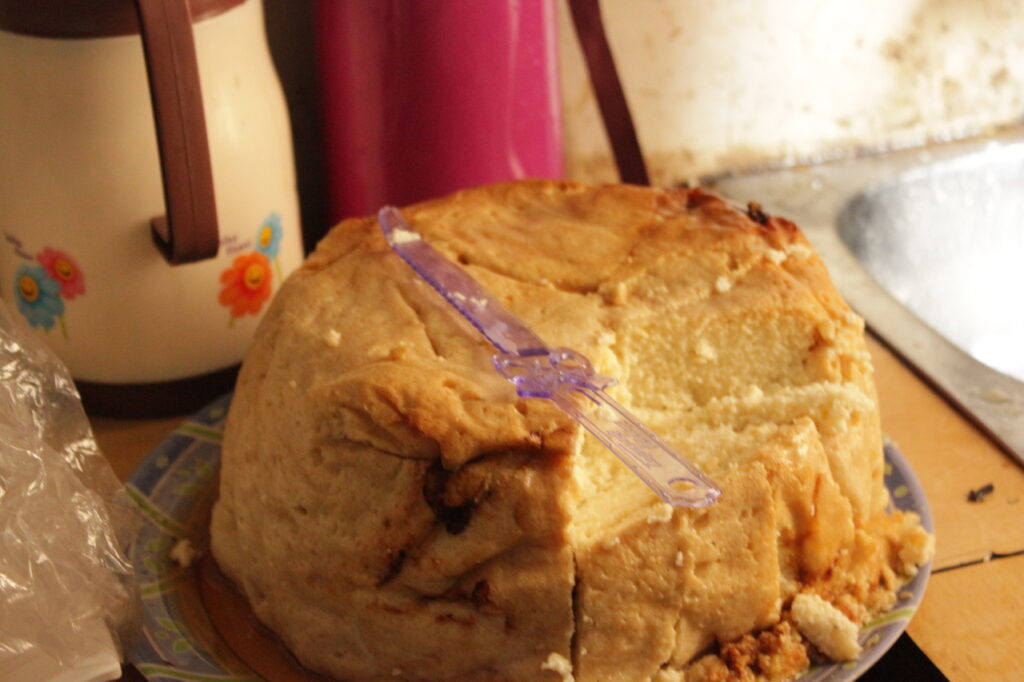
At first glance, Chhena Poda looks more like an overbaked loaf than a dessert anyone would rush toward. The top is dark, almost charred, and the edges feel closer to crust than cake. Here’s the thing, that deep browning is exactly where the magic happens. Chhena Poda comes from Odisha and is made by slow baking fresh chhena, a soft Indian cheese, with sugar and cardamom until it caramelizes naturally. The long bake transforms the sugars into a toasty, slightly smoky layer that contrasts beautifully with the soft, custard-like center.
What this really means is you get multiple textures in every bite. The outer edge has a gentle chew and faint bitterness that balances the sweetness, while the inside stays creamy and mildly tangy from the fresh cheese. Unlike Western cheesecakes that rely on heavy cream or eggs, Chhena Poda feels lighter yet deeply satisfying. It’s often sliced like bread and served at room temperature, making it easy to snack on or pair with tea. The humble look can fool newcomers, but once you taste the caramel depth and gentle spice, it quickly earns its reputation as one of India’s most quietly brilliant desserts.
2. Sitabhog
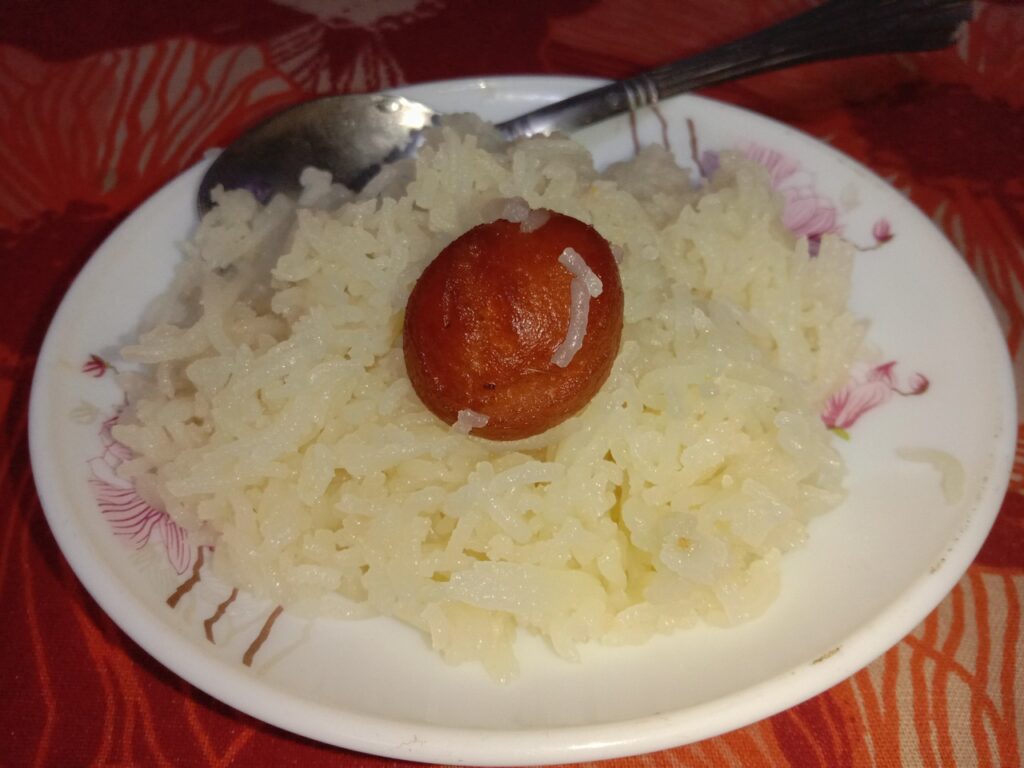
Sitabhog can easily confuse first-timers because it doesn’t look like dessert at all. It resembles a bowl of tiny rice grains or sweetened vermicelli, almost like a savory pulao that wandered onto the wrong plate. The surprise comes when you take a bite and realize those delicate strands are actually made from chhena, cooked in sugar syrup and lightly flavored with saffron and cardamom. The dish originated in Bengal and was traditionally prepared for special occasions and temple offerings.
The appeal lies in its feather-light texture. Each strand melts quickly on the tongue, releasing gentle sweetness rather than heavy richness. Nuts and raisins add small bursts of texture, keeping the dish interesting without overpowering the base flavor. Because it’s not dense or creamy, Sitabhog feels refreshing even after a large meal. Its pale, noodle-like appearance might seem odd to anyone expecting laddoos or syrupy sweets, but the craftsmanship behind shaping and cooking those fine strands is impressive. It’s a dessert that rewards curiosity with elegance, subtle fragrance, and a surprisingly comforting finish.
3. Kakinada Kaja
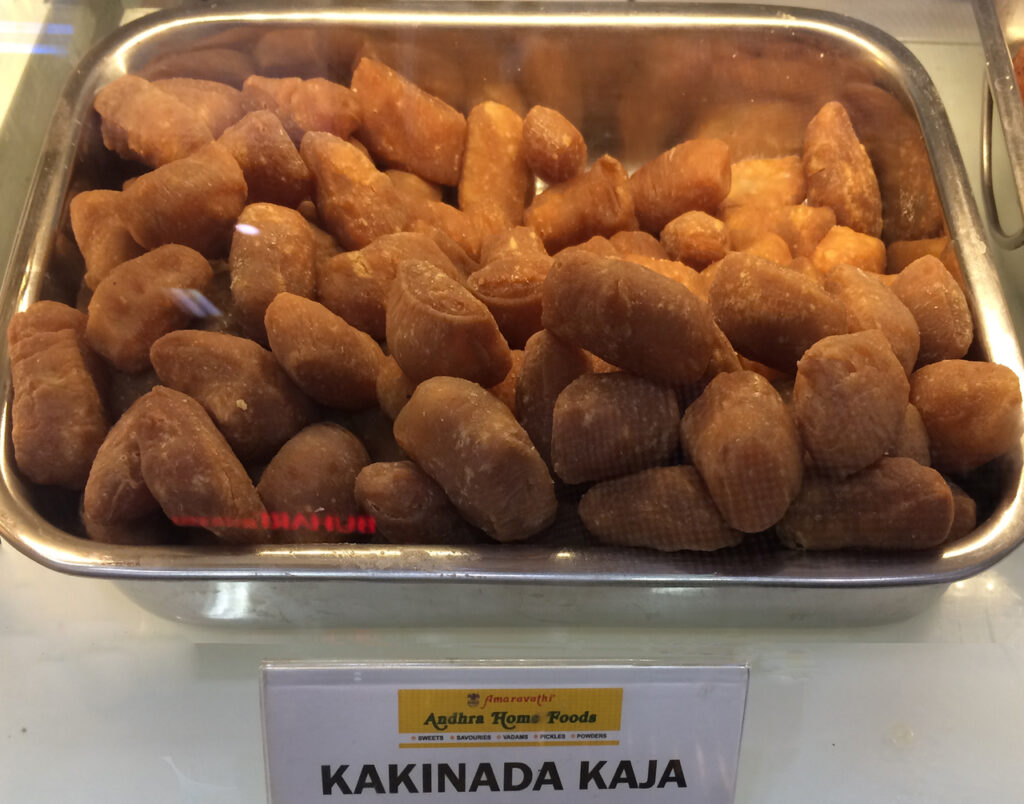
Kakinada Kaja looks like a glossy, syrup-soaked roll that could easily be mistaken for an overly sweet fried snack. The shiny exterior and tightly layered structure don’t exactly signal balance or finesse. Yet this Andhra Pradesh specialty has been beloved for generations because of how cleverly it combines crunch, soak, and structure. The dough is rolled thin, layered with ghee, shaped, fried until crisp, and then dipped briefly into sugar syrup.
What makes it special is the way the syrup penetrates just enough to sweeten the inner layers while keeping the outer shell lightly crisp. Bite into it and you get a gentle crack followed by soft, flaky layers that dissolve slowly. The sweetness isn’t overwhelming when made well, and the richness comes more from texture than sugar overload. It travels well, keeps its shape, and often shows up in gift boxes during festivals. While the appearance can feel heavy or intimidating, the eating experience is surprisingly refined and deeply satisfying.
4. Ada Pradhaman
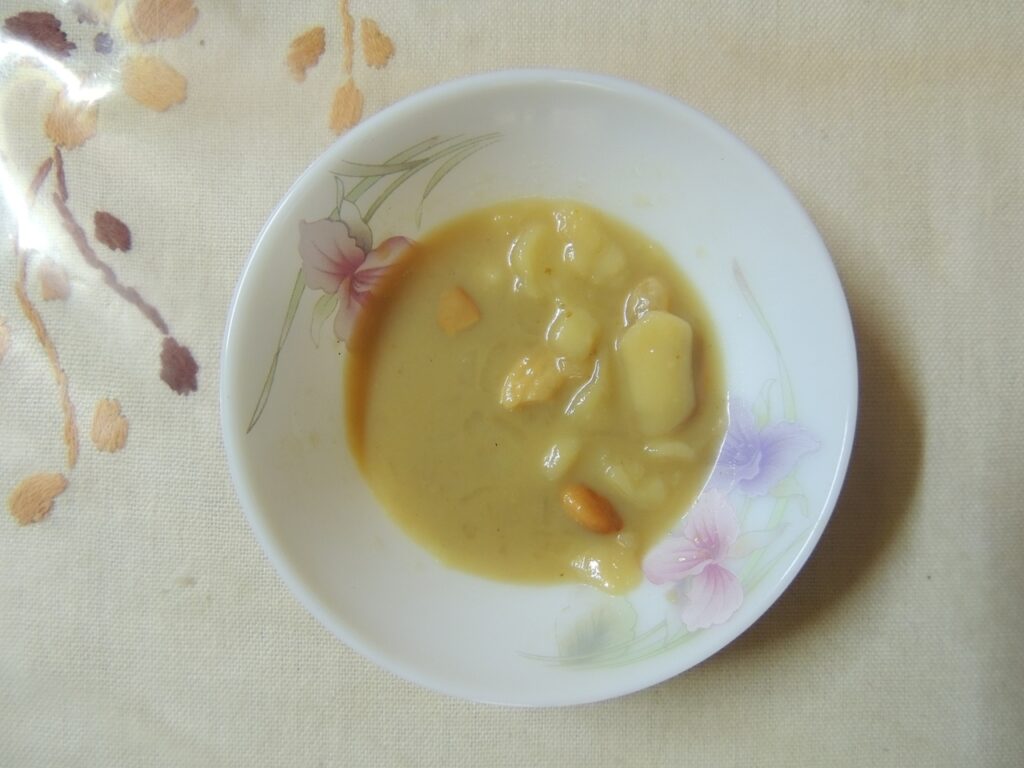
Ada Pradhaman doesn’t win any beauty contests. It’s thick, brown, and rustic, with chewy rice pieces suspended in glossy jaggery syrup and coconut milk. To someone unfamiliar with South Indian sweets, it can look more like a grainy stew than a dessert. But this Kerala classic carries layers of flavor that unfold slowly with every spoonful.
The base is rice ada, dried rice flakes that soften into tender, chewy strips when cooked. Jaggery brings deep molasses-like sweetness rather than sharp sugar notes, while coconut milk adds richness without heaviness. Ghee-roasted cashews, raisins, and coconut bits introduce crunch and aroma. Cardamom ties everything together with gentle warmth. The texture contrast is what makes Ada Pradhaman memorable, soft, chewy, silky, and crunchy all in one bowl. It’s traditionally served during festivals and temple feasts, where its comforting warmth and slow-building sweetness feel grounding rather than flashy.
5. Motichoor Ladoo
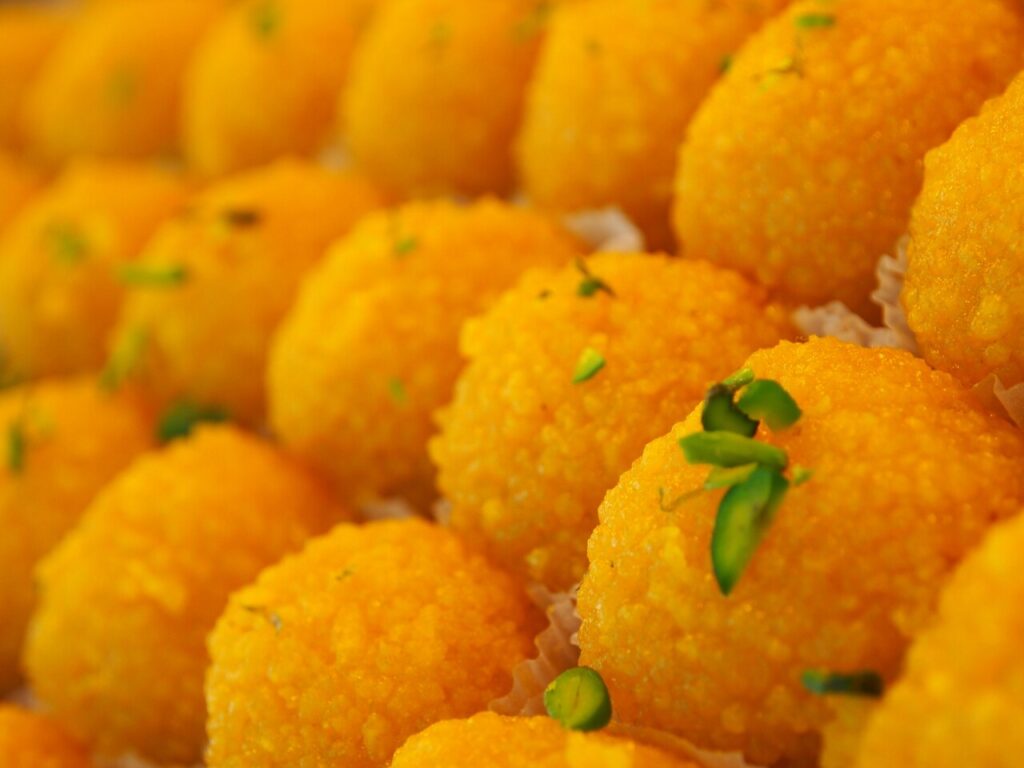
Motichoor Ladoo’s bright orange color and tiny bead-like surface can look artificial or overly processed to outsiders. Some people even assume it will taste overly sugary or oily just by looking at it. In reality, good motichoor is delicate, fragrant, and surprisingly light on the palate. The tiny droplets of chickpea batter are fried into miniature pearls, soaked gently in sugar syrup, and bound together with a touch of ghee and cardamom.
The magic lies in how quickly it dissolves when you bite into it. Instead of chewing, the laddoo almost melts, releasing floral sweetness and warm spice. Saffron, rose water, or kewra sometimes add subtle aroma, giving it a festive lift. Because the pearls are so small, the texture feels airy rather than dense like many other sweets. It’s popular at weddings, religious celebrations, and gift exchanges because it feels indulgent yet easy to eat. The playful appearance might seem odd at first, but one bite explains why it remains a favorite across generations.
6. Mishti Doi
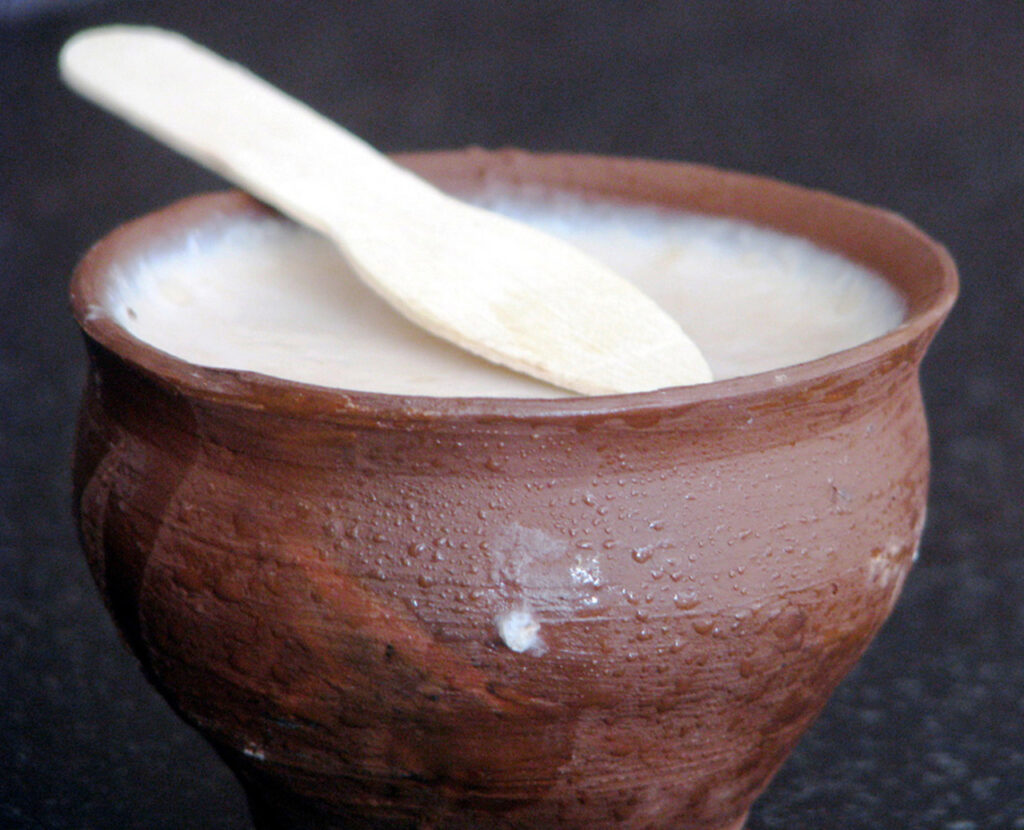
Mishti Doi doesn’t look glamorous. It’s often served in small clay cups with a slightly cracked surface and a beige or caramel tint that may not immediately read as dessert. But this Bengali sweet yogurt delivers one of the most comforting flavor profiles in Indian sweets. It’s made by fermenting milk sweetened with jaggery or caramelized sugar, allowing natural cultures to develop gentle tang alongside deep sweetness.
The result is thick, creamy, and softly set, somewhere between yogurt and custard. The flavor balances mild acidity with caramel notes, making it feel rich without being heavy. The clay pots traditionally used for setting the yogurt absorb excess moisture and subtly enhance aroma. Mishti Doi is commonly eaten chilled, making it especially refreshing after spicy meals. It doesn’t rely on nuts, syrups, or heavy spices, which lets the milk’s natural sweetness shine. Its understated appearance hides a deeply soothing dessert that feels both nostalgic and quietly luxurious.
7. Bebinca
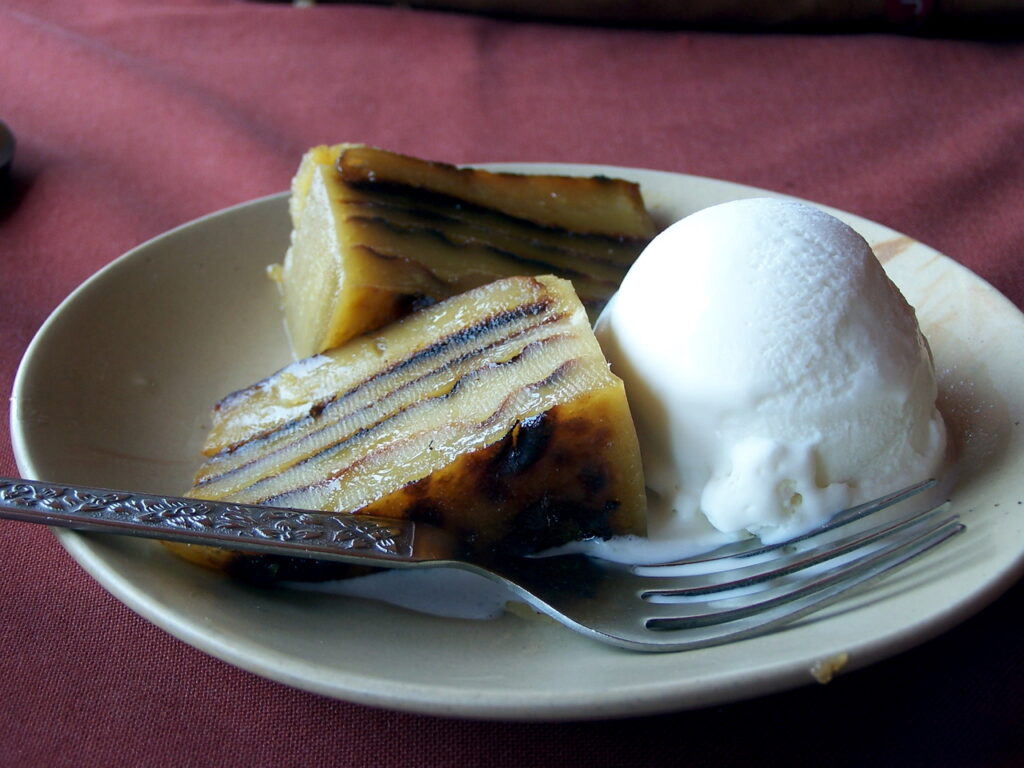
Bebinca looks like a dense block of layered stripes, almost like a dessert brick sliced into bands. It doesn’t immediately signal softness or lightness, and some people assume it will be dry or overly heavy. In truth, this Goan specialty is a labor of patience and precision. Each thin layer is made from coconut milk, egg yolks, sugar, flour, and ghee, baked one layer at a time until dozens of delicate sheets stack into a single cake.
When sliced, the layers pull apart slightly, revealing a tender, custardy interior with rich coconut aroma. The slow baking gives depth of flavor rather than sweetness alone. Bebinca holds well and actually improves as flavors settle, making it popular for holidays and celebrations. Despite its sturdy look, the texture is soft and silky, almost pudding-like between layers. It’s a dessert that feels indulgent without relying on frosting or heavy fillings, proving that careful technique can transform simple ingredients into something quietly extraordinary.
8. Shrikhand
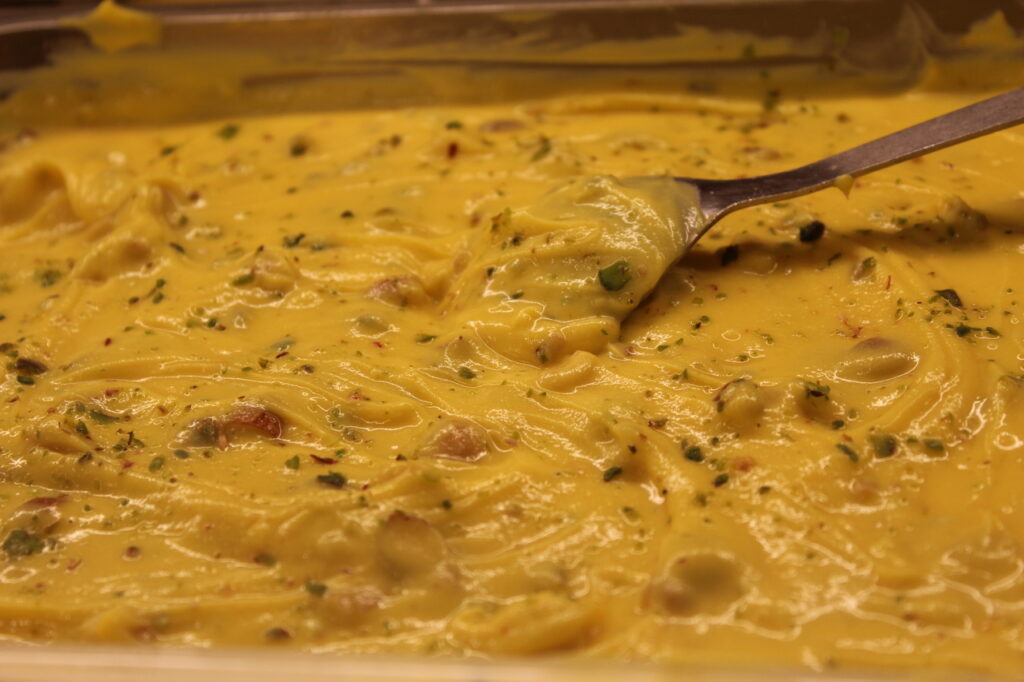
Shrikhand often appears as a thick mound of pale yellow yogurt with specks of saffron or nuts, which can seem plain or oddly dense to those unfamiliar with it. But once you taste it, the appeal becomes obvious. Shrikhand is made by straining yogurt until it becomes luxuriously thick, then sweetening it and flavoring it with cardamom, saffron, and sometimes rose or nutmeg.
The texture is smooth, creamy, and almost mousse-like, yet naturally refreshing because of the yogurt base. The sweetness stays balanced rather than cloying, making it easy to enjoy even in warm weather. Pistachios or almonds add light crunch, while saffron lends gentle floral warmth. Shrikhand is commonly paired with puris or served chilled as a standalone dessert. What looks like a simple bowl of thick yogurt turns out to be a deeply comforting treat that feels both rich and clean on the palate, making it endlessly repeatable rather than overwhelming.