10 Restaurant Chains That Have Faced Major Bans or Backlash

Big restaurant chains don’t usually stumble quietly. When something goes wrong, whether it’s a controversial decision, a messy restructuring, or a public backlash that catches fire online, the reaction spreads fast and sticks around. Customers notice when familiar locations close, menus suddenly change, or a brand’s values feel out of sync with the moment. Some chains recover with smart course corrections, while others spend years rebuilding trust or downsizing their footprint. What this really shows is how fragile loyalty can be in the food world, even for names that seem untouchable. From casual dining staples to global giants, these restaurants found themselves navigating bans, boycotts, or intense public criticism that reshaped how people see them and how they operate today.
1. McDonald’s
Few brands are as globally recognizable as McDonald’s, which makes any controversy feel instantly amplified. The company has faced waves of backlash over the years tied to labor practices, pricing strategies, nutritional concerns, and political perceptions in different markets. In some regions, franchise decisions around donations or partnerships sparked organized boycotts that spread rapidly on social media. What this really shows is how a decentralized franchise model can create uneven public reactions, even when corporate headquarters tries to remain neutral. Sales dips in certain countries forced the company to adjust messaging, reinforce local community programs, and clarify where corporate responsibility begins and ends.
2. Cracker Barrel
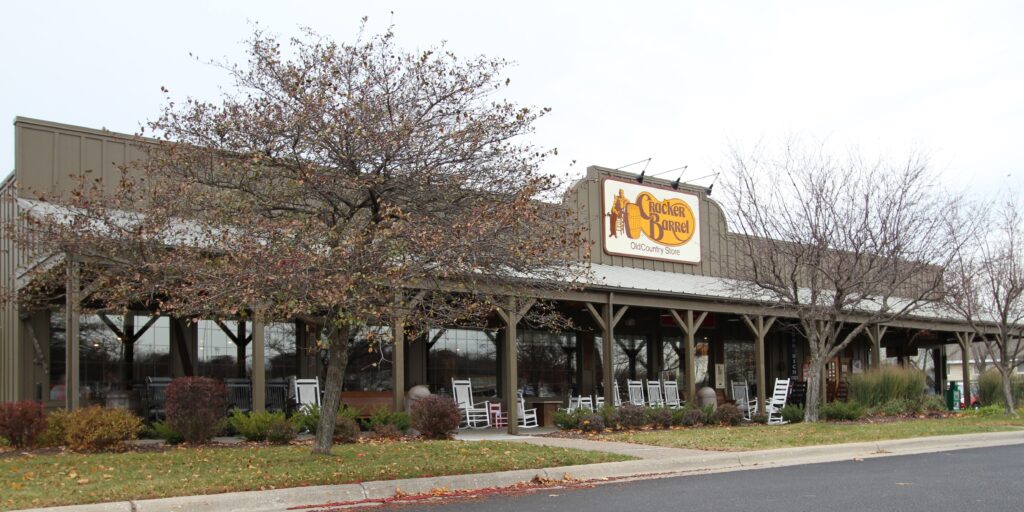
Cracker Barrel built its identity on nostalgia, comfort food, and roadside familiarity, so any change to that image tends to land hard with loyal customers. When the company experimented with store remodels, updated branding, and menu tweaks, a wave of backlash followed from longtime diners who felt the chain was abandoning its roots. Social media amplified those reactions quickly, framing the changes as unnecessary or disconnected from what made the brand special in the first place. The situation highlighted how emotional food loyalty can be, especially for chains tied closely to regional identity and family traditions.
3. Red Lobster
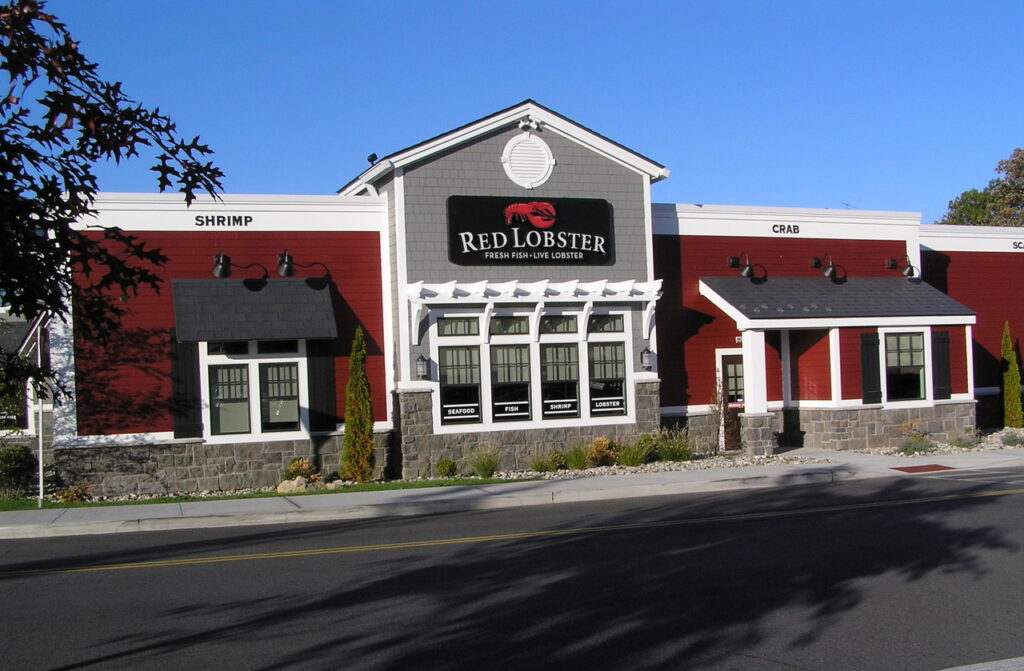
Red Lobster’s struggles became a headline example of how quickly consumer habits can reshape a casual dining chain. Rising seafood costs, operational complexity, and shifting dining preferences put pressure on margins long before large-scale closures appeared. Promotions that drove traffic did not always translate into sustainable profits, creating internal strain. As underperforming locations began closing, public perception shifted from nostalgic seafood staple to struggling brand, sparking conversations about whether the chain could reinvent itself. Franchise restructuring and bankruptcy filings in some markets intensified scrutiny from customers and investors alike. Many diners felt disappointed watching a familiar name shrink, while others questioned menu pricing and value consistency.
4. Denny’s
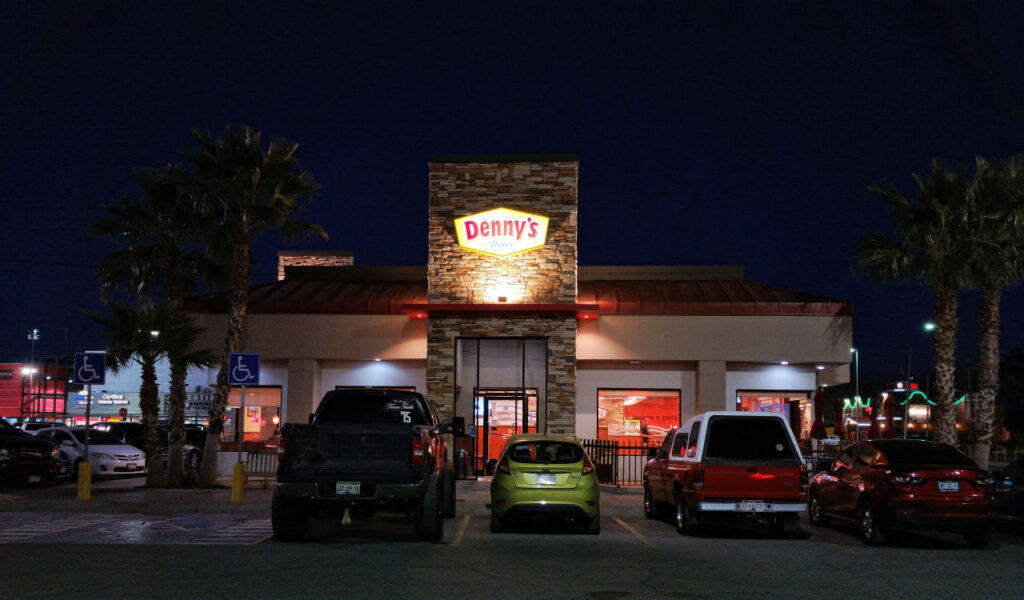
Denny’s has long positioned itself as an always-open comfort stop, especially for late-night diners and travelers. In recent years, the chain faced closures tied to rising labor costs, changing traffic patterns, and franchise performance issues. While not driven by a single scandal, the wave of shutdowns created backlash among loyal customers who relied on certain locations as community staples. Some regions also criticized inconsistent service quality and aging facilities, which made the brand feel less competitive against newer fast-casual options. Leadership restructuring and ownership changes added another layer of uncertainty that customers noticed. The company responded by tightening franchise standards, refreshing menus, and selectively reinvesting in high-performing markets rather than expanding aggressively.
5. TGI Fridays
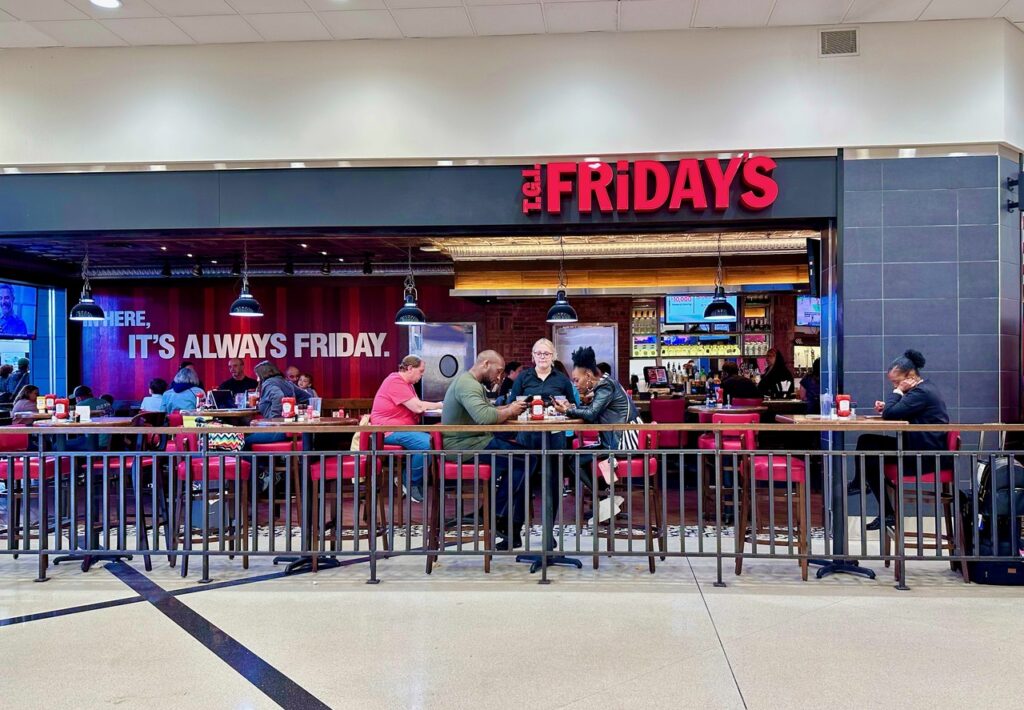
TGI Fridays once symbolized upbeat casual dining with big portions, cocktails, and a party-like atmosphere. Over time, that formula struggled as consumers leaned toward faster service, lighter menus, and better price transparency. Declining foot traffic and uneven franchise performance eventually led to restructuring efforts and widespread closures in some regions. Customers voiced frustration about shrinking menus, rising prices, and inconsistent service, which fueled online backlash and reduced brand loyalty. Bankruptcy filings and reorganization plans brought even more attention to the chain’s challenges. The company has since attempted to streamline operations, modernize kitchen systems, and reposition itself for a more value-focused customer base.
6. Applebee’s
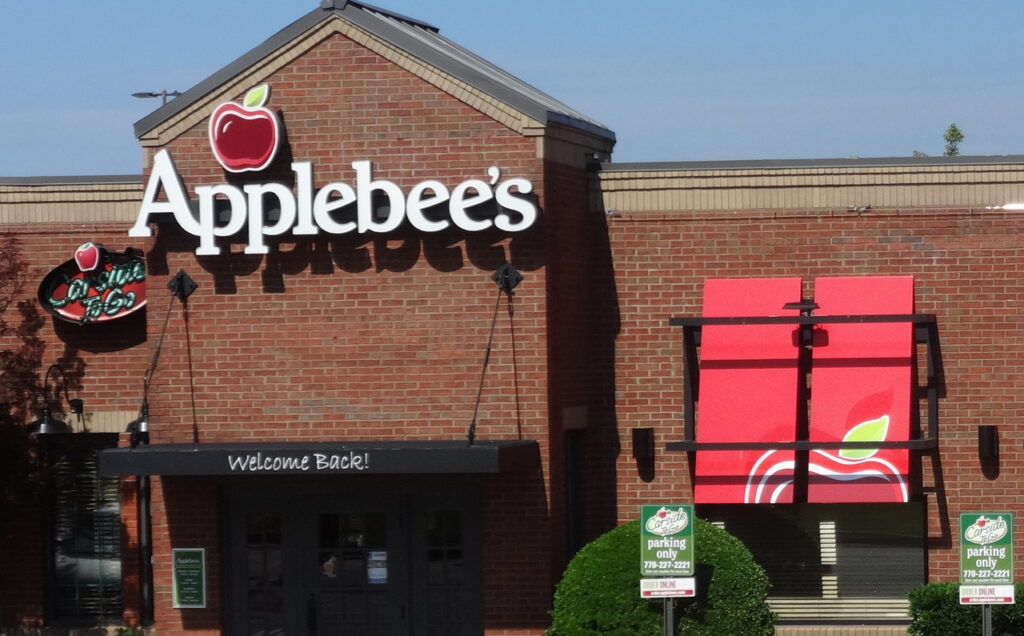
Applebee’s has navigated a steady cycle of reinvention amid intensifying casual-dining competition. Closures in multiple markets reflected changing traffic patterns and franchise consolidation rather than one dramatic scandal, yet public conversation often framed it as a brand losing cultural relevance. Some diners criticized the menu’s consistency and perceived value relative to fast-casual competitors. Others pointed to dated interiors or uneven service experiences that weakened loyalty. While the company invested in digital ordering, simplified menus, and promotions aimed at affordability, closures still created local backlash where communities lost familiar gathering spots.
7. Noodles & Company
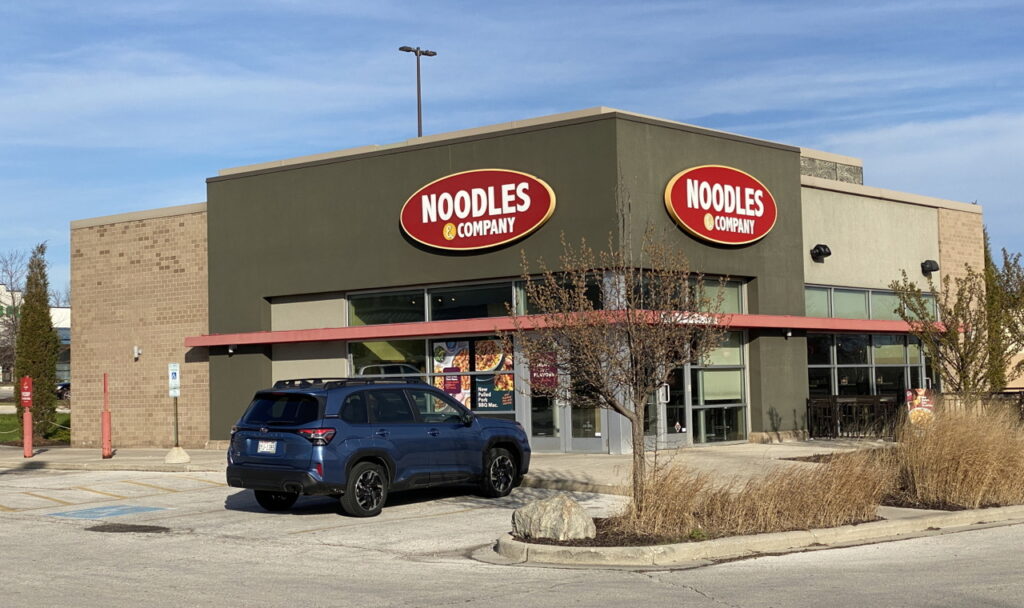
Noodles & Company entered the market with a globally inspired, customizable concept that resonated strongly in its early years. As the fast-casual sector became more crowded, differentiation became harder to maintain. Rising ingredient costs, labor pressures, and slower traffic growth led to underperforming locations closing. Customers questioned whether portion sizes, pricing, and menu focus still matched the brand’s original promise. Some felt the concept lost clarity as menu experimentation diluted identity. The company responded by simplifying offerings, improving kitchen efficiency, and refocusing on core bestsellers.
8. Red Robin
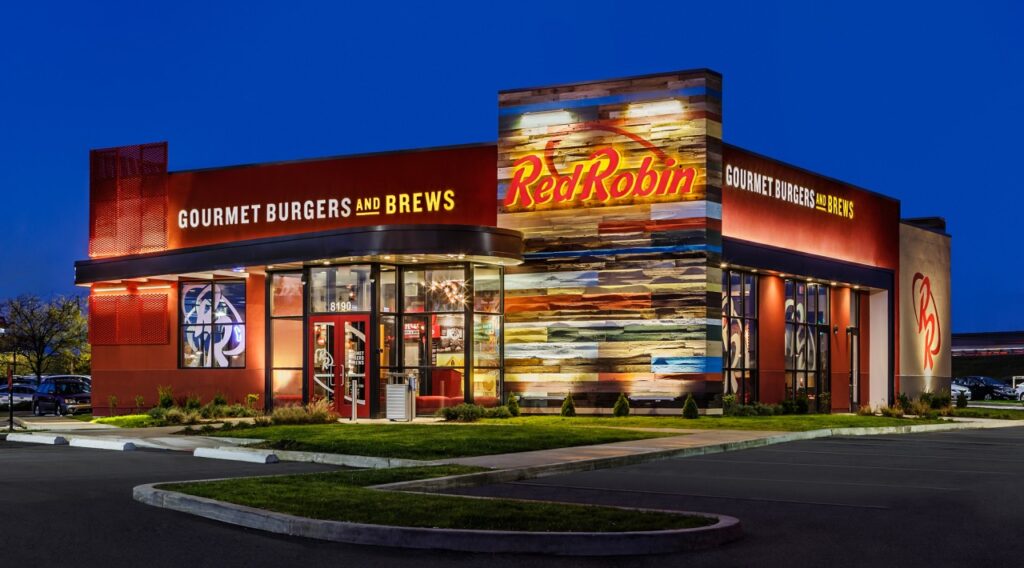
Red Robin built its reputation on gourmet burgers and family-friendly dining, but the casual dining slowdown hit the brand hard. Store closures became necessary in markets where traffic could not justify operating costs. Customers expressed disappointment when neighborhood locations shut down, especially in suburban communities where the brand served as a regular gathering spot. Some diners also voiced frustration over pricing changes and portion adjustments that reduced perceived value. Operational challenges tied to staffing shortages and supply costs added pressure.
9. Hooters
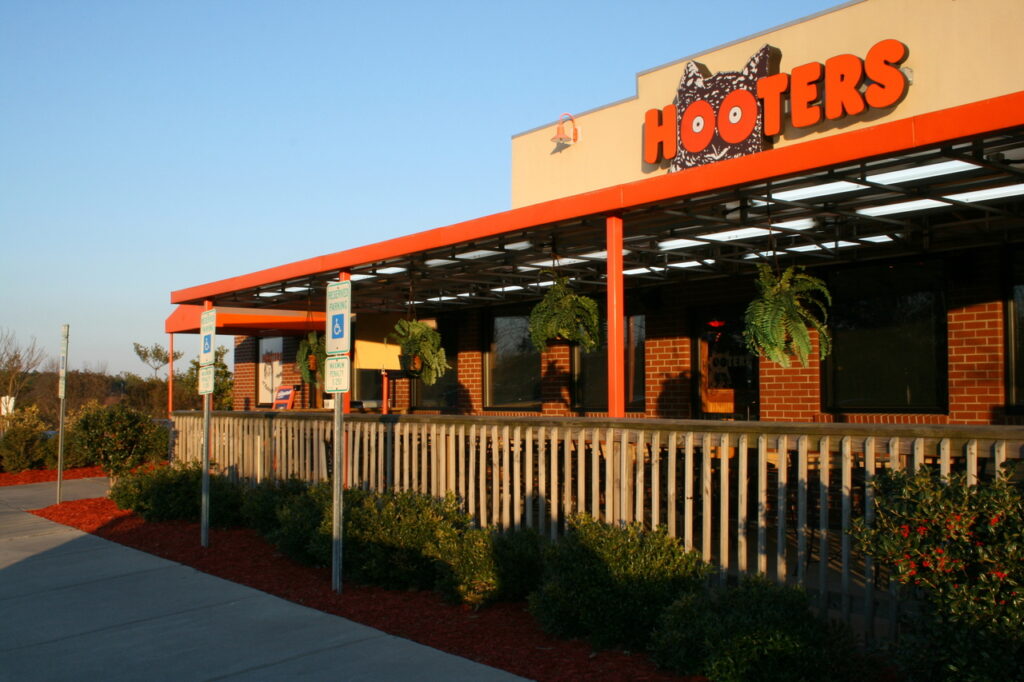
Hooters has faced ongoing cultural scrutiny due to its brand identity centered on provocative uniforms and themed service. As social norms evolved, critics questioned whether the concept aligned with modern workplace expectations and inclusivity standards. Public backlash periodically resurfaces, prompting the company to test alternative uniforms, family-friendly messaging, and new restaurant formats. While the brand maintains a loyal following, shifting cultural attitudes have forced leadership to carefully navigate brand positioning without alienating core customers. Operational challenges, franchise restructuring, and market competition further complicated the brand’s future.
10. 85°C Bakery Cafe
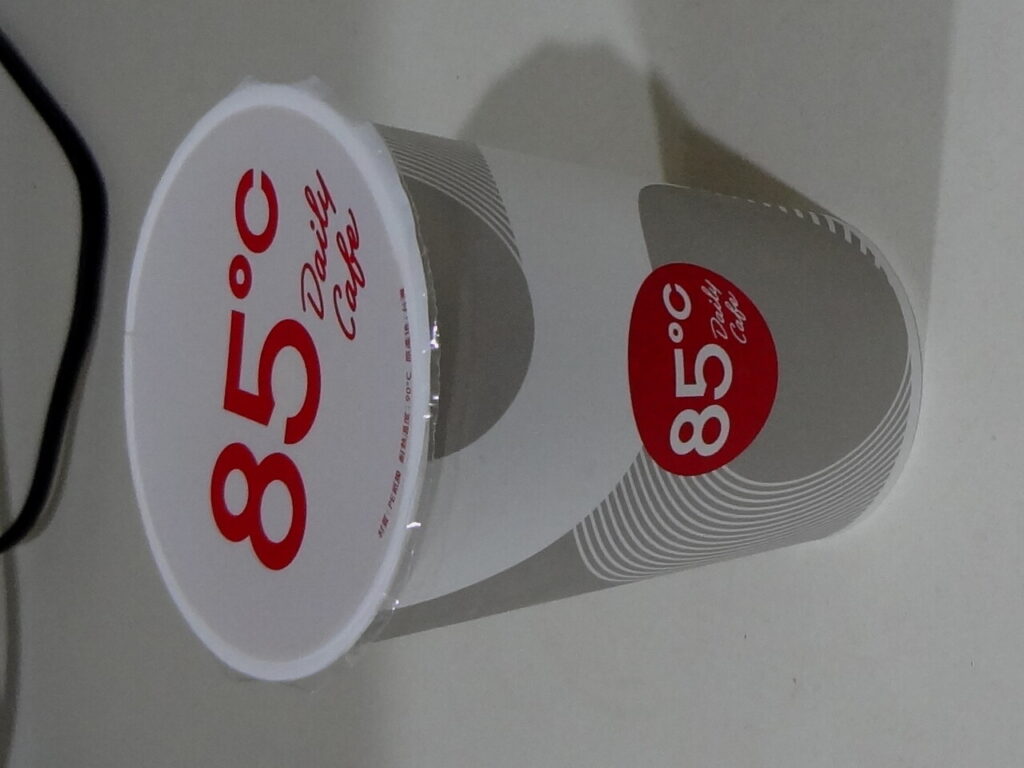
85°C Bakery Cafe gained popularity for affordable pastries and drinks, especially in Asian and international markets. The chain has faced boycotts and regulatory scrutiny tied to political perceptions, labeling issues, and labor practices in certain regions. These controversies triggered public debates and temporary sales declines, particularly in markets sensitive to national identity or food compliance standards. While not a traditional restaurant chain in the U.S. sense, the brand’s experience shows how global food companies must navigate complex regulatory environments and cultural expectations simultaneously. Transparency in sourcing, labeling accuracy, and workforce policies became central to restoring trust.