9 Onion Ring Swaps That Cut Quality at Fast Food Chains

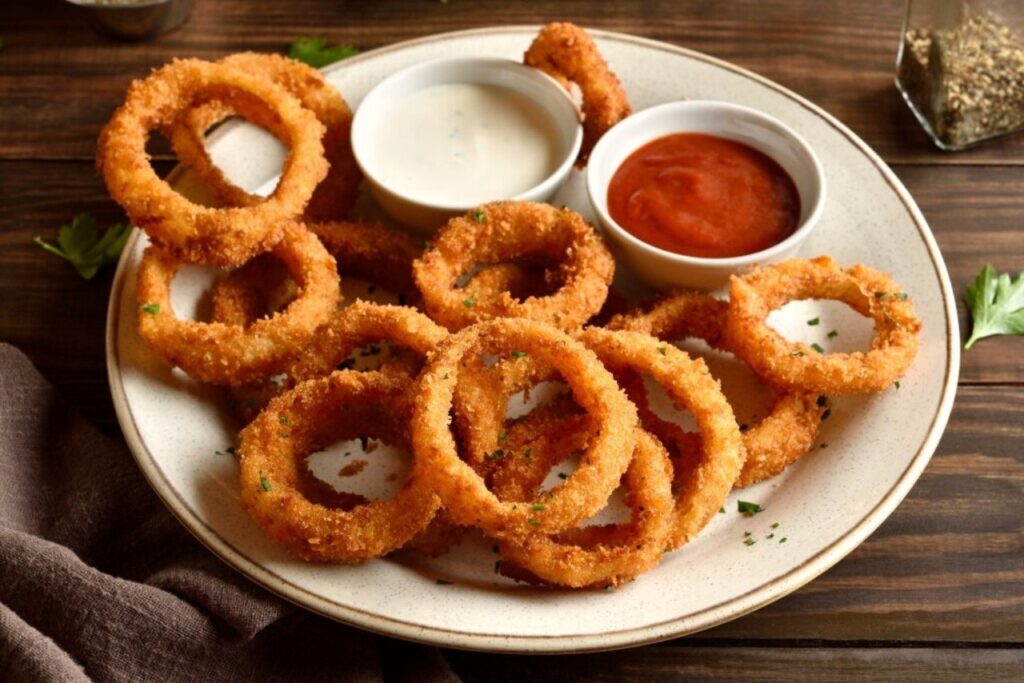
There was a time when ordering onion rings felt like a small reward. They arrived hot, golden, and deeply crisp, with a sweet onion center wrapped in well-seasoned batter. That first bite had weight, crunch, and flavor that lingered.
Over the years, subtle shifts in ingredients, portion sizes, oil quality, and preparation methods have quietly reshaped this once dependable side. Many of these changes were driven by efficiency, supply chain pressures, and cost control rather than taste.
The result is not always obvious at first glance. But if you have ever felt that your favorite onion rings are lighter, blander, or less satisfying than before, there are clear reasons behind it.
1. Thinner Batter, Less Bite
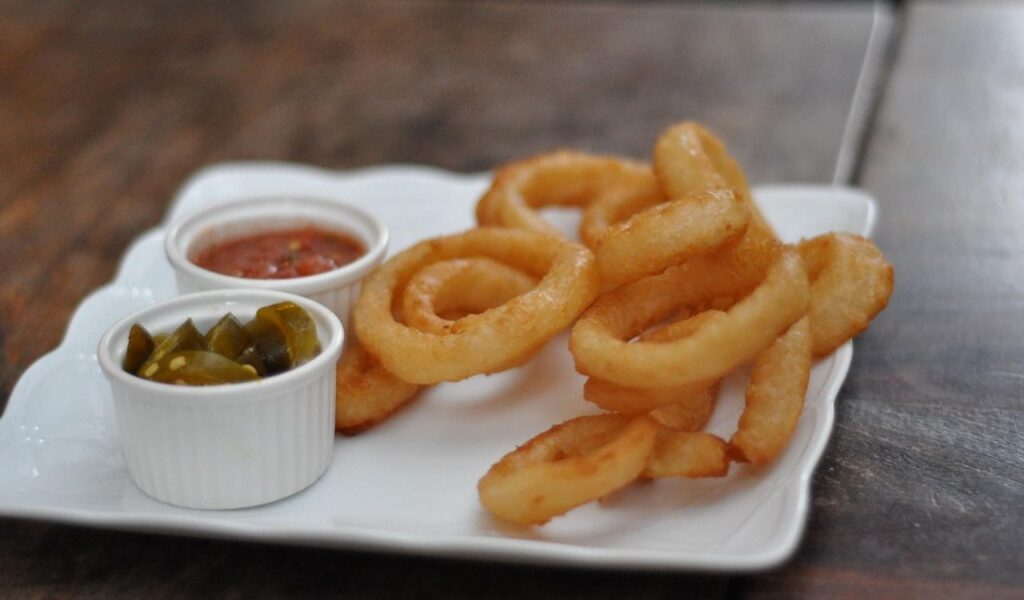
Crispiness is often advertised as progress, but thinner batter can quietly change the entire onion ring experience. A thicker coating once acted as insulation, sealing in moisture while creating a sturdy crunch. When chains slim down the batter mix, it may fry faster and absorb less oil at first, yet it also loses structure.
Cost plays a role. Lighter coatings stretch further per batch and reduce ingredient use. That matters at scale across thousands of locations.
The downside shows up in texture. Instead of a deep crunch that holds the onion in place, the coating can shatter or slide off. The flavor feels flatter too, since much of the seasoning lives in the batter. What looks crisp may actually deliver less satisfaction per bite.
2. Pre-Sliced, Mass-Processed Onions
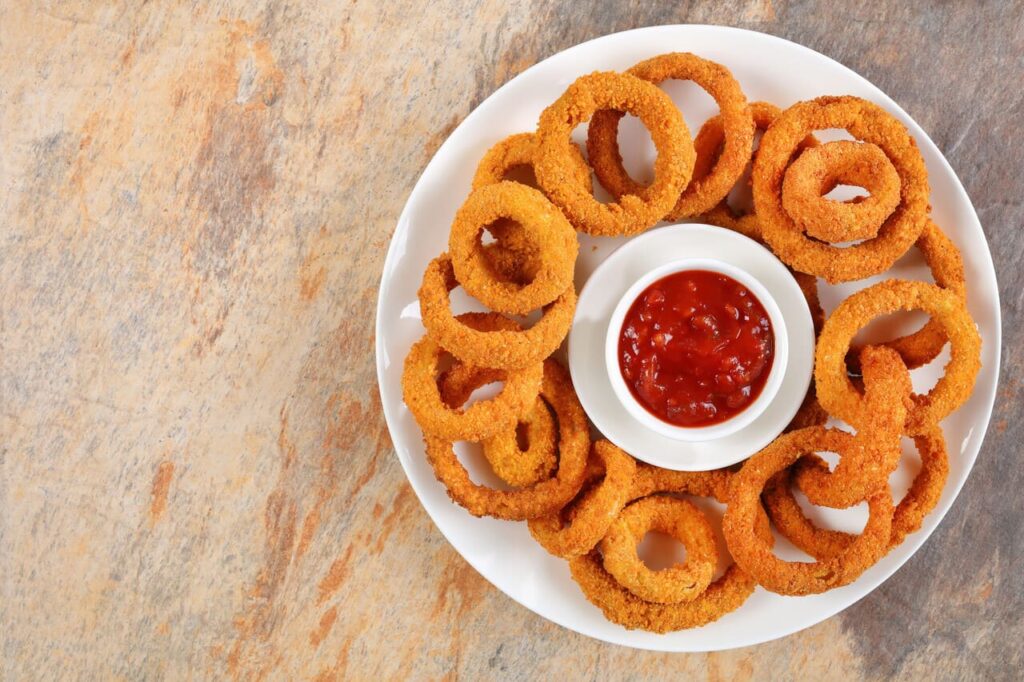
Uniformity is efficient, but it can dilute character. Many chains now rely on factory-cut, pre-sorted onion rings that arrive frozen and ready to fry. This reduces prep time, lowers labor costs, and ensures consistent sizing across stores. From an operations standpoint, it makes sense.
Fresh slicing once meant natural variation in thickness and sweetness. Onions contain sugars that caramelize during frying, adding depth and subtle sweetness. Extended cold storage and processing can mute that complexity.
When onions are pre-processed, the moisture balance can shift. Ice crystals formed during freezing may weaken cell walls. Once fried, the onion can feel softer instead of tender with a clean snap. Efficiency improves, but the sensory payoff declines.
3. Reconstituted Onion Instead of Whole Slices
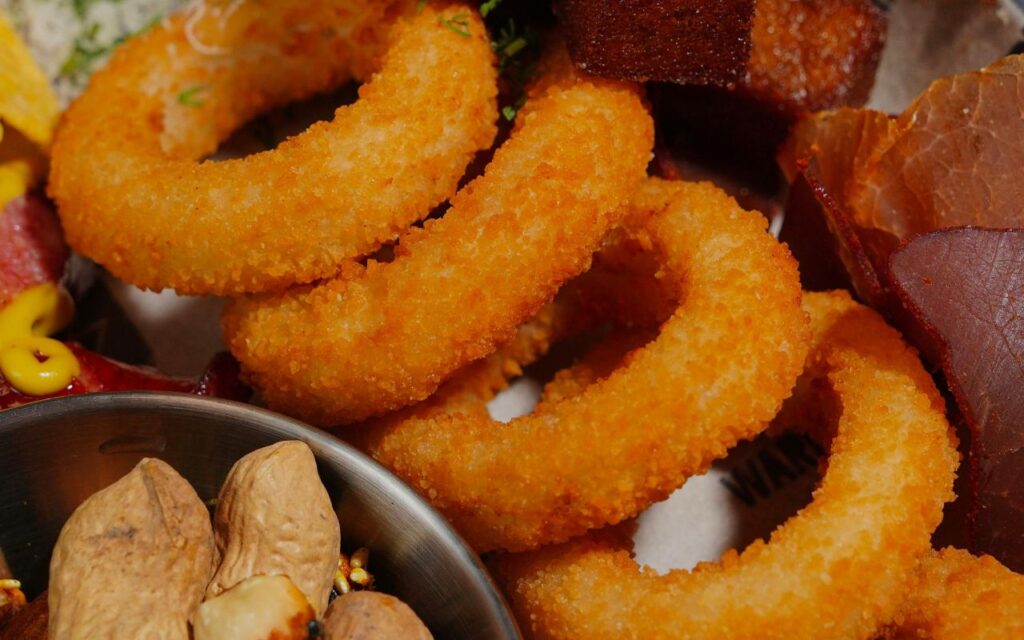
Not all onion rings begin as rings. Some are formed from chopped onion pieces blended with binding agents, then molded into uniform circles. This approach minimizes waste and uses smaller onion fragments that might otherwise be discarded.
From a supply chain perspective, it creates predictable shapes and sizes. Fry times become standardized, and breakage during cooking drops. That reliability is valuable in high-volume kitchens.
Texture, however, is where the difference shows. Whole slices have natural layers that separate slightly when bitten, creating a fibrous pull. Reconstituted rings feel more compact and uniform inside. The flavor may still be onion-forward, but the layered bite that signals freshness can be noticeably absent.
4. Lower-Quality or Overused Frying Oil
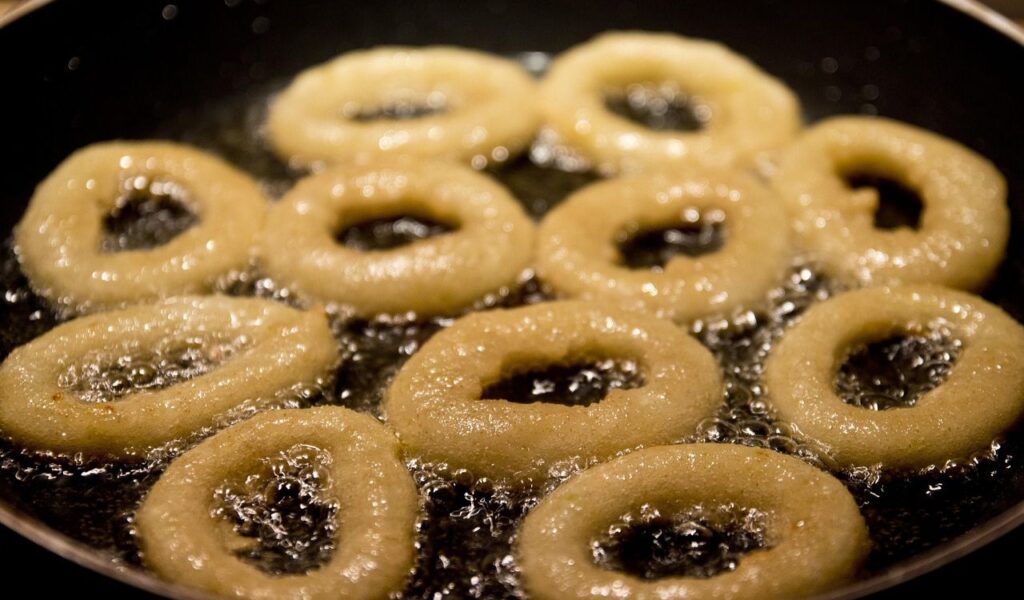
Oil is invisible but powerful. The type and freshness of frying oil directly affect taste, aroma, and mouthfeel. High-quality oil with a stable smoke point maintains clean flavor during repeated frying cycles. Cheaper blends break down faster under high heat.
As oil degrades, it oxidizes and accumulates food particles. This darkens the oil and produces off flavors that cling to batter. Even if the ring looks golden, the aftertaste can feel heavy or slightly bitter.
Operational pressures sometimes extend oil use to manage costs. While filtration systems help, no oil lasts forever. When replacement cycles stretch too long, onion rings absorb degraded compounds. The result is a greasier finish and less of that light, crisp quality people expect.
5. Smaller Portions Through Shrinkflation
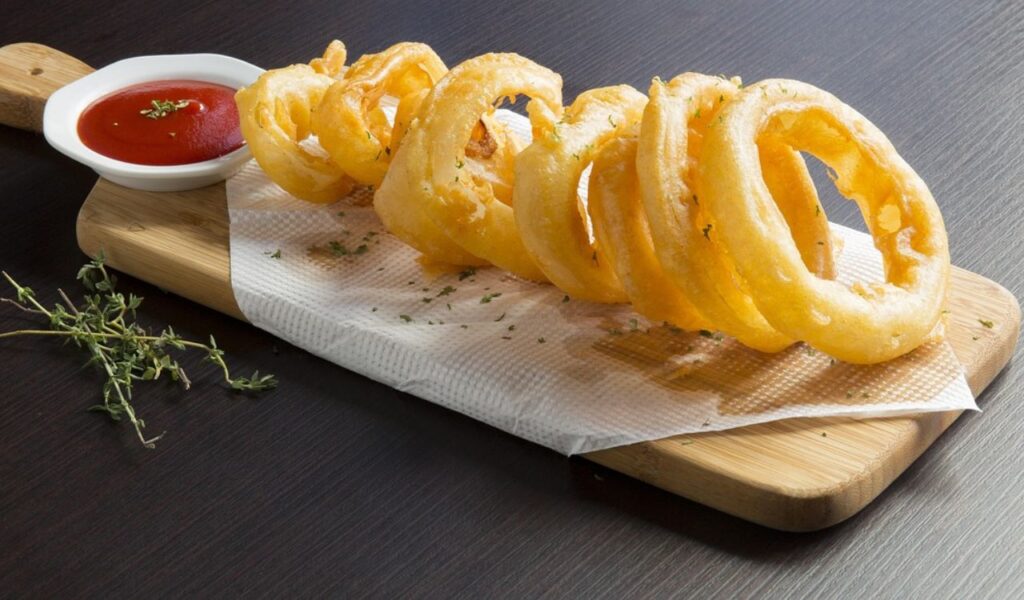
Portion shifts are subtle but impactful. Rising ingredient and labor costs push chains to adjust serving sizes without drastically raising menu prices. For onion rings, that can mean fewer pieces per order or thinner slices that fry up smaller.
Because sides are often bundled in combo meals, the change may not be immediately obvious. Customers notice only when the box feels lighter or the tray empties faster than before.
Value perception matters in fast food. Even if the recipe remains the same, reduced volume can lower satisfaction. A smaller portion alters the balance between crunch, onion sweetness, and dipping sauce. The experience feels abbreviated, and repeat customers quickly sense when generosity has quietly diminished.
6. Reduced Seasoning in the Batter
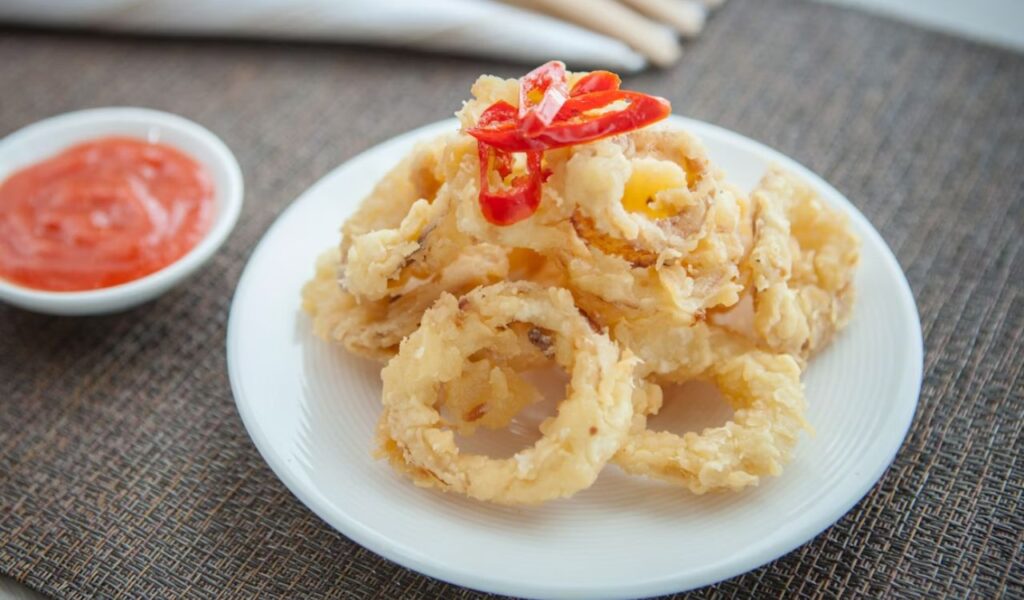
Flavor is often toned down in the name of mass appeal. Early onion ring recipes leaned on pepper, paprika, garlic powder, and salt for depth. Reformulated batters sometimes reduce spice intensity to satisfy broader, less adventurous palates.
Lower seasoning levels can also reduce ingredient costs and simplify supply logistics. Fewer spices mean fewer variables in production. Consistency improves, but complexity may fade.
When seasoning drops, the onion must carry more of the flavor load. If the onion itself is mild or processed, the overall bite feels muted. A crisp exterior without bold seasoning becomes merely crunchy, not memorable. Subtle changes in spice ratios can dramatically shift how satisfying each ring feels.
7. Fully Pre-Breaded Frozen Stock
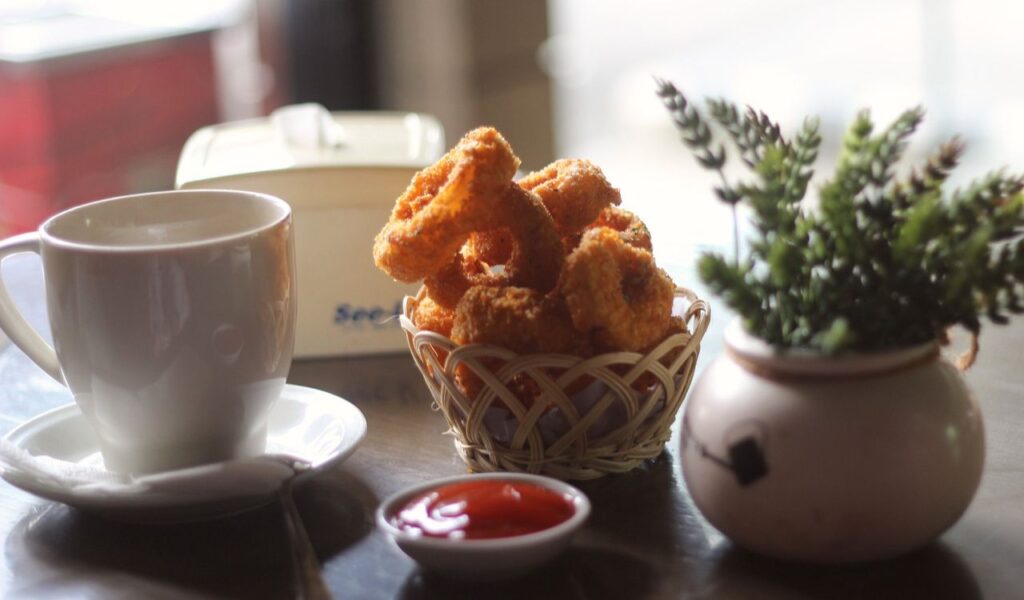
Convenience defines modern fast food kitchens. Fully breaded, frozen onion rings eliminate in-store mixing and coating. Staff simply fry and serve. This reduces training time and keeps output predictable during rush hours.
Freezing, however, influences structure. Moisture inside the onion expands during freezing, potentially weakening the bond between onion and batter. Once fried, the coating may separate more easily from the core.
Pre-breading also limits customization. Chains cannot adjust batter thickness or seasoning locally. While speed improves and waste decreases, texture often becomes standardized to the lowest common denominator. The result is reliable but rarely exceptional, trading craftsmanship for operational ease.
8. Shorter Fry Times for Speed
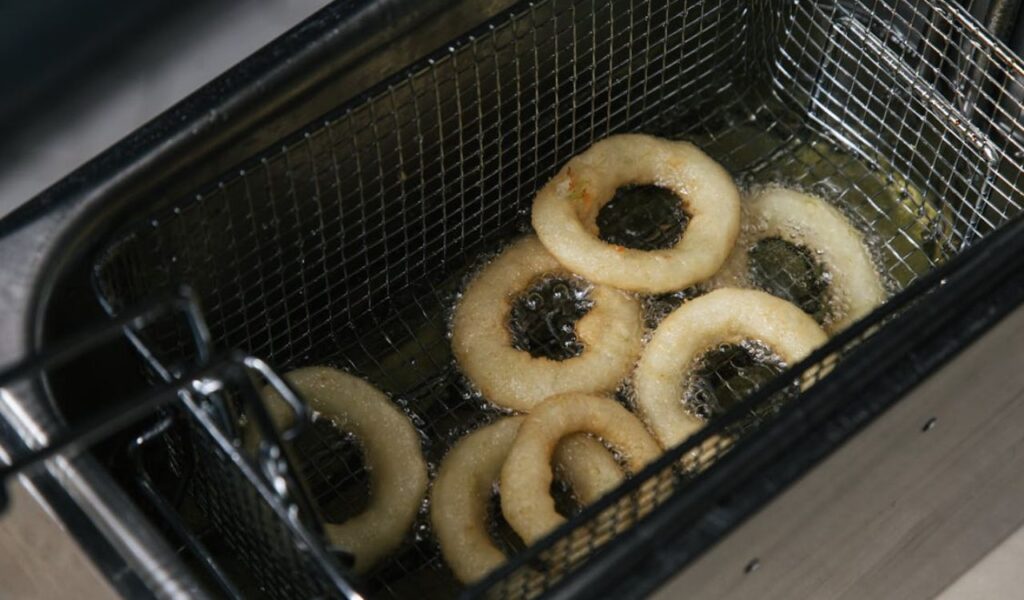
Speed drives profitability. In high-traffic drive-thrus, seconds matter. Adjusting fry times even slightly can increase hourly output. Onion rings that once fried longer for deeper color may now be pulled earlier to meet service targets.
Frying is not just about heat but timing. Proper cook time allows moisture to escape, starches to set, and sugars to caramelize. Shortened cycles may leave batter paler and less structurally firm.
When under-fried, the coating can soften quickly after serving. Steam trapped inside weakens crispness within minutes. Customers may receive rings that look acceptable, but lose crunch before the meal is finished. Efficiency improves, yet the signature texture that defines a good onion ring can quietly erode.
9. Discontinued Signature Sauces

Sometimes quality drops around the ring rather than within it. Many chains once paired onion rings with house-made or proprietary dipping sauces that balanced sweetness, acidity, and spice. These sauces elevated the side from a simple fried snack to a craveable favorite.
Specialty sauces require extra ingredients, storage space, and staff training. Streamlining menus often means cutting items that slow operations or complicate inventory. Generic ranch or ketchup becomes the replacement.
Sauce shapes perception. A good dip can mask minor flaws in texture or seasoning. When it disappears, weaknesses stand out more. Removing a signature pairing may seem small, yet it changes the experience and reduces the identity that kept customers coming back.