8 Sad Realities of 1970s Party Loaves No One Wanted to Eat

1970s party tables often showcased elaborate bread loaves stacked with creamy fillings and decorated like festive centerpieces. While these creations looked impressive, many guests quietly avoided eating them. Dense layers, soggy textures, and heavy spreads frequently overshadowed flavor, leaving slices untouched as lighter appetizers disappeared first. As entertaining styles evolved and tastes shifted toward fresher, simpler foods, these once-popular party staples slowly vanished from gatherings, remembered more for appearance than actual enjoyment.
1. Layered Sandwich Loaves Felt Overwhelmingly Heavy
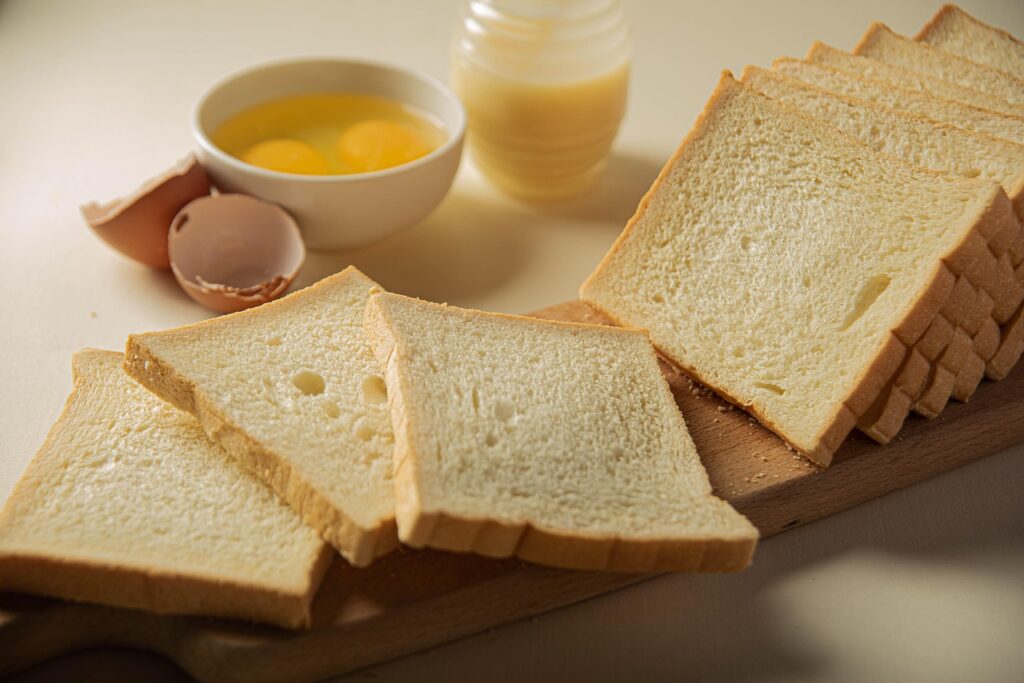
Party bread loaves in the 1970s often involved stacking multiple slices of white bread with thick layers of fillings before frosting the entire creation. While visually impressive, the result frequently contained far more bread than most guests wanted to eat at a social gathering.
Because each slice delivered several layers of bread along with creamy fillings, guests quickly felt full after only small portions. The heaviness made these loaves less appealing compared with lighter finger foods that allowed guests to sample more dishes comfortably.
Many party attendees quietly avoided thick slices, leaving hosts with large portions untouched. What looked generous on a serving table often proved impractical once people actually tried to eat it.
2. Fillings Frequently Clashed in Flavor
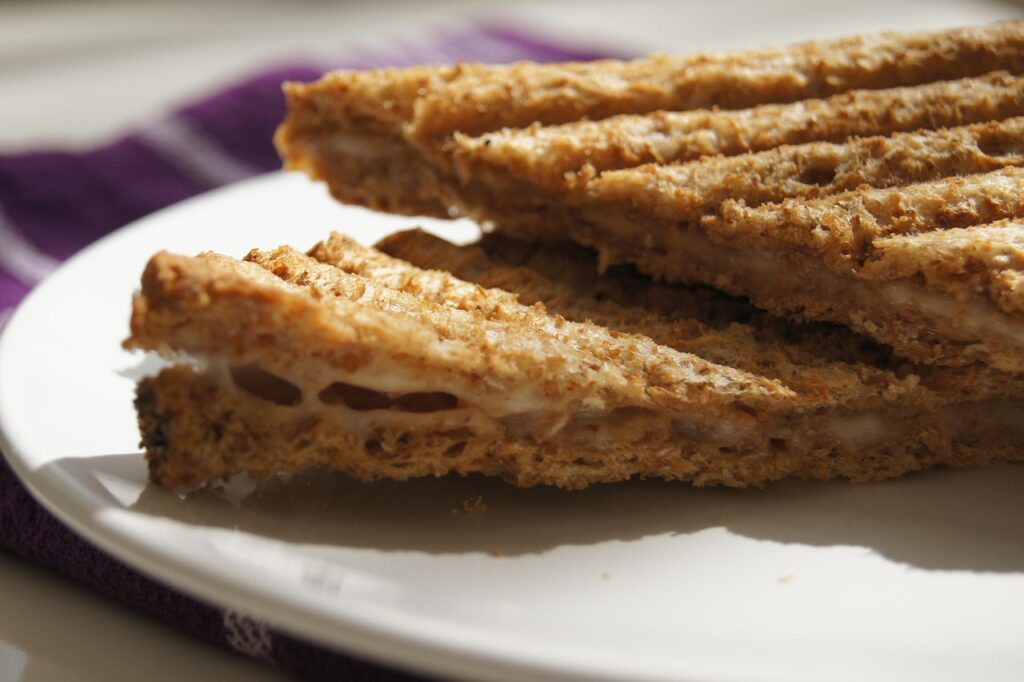
Hosts often filled each layer with a different spread, such as tuna salad, egg salad, deviled ham, or chicken mixtures. While variety seemed appealing, combining several strong flavors in one loaf often created confusing taste combinations.
Guests taking a slice encountered mismatched flavors stacked together, making it difficult to enjoy any single filling. Instead of complementing one another, layers sometimes competed for attention on the palate.
Because flavors blend during refrigeration, individual ingredients lose distinction. Many guests preferred simpler sandwiches where flavors stayed separate rather than compressed into one overloaded bite.
3. Cake-Like Frosting Confused Guests
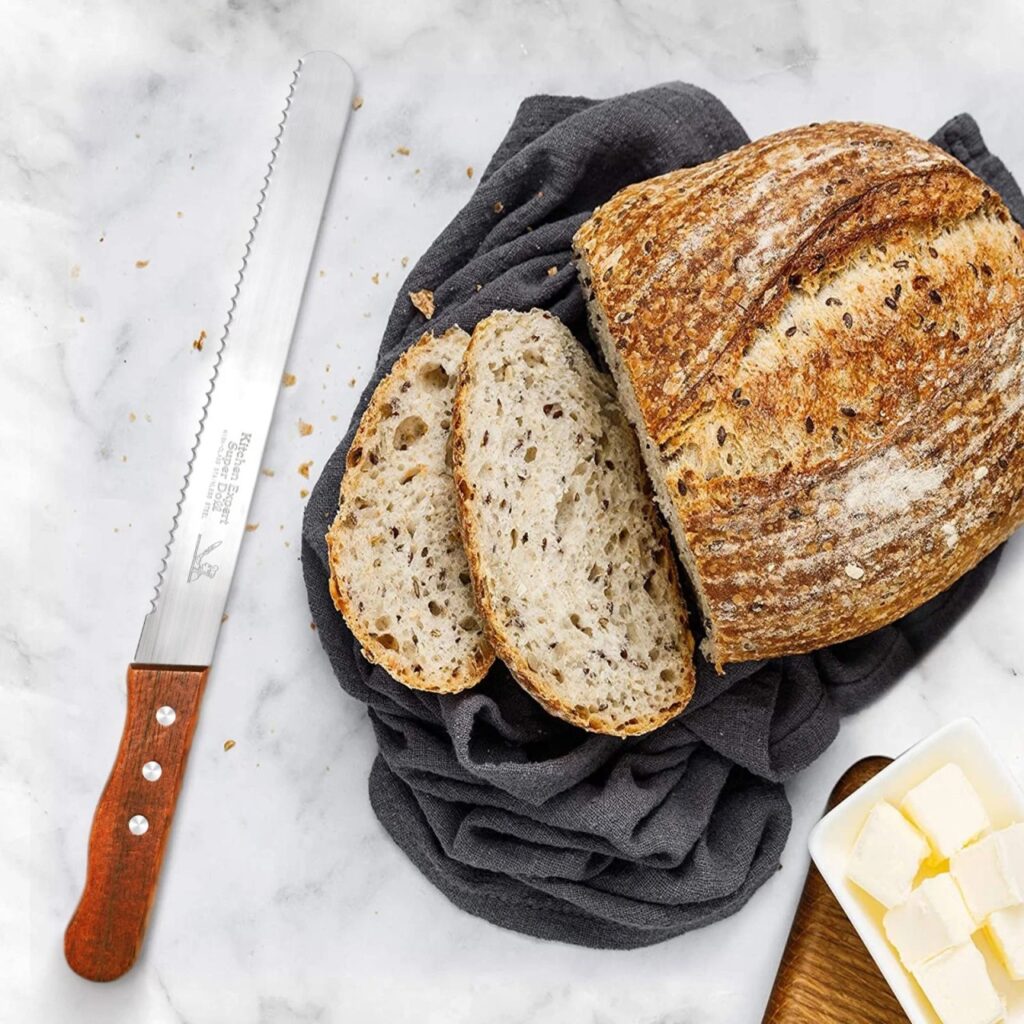
One hallmark of these party loaves involved coating the outside with cream cheese or mayonnaise mixtures, then decorating them like celebration cakes. Garnishes such as olives, pimentos, or vegetables enhanced the illusion.
However, guests expecting dessert sometimes felt surprised when slicing revealed savory fillings. The visual mismatch between cake appearance and sandwich taste confused expectations, dampening enthusiasm.
This presentation’s novelty attracted attention but did not always encourage eating. Once curiosity faded, many guests opted for familiar party foods rather than experiment with cake-shaped sandwiches.
4. Refrigeration Turned Bread Soggy

To help layers hold together, hosts typically assembled party loaves hours in advance and refrigerated them overnight. Unfortunately, moisture from fillings slowly seeped into the bread layers.
By serving time, bread often felt soft or soggy rather than fresh. Textures became uniformly moist, removing the satisfying bite guests expect from sandwiches. Moisture from sauces, vegetables, or hot fillings slowly seeps into the bread, breaking down its structure before it reaches the table.
While refrigeration made slicing easier, it reduced overall appeal. Many guests found softened bread unappetizing, leading slices to remain untouched on buffet tables.
5. Decoration Looked Better Than It Tasted
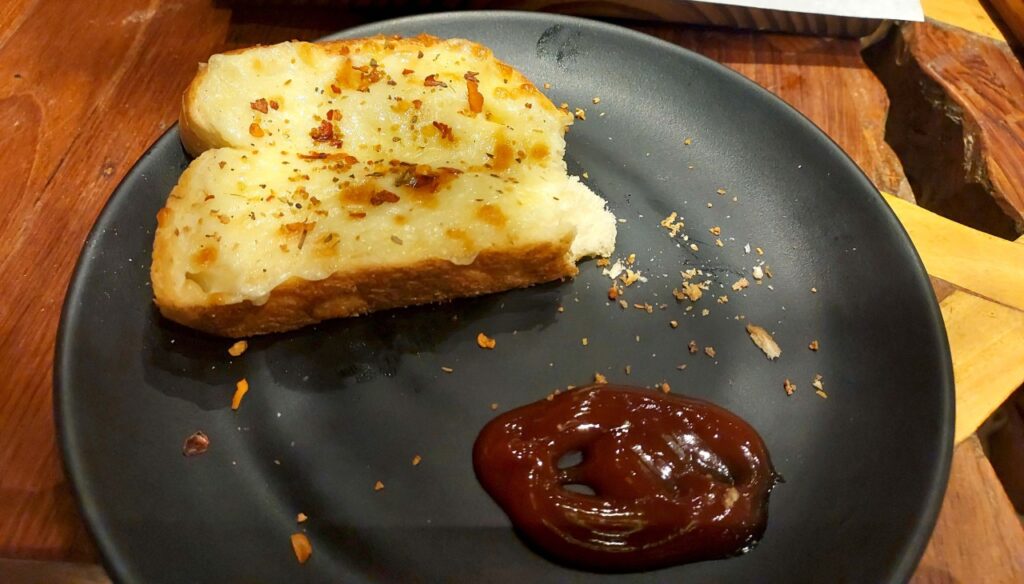
Party loaves often featured elaborate decorations, with piped spreads and carefully placed vegetable garnishes designed to impress guests visually. Hosts took pride in presentation, treating loaves as edible centerpieces.
Yet once served, flavor rarely matched appearance. Decorative spreads added richness but contributed little to taste, making portions feel heavier without improving enjoyment.
Guests admired these creations briefly before choosing simpler foods. The visual effort did not always translate into satisfying eating experiences, leaving decorated loaves more admired than consumed.
6. Preparation Required Hours of Work
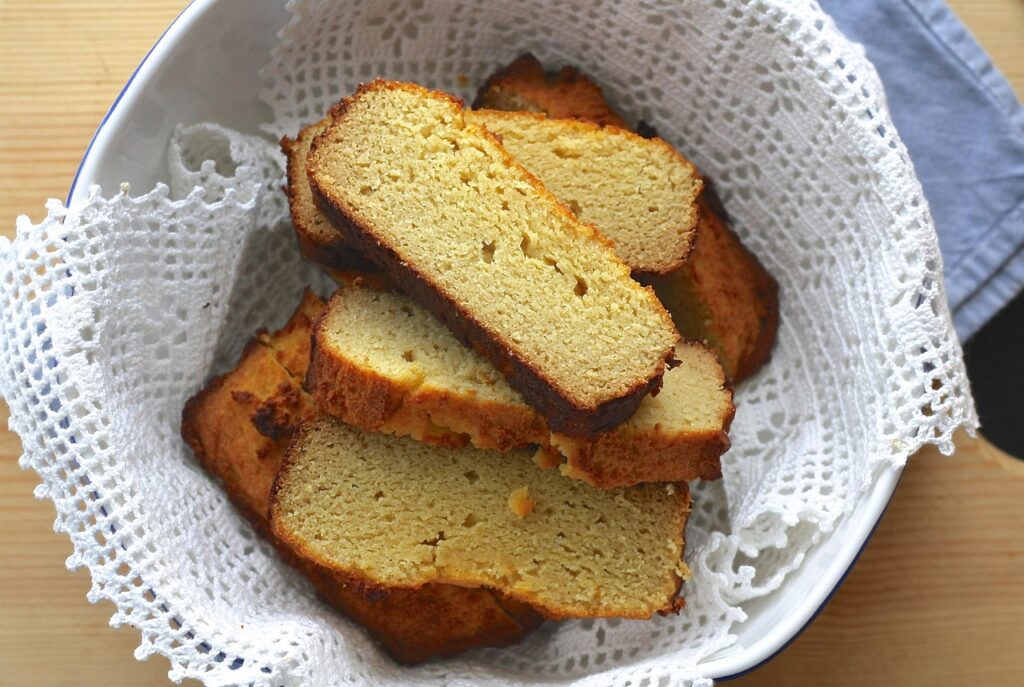
Constructing a party bread loaf demanded significant preparation time, from trimming crusts to preparing multiple fillings and carefully layering slices before frosting and decorating the exterior.
Despite hours spent assembling the dish, the final results often tasted similar to ordinary sandwich spreads served on bread. Guests rarely recognized the work involved, seeing only another type of buffet option.
Because effort did not consistently yield memorable flavor, many hosts eventually abandoned the tradition in favor of appetizers requiring less labor yet delivering greater guest satisfaction.
7. Excess Mayo and Cream Cheese Overpowered Taste
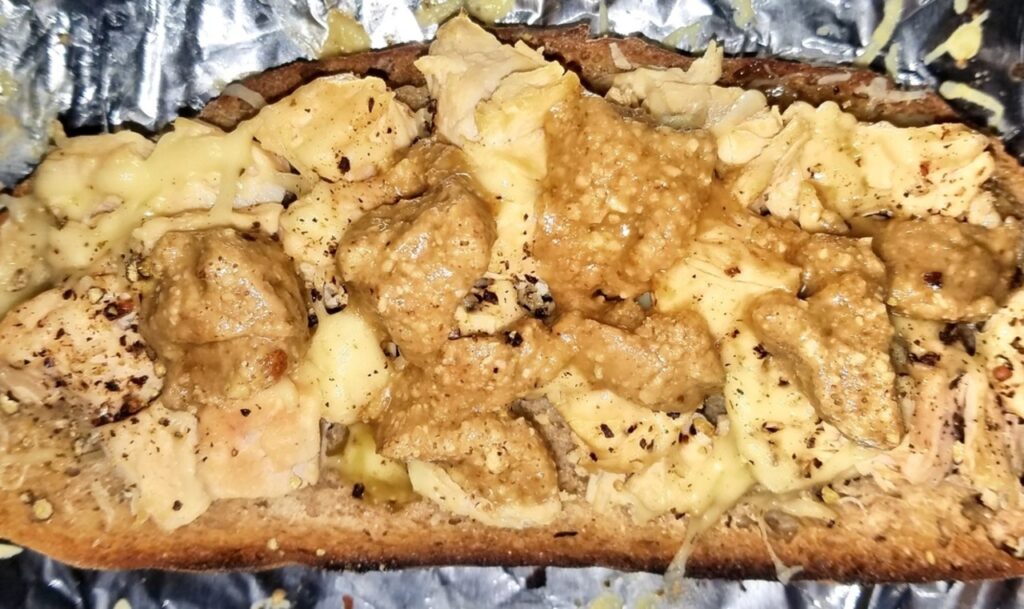
Fillings and frostings relied heavily on mayonnaise or cream cheese to bind ingredients and create spreadable textures. While convenient, these ingredients added heavy richness to nearly every bite.
When combined across multiple layers, creamy spreads overwhelmed lighter flavors like vegetables or herbs. The result felt dense and overly rich, especially for guests sampling several dishes.
Modern preferences often favor lighter party foods, making these mayonnaise-heavy loaves feel outdated. Many guests quietly avoided them after a single bite, preferring options that felt fresher and less heavy.
8. Changing Tastes Made Them Feel Outdated
By the late twentieth century, party menus began shifting toward lighter appetizers, fresh vegetable platters, and smaller finger foods better suited to casual gatherings and changing dietary preferences.
Compared with these newer options, layered bread loaves seemed old-fashioned and unnecessarily heavy. Younger guests especially gravitated toward foods that felt fresher and easier to eat while mingling.
As entertaining styles evolved, party bread loaves gradually disappeared. What once symbolized hospitality came to represent outdated hosting trends that modern guests often preferred to skip entirely.