10 Pasta Shapes Ranked by How Well They Actually Hold Sauce

Not all pasta is equally good at delivering sauce, and that matters more than most weeknight dinners admit. Shape, ridges, curves, and hollow centers all change how every bite eats. This ranking looks at 10 familiar pasta shapes and judges them by one simple question: how much sauce actually makes it to your fork?
Spaghetti

Spaghetti is iconic, but when it comes to sauce retention, it is more style than substance. Its smooth, slender strands give sauce very little to cling to, especially thinner tomato sauces or olive oil-based preparations that tend to slide straight to the bottom of the bowl.
That does not make spaghetti bad. It just means it performs best when the sauce is meant to lightly coat rather than deeply cling. Carbonara, aglio e olio, and simple marinara can still work beautifully, but if your goal is maximum sauce per bite, spaghetti is not the shape leading the charge.
Linguine

Linguine has a slight edge over spaghetti thanks to its flatter shape, which gives sauce a bit more surface area to spread across. It is still relatively sleek, though, so heavier sauces can slip away instead of settling into the pasta itself.
Where linguine shines is with silky seafood sauces, pesto, or buttery emulsions that naturally coat broad surfaces. It feels more luxurious than spaghetti and carries flavor a little better, but it still does not trap sauce in a meaningful way. Think elegant coating, not deep retention.
Fettuccine

Fettuccine is broad enough to hold creamy sauces more convincingly than thinner strands. Alfredo works for a reason: the ribbon shape creates a richer coating effect, and every forkful feels fuller, silkier, and better integrated with the sauce.
Still, fettuccine is mostly about surface contact, not pockets or traps. Smooth ribbons can only do so much when a chunky ragù or vegetable-heavy sauce enters the picture. It performs well in the creamy category and better than many long pastas overall, but it is not the kind of shape that really locks sauce in place.
Farfalle

Farfalle looks playful, and its pinched center does create some texture variation that helps with sauce. The ridged folds and broader wings give it more personality on the plate than simple ribbons, especially with light cream sauces, pesto, or tomato-based dishes.
The problem is inconsistency. The middle bites differently from the edges, and sauce tends to collect unevenly rather than beautifully. You get some well-coated pieces and some nearly bare ones. Farfalle is charming and versatile, but in a strict sauce-holding contest, it lands squarely in the middle of the pack.
Penne

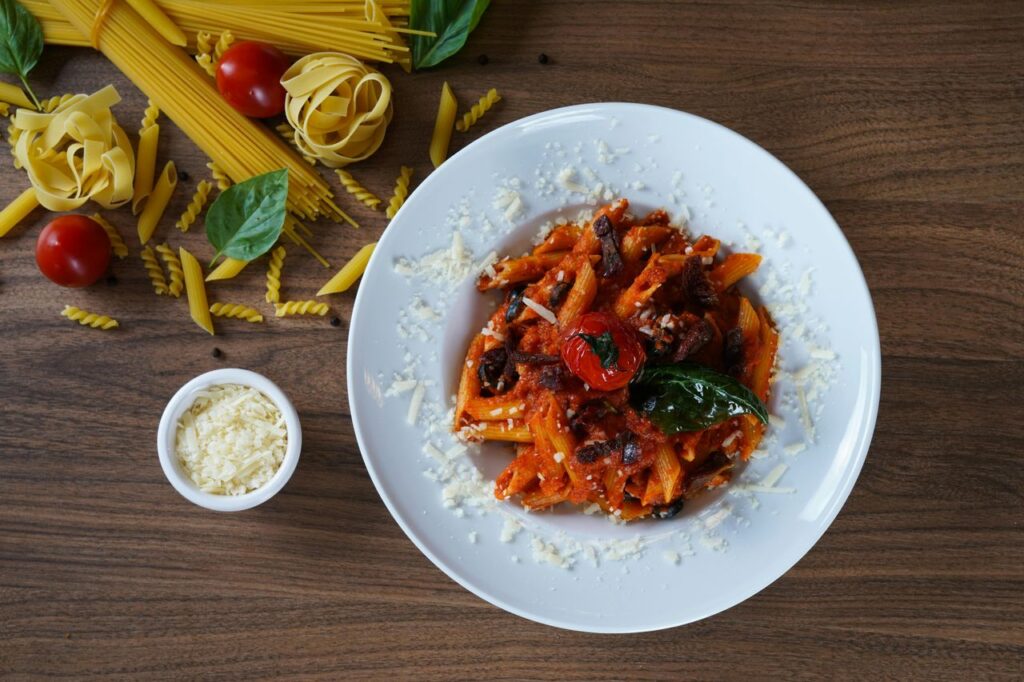
Penne is one of the weeknight heroes of the pasta world because it holds sauce reliably without making a fuss. Its tube shape captures sauce inside, while the cut ends and ridged exterior, especially on penne rigate, help grab whatever is coating the outside.
It works with almost everything, from vodka sauce to baked pasta to chunky vegetable ragù. That versatility is exactly why penne remains a staple. It may not be the most glamorous shape in the box, but bite for bite, it delivers a strong, balanced sauce-to-pasta ratio that rarely disappoints.
Rotini

Rotini is built for grip. Those tight spirals create grooves that catch sauce in multiple directions, so even a simple spoonful of marinara or pesto gets worked into the shape instead of slipping away. It is one of the most practical sauce carriers in any pantry.
It is also great with chunkier ingredients because bits of meat, vegetables, and cheese get caught in the twists. Every forkful feels busy in the best way. Rotini may not have the romance of long strands, but if your definition of success is sauce actually sticking around, it performs impressively well.
Rigatoni

Rigatoni plays a bigger, bolder game than penne. Its wide tube and pronounced ridges are excellent at catching thick sauces, and the larger interior holds substantial amounts of cream, tomato sauce, or slow-cooked meat ragù in a way that feels almost engineered.
This is the pasta shape you want when the sauce deserves equal billing. It stands up to hearty preparations without getting lost, and every bite has room for both pasta and sauce to register clearly. Rigatoni is sturdy, satisfying, and very close to the ideal when richness and cling are the priority.
Shells

Shells earn their reputation because they do exactly what you hope they will: scoop. The curved shape creates a natural pocket that gathers sauce, melted cheese, and small bits of vegetables or meat, making each bite feel complete instead of merely coated.
Even medium shells do a great job, while larger shells turn that advantage into a full-blown strategy. They are especially strong with creamy baked dishes and thicker sauces that settle into the cup. If you have ever had a forkful where the sauce felt tucked in rather than draped on top, shells were probably responsible.
Orecchiette

Orecchiette is small but incredibly effective. Its little ear-shaped cup catches sauce in the center while the slightly rough, often handmade texture gives the exterior extra grip. It is one of those shapes that quietly overdelivers with almost every kind of sauce.
It is particularly brilliant with sausage, broccoli rabe, or chunky vegetable mixtures because the pieces settle into the cup and stay there. That means flavor is not just coating the pasta but traveling with it. Orecchiette manages to feel delicate and practical at the same time, which is a rare and very useful combination.
Radiatori

Radiatori takes the top spot because it seems almost designed by someone obsessed with sauce. Its ruffled, radiator-like folds create an extraordinary amount of surface area, with ridges and crevices that capture everything from smooth tomato sauce to creamy cheese blends and meaty ragù.
What makes it exceptional is that the sauce does not just coat the outside. It lodges in the folds, clings between the layers, and stays present through every bite. The result is maximum flavor delivery with very little waste at the bottom of the bowl. If sauce retention is the mission, radiatori is the clear winner.