12 Sweet and Spicy Sauce Trends Overpowering Classic BBQ

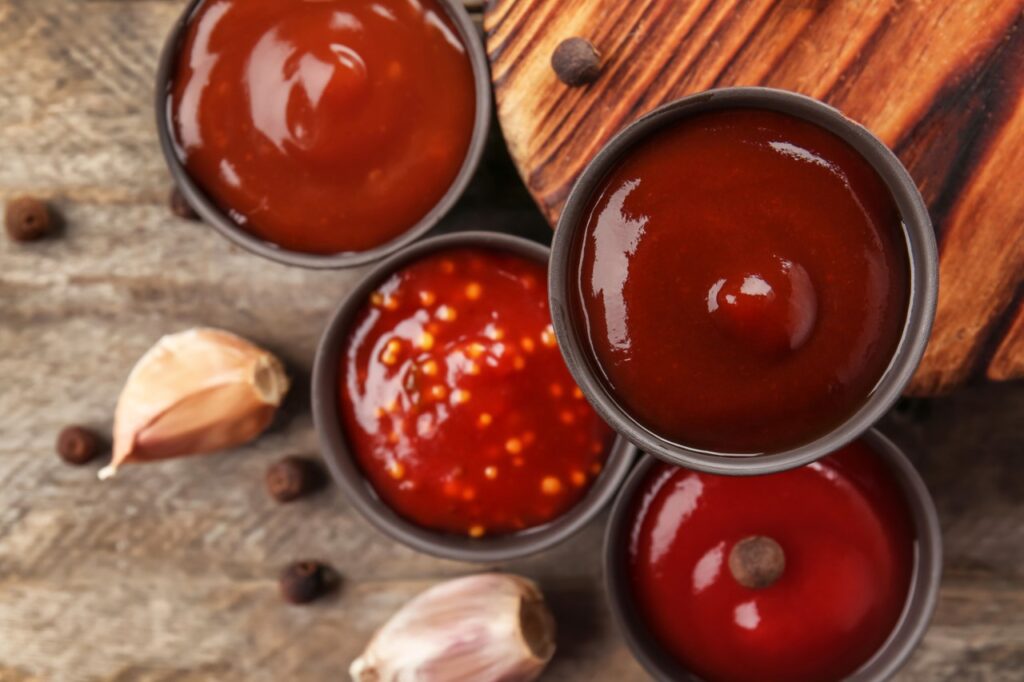
Barbecue has always been about patience, smoke, and balance. Classic sauces were built slowly, layered with tomato, vinegar, molasses, and spice to complement meat rather than overpower it. The goal was harmony, not shock value.
Today, sweet and spicy hybrids are rewriting that formula. Fruit glazes, chili-infused honey, and global pastes bring bold heat and glossy sweetness that grab attention fast. These sauces are vibrant, modern, and hard to ignore.
But as these flavors grow louder, they often push traditional smoke and tang into the background. The result is barbecue that tastes brighter and sweeter, yet sometimes less rooted in its original depth.
1. Hot Honey BBQ
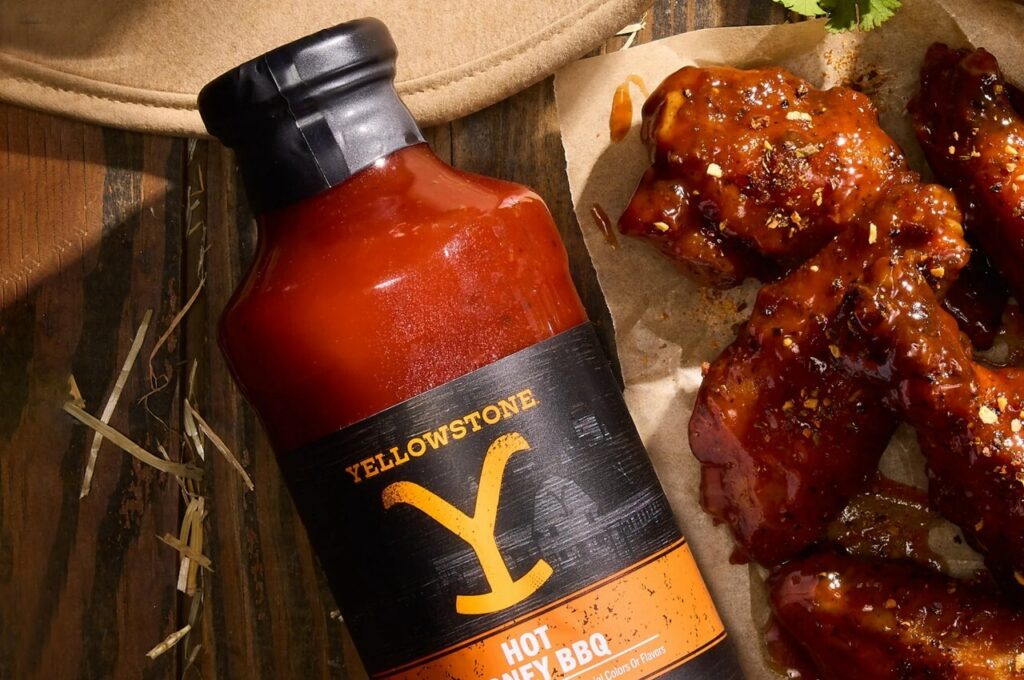
Hot honey turned a simple pantry staple into a menu favorite by blending honey with chili heat. The effect is immediate: sweetness arrives first, followed by a steady, warming burn. Its glossy texture also gives meats an eye-catching lacquer.
Chefs value how easily it balances salt and fat on ribs, wings, and fried chicken. It needs little prep yet delivers bold flavor, making it practical for busy kitchens that want impact without extra steps.
In traditional barbecue, though, that brightness can overshadow slow-smoked depth and vinegar tang. Instead of gradual smoke and spice building over time, the taste leans toward quick sweetness and surface heat, shifting the balance of classic BBQ.
2. Korean Gochujang Glaze
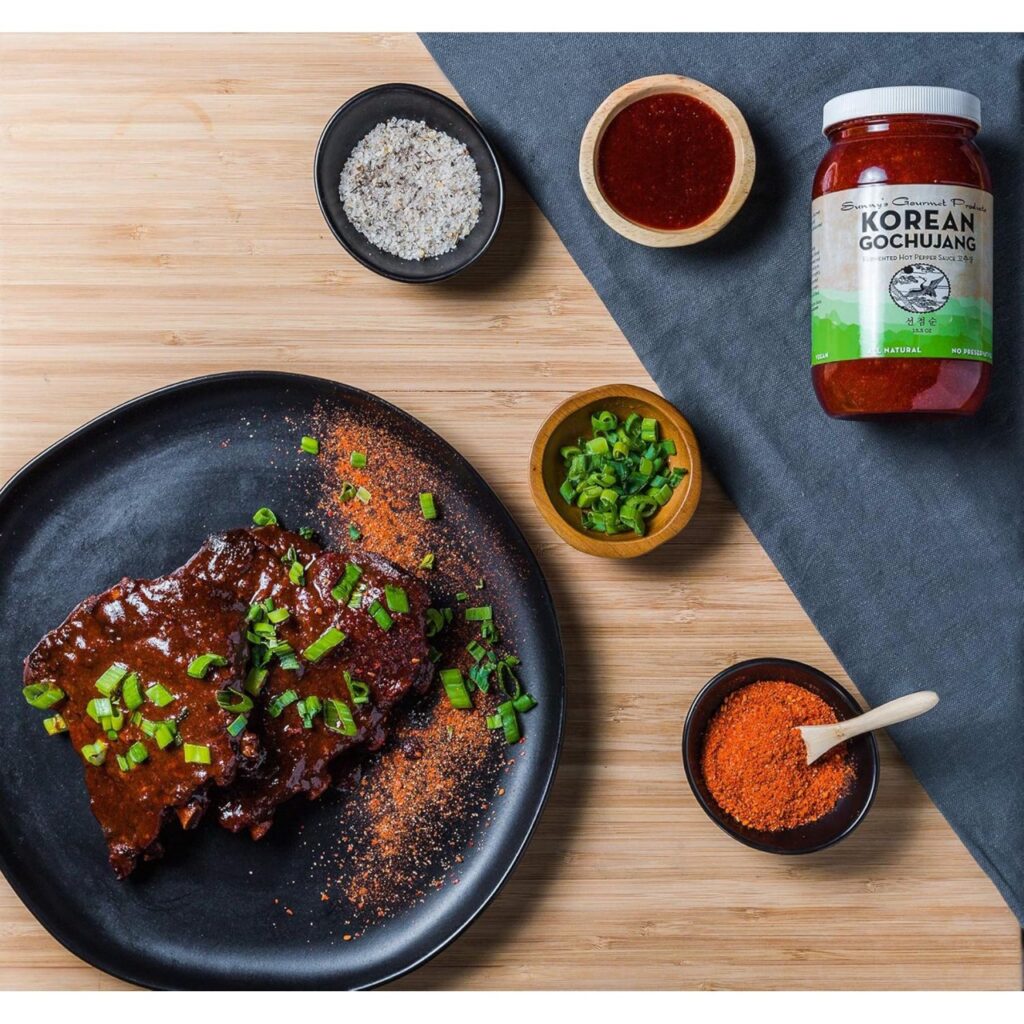
Gochujang brings fermented chili depth that feels richer than standard ketchup-based sauces. Its blend of sweet, savory, and mild heat creates a glaze that clings well to grilled meats. The flavor is bold yet rounded, with a lingering umami note.
Kitchens favor it because it delivers complexity without long simmering. Mixed with sugar or soy, it becomes a sticky coating that stands up to ribs, brisket, and grilled chicken. It feels modern and globally inspired.
In classic barbecue, though, its fermented weight can dominate. The savory punch may soften vinegar sharpness and blur delicate smoke layers, shifting focus from pit-driven flavor to chili-forward intensity.
3. Mango Habanero
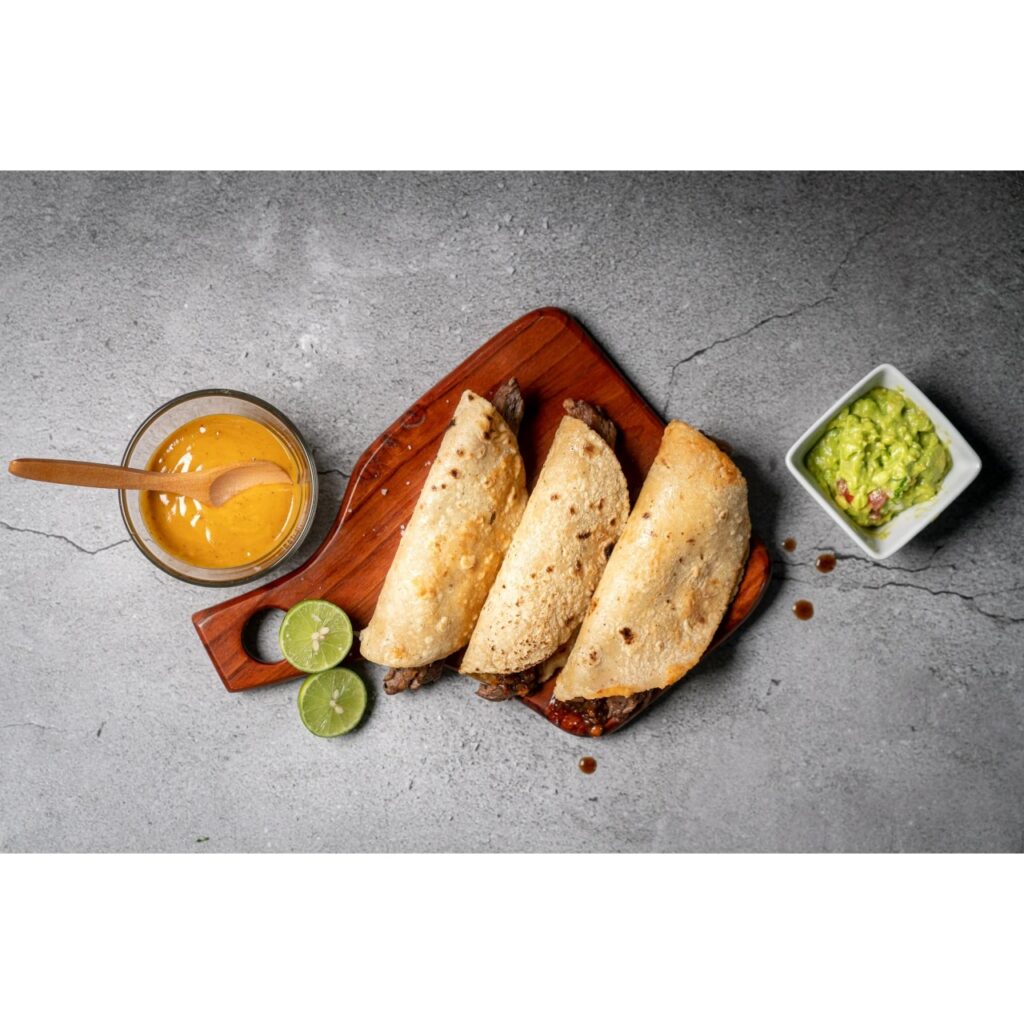
Mango habanero thrives on contrast. Juicy fruit sweetness arrives first, bright and tropical, then habanero heat rises quickly and lingers. The pairing creates a glossy, vibrant sauce that looks bold on wings, grilled chicken, and ribs.
The mango base caramelizes under heat, adding shine and light charred notes. It delivers excitement without overwhelming most diners, which explains its popularity on modern menus seeking sweet heat appeal.
Still, the tropical profile can dominate delicate smoke and dry rub nuance. Instead of tasting wood-fired depth, the palate often focuses on fruit and spice, shifting attention away from traditional barbecue balance.
4. Pineapple Chipotle
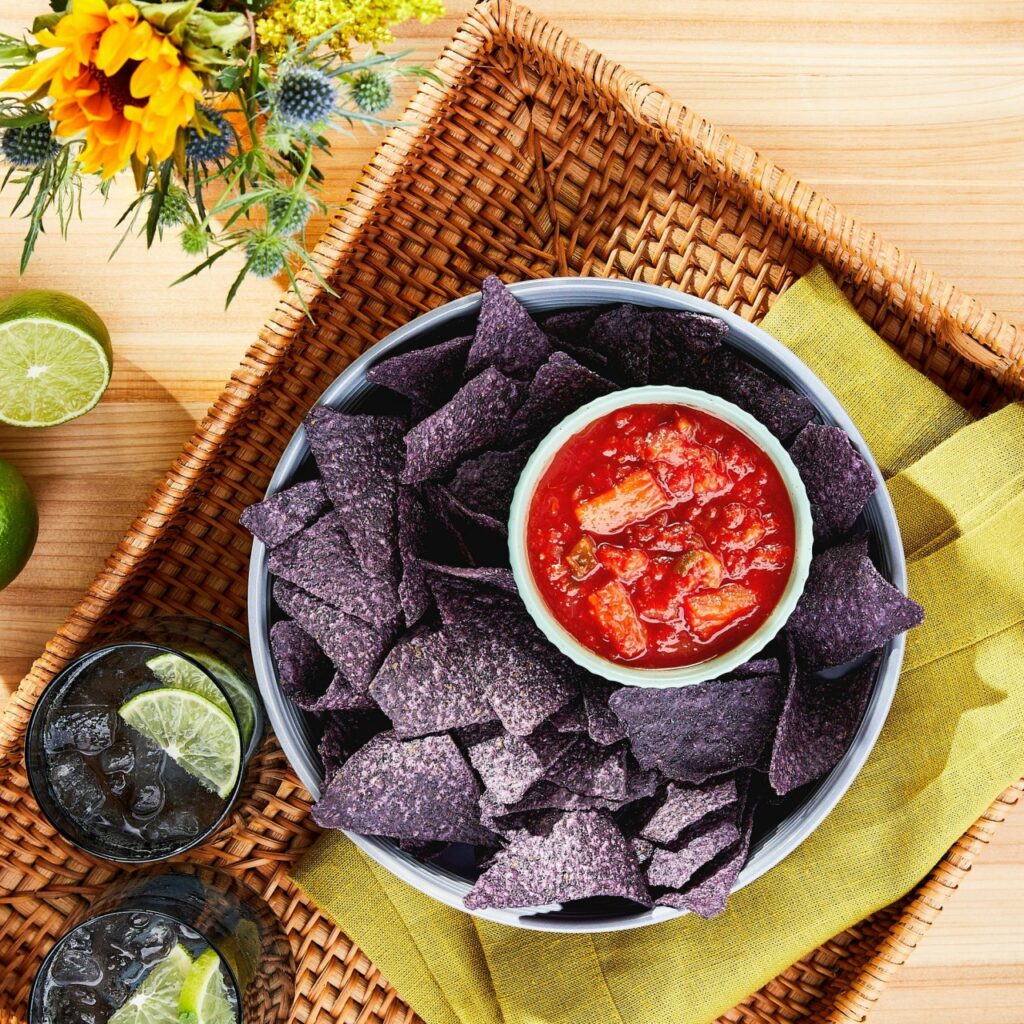
Pineapple chipotle blends sweet acidity with smoky chili warmth. Pineapple contributes natural sugars and brightness, while chipotle adds earthy depth that echoes fire and slow cooking. The result feels lively yet layered.
It pairs especially well with pork, where sweetness highlights fat and enhances caramelization. Reduced into a glaze, it clings tightly and delivers a glossy, sticky finish that stands out visually.
Yet fruit-forward brightness can compete with pit-smoked complexity. The sugars often become more noticeable than subtle smoke, nudging the profile toward sweet heat rather than savory depth.
5. Nashville Hot Honey Butter
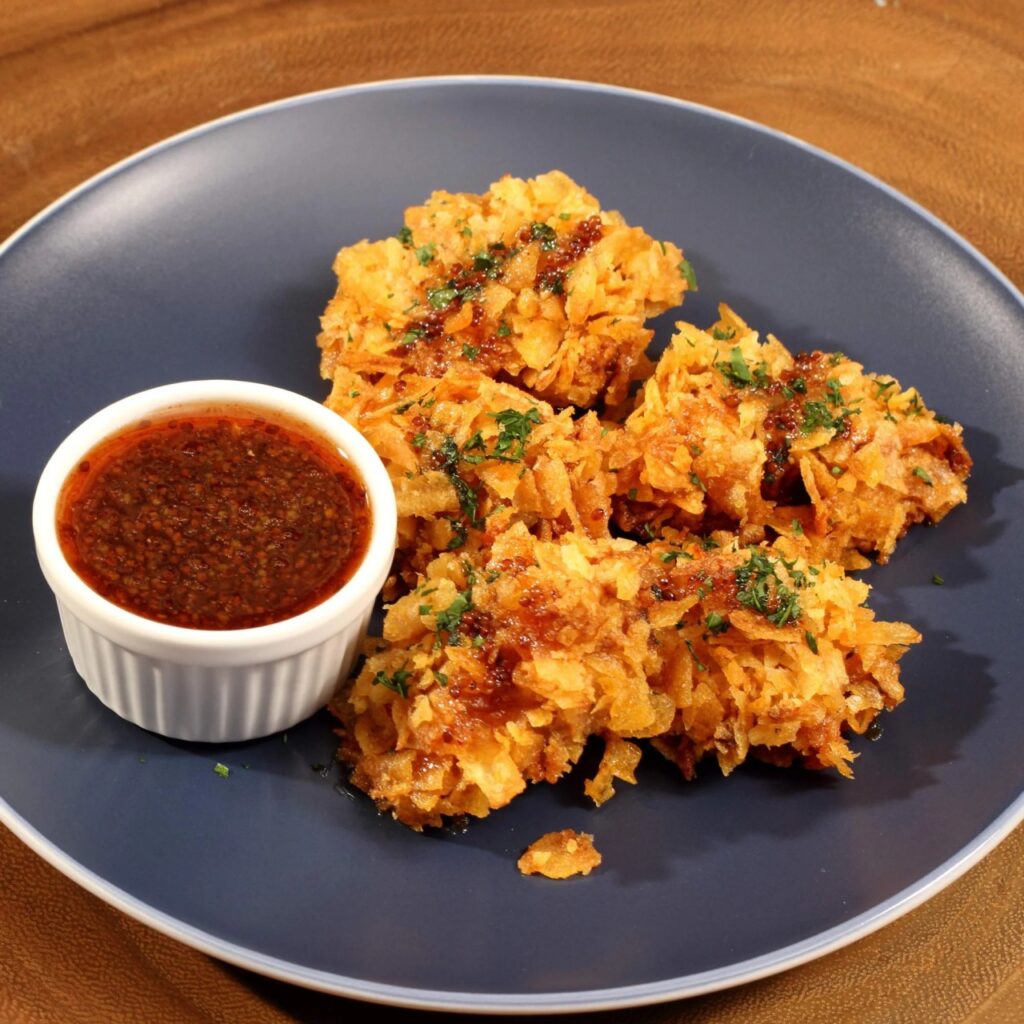
Nashville hot honey butter blends chile spice with rich sweetness in a way that feels instantly indulgent. Melted butter carries cayenne heat smoothly across the palate, while honey softens sharp edges and adds glossy shine. The result is bold, warm, and attention-grabbing from the first bite.
It works well in fast-paced kitchens because it layers fat, sugar, and spice in one simple finish. That efficiency delivers consistent flavor without long reductions or complex sauce builds.
Yet the richness can overshadow traditional barbecue structure. Instead of gradual smoke and vinegar tang developing over time, buttery heat dominates early, shifting the balance away from classic slow-smoked depth.
6. Sriracha Brown Sugar Sauce
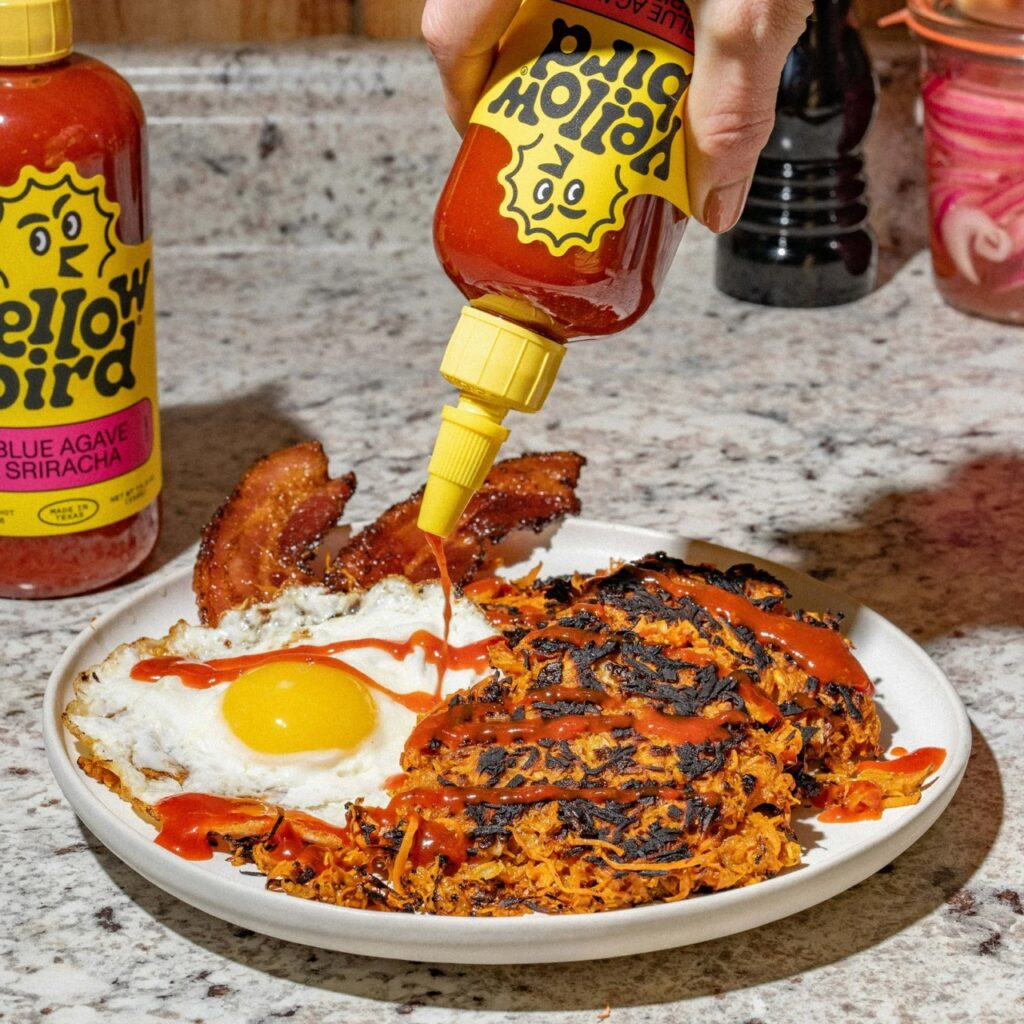
Sriracha and brown sugar create a glaze built on contrast and familiarity. Garlic-driven chili heat meets molasses-style sweetness, forming a thick, sticky coating with immediate impact. The flavor is assertive and easy to recognize.
Its popularity comes from versatility. The balance of spice and sugar adapts well to chicken, pork, and even grilled vegetables, making it practical for modern menus seeking bold but approachable heat.
However, the strong garlic-chili profile can overpower subtle smoke and vinegar brightness. Instead of layered barbecue harmony, the taste often leans toward sweet spice dominance.
7. Bourbon Peach Glaze
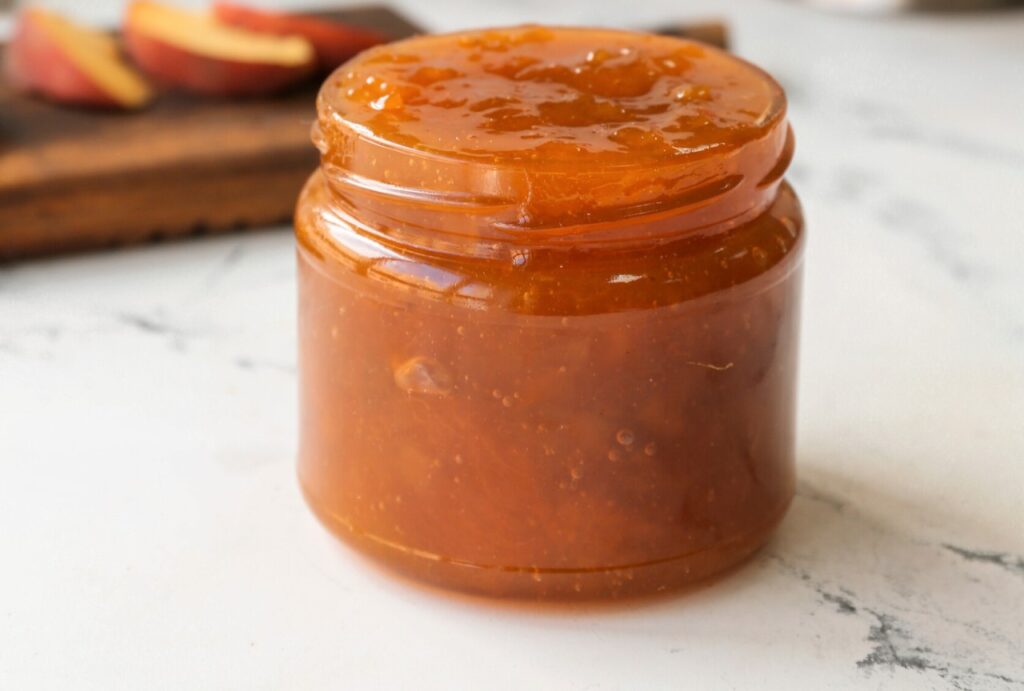
Bourbon peach glaze draws on familiar Southern flavor pairings. Ripe peach delivers soft, rounded sweetness, while bourbon contributes caramel, oak, and gentle warmth. Together they create a fragrant, slightly sticky coating that clings well to ribs and pork.
The glaze adds shine and a sense of indulgence. Its fruit-and-spirit profile pairs naturally with charred edges, enhancing caramelization while giving grilled meats a polished finish that feels comforting and rich.
Yet the jam-like sweetness can overshadow subtle smoke and spice rub detail. Instead of highlighting tang and slow-cooked depth, fruit and sugar often take center stage, softening the traditional backbone of barbecue sauce.
8. Maple Jalapeño
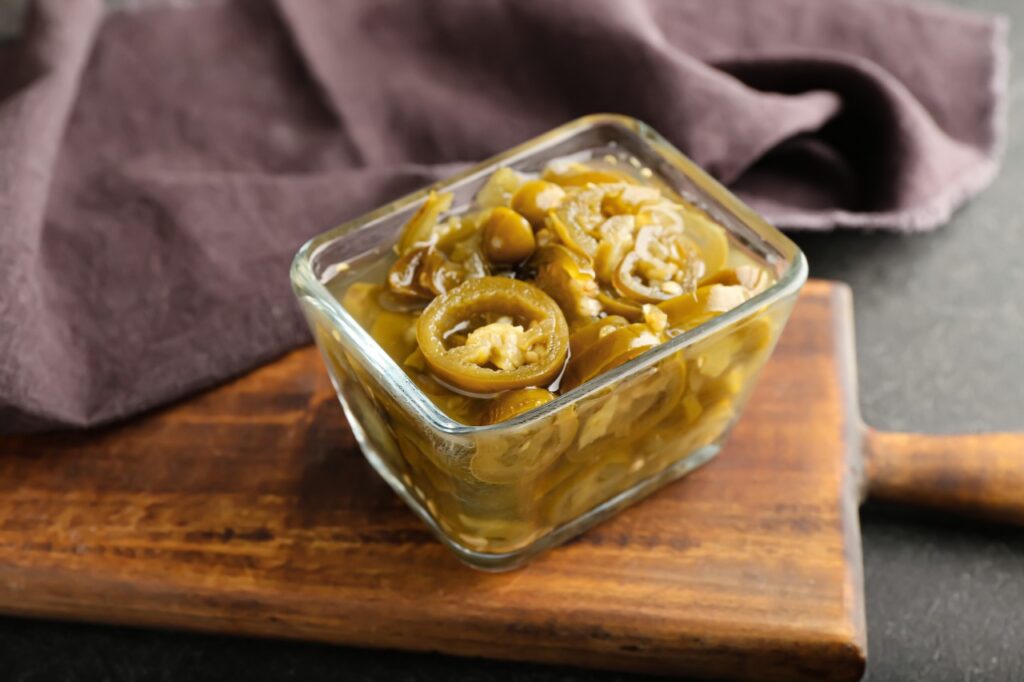
Maple jalapeño blends earthy sweetness with fresh green heat. Maple syrup provides body and a woody depth, while jalapeño adds lively spice that feels bright rather than sharp. The result is balanced and approachable.
It complements pork and roasted meats especially well, supporting caramelization without overpowering natural flavors. The sweetness feels rounded and smooth, making it appealing to a wide range of diners.
However, maple’s syrupy weight can mute vinegar tang and smoky edges. On heavily smoked cuts, the flavor may lean toward sweet richness, shifting away from bold pit-driven character.
9. Sweet Thai Chili BBQ Fusion
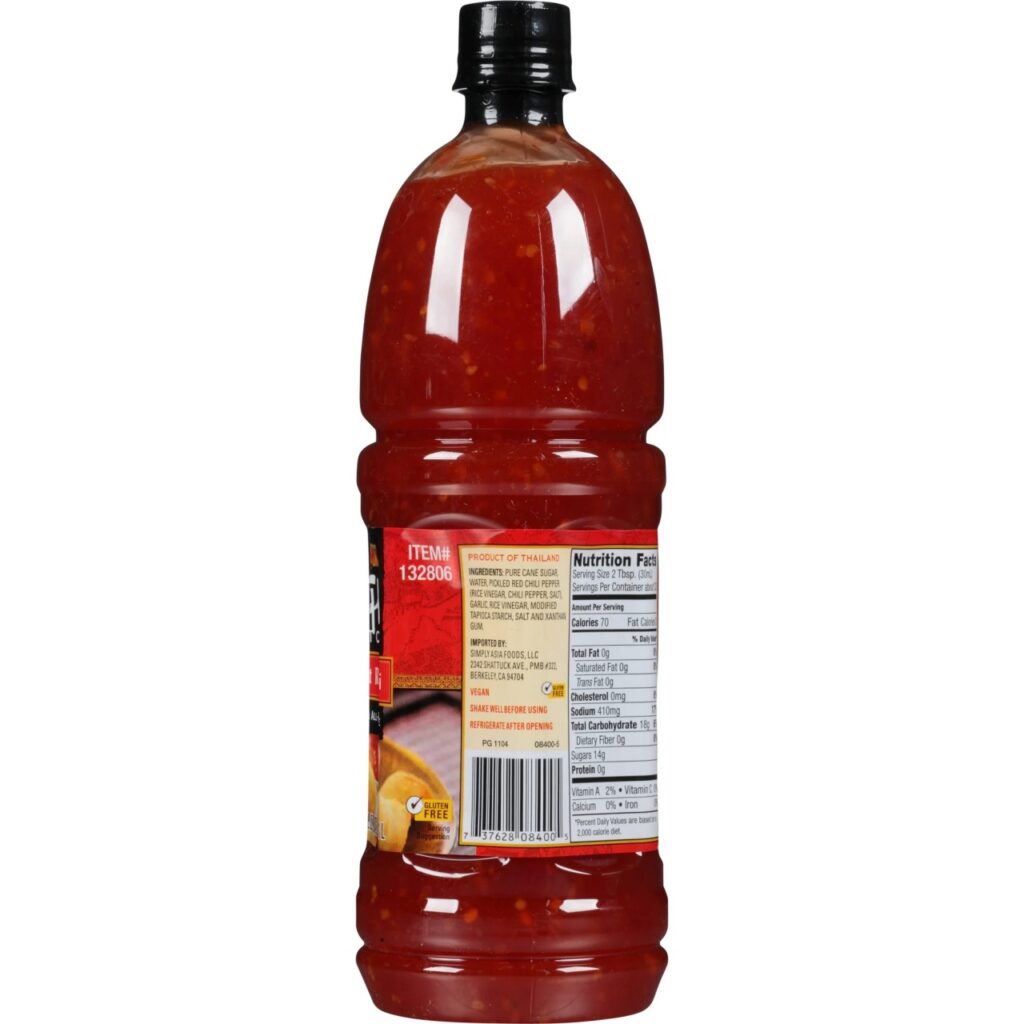
Sweet Thai chili sauce delivers garlic, mild heat, and a thick sugary base that instantly coats grilled meats. When blended with barbecue elements, it creates a glossy glaze that clings tightly to ribs, chicken, or pork and provides quick, noticeable sweetness.
Its wide familiarity makes it easy to market. The gentle spice level appeals to diners who want bold flavor without intense heat, which explains its steady presence on modern fusion menus.
However, the sugar-forward structure can mute deeper molasses richness and wood smoke. Instead of layered tang and slow-cooked depth, the flavor leans toward bright sweet heat, narrowing traditional barbecue complexity.
10. Ghost Pepper Honey Glaze

Ghost pepper honey glaze is crafted for intensity. Honey rounds the edges of the pepper’s sharp heat, but the capsaicin remains strong and persistent, delivering a slow-building burn that lingers well after each bite. The sweetness makes the spice more approachable at first, but the heat steadily takes control.
This style of sauce appeals to diners who actively seek bold, high-impact flavors. It turns simple grilled meats into attention-grabbing items that emphasize heat as the main attraction.
Yet when spice becomes dominant, subtle elements fade. Smoke, vinegar tang, and layered seasoning can recede behind the burn, narrowing the balanced depth that traditional barbecue relies on.
11. Tamarind Chili Sauce
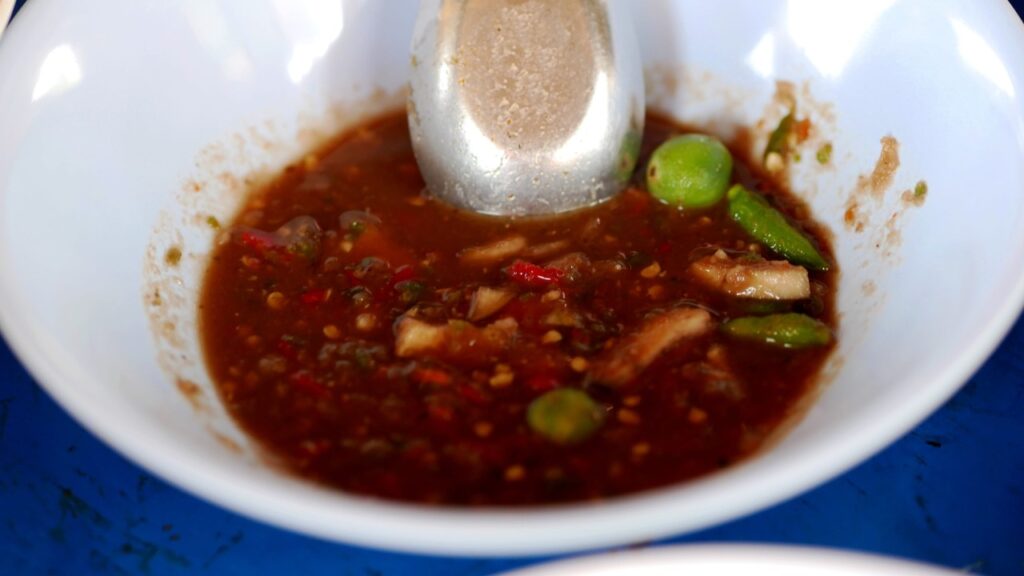
Tamarind chili sauce introduces a tart fruit acidity that feels darker and deeper than citrus. Combined with chili heat, it creates a tangy, sweet, lightly spicy blend that brings global influence to grilled and smoked meats.
Its sharp profile cuts cleanly through fatty pork and ribs, adding contrast that brightens heavier cuts. The sour-sweet balance provides lift and keeps each bite from feeling overly rich.
However, that pronounced tang can shift focus away from tomato and vinegar bases. The flavor often leans toward fruity brightness, reducing the smoky sweetness central to classic barbecue tradition.
12. Cola-Infused Chili Sauce
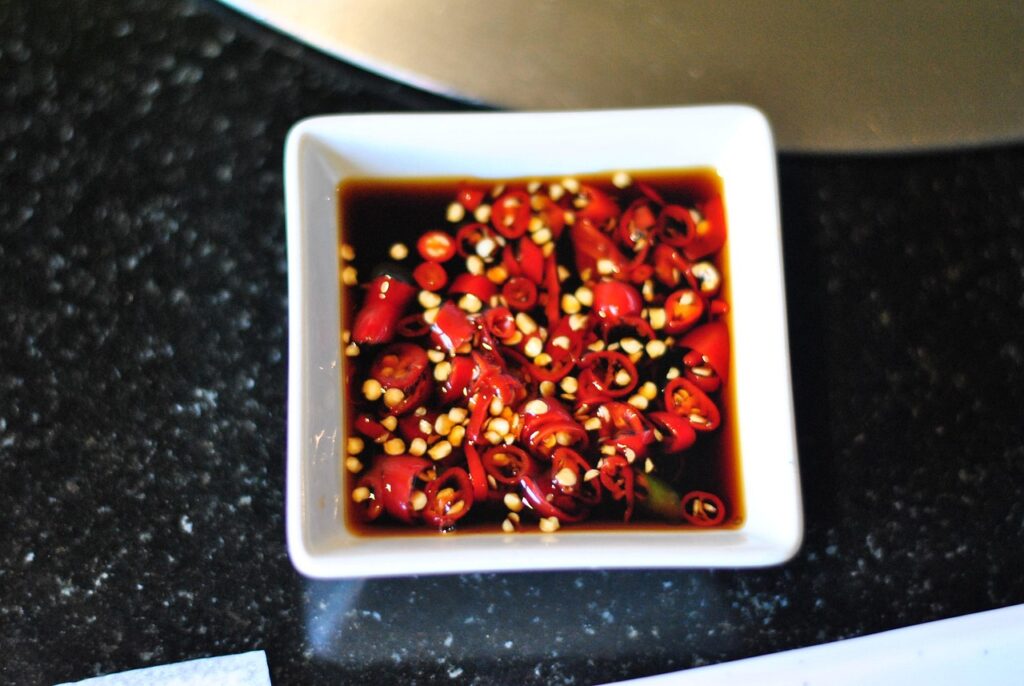
Cola-infused chili sauce builds flavor from caramel sweetness and mild acidity. When reduced, cola thickens into a glossy glaze that clings well to brisket and ribs, deepening surface caramelization and shine.
The nostalgic sweetness complements charred edges and grilled aromas, offering quick depth without complex preparation. Its familiar profile makes it accessible and easy to pair with a range of meats.
Still, the sugary foundation can compete with wood smoke and vinegar bite. The overall balance may tilt toward caramel richness, softening the savory structure that defines traditional barbecue flavor.