11 Discontinued Veggie Sides Chains Quietly Removed

There was a time when fast food menus offered more than just fries and onion rings. Steamed vegetables, crisp salads, and lighter sides quietly shared space beside burgers and sandwiches, giving customers small but meaningful choices.
Over time, many of those veggie sides disappeared. Rising food costs, labor demands, storage limits, and shifting customer preferences pushed chains to simplify menus and focus on higher-selling items. The changes were gradual, often unnoticed at first.
What remains is a menu that feels familiar but slimmer in variety. Looking back at these discontinued vegetable sides reveals how economics and demand slowly reshaped what we’re offered at the counter.
1. Broccoli Spears with Cheese Dip
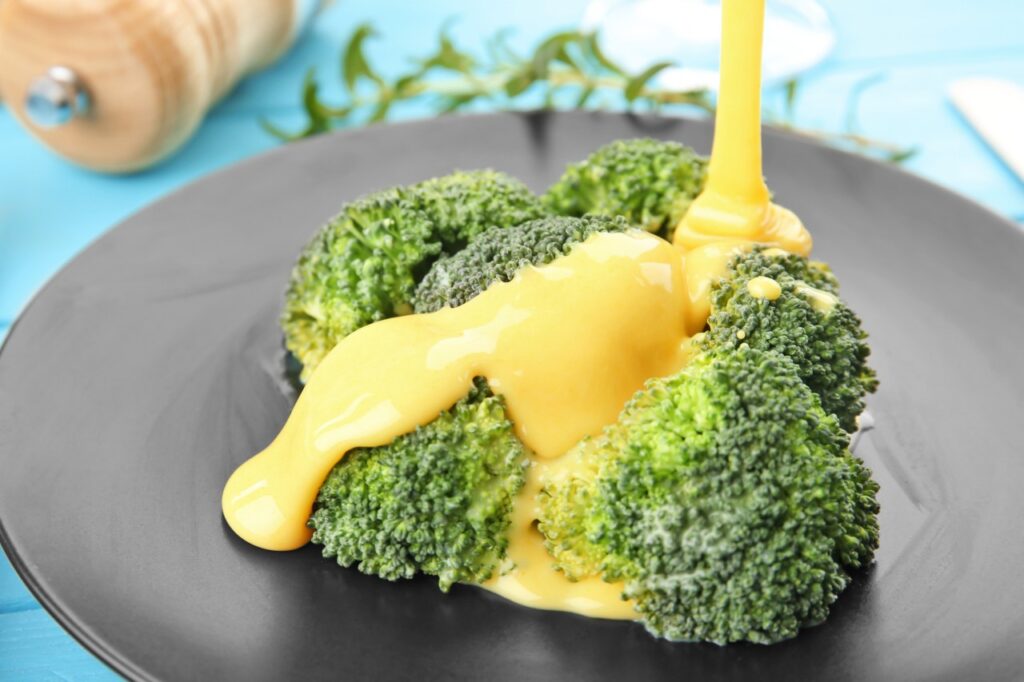
What felt like a small, sensible swap of steamed broccoli with a mild cheese dip quietly vanished from many menus. Once marketed as a healthier side, it required careful blanching, strict temperature control, and a stable sauce that met food safety standards.
From an operations view, broccoli rarely matched the sales of fries. Fresh florets spoil quickly, require labor to prep and cool, and create waste if orders slow. Frozen potato sides are easier to store and more predictable in demand.
Customers noticed the loss of choice, but chains focused on margin and turnover. Where broccoli remains, it is often limited in time or priced higher to offset handling costs.
2. Garden Side Salad with Croutons
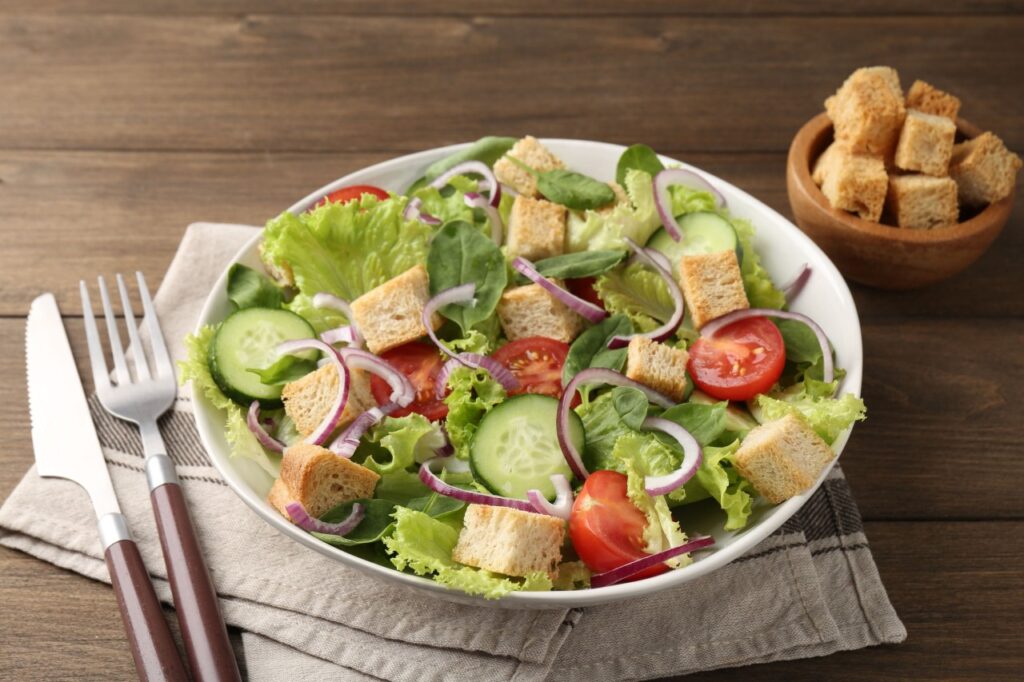
A simple garden salad once signaled freshness beside burgers and sandwiches. Lettuce, chopped vegetables, and croutons seemed easy to manage, yet keeping greens crisp and dressings safe requires constant rotation and careful storage.
Greens wilt quickly, toppings lose texture, and spoilage raises costs. Guests willing to pay for salads often expect added protein or specialty ingredients, which made the basic side less profitable.
Many chains upgraded to full entrée salads or removed the side version entirely. Lighter choices shifted toward larger, higher margin bowls rather than low priced add ons.
3. Carrot and Celery Dippers
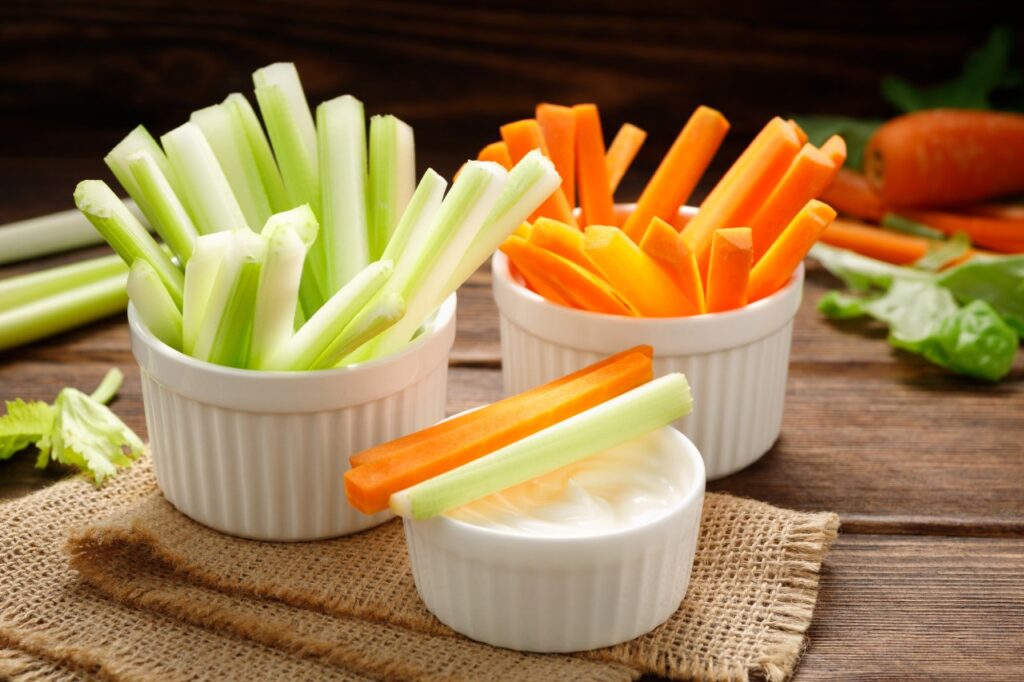
Carrot and celery sticks were once common in kids meals and sandwich combos as a lighter alternative to fries. They provided crunch, low calories, and a simple pairing with ranch or hummus. For a time, they helped chains signal balance on otherwise indulgent menus.
Raw produce, however, requires washing, cutting, strict cold storage, and careful rotation. Once prepared, the sticks have a short shelf life and can increase waste when demand slows. Fries and snack items consistently outsold them.
As customer preferences leaned toward more indulgent sides, these dippers disappeared from many menus. They remain mostly in health focused concepts where fresh produce supports the overall brand promise.
4. Steamed Mixed Vegetables
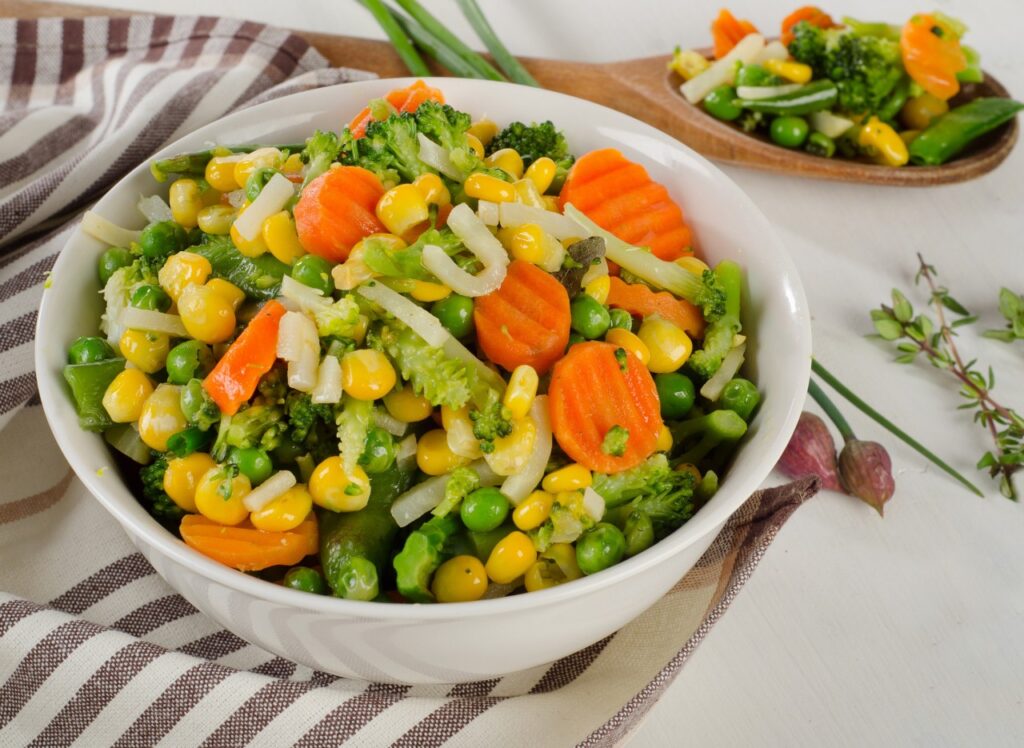
Steamed mixed vegetables once sat quietly beside burgers and grilled mains as a practical alternative to fried sides. A simple blend of broccoli, carrots, and cauliflower offered warmth without added fat or heavy seasoning. The concept was straightforward and balanced.
At scale, however, steaming requires equipment space, strict timing, and careful holding to avoid overcooking. Pale or soggy vegetables reduce visual appeal and hurt perceived freshness. Sales often lagged behind higher margin starches.
When demand remained low, operators shifted toward faster moving options. Today, steamed vegetables appear mainly in seasonal or health focused menus where pricing helps cover added labor and waste.
5. Green Beans with Almonds
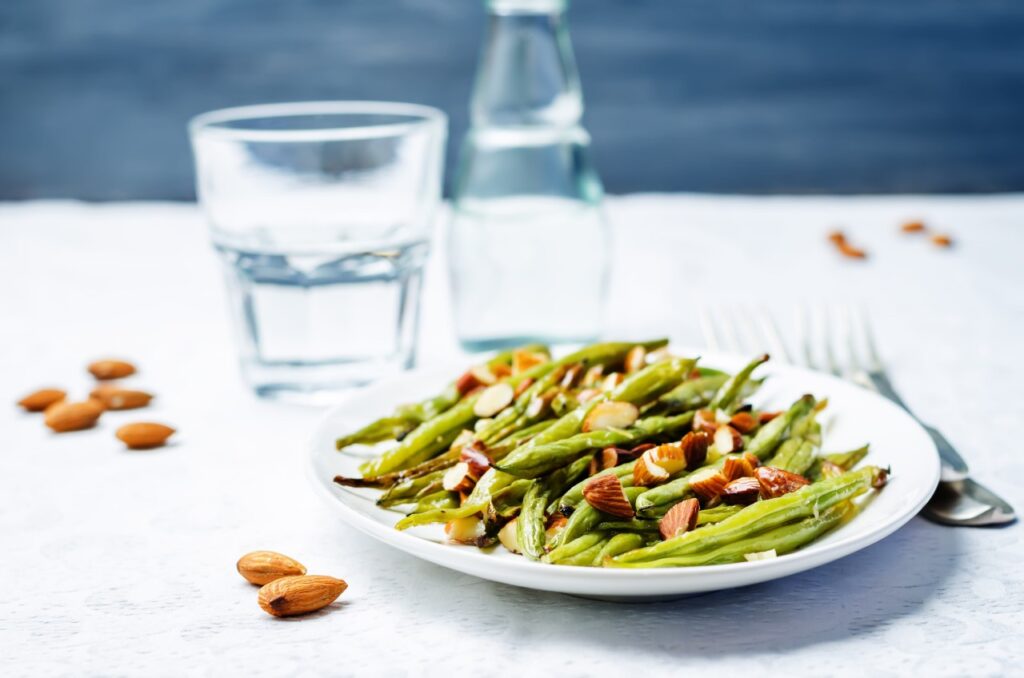
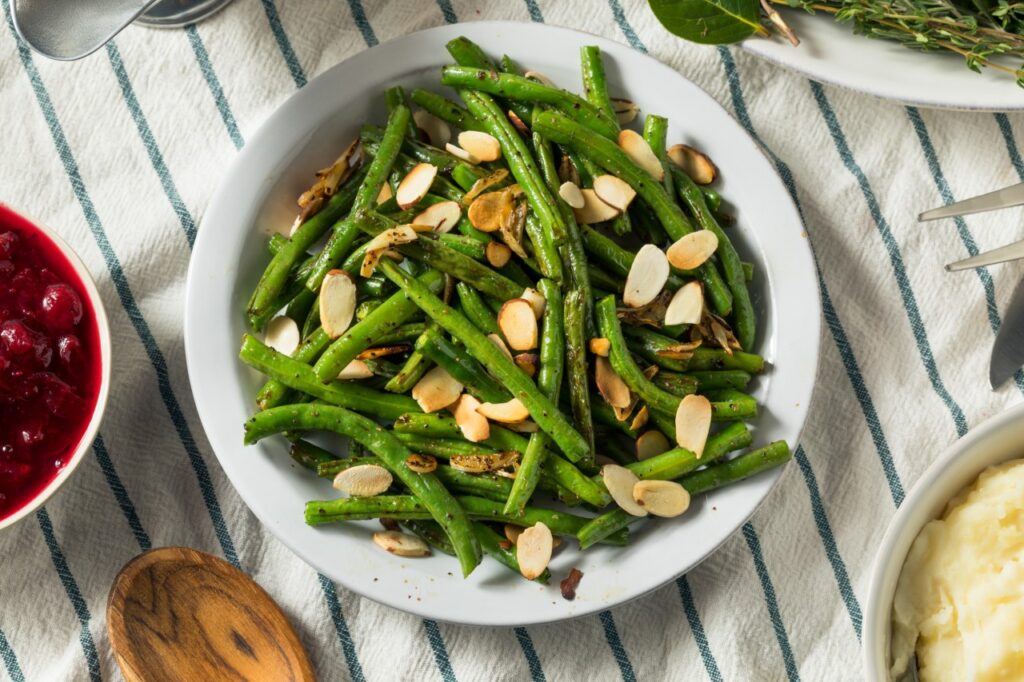
Green beans with toasted almonds carried a slightly upscale feel on casual chain menus. Preparing them meant blanching the beans to preserve their snap and color, then toasting sliced almonds to add nutty flavor and texture. The dish appeared simple but required steady attention.
That preparation increased labor costs compared with fries or mashed potatoes. Almonds also introduced allergy considerations in family oriented settings. Seasonal supply and spoilage risk added further pressure to inventory planning.
As menus streamlined and efficiency became a priority, many operators removed the side. Today it appears more often in regional or higher end casual restaurants that can justify the added preparation.
6. Roasted Brussels Sprouts

Roasted Brussels sprouts gained popularity as vegetable trends shifted toward deeper, caramelized flavors. When cooked well, they offer crisp edges and a firm bite that appeals to diners seeking something beyond standard steamed sides.
Consistency at scale requires oven capacity, batch control, and close monitoring during busy service. Overcrowding pans or holding too long can quickly dull texture and flavor. Customer interest also remains divided, which increases unpredictability and waste.
For many large chains, the labor and uneven demand made sprouts difficult to sustain. They now appear more often as seasonal features or in premium concepts rather than permanent everyday sides.
7. Corn on the Cob Plain
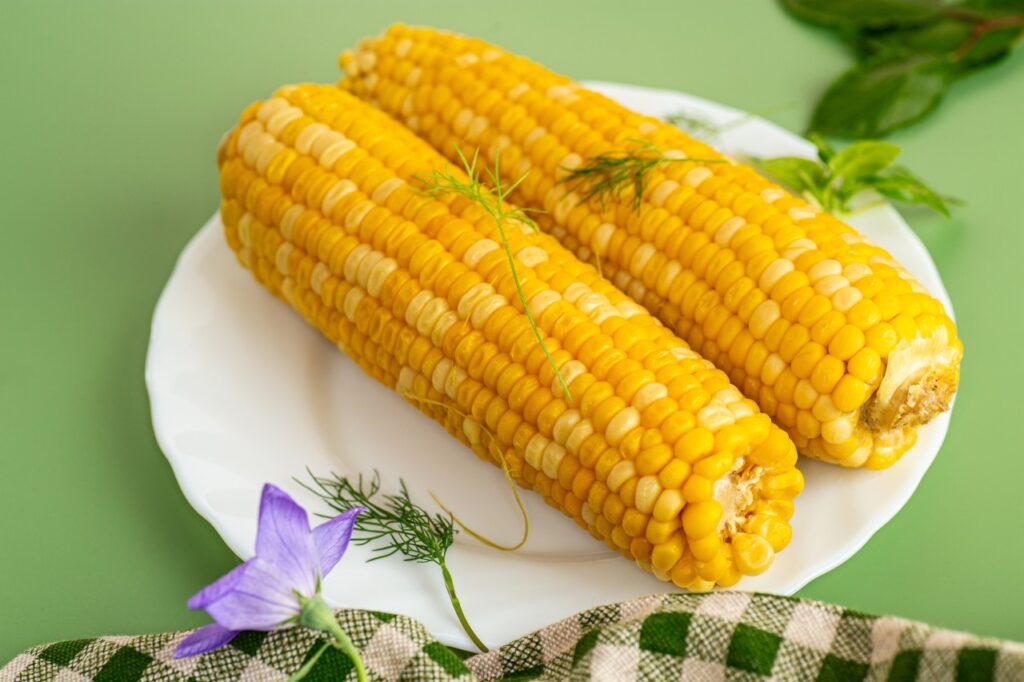
Plain corn on the cob sounds straightforward, yet serving whole cobs requires cooking space, holding equipment, and packaging that prevents messy service. It also competes with flavored versions that appear more premium or visually appealing.
Corn quality shifts with season and sourcing, and frozen substitutes rarely match fresh texture. Because plain cobs carry lower price points, they often deliver less profit than enhanced or specialty versions.
As chains tightened menus, plain corn was gradually reduced or removed. It remains more common in regional barbecue outlets or limited seasonal offerings tied to fresh harvest availability.
8. Cucumber and Tomato Medley
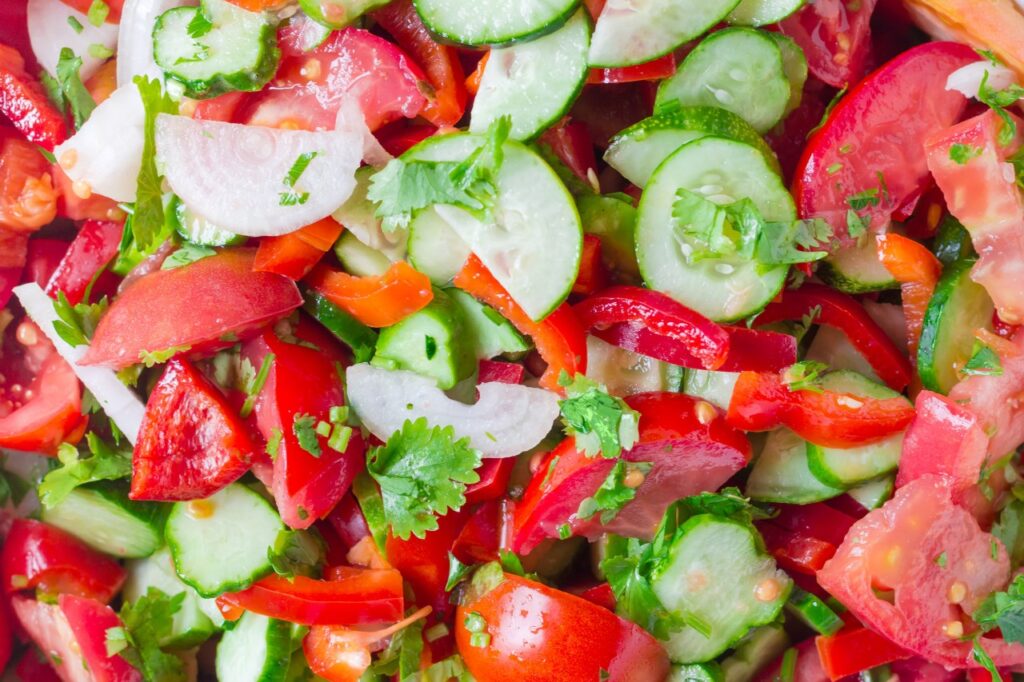
Cucumber and tomato medleys once offered a crisp, cooling contrast to heavier entrées. The ingredients seemed simple, yet freshly chopped produce requires thorough washing, rapid chilling, and tight rotation to preserve texture and food safety standards.
Because both vegetables release moisture quickly, shelf life is short once prepared. Strict cold storage and frequent prep cycles increase labor, while even slight quality decline affects appearance and flavor.
Sales often lagged behind more indulgent sides, making shrink harder to justify. Many chains replaced the medley with packaged salads or simpler items that reduced waste and improved service speed.
9. Sauteed Spinach
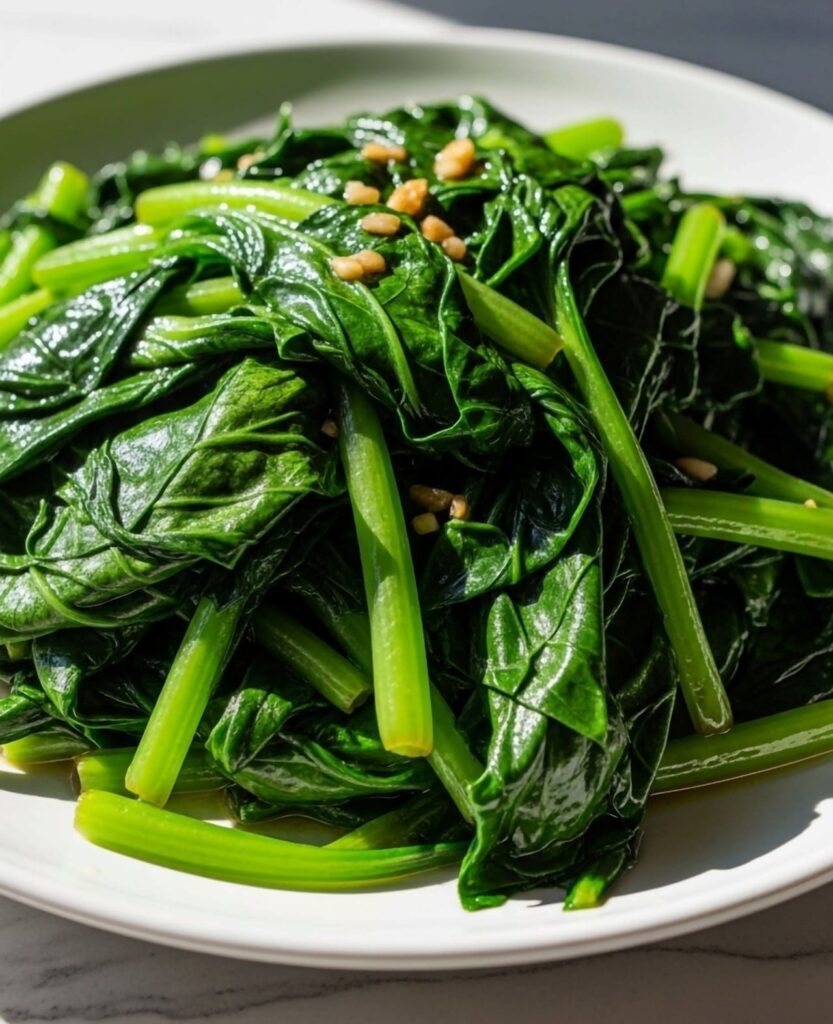
Sauteed spinach brought a nutritious, slightly refined option to quick service menus. However, spinach wilts rapidly and demands immediate serving or carefully managed hot holding to maintain color and texture.
Once cooked, the leaves shrink dramatically, reducing yield and raising cost per serving. Maintaining consistent seasoning and portion size across locations adds further operational pressure.
Customer demand for cooked greens in fast paced formats remained modest. Over time, many chains removed the item, reserving it for full service or premium concepts where pricing offsets preparation effort.
10. Zucchini Fries
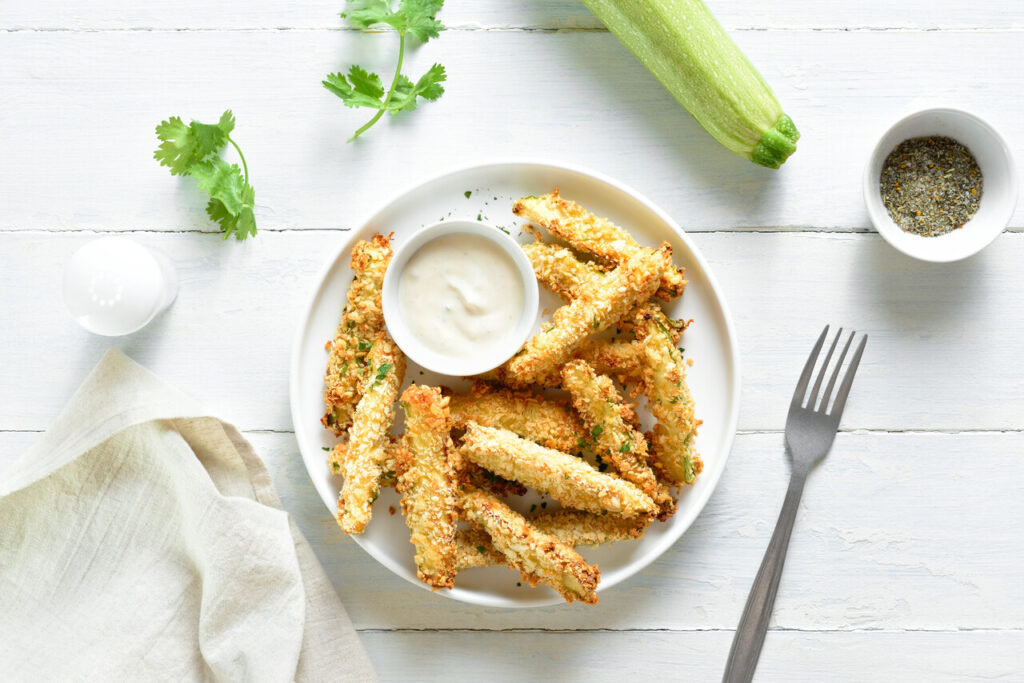
Zucchini fries entered menus as a lighter alternative to traditional potato fries. Their appeal centered on vegetable based comfort food, yet zucchini’s high moisture content complicates breading and frying consistency.
Without careful drying and coating, the crust softens quickly, especially during peak service. Maintaining crisp texture requires extra prep time and precise timing, which slows high volume kitchens.
Customer response proved uneven, with many diners preferring familiar potato fries. Added labor, spoilage risk, and inconsistent results led most chains to discontinue them as permanent sides.
11. Cauliflower Mash
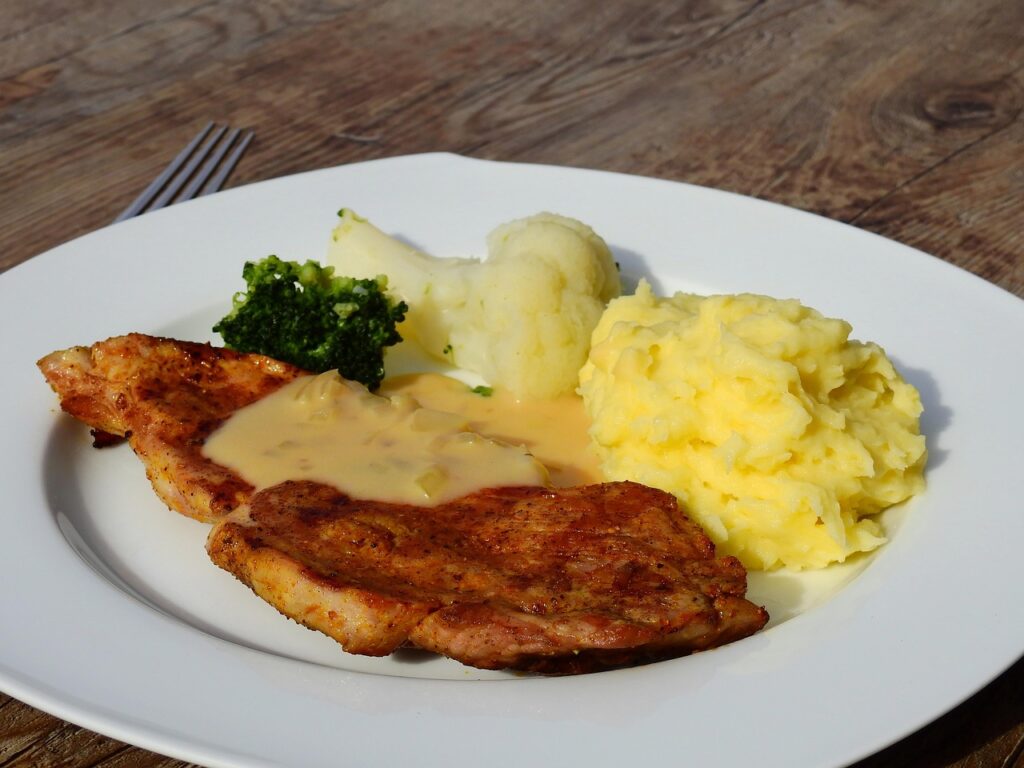
Cauliflower mash emerged as a lower carbohydrate substitute for mashed potatoes during growing interest in lighter menu options. Preparing it involves steaming and thorough blending to achieve a smooth, uniform texture.
To improve mouthfeel, additional ingredients such as butter or cream are often added, increasing cost per portion. Variations in blending and moisture levels can affect consistency across locations.
Despite initial curiosity, many customers continued choosing traditional mashed potatoes. Without strong repeat demand, cauliflower mash rarely remained permanent and now appears mainly in premium or health oriented menus.