12 Pea Protein Products Replacing Cheaper Staples

Pea protein has quietly taken over supermarket shelves. From pasta and pancakes to ice cream and snack chips, this once humble legume now appears in products that promise higher protein and plant-based appeal.
On the surface, it sounds like a simple upgrade. Add more protein, improve nutrition, and offer an alternative to traditional staples. But behind that shift lies a chain of processing, reformulation, and strategic pricing that transforms an inexpensive crop into a premium ingredient.
This list explores how pea protein products are replacing cheaper staples and why those changes often come with noticeably higher price tags at checkout.
1. Pea Protein Pasta
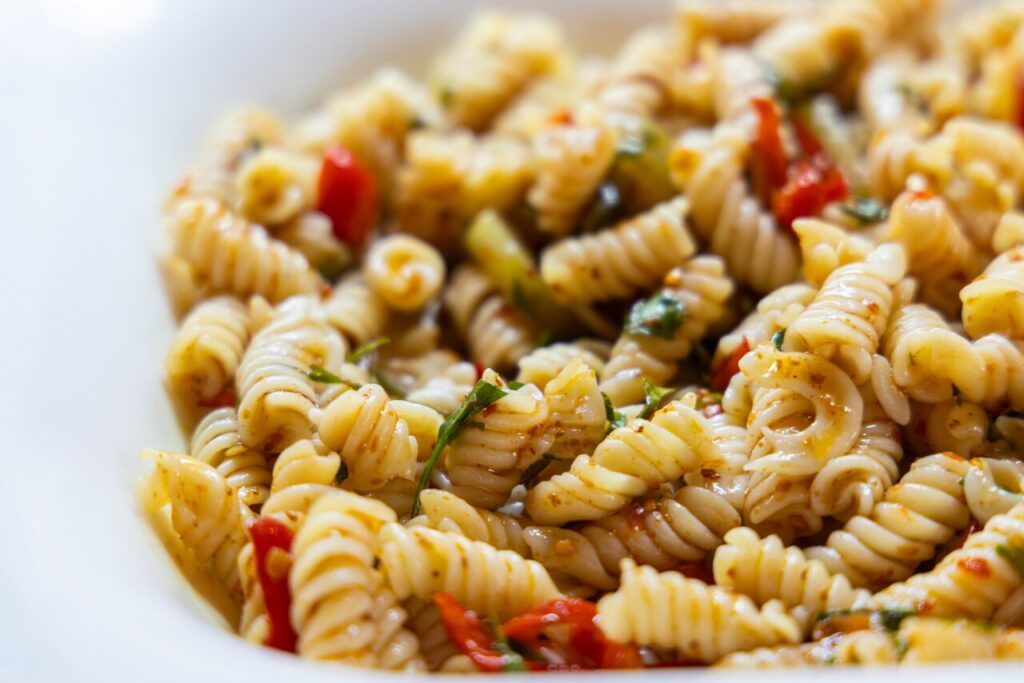
Pasta has long been one of the most affordable staples in the grocery aisle. Traditional dried pasta is made from durum wheat and water, ingredients that are inexpensive and efficient to produce at scale. Its cost reflects a streamlined process refined over time.
Pea protein pasta shifts that model. Manufacturers blend pea protein isolate with lentil or rice flour to raise protein content above standard wheat pasta. Producing the isolate requires separating starch and fiber from yellow peas, then drying the protein into powder.
This extra processing raises manufacturing costs. The product is marketed as high protein and gluten-free, supporting a higher shelf price. A low-cost legume becomes a premium pantry item positioned as a nutritional upgrade.
2. Plant-Based Burgers with Pea Protein
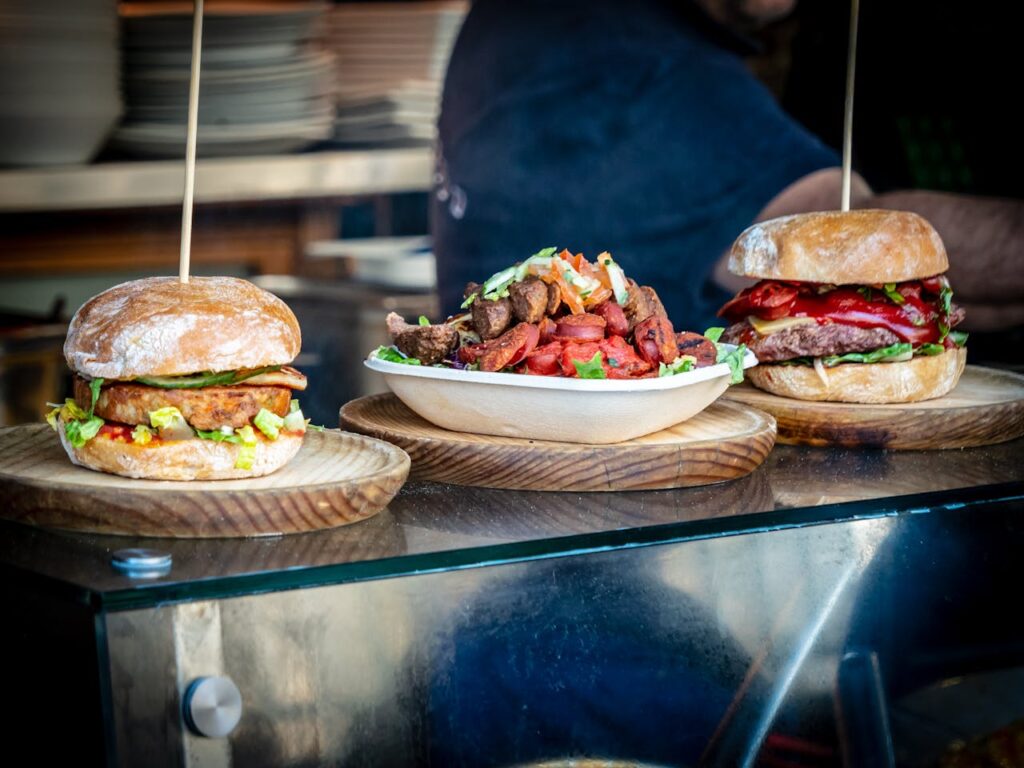
The modern plant-based burger is designed to mimic meat in texture, juiciness, and protein density. Pea protein isolate forms the core structure, binding with oils and flavorings to create a meat-like bite.
Compared to beef patties or simple bean burgers, these products require more processing. Extracting and refining pea protein involves specialized equipment and drying steps. Adding ingredients such as plant oils and binders increases complexity.
The final product is priced closer to premium meat than basic legumes. Although peas are inexpensive, isolating and reformulating their protein moves the burger into a higher margin category built on innovation rather than simplicity.
3. Pea Protein Breakfast Cereals
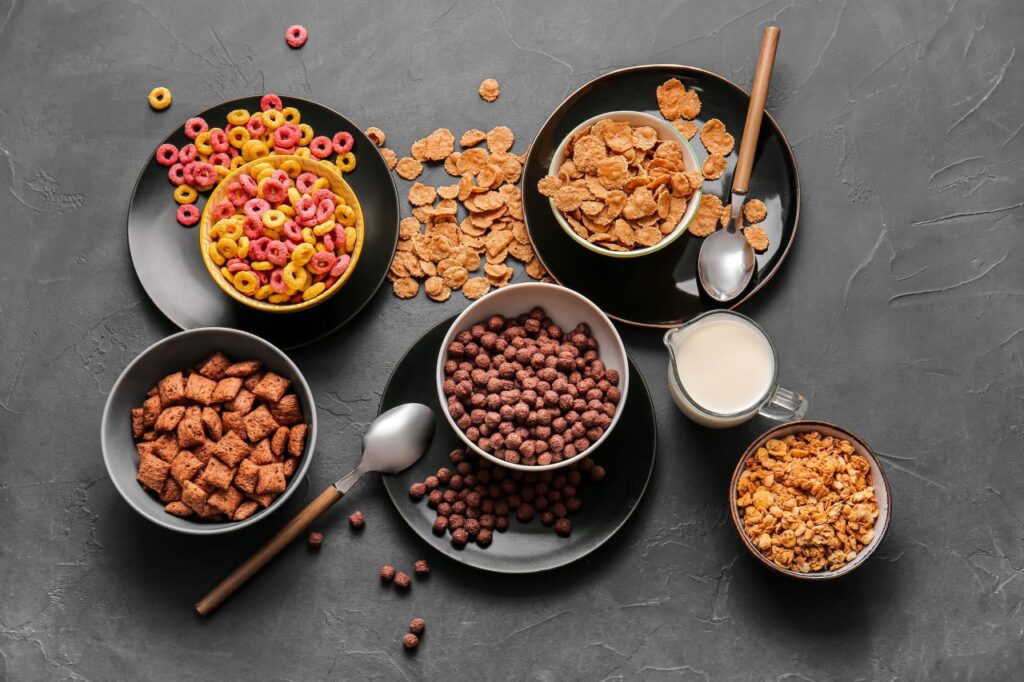
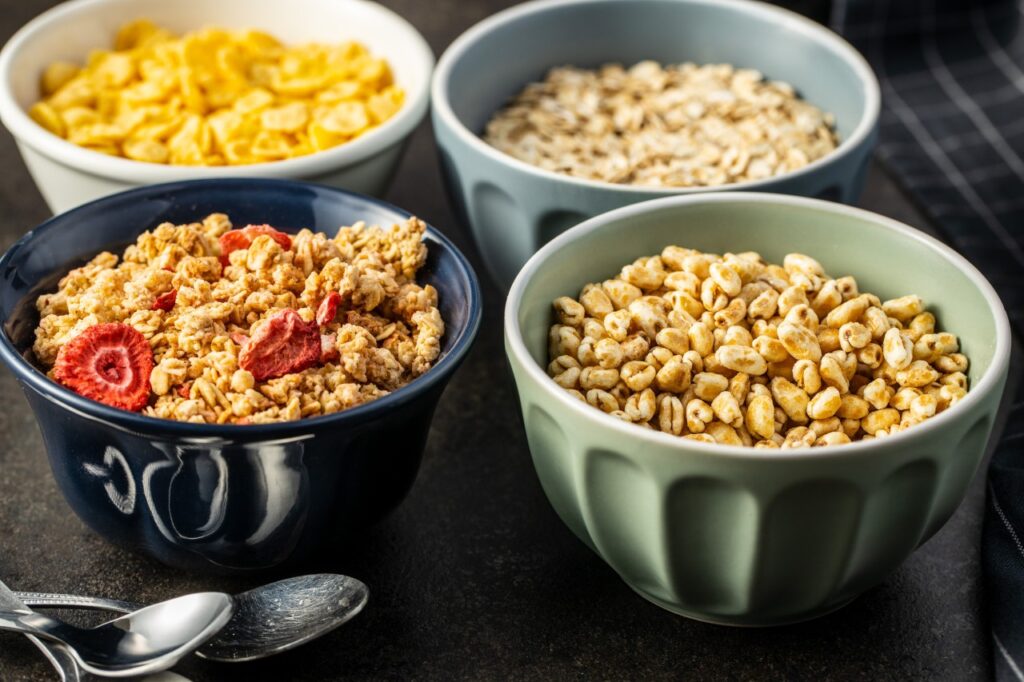
Breakfast cereal has historically relied on grains like corn, wheat, or oats, which are among the most economical crops available. Processing involves milling, cooking, shaping, and drying, keeping ingredient costs relatively predictable.
When pea protein concentrate is added, the product moves into a functional food segment. Protein claims on the front of the box often justify a higher price per serving. The isolate is blended into the grain base or sprayed onto formed pieces to increase protein numbers.
This enhancement raises production expenses and marketing value. Although the core cereal remains grain-based and inexpensive, the protein addition allows brands to reposition it as a performance-focused breakfast rather than a basic staple.
4. Pea Protein Snack Bars
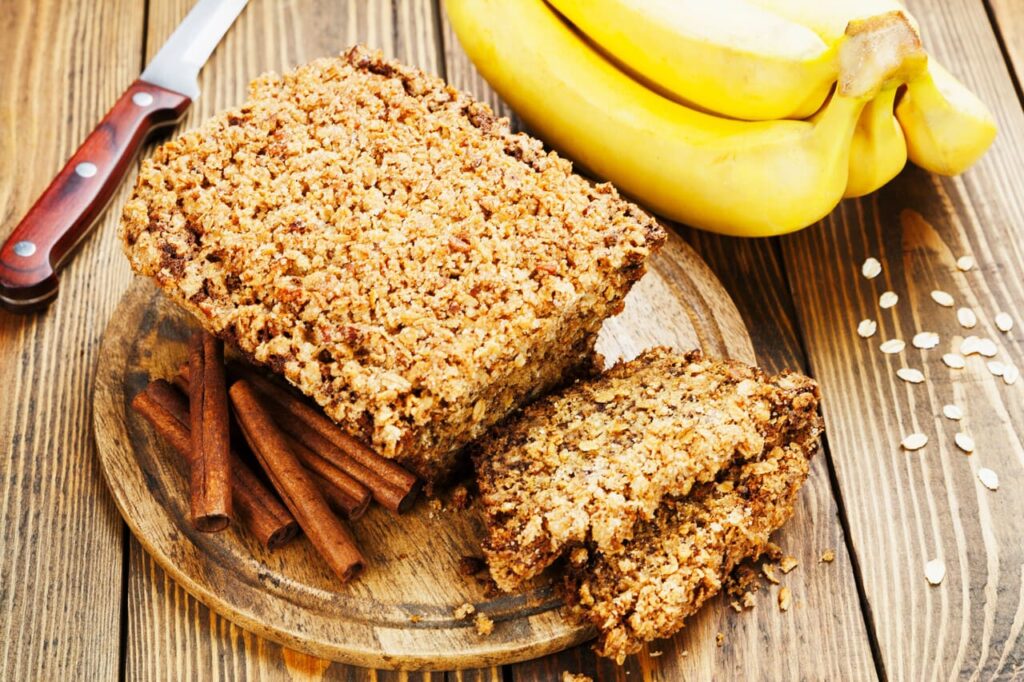
Snack bars once centered on oats, sugar syrups, and dried fruit. These ingredients are low-cost and shelf-stable. Their simplicity kept pricing accessible and production straightforward.
Protein bars using pea protein shift the formula. Isolates are combined with nut butters, sweeteners, and coatings to achieve dense texture and higher protein claims. The isolate must be carefully balanced to avoid chalkiness, which adds formulation cost.
The end product is marketed as fitness-oriented or plant-based. The protein headline supports premium pricing, even though the base ingredients remain modest. A simple grain snack becomes a higher-margin health product.
5. Dairy-Free Yogurt Alternatives with Pea Protein
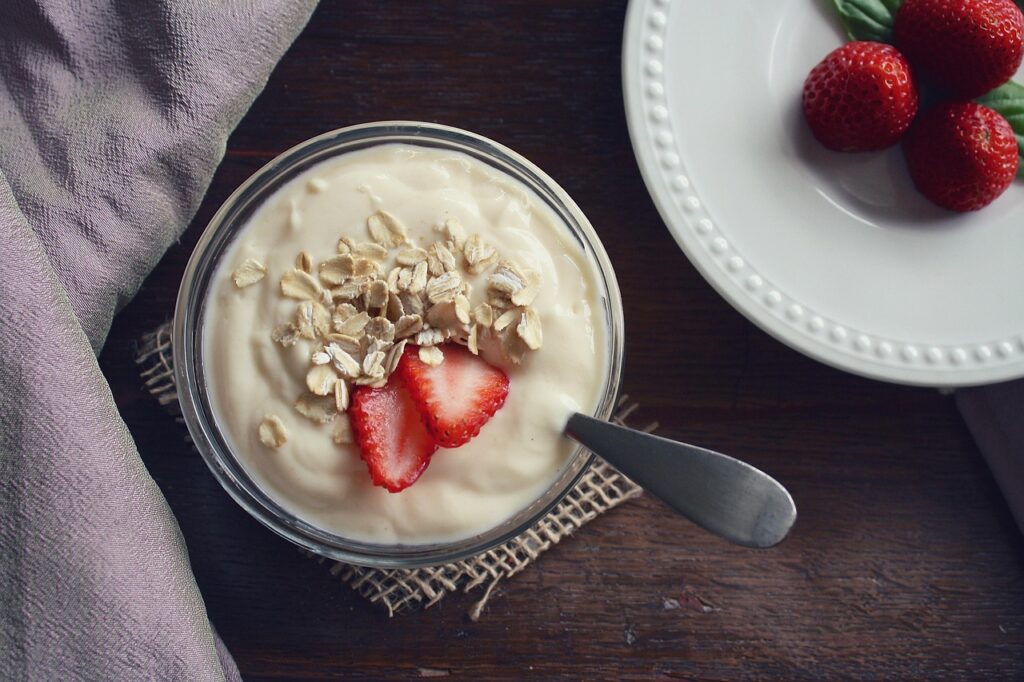
Traditional yogurt depends on milk fermentation. The process is well established, scalable, and cost-efficient in regions with strong dairy supply chains. Protein content naturally comes from milk solids.
Plant-based yogurt alternatives often use pea protein to raise protein levels closer to dairy equivalents. The isolate thickens the base and supports nutritional claims. Stabilizers and emulsifiers are frequently added to improve texture.
This layered formulation increases manufacturing complexity. While peas are affordable crops, isolating their protein and integrating it into a cultured product drives costs upward. The result is a premium refrigerated item positioned as both ethical and functional.
6. Pea Protein Milk Alternatives

Cow’s milk benefits from a mature infrastructure and economies of scale. Its protein content comes directly from milk solids without additional extraction steps.
Pea protein milk requires isolating protein from yellow peas, blending it with water, oils, and fortificants, and stabilizing the mixture to prevent separation. The processing chain is longer and more technical than the simple filtration and pasteurization of dairy milk.
Because it offers higher protein than many other plant milks, it is marketed as a superior alternative. That positioning supports a higher retail price compared to traditional milk or simpler grain-based beverages.
7. Frozen Meals Featuring Pea Protein

Frozen meals built on rice, vegetables, and beans are economical to produce. These staples are shelf-stable before freezing, widely available, and require limited processing beyond cooking and packaging. Their affordability has made them dependable weeknight options.
Introducing pea protein crumbles changes the equation. The isolate must be extracted, dried, and texturized to resemble ground meat. It is then flavored and stabilized to withstand freezing and reheating. Each step adds complexity and cost.
The finished entrée is positioned as high protein and plant-based, often priced above simple vegetable meals. While the base ingredients remain inexpensive, the protein addition raises both perception and margin
8. Pea Protein Baking Mixes
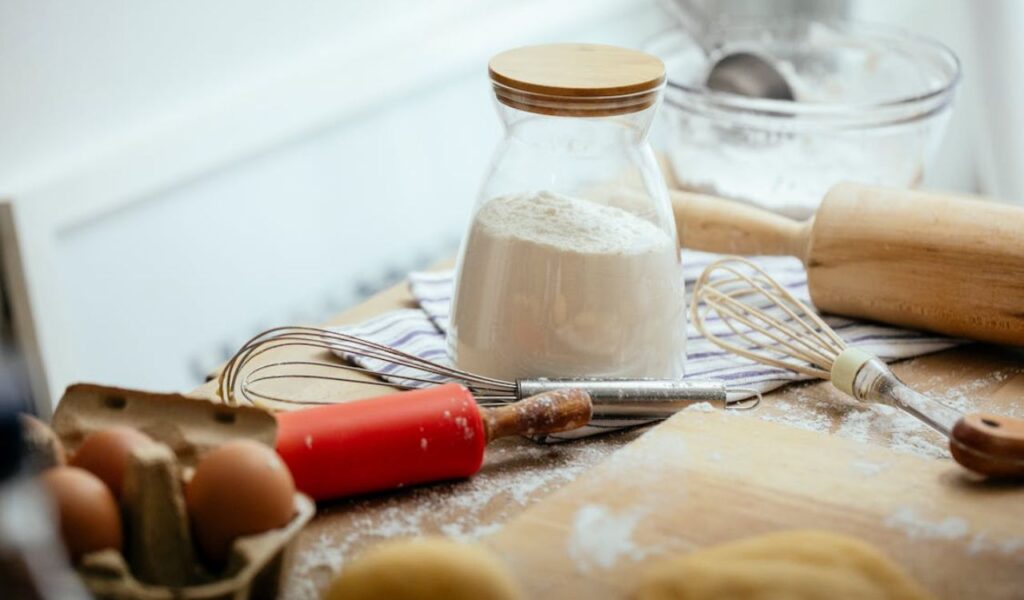
Classic baking mixes depend on flour, sugar, and leavening agents, ingredients that are low-cost and highly standardized. Production involves blending and packaging with minimal technical adjustments, keeping expenses predictable.
Adding pea protein powder shifts the formulation challenges. The isolate must be balanced carefully to preserve structure, moisture, and rise. Too much protein can produce dense or dry results, so additional testing and ingredient adjustments are required.
The protein claim allows brands to position the mix as fitness-focused or nutritionally enhanced. Although flour still dominates the ingredient list, the presence of pea protein supports a noticeably higher shelf price.
9. Pea Protein Ice Cream Alternatives
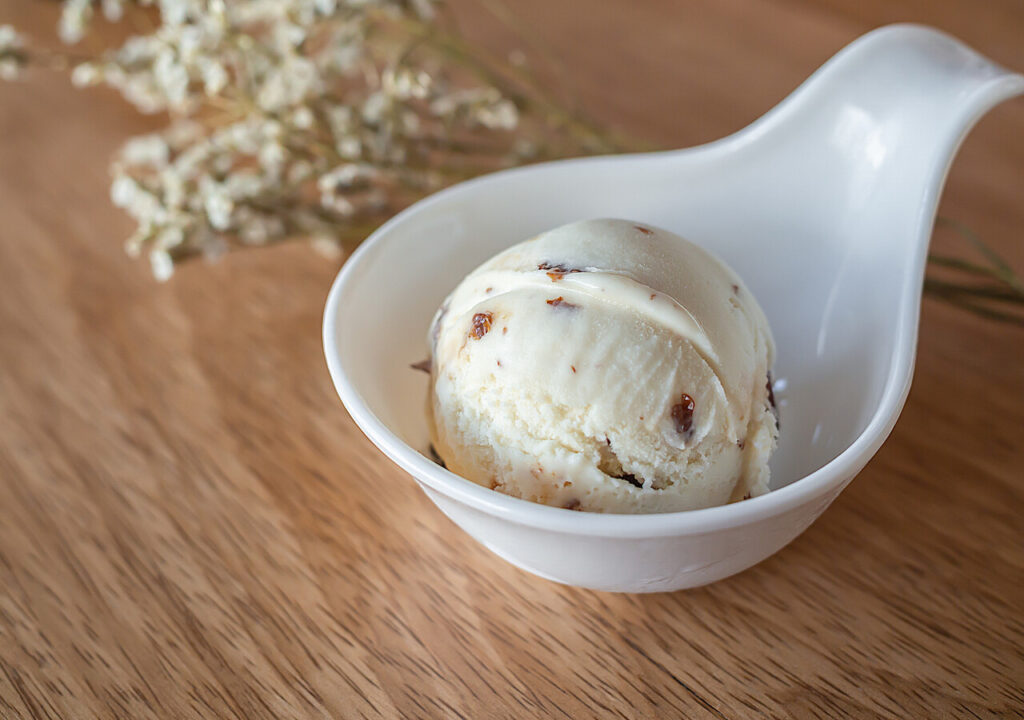
Traditional ice cream relies on milk fat and sugar for its creamy texture. Dairy supply chains are mature and efficient, making production costs relatively stable in many markets.
Pea protein ice cream alternatives attempt to replicate that creaminess without milk. The isolate contributes structure, while plant oils and stabilizers help mimic a smooth mouthfeel. Achieving the right balance requires careful formulation and added processing.
This layered approach increases the cost per unit. Marketed as both indulgent and plant-based, these frozen desserts often sell at a premium compared to standard dairy options, despite beginning with inexpensive legumes.
10. Pea Protein Smoothie Powders
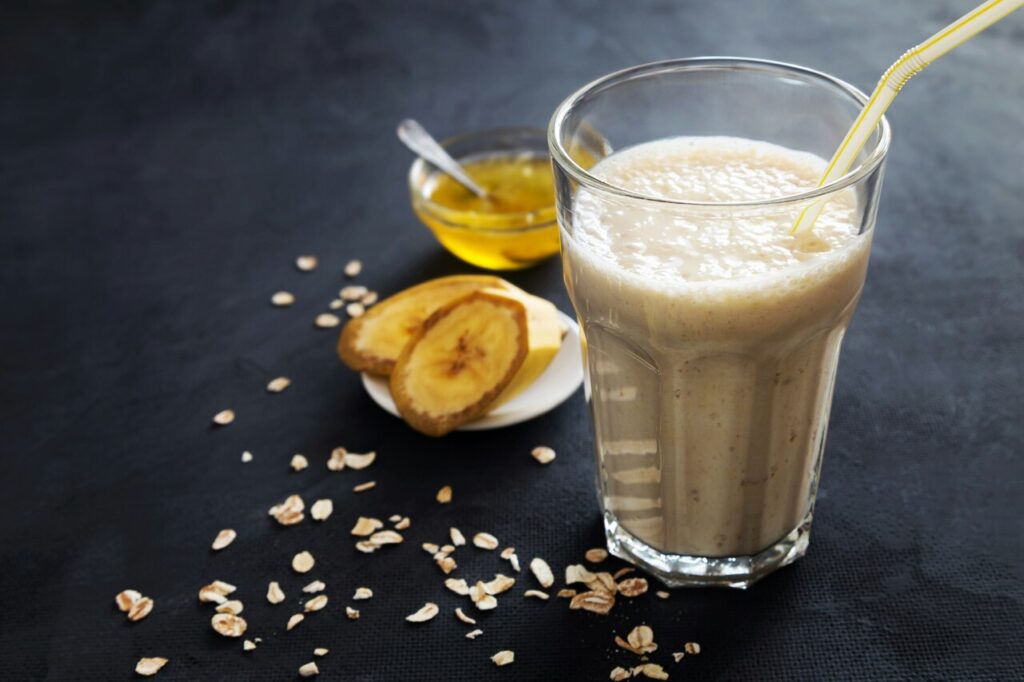
Blending fruit, milk, or yogurt at home is an affordable way to make a smoothie. Whole ingredients require minimal processing beyond washing or freezing. The cost mainly reflects the produce itself rather than complex manufacturing.
Pea protein powders start with yellow peas that undergo fractionation to separate starch and fiber from protein. The isolate is dried into powder, then blended with flavorings, sweeteners, and added vitamins to improve taste and nutrition. Each stage adds production expense.
The finished powder is marketed for convenience and high protein content. Single scoop servings seem efficient, yet the price per portion often exceeds that of fresh ingredients, reflecting processing and branding rather than raw crop cost.
11. High-Protein Instant Oatmeal with Pea Protein
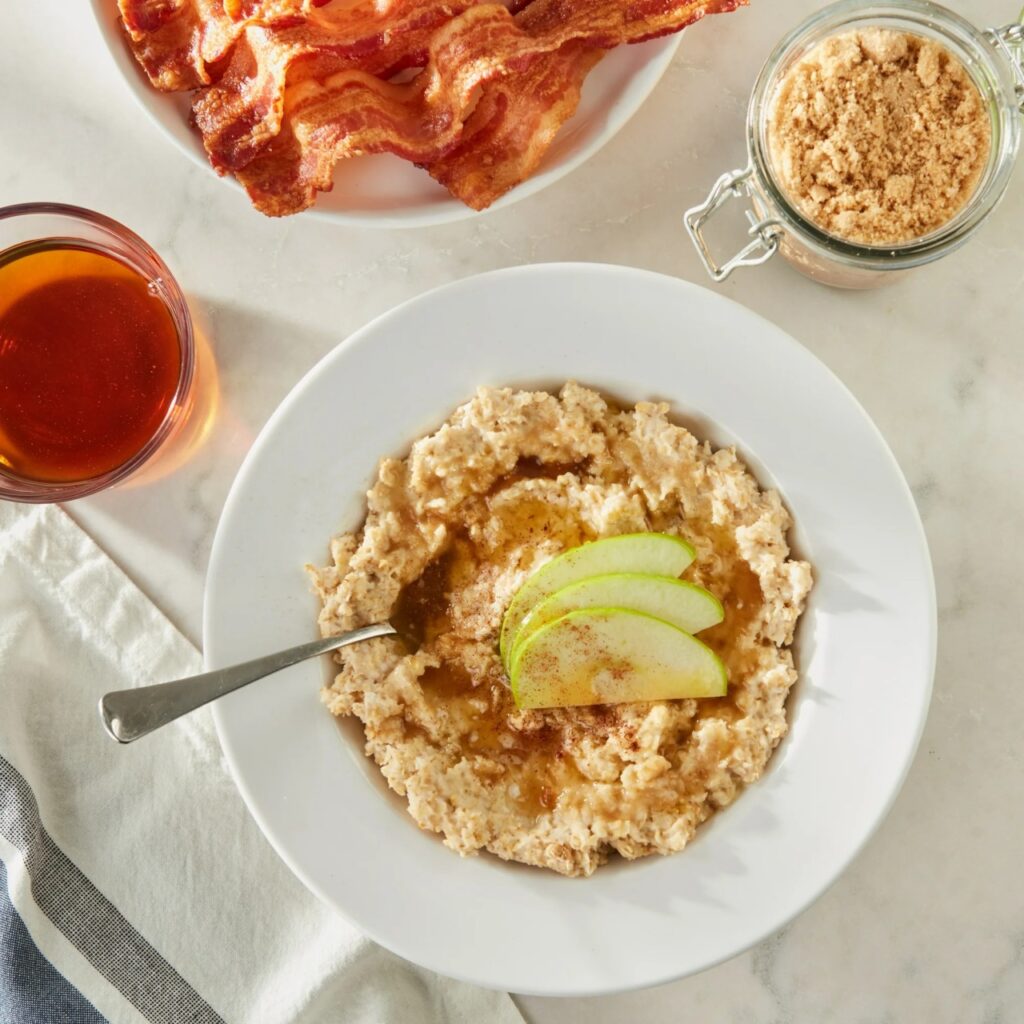
Oats have long been a low-cost, nutrient-dense grain. Instant oatmeal simply involves cutting, steaming, and rolling oats so they cook quickly in hot water. The process is efficient and relies on inexpensive raw materials.
Adding pea protein changes both formulation and positioning. The isolate must be evenly distributed to prevent clumping and maintain a smooth texture once hydrated. Balancing protein with flavor and sweetness often requires additional ingredient adjustments.
This enhancement moves the product into a functional breakfast category. While oats remain the primary component, the protein claim supports a higher retail price than standard instant packets, shifting a basic staple into a performance-focused option.
12. Pea Protein Chips and Crisps
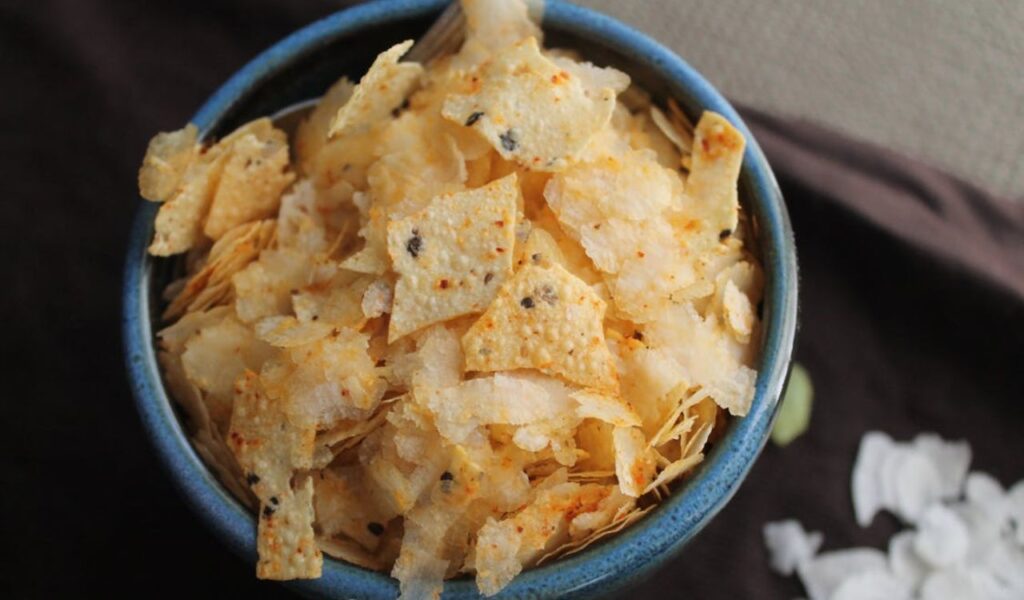
Traditional potato chips rely on sliced potatoes and oil, processed through large-scale frying systems that have been refined for decades. Raw material costs are relatively low, and production methods are highly efficient.
Protein chips made with pea protein flour or isolate require extrusion equipment to shape and cook the dough under controlled heat and pressure. The protein content affects texture, requiring precise moisture and temperature management.
Marketed as higher-protein snacks, these crisps carry price tags above standard chips. Although the original legume source is inexpensive, the added processing, formulation, and health positioning allow manufacturers to command a premium.