8 Snack Launches That Were Everywhere Then Suddenly Nowhere

Snack history is full of bold ideas that seem unstoppable at first. A new product launches, shelves fill up overnight, and suddenly everyone is talking about it. For a while, it feels like the snack will be around forever.
But the snack world moves fast. Trends shift, shoppers lose interest, and even wildly popular products can disappear almost overnight. One year, they dominate grocery aisles, and the next, they are gone without much explanation.
From quirky experiments to once-beloved treats, these snack launches created huge buzz before quietly fading away. Yet for many people, the memory of them is just as strong as the taste itself.
1. Planters Cheez Balls
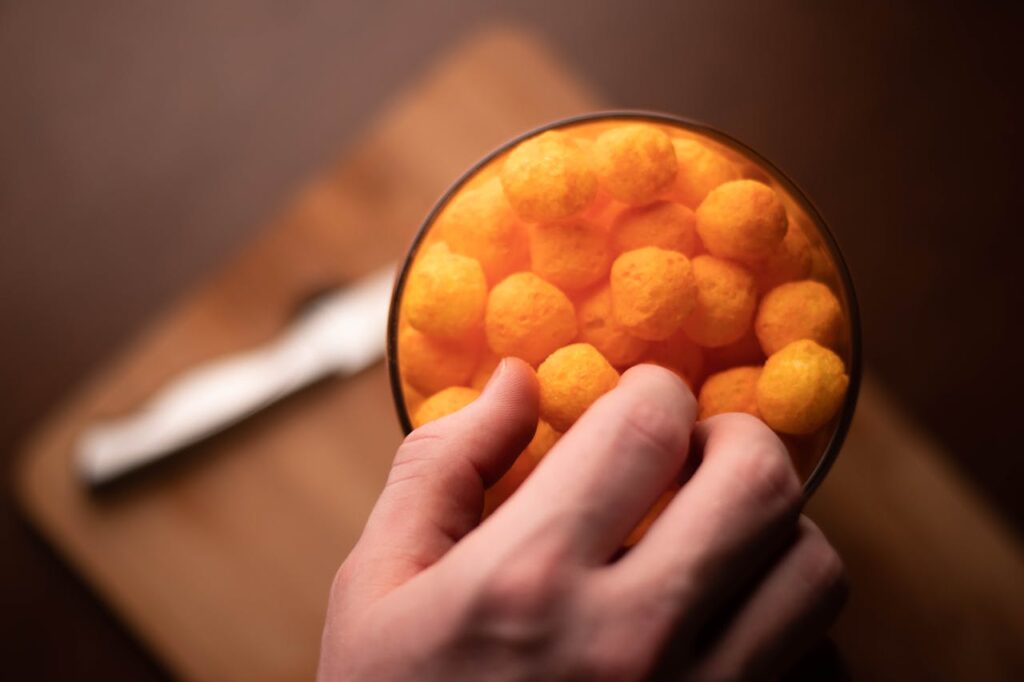
Few snacks captured cheesy indulgence quite like Planters Cheez Balls. Packed inside a bright blue canister, these airy orange spheres delivered a burst of salty cheese flavor that coated your fingers with bright orange dust.
The snack gained popularity through the 1990s and early 2000s, when bold flavors and convenient foods filled grocery aisles. The resealable canister made them easy to store and share, helping them become a common party snack and after-school favorite.
Then in 2006, they suddenly disappeared from store shelves as companies shifted product lines and snack trends began to change. Fans continued asking for their return for years until the brand finally revived them in limited runs more than a decade later.
2. Doritos 3D
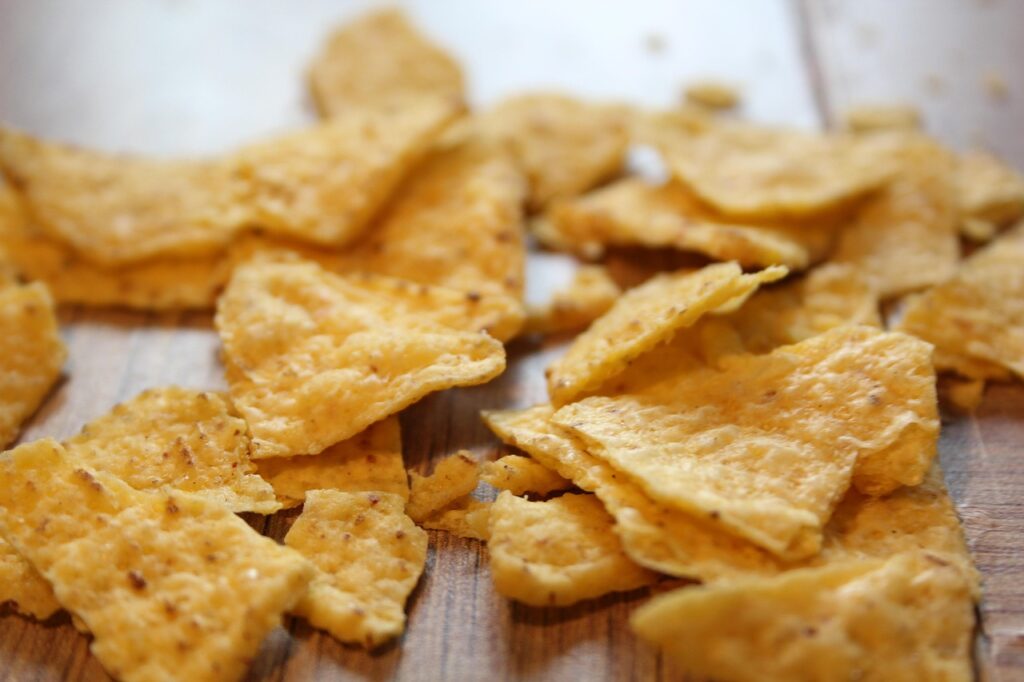
Doritos has always experimented with bold ideas, and Doritos 3D pushed that creativity further than most snacks. Instead of the usual flat tortilla chips, these snacks were puffed into hollow shells that looked like tiny crunchy pillows.
Introduced in 1998, the unusual shape made the snack feel fresh and playful. Flavors like Nacho Cheese and Zesty Ranch helped the puffed chips quickly gain attention, especially among teenagers who enjoyed their airy crunch.
But the novelty did not last forever. By 2004, the product quietly disappeared from store shelves as the brand shifted toward other chip ideas. Still, the unusual shape and texture remain memorable for many people who tried them during their short run.
3. Butterfinger BB’s
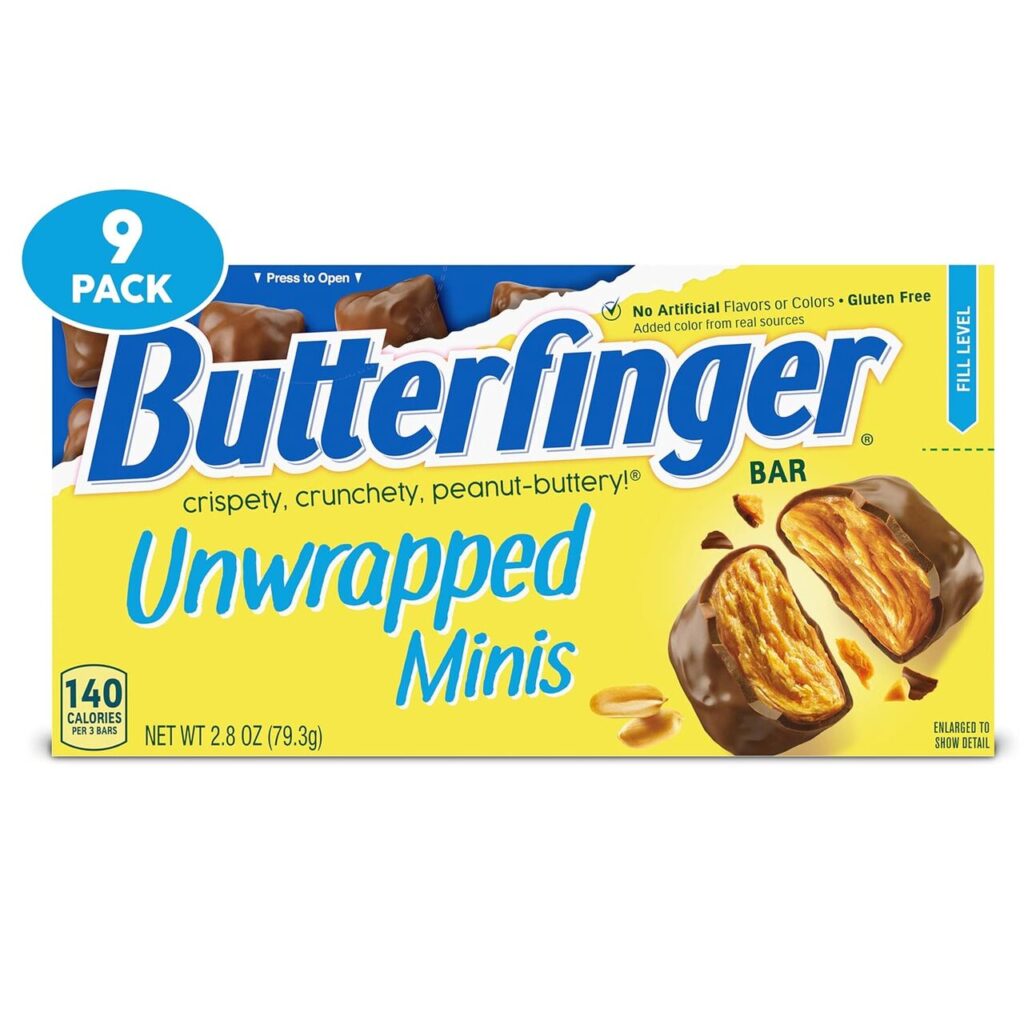
Butterfinger BB’s turned a famous candy bar into a bite-sized snack that was easy to enjoy by the handful. Each small chocolate ball contained the familiar crispy peanut-butter center that made Butterfinger well-known.
The candy was launched in 1992 and quickly gained attention thanks to strong marketing and its connection to characters like Bart Simpson. Many fans enjoyed the smaller format because it delivered the same crunchy flavor without opening a full candy bar.
Despite the early success, the product disappeared from shelves in 2006. Declining sales and production challenges were often mentioned as possible reasons. Even today, many candy fans still remember Butterfinger BB’s as a fun twist on the classic treat.
4. Hershey’s Swoops
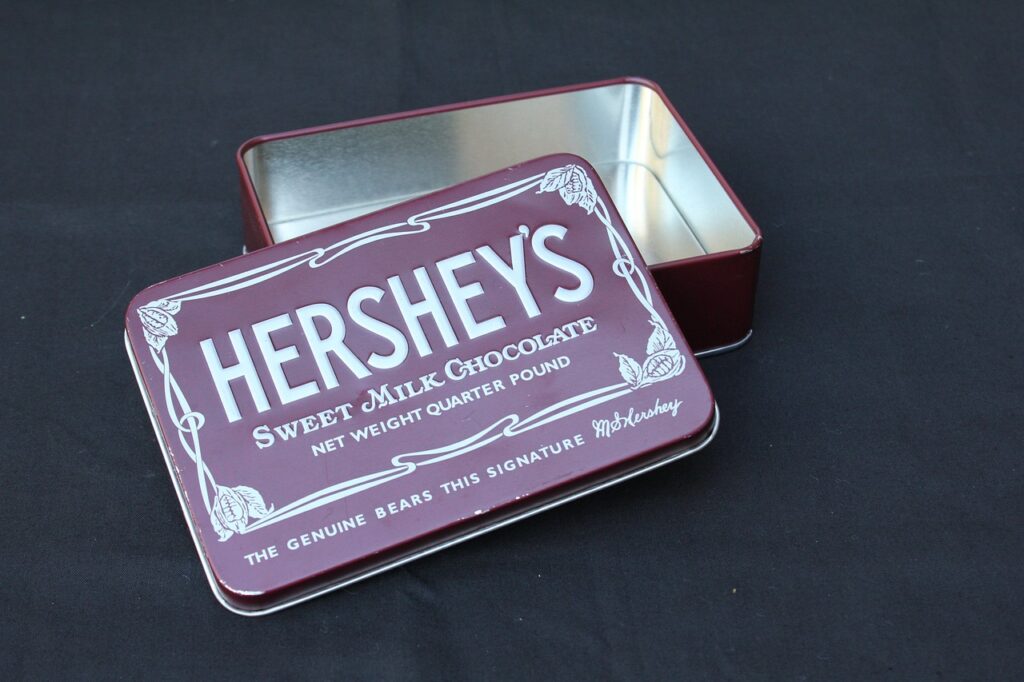
Hershey’s Swoops tried to reinvent how people eat chocolate. Instead of a traditional bar, the candy came as thin, curved slices shaped like potato chips, designed to be eaten one piece at a time like a snack.
When it launched in 2003, the unusual shape immediately caught shoppers’ attention. Several flavors were released using popular Hershey brands, including Reese’s and Almond Joy, which helped the product stand out on store shelves.
Still, the idea struggled to gain lasting traction. Many customers felt the concept was confusing, especially since the package often contained less chocolate than a standard candy bar. Within just a few years, Hershey discontinued the product, and the unusual chocolate chips faded from the market.
5. Cheetos Lip Balm
Cheetos Lip Balm sounded like a joke, yet it was a real product inspired by the famous cheese snack. The balm promised lips that carried the flavor of cheddar, leaning heavily into the playful and sometimes bizarre personality of the Cheetos brand.
The product was mainly designed to generate curiosity and conversation. Turning a snack flavor into a cosmetic item created attention and helped the brand show its humorous side.
However, the novelty faded quickly. While many people found the idea funny, very few wanted cheese-flavored lip balm as part of their everyday routine. Without strong demand, the quirky item quietly disappeared and became one of the strangest snack tie-ins ever created.
6. PepsiCo WOW! Chips
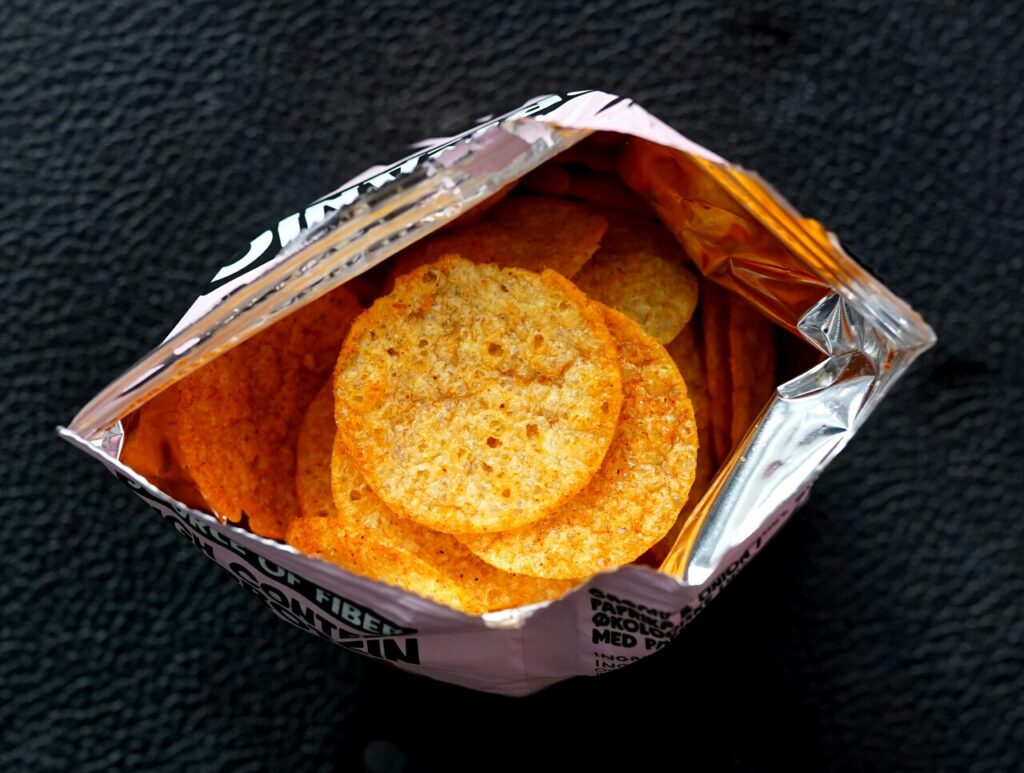
WOW! Chips arrived with a promise that sounded revolutionary. They were marketed as fat-free potato chips, allowing people to enjoy a familiar snack without the usual fat content that came with fried chips.
The secret behind the product was Olestra, a fat substitute designed to pass through the body without being absorbed. When the chips launched in 1998, they generated huge attention and quickly became one of the most talked-about snack products on the market.
Soon after, controversy followed. Some consumers reported digestive discomfort linked to the ingredient, which led to warning labels on packaging. Public trust declined rapidly, sales dropped, and the once-popular snack gradually disappeared from shelves.
7. Oreo O’s Cereal
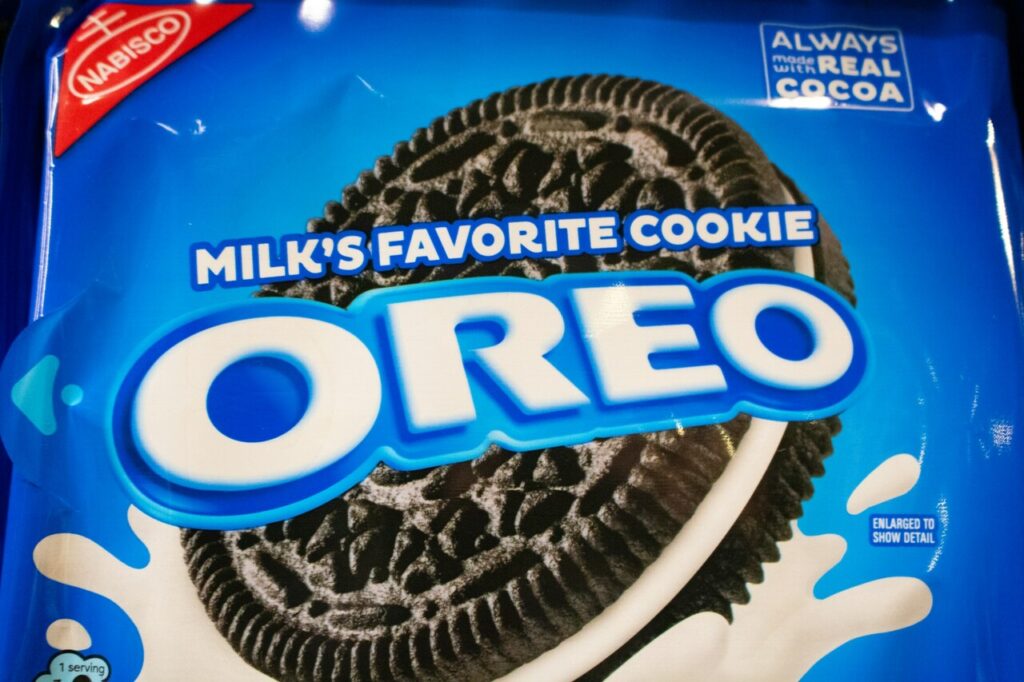
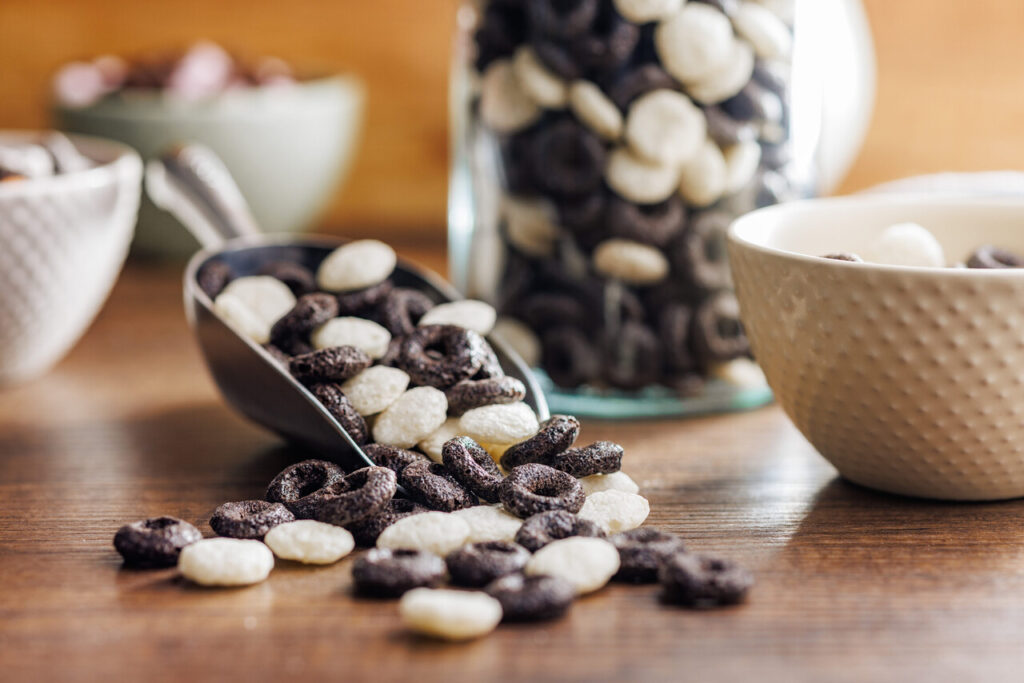
Oreo O’s blurred the line between breakfast cereal and dessert. The cereal was created to mimic the flavor of the famous Oreo cookie, delivering crunchy chocolate-flavored O-shaped pieces with hints of the cookie’s creamy center.
When it debuted in 1997, it quickly gained popularity among kids who loved the idea of eating something that tasted like cookies for breakfast. The strong Oreo brand name helped the cereal stand out in crowded supermarket aisles.
However, the cereal vanished from many markets in 2007 due to licensing complications between the companies involved in producing it. Without a shared agreement, production stopped even though the cereal still had a loyal fan base.
8. Crystal Pepsi
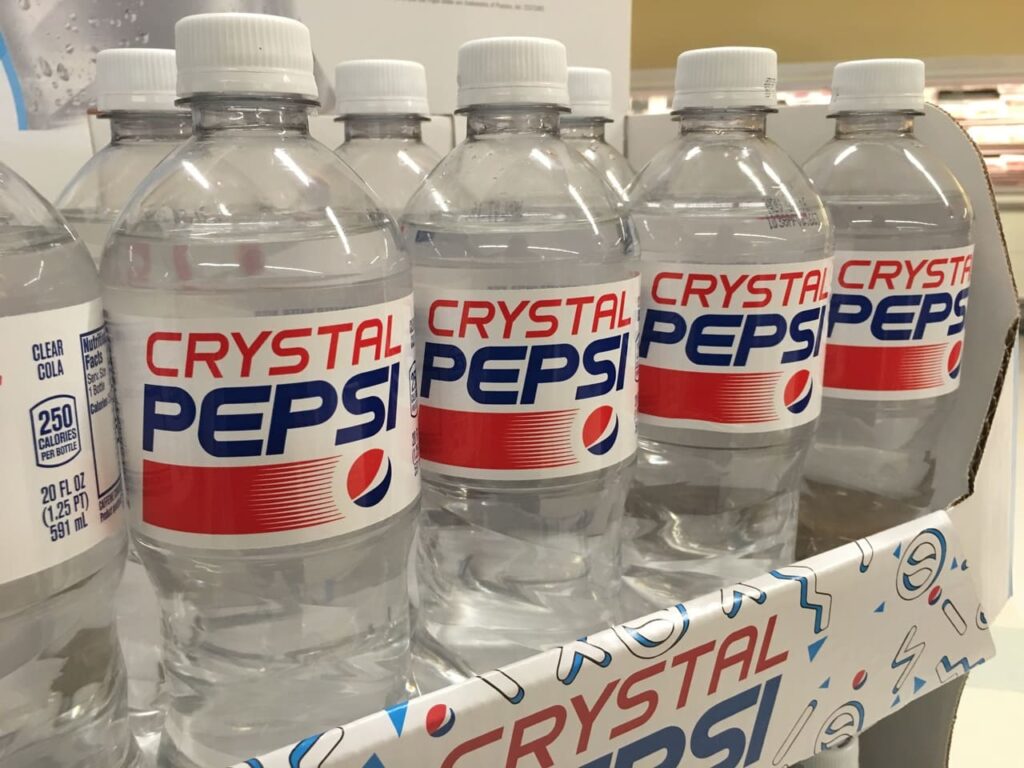
Crystal Pepsi looked unlike any cola before it. Instead of the familiar dark brown color, the drink was completely clear, making it resemble sparkling water even though it was meant to taste like a cola.
Released in 1992, the beverage was part of a broader trend that emphasized purity and transparency in food products. The unusual look immediately attracted curiosity, and strong marketing campaigns helped it gain early attention.
But the appearance created confusion. Many consumers expected a lighter or citrus-style drink because of the clear color, yet the flavor remained similar to cola. That mismatch hurt repeat purchases, and within a few years, the once-buzzed-about soda disappeared from store shelves.