11 Chemicals in U.S. Bread That Are Banned in Almost Every Other Country


Bread appears simple, yet many commercially produced loaves in the United States contain chemical additives restricted or banned in other parts of the world. These substances help improve texture, extend shelf life, and speed production, but international regulators have raised concerns about long-term exposure and food safety. As ingredient awareness grows, consumers increasingly examine how industrial baking practices differ globally, revealing how everyday bread can contain more processing chemistry than expected.
1. Potassium Bromate Still Appears in Commercial Bread

Potassium bromate has long been used in commercial baking to strengthen dough and help loaves rise higher during industrial production. The chemical improves texture consistency in large-scale baking operations.
Health agencies in several countries have restricted or banned its use after studies linked long-term exposure to potential carcinogenic effects. While many regions moved toward safer alternatives, U.S. regulations still allow limited usage, creating regulatory differences across markets.
Modern baking technology offers substitutes capable of achieving similar results. Continued presence of this additive in certain breads highlights how manufacturing efficiency sometimes outweighs international shifts toward stricter ingredient standards.
2. Azodicarbonamide Used as a Dough Conditioner

Azodicarbonamide functions as a dough conditioner, helping bread maintain softness and elasticity during mass production. Its ability to speed processing makes it attractive to manufacturers producing bread at scale for nationwide distribution.
Several countries restrict or prohibit its use in food products due to concerns about chemical breakdown compounds formed during baking. These byproducts have raised questions regarding long-term consumption safety, leading many regulators to remove approval for food use.
Bakers increasingly rely on alternative conditioning agents capable of producing stable dough. Despite this, azodicarbonamide still appears in some commercial products, reflecting slower regulatory change in certain markets.
3. Chlorine-Based Flour Bleaching Agents
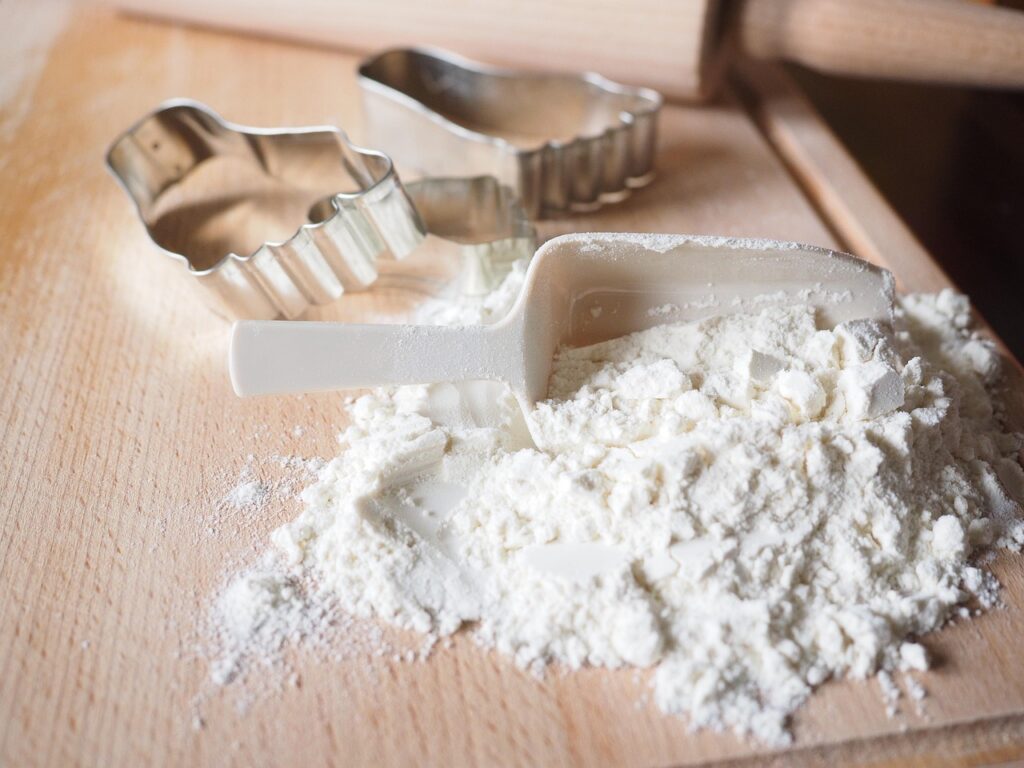
Flour bleaching agents such as chlorine dioxide are applied to whiten flour and accelerate aging processes that naturally occur over time. Treated flour becomes easier to bake with immediately, helping producers maintain rapid production schedules.
Many international regulations discourage or prohibit chemical bleaching due to concerns over residues and altered flour properties. Some countries instead allow flour to mature naturally, preserving traditional milling characteristics.
Chemical bleaching remains attractive for efficiency, yet consumer awareness increasingly favors minimally treated ingredients. The continued use of bleaching agents reflects a tension between industrial convenience and evolving preferences for less processed staples.
4. Benzoyl Peroxide in Flour Treatment
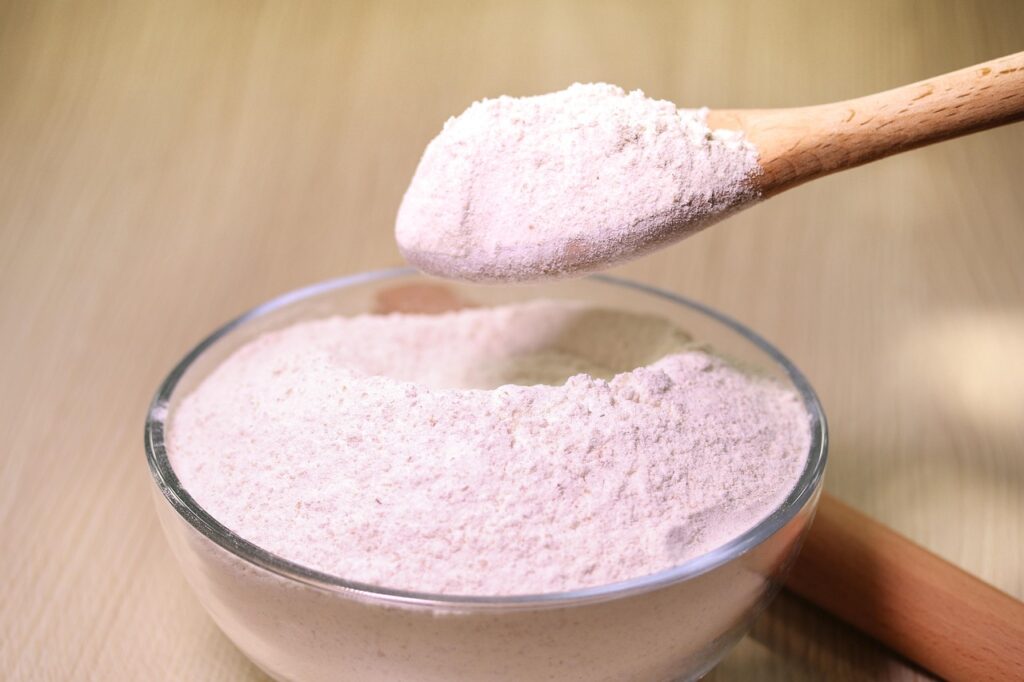
Benzoyl peroxide serves as another flour bleaching agent, improving color consistency and shortening flour aging time before baking. Industrial bakeries rely on such agents to maintain visual uniformity across massive production volumes.
Although considered safe within regulatory limits in some regions, other countries restrict its application due to broader caution surrounding chemical flour treatments. Preference for untreated flour has shaped regulatory frameworks emphasizing minimal processing.
The contrast illustrates how baking industries adapt differently across markets. Where speed and shelf consistency dominate priorities, chemical treatments remain common despite ongoing debates over necessity in everyday bread production.
5. Propylparaben Used as a Preservative
Propylparaben acts as a preservative, preventing mold and microbial growth, extending shelf life in packaged baked goods traveling long distances before reaching store shelves. For large distributors, such protection reduces spoilage and financial loss.
However, concerns regarding potential endocrine-disrupting effects led many countries to restrict or ban its presence in food products. Scientific debate continues, but precautionary policies have influenced international regulatory decisions.
Manufacturers now experiment with alternative preservation methods, including packaging improvements and natural inhibitors. Continued presence in some products reflects reliance on familiar additives despite shifting regulatory attitudes abroad.
6. Brominated Vegetable Oil in Processed Products

Brominated vegetable oil, though more common in beverages, sometimes appears indirectly within processed baked goods through ingredient blends or flavoring components. Its use helps stabilize mixtures containing oil-based flavor additives.
Health concerns surrounding bromine accumulation in the body led numerous countries to ban or restrict the ingredient in food products. Regulatory shifts followed research linking excessive intake to neurological and thyroid-related risks.
Recent changes within parts of the U.S. market show a gradual movement away from this compound, yet its historical presence in processed foods demonstrates how additives can persist long after questions about safety emerge.
7. Titanium Dioxide as a Whitening Agent
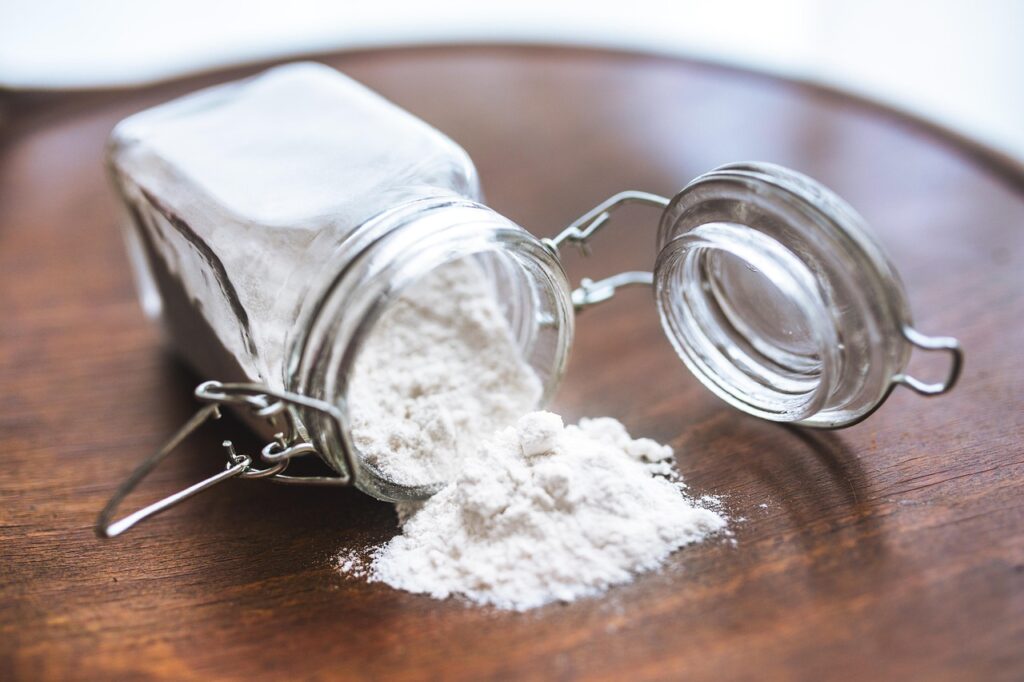
Titanium dioxide appears in certain baked goods and frostings as a whitening or brightening agent, enhancing visual appeal in pastries and packaged products. The additive helps maintain uniform color across large production runs.
European authorities moved to restrict the substance following new scientific assessments questioning potential long-term safety, particularly concerning nanoparticle ingestion. These findings prompted precautionary removal in multiple markets.
Despite differing regulatory conclusions elsewhere, consumer interest increasingly favors simplified ingredient lists. The debate around titanium dioxide illustrates how visual appeal often competes with evolving scientific caution in processed foods.
8. BHA Used to Extend Shelf Stability

Butylated hydroxyanisole, commonly known as BHA, helps prevent fats from becoming rancid in processed foods, including certain baked goods containing oils or shortenings. Its stabilizing properties extend shelf life during distribution.
Some international authorities restrict its use due to research suggesting potential carcinogenic effects in animal testing. While regulatory opinions differ, precautionary measures in several regions have limited widespread use.
Food manufacturers continue evaluating natural antioxidant alternatives capable of performing similar preservation roles. The additive’s persistence in some markets shows how shelf stability often remains a key commercial priority.
9. BHT Added to Protect Fats in Bread Products
Butylated hydroxytoluene, or BHT, performs functions similar to BHA by slowing oxidation in fats used within baked goods. Maintaining flavor stability over time helps products survive long storage and transportation periods.
International scrutiny over possible health impacts has prompted restrictions or reduced usage in certain regions. Debate continues regarding safe consumption levels, yet regulatory caution influences ingredient choices abroad.
As consumer demand shifts toward cleaner labels, some producers reformulate using plant-derived antioxidants. Nonetheless, BHT remains present in certain processed bakery products, prioritizing extended shelf performance.
10. Artificial Flour Aging Additives
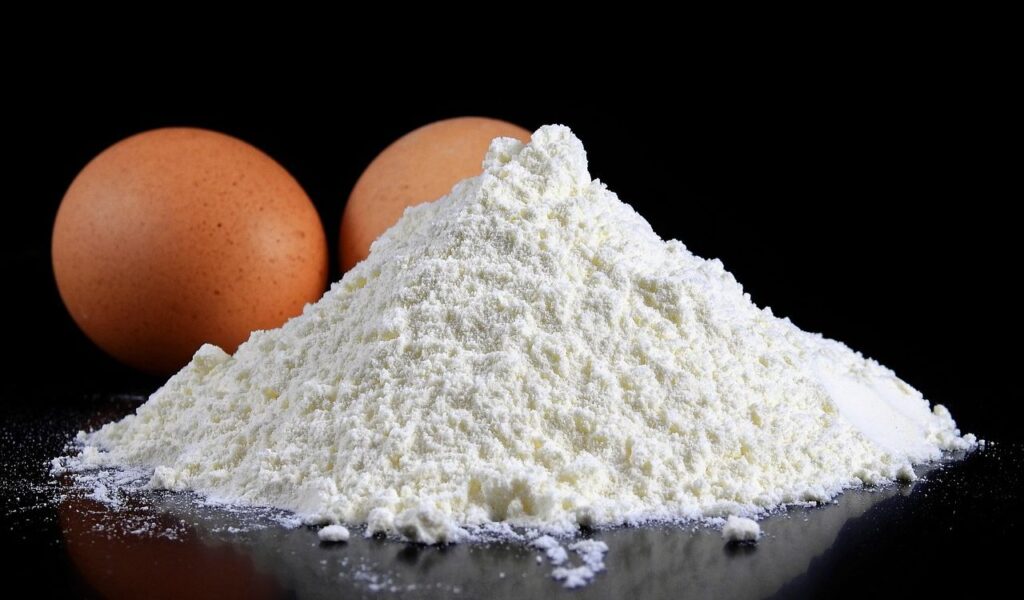
Artificial aging additives accelerate flour maturation, allowing mills and bakeries to bypass natural storage periods that traditionally improve baking performance. Such chemicals help streamline supply chains serving high-demand markets.
Several countries discourage or restrict these treatments, favoring natural aging methods that avoid chemical intervention. Natural maturation develops gluten properties over time without introducing additional substances into flour.
Industrial baking pressures often prioritize speed and uniformity, sustaining interest in artificial aging techniques. Differences in regulatory approaches reveal ongoing tension between efficiency-driven production and traditional milling standards.
11. Synthetic Food Dyes in Processed Baked Goods

Synthetic dyes frequently color frostings, fillings, and processed baked goods, creating visually appealing products aimed at attracting consumers. Bright colors help differentiate packaged items on crowded store shelves.
Health authorities in some countries require warning labels or restrict certain dyes following studies linking them to behavioral concerns in children. Regulatory approaches vary, but caution has led to bans or tighter controls abroad.
Growing demand for naturally derived colorings pushes manufacturers toward plant-based alternatives. However, artificial dyes continue appearing in some products where vibrant color and long shelf stability remain commercial priorities.