11 Disgusting Civil War Rations That U.S. Soldiers Were Forced to Eat

Civil War soldiers marched and fought while surviving on rations that often shocked even the toughest recruits. Limited preservation methods, long supply lines, and battlefield shortages meant meals frequently included insect-infested biscuits, spoiled meat, and harsh substitutes for basic staples. While these foods kept armies moving, they offered little comfort, revealing how survival often depended on eating whatever was available, no matter how unpleasant it appeared or tasted.
1. Hardtack “Worm Castles” Became a Civil War Staple
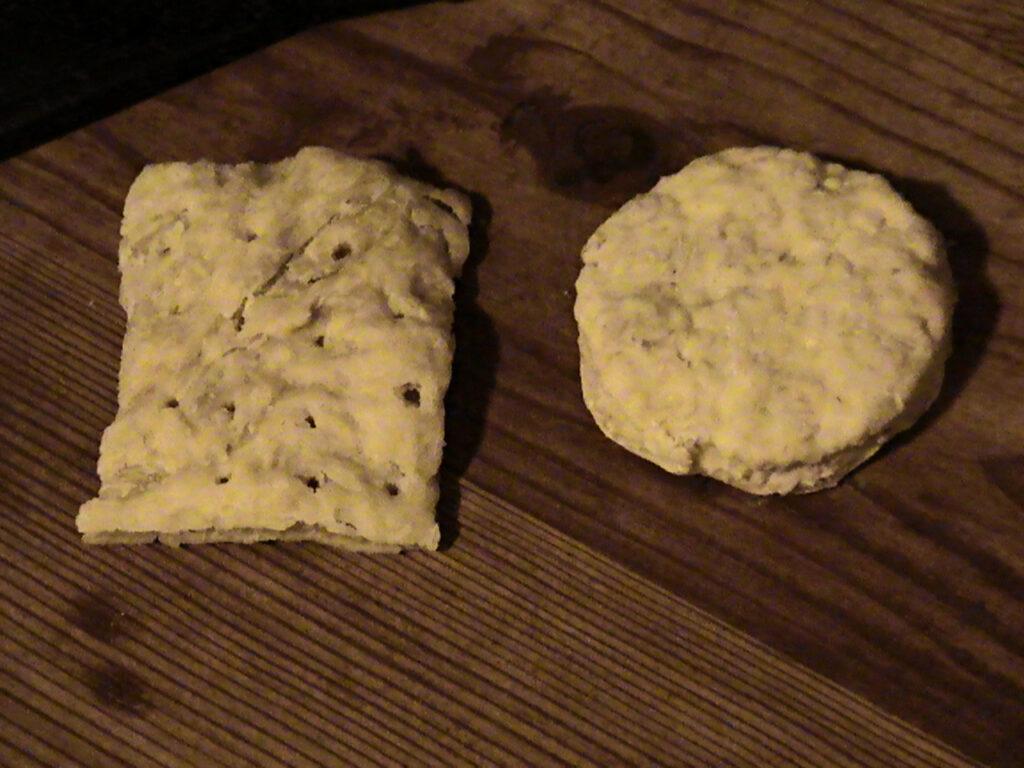
Hardtack, the ubiquitous ration of the Civil War, was simple flour and water baked into dense biscuits designed to last through long marches and transport. Its durability made it essential in an era without modern refrigeration.
Unfortunately, that longevity also made hardtack notoriously unappetizing. The nickname “worm castles” captured this grim reality, turning a staple ration into a test of survival rather than comfort.
Though troops tried baking, soaking, or crushing the hardtack into soups to make it edible, the effort rarely improved its taste. The sight of insects within the biscuits added a psychological toll, illustrating how necessity forced soldiers to tolerate conditions far removed from fresh food experiences.
2. Desiccated Vegetables Were Bitter and Unpleasant
During the Civil War, desiccated vegetables offered a way to transport produce without spoilage. Farmers and supply officers dried beans, carrots, turnips, and other staples, compressing them into brick-like forms that soldiers could rehydrate later in camp.
While dehydration preserved essential nutrients better than fresh, waiting for transport, the resulting vegetables often tasted bitter and uninviting. Without modern drying techniques, temperatures and exposure varied, leaving textures that were tough and inedible without lengthy cooking.
Despite their intended role in adding variety and sustenance, desiccated vegetables became a symbol of the hard choices between nutrition and flavor faced by troops in the field.
3. Heavily Salted Pork and Beef Tested Tolerances
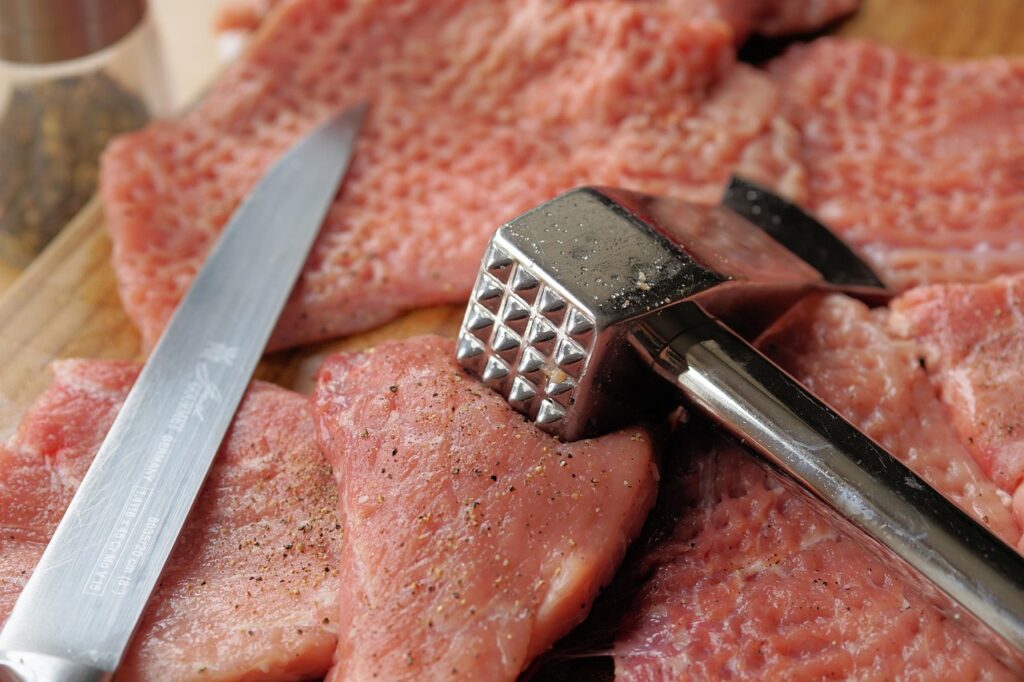
Salt pork and beef formed important protein sources for Civil War soldiers, supplying calories and fat in an era before widespread refrigeration. Salt curing prevented rapid spoilage, allowing meats to be transported over long distances and through changing climates.
Yet the heavy salting that preserved these cuts made them difficult to enjoy. Many soldiers encountered rations so tough, greasy, or intensely salty that they drained water to make them palatable.
Occasional spoilage or discoloration introduced further concerns, underlining the limitations of curing methods available at the time. What little meat arrived safely often strained appetites, reinforcing how survival took priority over satisfaction.
4. Cornmeal “Coosh” Became an Unpleasant Substitute
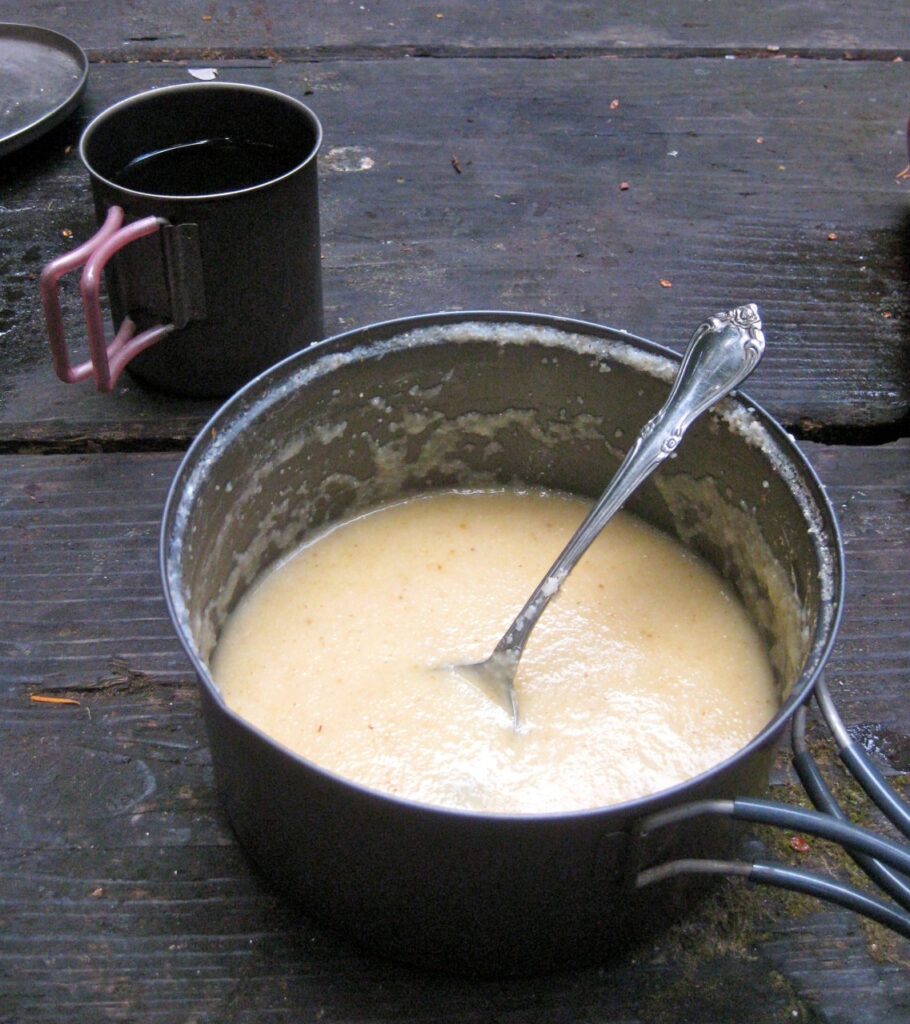
When traditional rations ran low, troops resorted to cornmeal mixtures colloquially known as “coosh” or slop mash. These simple pastes boiled cornmeal with water and sometimes molasses, creating a soupy, unremarkable mixture that provided energy but little joy.
Cornmeal itself offered a source of carbohydrates, yet the lack of seasoning and texture made this dish unappealing. Soldiers preferred genuine biscuits or salted meat, yet in times of scarcity, coosh became a necessary way to stave off hunger.
Descriptions of coosh emphasize its bland and repetitive nature, underscoring the monotony of battlefield eating. Though filling, it offered little variation or comfort to troops already enduring hardship away from home.
5. Coffee Substitutes Produced Terrible Brew
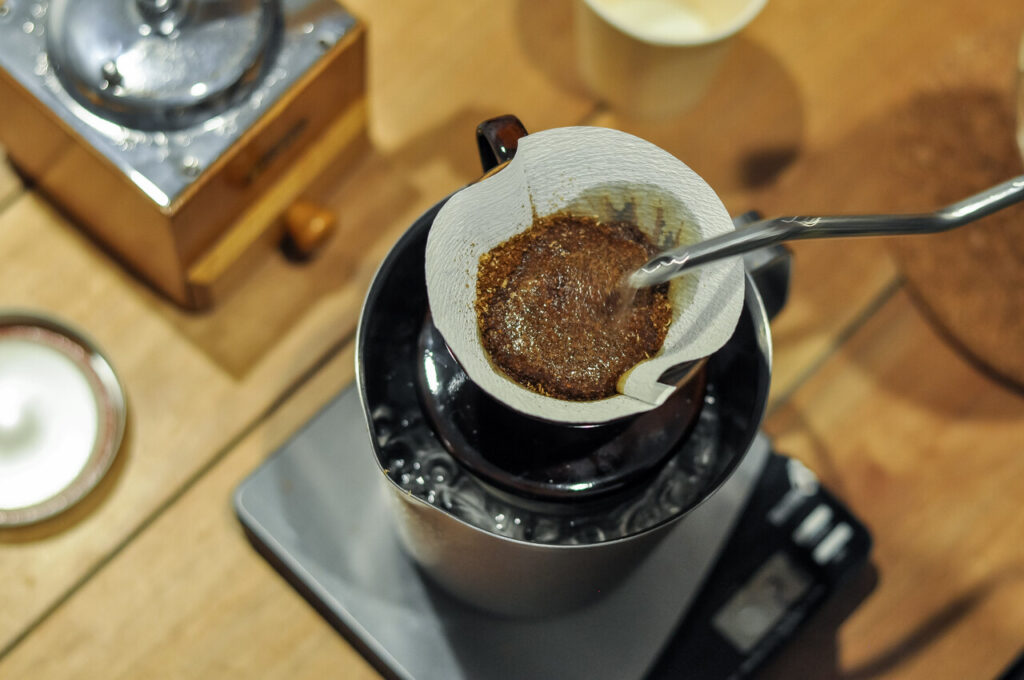
Coffee held an almost ritualistic place in military life, offering comfort in camp routines and shared moments among soldiers. Yet when coffee beans ran out, substitutes emerged that all but mocked the original beverage.
Roasted mixtures of sweet potato, rye, or acorns replaced real coffee beans in kettles, producing brews that smelled earthy but tasted bitter and hollow. While the substitutes offered warmth and caffeine-like solace, they often disappointed even the most desperate soldiers.
Despite shared jokes about the poor quality of these brews, troops drank them because routine and morale mattered. The substitutions reveal how cultural attachments to food and drink persisted even amid shortages and logistical challenges.
6. Rice and Molasses Gruel Tested Palates
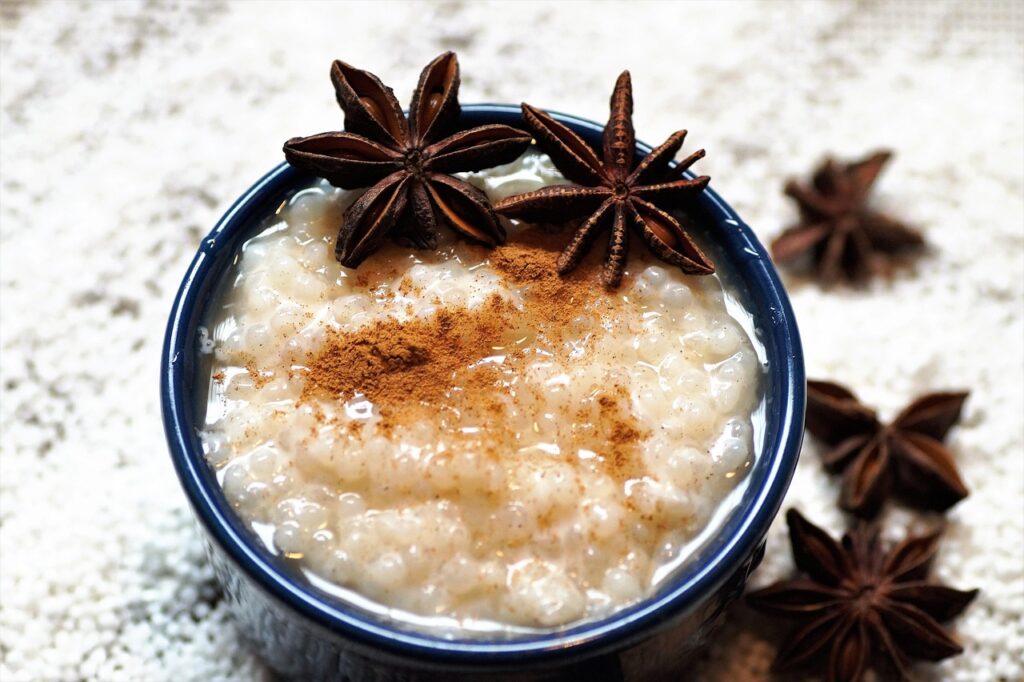
When meat and other staples ran low, soldiers sometimes boiled rice with molasses to produce a thin, starchy gruel. The dish offered simple calories but lacked the texture or depth of more substantial meals.
Rice supplied bulk while molasses added sweetness, yet the resulting mash often felt thin or unfulfilling. Soldiers approaching mealtimes hungry after long marches found little satisfaction in such blends, which did little to mask the realities of ration limitations.
Despite its shortcomings, rice and molasses gruel illustrate the improvisational nature of wartime eating. Troops used whatever ingredients were on hand to fashion edible sustenance, even when it failed to meet expectations of flavor or mouthfeel.
7. Moldy Hard Bread Exacerbated Hardtack Woes
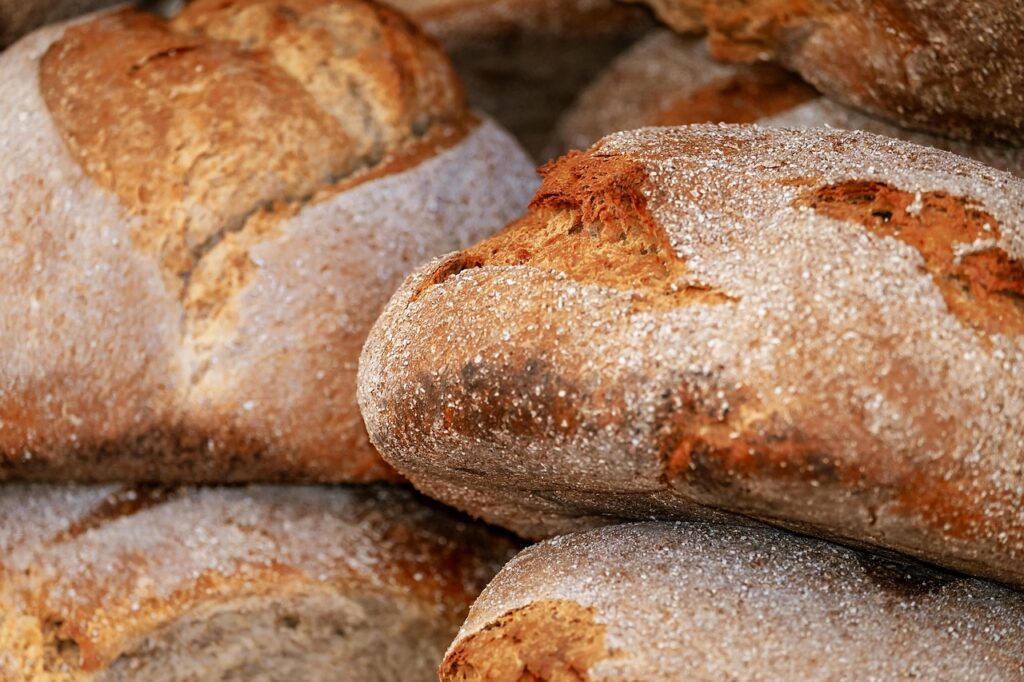
Hardtack’s durability came at a cost. Long storage times and variable warehouse conditions allowed moisture or spores to infiltrate biscuits, resulting in mold growth on some batches.
Moldy bread presented a challenging dilemma for soldiers. While some discarded such rations when possible, many had little choice but to consume what was available, scraping off visible growths before cooking or soaking.
The presence of mold highlighted broader issues with Civil War supply chains, where preservation sometimes failed under real-world conditions. Moldy hard bread stands as an example of how extended storage and imperfect handling could transform survival food into something far more unpalatable.
8. Putrid or Spoiled Meat Raised Health Fears
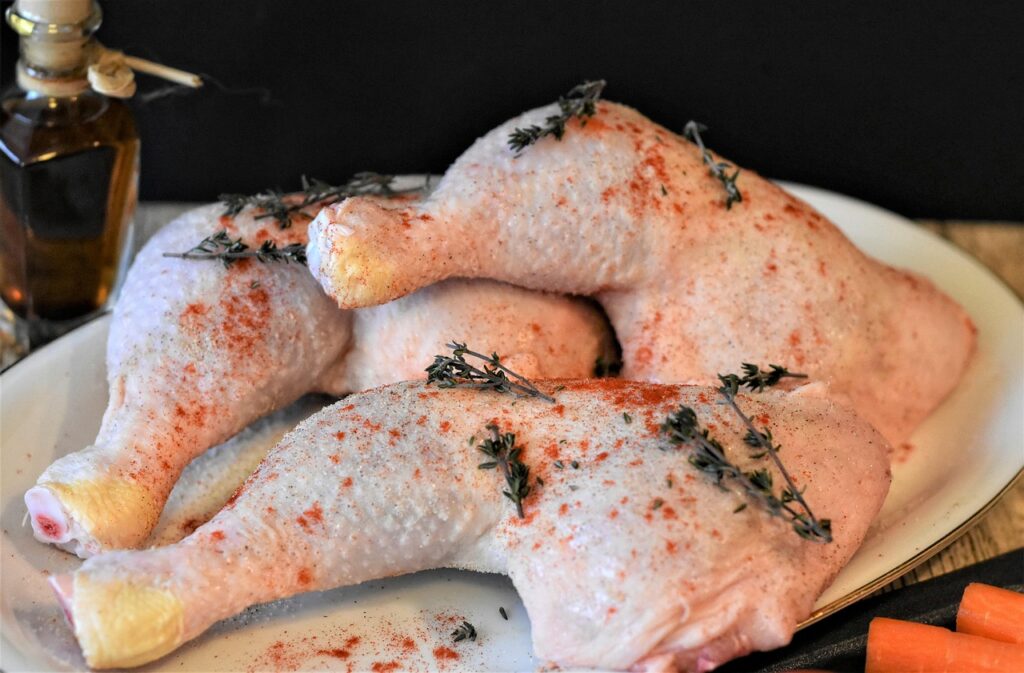
Despite curing efforts, meat rations occasionally spoiled during transit or storage, arriving rancid to hungry camps. Heat, humidity, or delayed transport could break down curing effectiveness, leading to putrefaction before consumption.
Soldiers encountering spoiled beef reported foul odors and off-putting textures that discouraged eating. Without reliable refrigeration, preserving meat proved risky, and choices between eating spoiled rations and waiting for fresh supplies often created hardship.
The presence of rancid meat underscored the fragility of pre-modern food preservation. Consuming compromised meat risked illness, yet soldiers frequently faced this choice in the absence of superior alternatives during prolonged campaigns.
9. Scorched Firecake Offered Little Nourishment
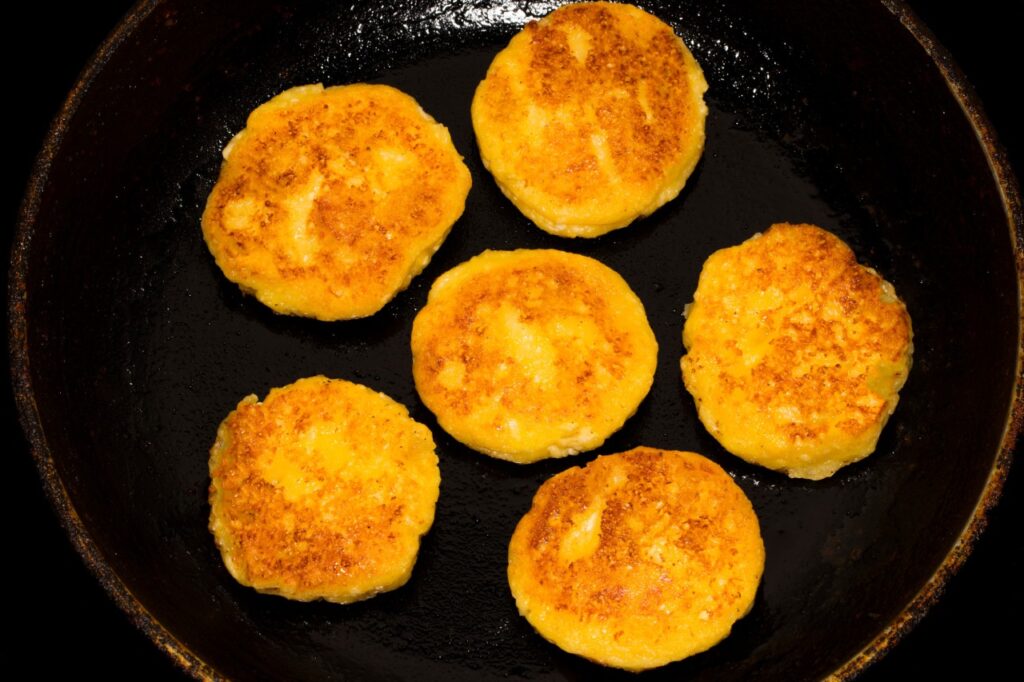
Firecake emerged as an improvised ration when flour and water were all that remained. Soldiers mixed these basic ingredients into a stiff dough before cooking it on hot stones or embers until a crust formed on the outside, often leaving interiors dense or raw.
The resulting bread was tough and flavorless, offering minimal sustenance beyond basic calories. Firecake became a last-resort option in desperate moments when traditional rations were depleted or unavailable.
Although it tested resolve, firecake represented resourcefulness in the face of scarcity. Its simplicity reveals the stark reality faced by troops who adapted primitive methods to stretch limited food supplies.
10. Foraged Weeds Became Necessity Fare

In desperate moments when rations ran short, soldiers turned to foraging wild plants, weeds, or greens along camp roads and fields. These materials, though edible, often provided bitter or unfamiliar flavors lacking the appeal of cultivated crops.
Troops boiled the foraged greens to make them palatable, yet texture and taste frequently disappointed. Even edible wild plants could prove uninviting when boiled to extract bitterness, leaving soldiers longing for familiar food.
Foraging served as a survival strategy when supply lines faltered, reminding troops of the difference between cultivated comforts and field fare. The experience reinforced how limited variety and quality shaped Civil War diets.
11. Insect-Infested Grains Tested Fortitude
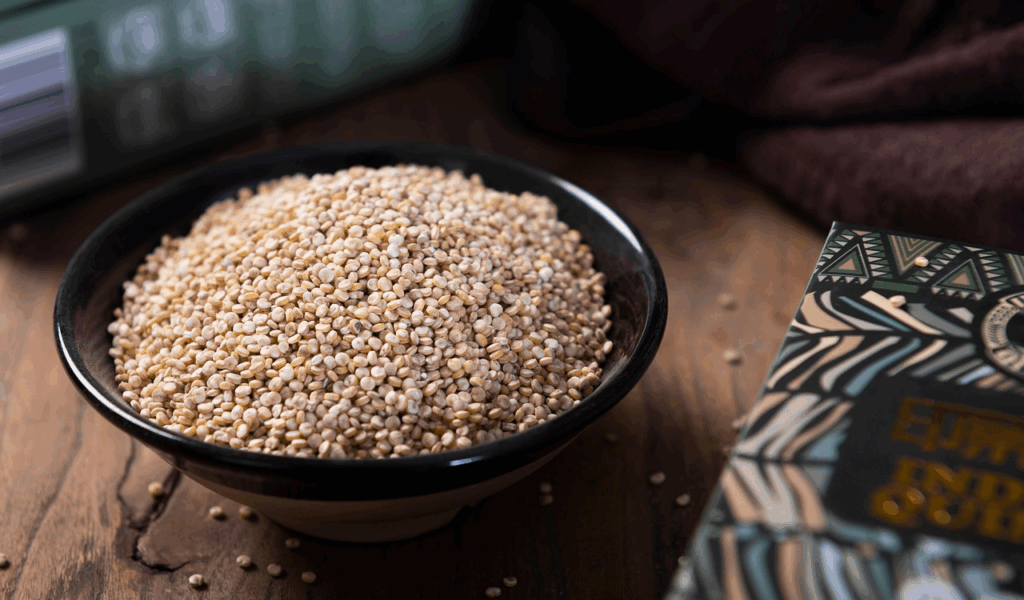
Grain staples like beans and corn sometimes arrived infested with weevil larvae or beetles due to poor storage conditions. Insects thrived in sacks over long transport routes, embedding themselves within rations intended for human consumption.
Soldiers often fished out grain pieces crawling with pests or, when desperate, consumed them along with the food. While insects did not necessarily pose immediate health threats, their presence made already difficult meals more psychologically taxing.
Such infestations highlight the challenges of maintaining food quality in an era without modern pest control or sealed packaging. Insect-laden grains stand as a stark reminder of how Civil War rationing tested resilience beyond mere hunger.