How Food Styling in Ads Shapes Customer Expectations

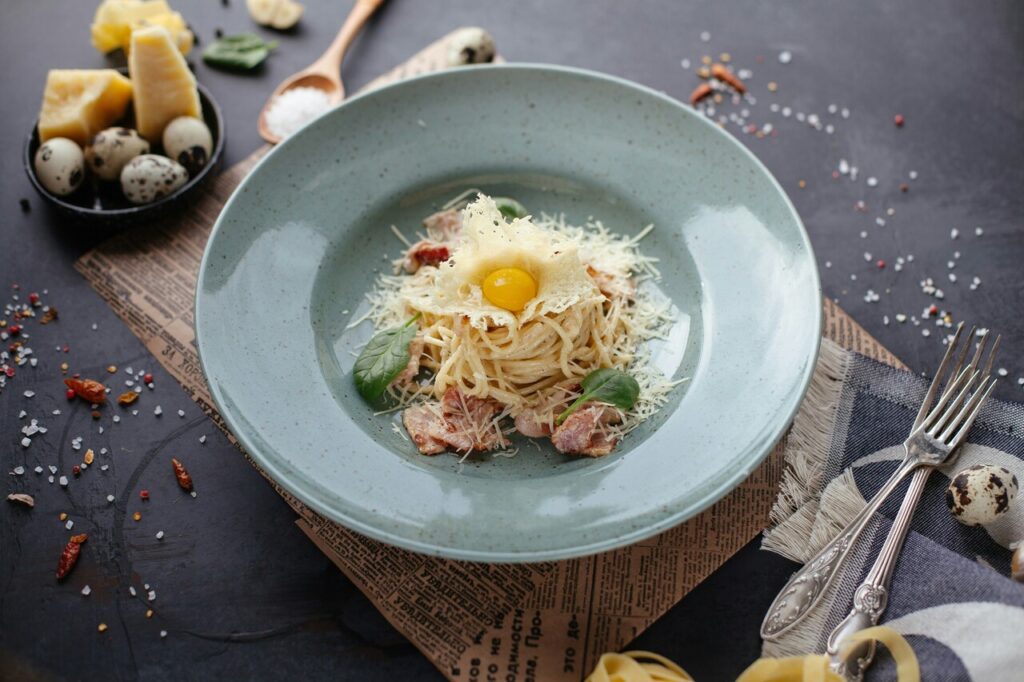
The food seen in advertisements rarely looks ordinary. Every ingredient, color, and angle is carefully arranged to make the dish appear irresistible. This process, known as food styling, plays a major role in how restaurants and food brands attract customers. From glossy burger buns to perfectly melted cheese, these visual details are designed to trigger appetite before the first bite. As food photography spreads across digital platforms, the way meals are presented in ads increasingly shapes how customers judge quality, taste, and value.
The Power of Visual Appetite

Food advertising often begins with a simple idea. People eat first with their eyes. A carefully styled image of a burger, slice of pizza, or bowl of pasta can trigger hunger even before someone thinks about ordering food. Advertisers understand that visual appeal is one of the strongest tools in food marketing. When a dish looks vibrant, fresh, and well arranged, it naturally captures attention and encourages people to imagine how it might taste. This immediate visual reaction plays a powerful role in shaping customer interest. Photographers often enhance this effect by emphasizing color contrast and natural highlights.
Images of food can also stimulate emotional responses. Warm colors, glossy textures, and carefully arranged ingredients create a sense of comfort and satisfaction. These visual cues can remind people of enjoyable meals or social moments. When customers see a beautifully presented dish in an advertisement, they often begin imagining the experience of eating it. This mental connection helps transform a simple picture into a strong marketing tool. The emotional pull of food imagery can make a brand more memorable. Viewers may associate those images with relaxation, celebration, or shared dining experiences.
The influence of visual appetite extends to purchasing decisions. When people encounter appealing food images in advertisements, menus, or online platforms, they become more likely to choose those items. Restaurants and food brands rely on this reaction to attract customers and highlight specific dishes. By presenting food in the most attractive way possible, advertisers increase the chances that customers will feel tempted to try it. Many menu boards are designed around this principle. Prominent images help guide customers toward certain selections. Clear photographs can make unfamiliar dishes feel approachable.
The Art Behind the Perfect Plate
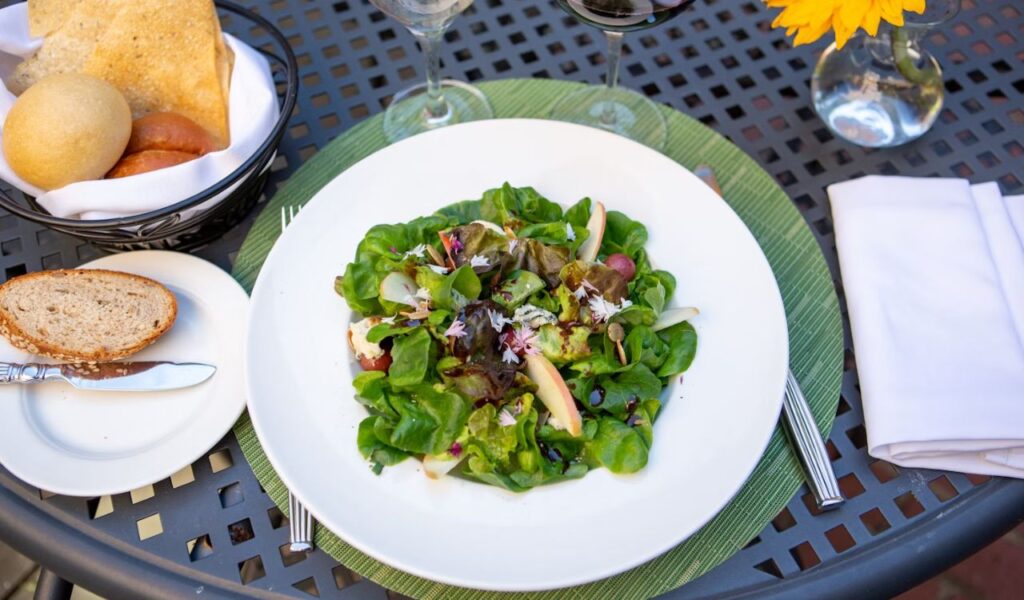
Behind every eye-catching food advertisement is careful planning and preparation. Professional food stylists play an important role in shaping how dishes appear in photos and videos. Their job involves arranging ingredients, adjusting colors, and controlling textures so the final image looks appealing and appetizing. Even small details such as the position of a garnish or the angle of a slice of bread can influence how a dish appears to viewers. Stylists often test several arrangements before settling on the final presentation. Every component must look balanced within the frame. Precision helps ensure that nothing distracts from the main subject.
Lighting is one of the most important elements in food photography. Proper lighting highlights textures such as the crisp edge of fried foods or the glossy surface of melted cheese. It also brings out the natural colors of ingredients, making them appear fresh and vibrant. Photographers and stylists often experiment with angles and lighting setups to create images that feel warm and inviting. Soft shadows can add depth and dimension to the dish. Gentle highlights can emphasize moisture and freshness. Controlled brightness prevents the image from appearing flat. These lighting choices contribute significantly to the final impression.
Composition also plays a significant role in food styling. The arrangement of ingredients, plates, and background elements helps guide the viewer’s attention toward the main dish. Clean layouts, balanced colors, and thoughtful placement of props can make a simple meal look more appealing. Through these techniques, stylists transform ordinary dishes into visually striking advertisements. Background surfaces are often chosen carefully to complement the food. Tableware and utensils may be selected to reinforce the theme of the meal. Color harmony between ingredients and props enhances visual unity. Every component supports the central focus on the dish.
Creating the Illusion of Taste
A photograph cannot deliver flavor or aroma, yet skilled food styling can make viewers believe they can almost taste the dish. Advertisements rely on visual cues that suggest how food might smell, feel, and taste. For example, steam rising from a bowl of soup signals warmth and freshness, while melted cheese stretching across a slice of pizza suggests richness and flavor. These visual signals help customers imagine the eating experience. Subtle highlights on sauces can imply moisture and freshness. Carefully placed herbs may suggest a burst of flavor. Together, these elements create a convincing illusion of taste.
Texture is another important factor in shaping taste expectations. Crisp lettuce, glossy sauces, and golden brown crusts signal freshness and quality. When these textures appear clearly in an image, customers may assume the food will taste just as appealing as it looks. Advertisers often highlight these elements because they create a sense of realism and flavor. Detailed close-ups help viewers notice tiny surface features. The contrast between smooth and crunchy textures adds visual interest. Light reflections can emphasize the crispness of fried foods. These visual signals strengthen the imagined flavor.
These visual signals can strongly influence customer expectations. When people see an advertisement featuring a perfectly styled dish, they begin forming assumptions about how the food will taste. If the real product resembles the image closely, the experience reinforces trust in the brand. If the difference is too large, customers may feel disappointed. Expectations, therefore, play an important role in the overall dining experience. Clear visual communication helps manage those expectations. An honest presentation can strengthen long-term customer loyalty. Accurate imagery protects the credibility of the brand.
Food Photography in the Digital Age
Food photography has become even more influential in the age of digital media. Social platforms are filled with images of meals shared by restaurants, influencers, and everyday diners. These images travel quickly across the internet and reach large audiences within seconds. As a result, visually appealing food photos can significantly influence where people choose to eat. A single striking image can spark curiosity about a restaurant. Viewers may save the photo for future reference. Online sharing expands the visibility of the dish. Restaurants, therefore, treat strong food photography as a core marketing asset.
Restaurants now design dishes with photography in mind. Plates are arranged to look attractive on camera, and lighting in dining spaces is often chosen to highlight food presentation. These choices help ensure that when customers take photos and share them online, the images represent the restaurant in the best possible way. A single appealing photo can attract new visitors who want to try the dish themselves. Restaurants often encourage this sharing behavior. Visually appealing dishes naturally inspire customers to take pictures. Each shared photo becomes an informal promotion. This digital exposure increases brand awareness.
Digital platforms have also changed how customers discover food. Instead of relying solely on advertisements or menus, many people now explore restaurants through online images. If the photos look appealing and professionally styled, customers are more likely to develop positive expectations about the food. This visual discovery process has made food styling more important than ever. Online galleries often shape first impressions. Potential diners examine several images before deciding where to eat. A strong visual presentation can influence that decision quickly. As a result, photography has become central to modern food marketing.
The Psychology of Food Imagery
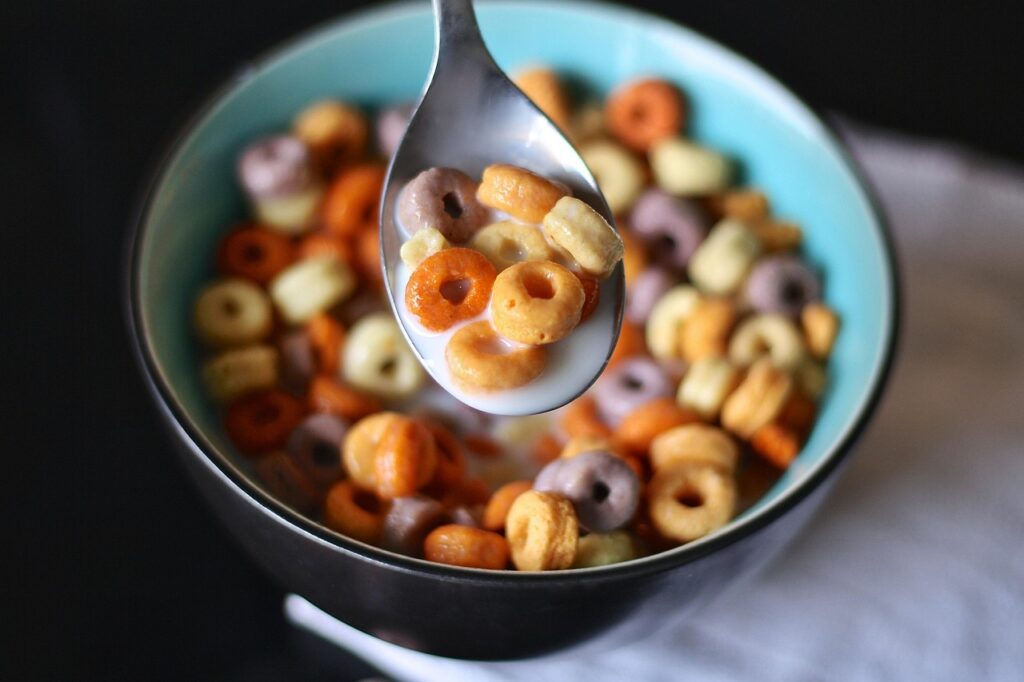
The way food appears in an image can influence how people perceive its quality. Bright colors often signal freshness and flavor, while rich textures can suggest indulgence and satisfaction. These visual signals activate psychological responses that shape how customers judge the food before tasting it. Even subtle changes in color balance or lighting can alter how appealing a dish appears. Color contrast helps highlight freshness. Deep tones can suggest richness and depth of flavor. Balanced brightness creates a sense of clarity. These visual signals influence the viewer’s perception. Careful photography can make ingredients appear more vibrant and inviting.
Human perception naturally associates visual beauty with higher value. When a dish looks carefully prepared and aesthetically pleasing, customers may assume it tastes better or uses higher-quality ingredients. This effect explains why restaurants and food brands invest heavily in photography and styling. A visually attractive image can elevate how customers perceive a product. An attractive presentation often signals care and craftsmanship. Customers interpret visual precision as evidence of quality. Elegant composition enhances perceived value. These psychological cues strengthen marketing impact.
Food imagery also influences memory and emotion. A well-styled photograph may remind someone of a favorite meal or a special occasion. These emotional associations make the advertisement more memorable and strengthen the connection between the viewer and the food being promoted. Memories linked to taste and smell are particularly strong. Visual reminders can trigger those memories instantly. Emotional reactions increase the likelihood of future purchases. Strong imagery, therefore, reinforces brand recall. People often remember foods that evoke personal experiences. Emotional connection strengthens the impact of advertising.
When Ads Shape Reality

Advertising images often present food in its most ideal form. Ingredients appear fresh, portions look generous, and every detail seems perfectly arranged. These images set expectations for customers who later order the same dish at a restaurant or buy it in a store. When the real product closely matches the advertisement, customers feel satisfied with their choice. Accurate presentation reinforces trust in the brand. Positive experiences encourage repeat purchases. Consistency between image and reality builds credibility. Clear expectations improve customer satisfaction. Customers feel reassured when the meal resembles what they saw.
However, differences between advertisements and real food can sometimes create disappointment. Food prepared for photography may look slightly different from the version served to customers. Lighting, styling techniques, and camera angles can enhance the appearance of a dish in ways that are difficult to replicate during everyday preparation. These differences may affect customer perception. Diners sometimes compare the served meal with the advertisement. Visible variation can influence satisfaction levels. Maintaining visual honesty, therefore, becomes important. Small discrepancies can shape how a brand is perceived.
For this reason, many food brands attempt to balance visual appeal with realistic presentation. The goal is to attract customers with appealing imagery while still delivering a product that meets expectations. When this balance is achieved, advertisements strengthen customer trust instead of undermining it. Transparent marketing helps maintain credibility. Realistic visuals support long-term relationships with customers. Honest imagery reduces the risk of disappointment. This approach benefits both brands and diners. Accurate visuals signal confidence in the product itself. Consistency between marketing and reality builds stronger loyalty.
Authenticity and Trust
As consumers become more aware of marketing techniques, authenticity in food images has become more important. Many customers prefer advertisements that show food realistically rather than heavily edited or exaggerated visuals. When a dish appears natural and relatable, it often feels more trustworthy to viewers. An authentic presentation creates a sense of honesty. Viewers appreciate seeing food as it truly appears. This transparency improves brand credibility. Realistic imagery strengthens customer confidence. Natural lighting and minimal editing often support this approach. Honest visuals resonate strongly with modern audiences.
User-generated content has played a role in shaping this shift. Customers frequently share their own photos of restaurant meals online, creating a public record of what dishes actually look like. These images allow potential diners to compare professional advertisements with real customer experiences. Shared images often influence dining decisions. People trust photos posted by other diners. Real experiences provide valuable reference points. This comparison encourages brands to maintain accuracy. Online reviews and photos reinforce transparency. Public feedback keeps marketing claims accountable.
Restaurants that maintain consistency between promotional photos and real food often build stronger credibility. When customers receive a meal that looks similar to the image they saw earlier, it reinforces confidence in the brand. This trust encourages repeat visits and positive recommendations. Consistent presentation supports long-term loyalty. Customers appreciate reliability. Accurate imagery helps establish that reliability. Over time, trust becomes a valuable marketing advantage. Positive experiences strengthen word-of-mouth recommendations. Consistency becomes part of the restaurant’s reputation.
Food Styling as a Marketing Strategy

Food styling is not only about making dishes look attractive. It is also a strategic marketing tool that helps brands shape their identity and communicate their values. A restaurant known for elegant desserts may use refined plating and soft lighting in its advertisements. A fast casual brand may focus on bold colors and generous portions to highlight freshness and energy. These visual decisions influence how customers interpret the brand. Consistent imagery strengthens recognition. Visual identity becomes part of brand personality. Styling choices communicate mood and atmosphere. Visual language shapes the brand story.
These visual choices influence how customers interpret the brand before they even taste the food. Consistent styling across advertisements, menus, and digital platforms helps create a recognizable visual identity. Over time, customers begin associating those visual cues with the brand itself. Familiar presentation strengthens brand recall. Customers quickly recognize signature styles. Visual consistency reinforces brand character. Strong imagery, therefore, becomes a branding asset. Distinct visuals help these brands stand out in crowded markets. Recognition grows through repeated visual exposure.
Strong food imagery can also increase sales by drawing attention to specific menu items. When a dish appears especially appealing in promotional materials, customers may feel encouraged to try it. Restaurants often highlight new or popular items through carefully composed images that emphasize texture, color, and portion size. These visuals guide customer choices without requiring extensive description. Attractive presentation sparks curiosity. Curiosity often leads to trial purchases. Successful images, therefore, play a direct role in shaping demand.