9 Reasons the Spicy Food Trend Is Just Covering Up Bad Flavor

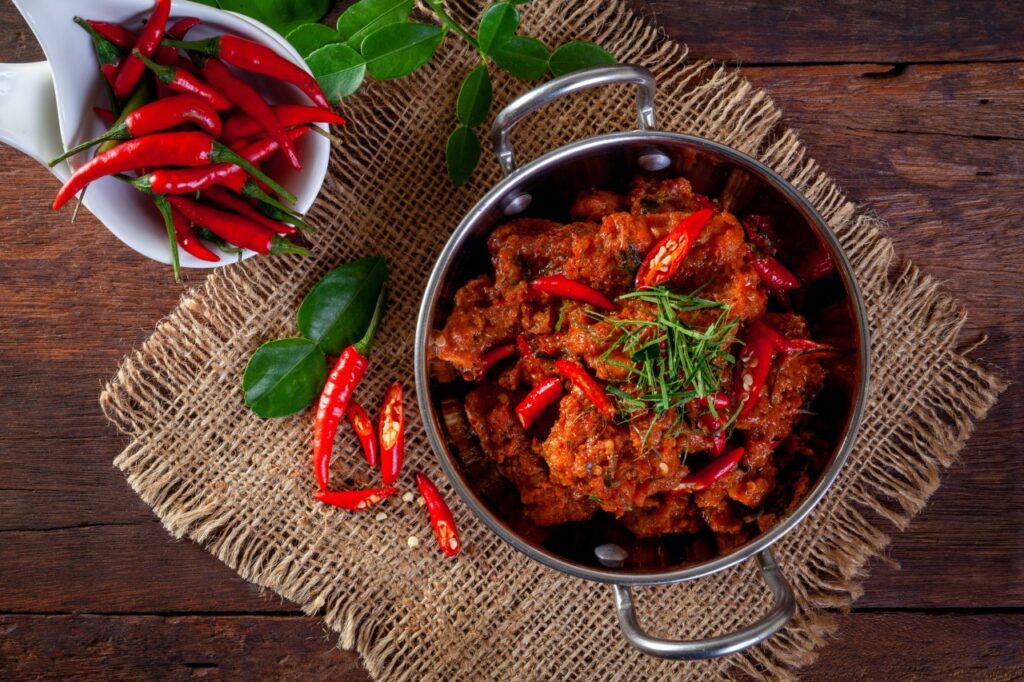
Spicy food has never been more popular. Menus boast ghost peppers, fiery sauces, and heat levels measured almost like athletic challenges. For many diners, the burn itself has become the headline feature rather than the supporting detail.
Yet heat is only one dimension of flavor. True culinary depth relies on balance between salt, acid, sweetness, bitterness, texture, and aroma. When spice dominates every bite, it can blur the line between thoughtful technique and simple intensity.
This list looks beyond the burn. It explores when heat genuinely enhances a dish and when it may be standing in for missing layers. Spice can be powerful, but only when it works in harmony with the flavors beneath it.
1. Heat Can Mask Poor Ingredient Quality
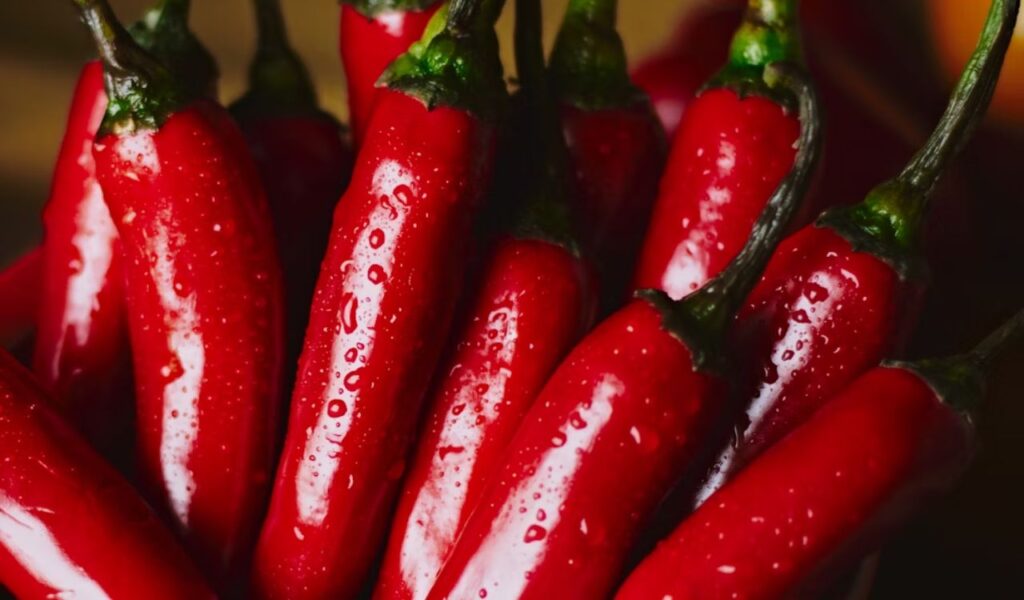
Spice has power. Capsaicin, the active compound in chili peppers, stimulates pain receptors in the mouth and creates an immediate, dominant sensation. When heat levels are high, the brain focuses on that burning signal first. Subtle details in flavor often take a back seat.
If produce lacks freshness or proteins are of lower grade, aggressive heat can distract from those shortcomings. The palate becomes occupied with intensity rather than evaluating sweetness, bitterness, or texture.
Well-crafted spicy cuisine builds heat alongside quality ingredients. When heat becomes the main attraction, it can function less as enhancement and more as camouflage for what is missing underneath.
2. Capsaicin Dulls Flavor Perception
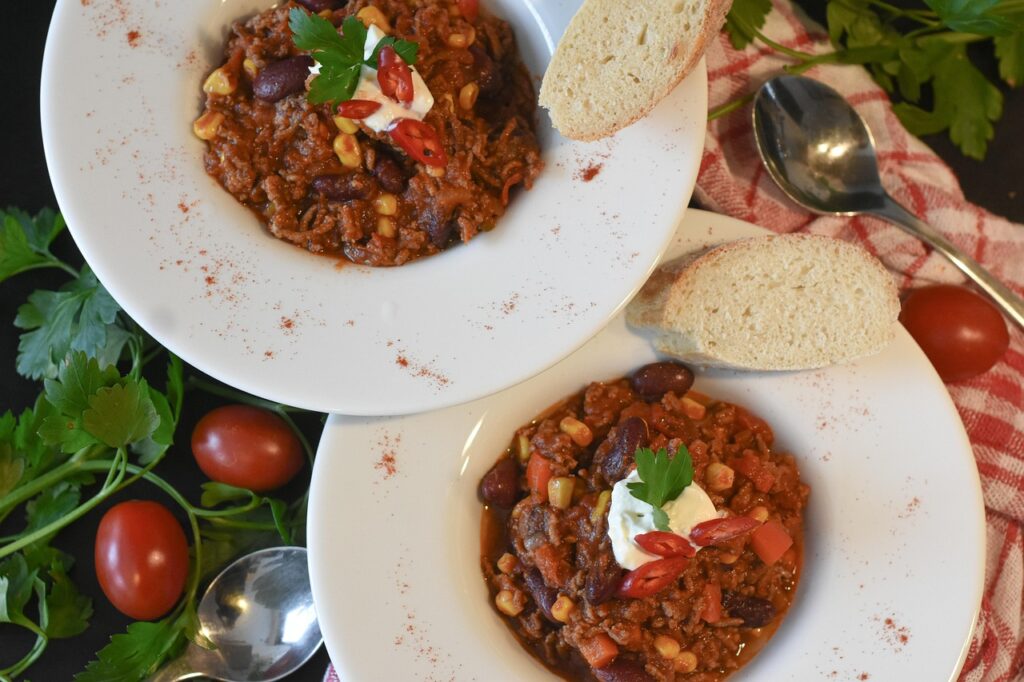
Capsaicin does not create flavor in the traditional sense. It activates pain and heat receptors in the mouth, sending signals to the brain that register as burning. When that stimulation becomes intense, the body shifts attention toward managing discomfort rather than analyzing taste. Subtle notes can fade into the background.
Under extreme spice, sweetness, acidity, and delicate aromatics become harder to distinguish. The tongue is busy reacting to heat, and sensory bandwidth narrows. What might have been layered and nuanced can blur into a single dominant sensation.
In balanced cooking, heat plays a supporting role. When it overwhelms the palate, diners may feel more than they taste, mistaking intensity for depth.
3. Overcooking Becomes Less Noticeable
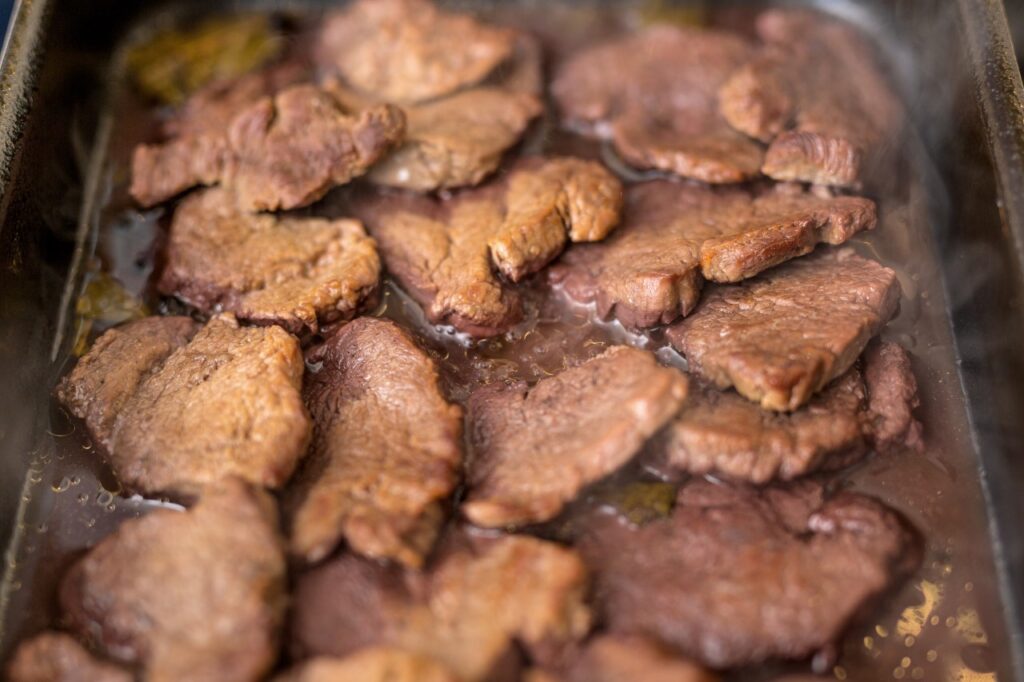
Texture reveals technique. Properly cooked meat retains moisture and tenderness, while vegetables should hold structure and brightness. When food is overcooked, those qualities diminish. In a heavily spiced dish, however, strong heat can distract from dryness or softness.
A bold chili glaze or thick spice paste adds immediate impact to the surface. The burn competes with the mouth’s ability to assess juiciness or snap. Attention shifts away from texture flaws.
Spice does not correct overcooking, but it can make it less obvious. A dish that might seem flat in a mild form can feel lively simply because the heat commands focus.
4. Trend Culture Rewards Intensity
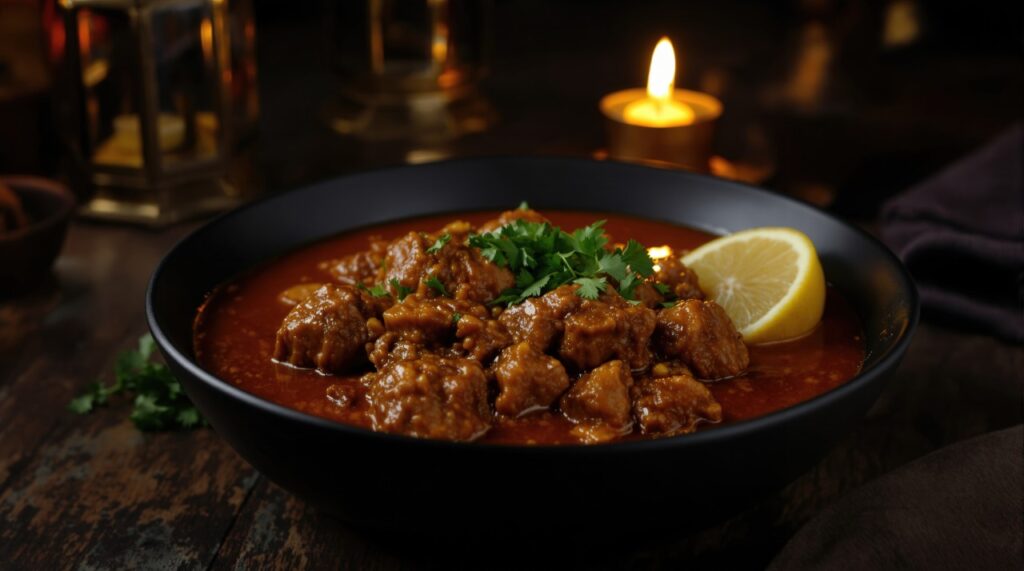
Modern dining trends often amplify extremes. Viral challenges built around ghost peppers or ultra-hot sauces generate clicks and social media attention. Restaurants respond by designing dishes that promise escalating levels of heat.
In this climate, intensity becomes a marketing tool. Diners order for the thrill and the story, not necessarily for balanced flavor. The experience becomes about endurance and spectacle.
When heat is positioned as the main selling point, flavor structure can slip into the background. The dish stands out because it is daring, not because it demonstrates careful layering or refinement.
5. Heavy Sauces Replace Careful Seasoning
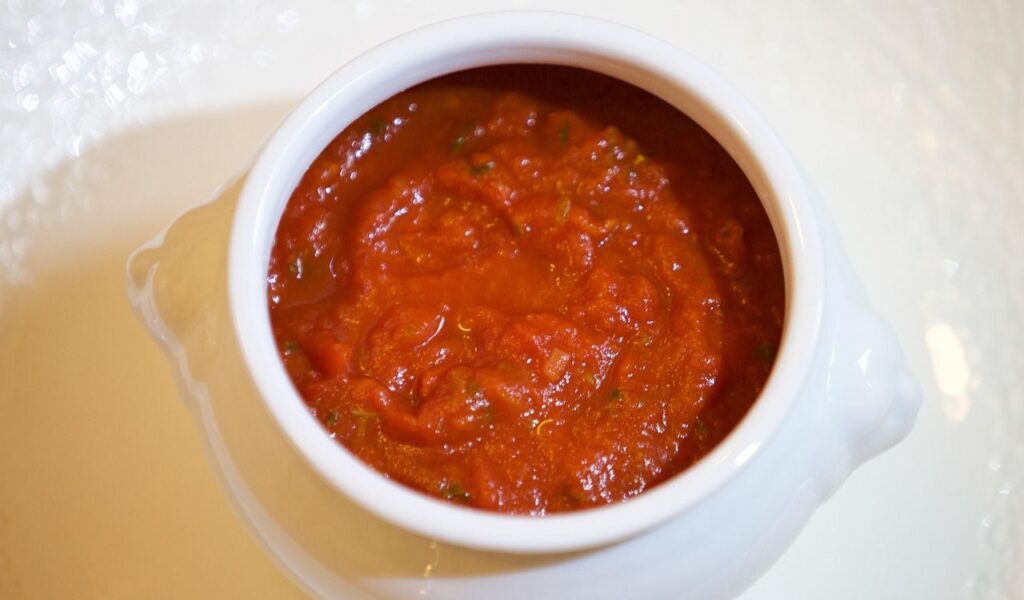
Building strong flavor requires layering. Salt enhances natural taste, acid brightens, fat carries aroma, and aromatics deepen complexity. Each element is added with intention and adjusted as the dish develops. This process takes attention, tasting, and careful timing.
Thick chili sauces and commercial spice blends deliver instant boldness. When applied generously, they can dominate the palate before foundational seasoning is considered. A dish that lacks balance may still taste powerful because heat and salt do most of the work.
Spice should amplify structure, not replace it. When a sauce provides most of the impact, it may signal that the underlying ingredients were not fully developed or thoughtfully layered.
6. Constant Heat Flattens Contrast
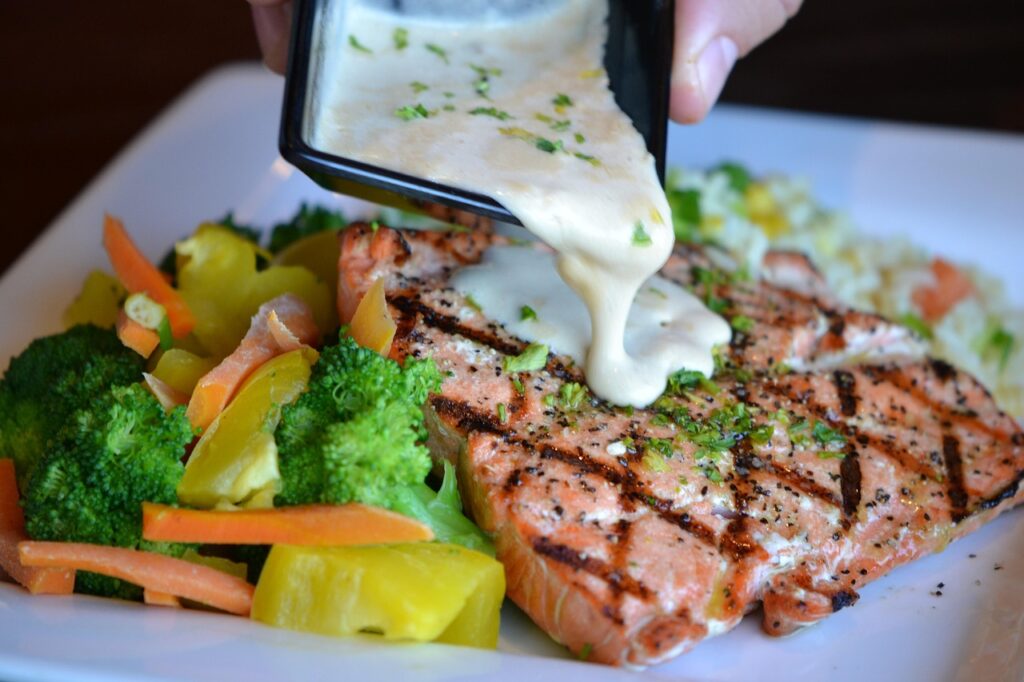
Balanced spicy cuisine relies on contrast. Heat is often paired with cooling yogurt, fresh herbs, citrus, or crisp vegetables. These elements reset the palate and allow flavor to rise and fall across bites. The variation creates movement within the dish.
When every component carries the same high spice level, that contrast disappears. The palate becomes saturated, and sensory fatigue sets in. Without relief, intensity starts to feel uniform rather than dynamic.
Complexity depends on shifts in temperature, texture, and flavor. A single sustained burn may feel bold at first, but it reduces the layered interplay that makes a dish memorable beyond its heat.
7. The Body’s Reaction Can Be Misread as Flavor
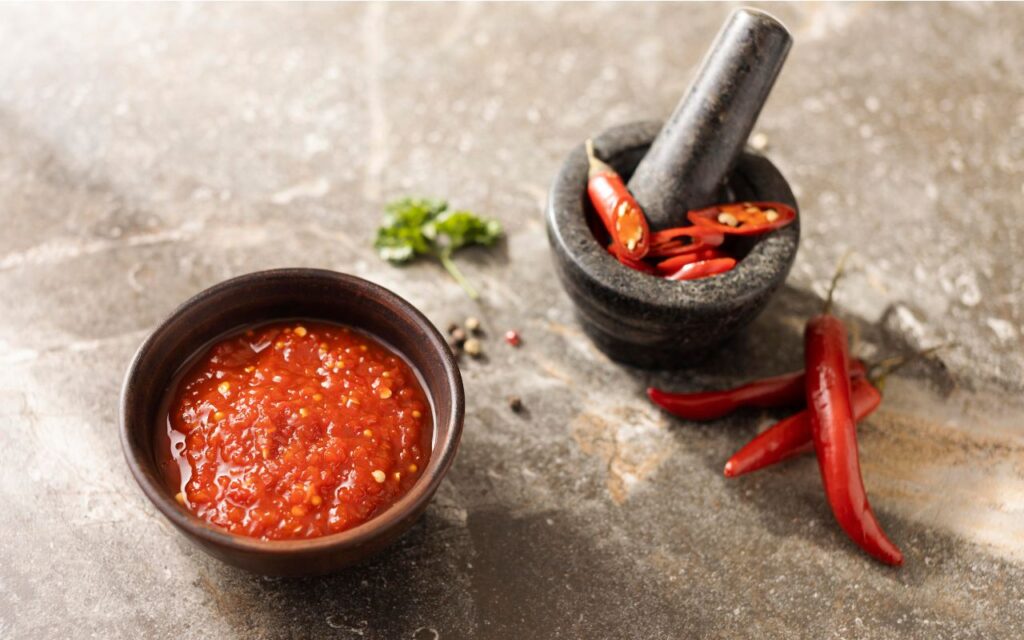
Capsaicin triggers physical responses including increased heart rate, perspiration, and endorphin release. This reaction can produce a mild rush that diners interpret as excitement. The sensation feels vivid and immediate.
However, that stimulation reflects the body responding to perceived heat, not necessarily tasting deeper flavor. The adrenaline effect can overshadow careful evaluation of seasoning and ingredient quality.
A dish may seem thrilling because it provokes a reaction, not because it offers nuance. Distinguishing between physical intensity and true flavor complexity requires slowing down and tasting beyond the burn.
8. Spice Can Hide Ingredient Shortcuts
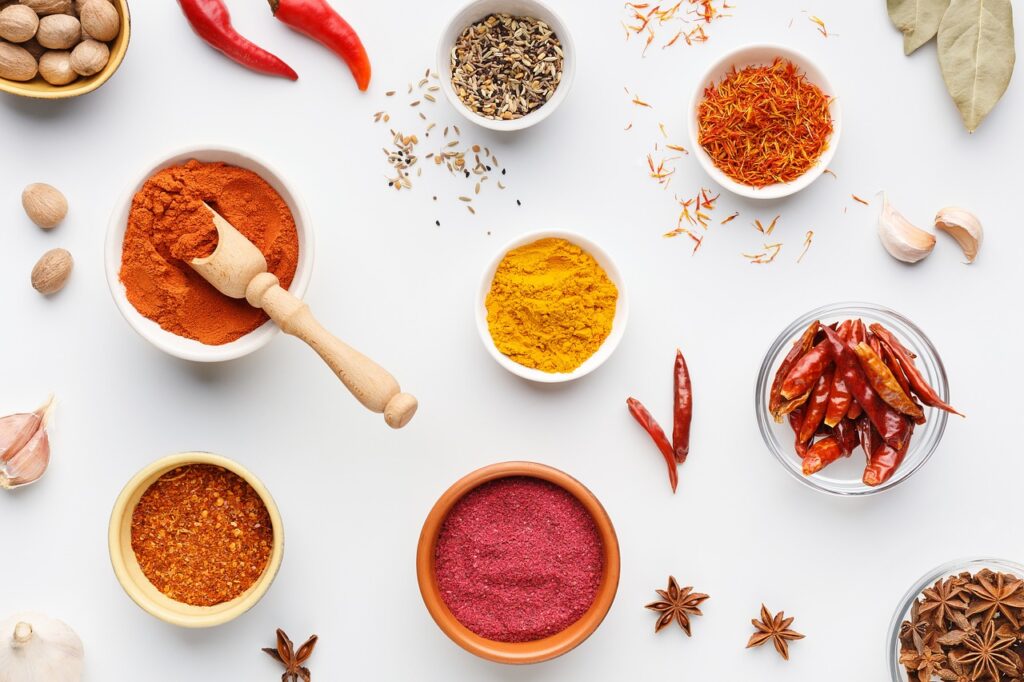
Convenience ingredients are common in modern kitchens. Pre-cooked proteins, frozen vegetables, and pre-made bases save time and labor, but often sacrifice freshness and aroma. In a lightly seasoned dish, those differences are easier to detect through texture and subtle flavor cues.
When heavy spice is introduced, the evaluation changes. Strong chili heat dominates the palate, making it harder to notice muted vegetables or proteins that lack depth. The burn competes with the senses that would otherwise detect staleness or overprocessing.
Spice itself is not the problem. It becomes an issue when intensity is used to blur shortcuts. Excessive heat can reduce scrutiny, allowing convenience to pass as boldness rather than quality.
9. Heat Can Replace Creativity

True depth in cooking often comes from time and intention. Slow simmering, fermentation, toasting whole spices, and balancing contrasting elements create layered flavor that unfolds gradually. These techniques require patience and skill, not just bold seasoning.
Increasing chili content delivers immediate impact. A dish can feel exciting within seconds because heat registers quickly on the tongue. That quick payoff can replace the slower work of building nuance.
Spicy food is valuable in many culinary traditions. The concern arises when heat becomes the central strategy for attention. When intensity replaces thoughtful composition, the result may be loud but not truly complex.