15 SNAP Tricks 2026 Rules Are Phasing Out

For years, SNAP users quietly learned the system. Certain grocery items slid through without issue, paperwork felt flexible, and work rules came with gray areas. These weren’t secrets, just habits formed under looser enforcement and uneven policies.
That era is ending. As 2026 approaches, new rules and state waivers are reshaping how SNAP works, what benefits can buy, and how eligibility is tracked. Purchases once allowed are disappearing at checkout, and reporting requirements are becoming less forgiving.
These changes matter because they affect daily decisions. Knowing which SNAP practices are being phased out helps households avoid surprises, protect benefits, and understand what’s coming next before the rules fully lock in.
1. Buying Soda and Candy with SNAP Will Fade

For many years, soda, candy, and sugary drinks were easy SNAP purchases. Participants could buy them freely because the program emphasized calorie access rather than nutritional quality.
Recent policy updates allow more states to restrict these items through nutrition-focused waivers. The goal is to promote healthier eating and reduce diet-related illness, phasing out purchases once widely accepted.
Not all states are affected at the same time, but the direction is clear. SNAP spending is shifting toward core grocery items, making high-sugar snacks harder to justify under newer health-focused rules.
2. Processed Snack Foods are Losing Eligibility

Processed snack foods like chips, crackers, and other low-nutrient items were long treated as eligible SNAP purchases. Their approval depended on whether they were meant for home consumption, not on nutritional value, allowing many processed snacks to qualify.
Under 2026 rules, states are gaining authority to restrict these products through nutrition waivers. The aim is to steer benefits toward foods with greater nutritional value that better support long-term health and household stability.
This does not ban snacks nationwide, but in states adopting the waiver, fewer processed snacks will qualify. The change reflects a shift in SNAP priorities, recognizing that food assistance now considers quality alongside calorie access.
3. Looser Work Requirement Enforcement is Ending

In the past, some SNAP recipients faced light enforcement of work or work-related reporting requirements. Able-bodied adults without dependents had rules attached to work hours, but many found leniency if systems lacked strict verification.
As of 2026, states are rolling out more consistent documentation and monitoring. The goal is to ensure able-bodied adults engage in work, training, or community service for a minimum number of hours per month to maintain benefits.
This shift reflects a broader push for accountability in the program. While critics worry this may create barriers, policymakers say detailed reporting supports equitable distribution and ensures that assistance aligns with active job market engagement plans.
4. Veteran and Older Adult Work Exemptions Are Shrinking

Historically, older adults and veterans with SNAP benefits received broad exemptions from the work-related requirements tied to employment status. These groups often have real barriers to full-time work, and the exemptions made the program more accessible.
Recent changes mean some of these exemptions are tightening countrywide. New work requirement expectations now reach age groups and veteran categories previously sheltered from strict rules, making participation expectations more uniform.
Advocates say this aligns with fairness across the board, while community groups raise concerns about disadvantaged populations losing support. The result is a shifting landscape where benefits stick closer to active participation standards than before.
5. Candy or Sweets Under Old Sugar Thresholds Are Targeted

Some SNAP rules once allowed sweets with minimal sugar content to slip under eligibility screens, treating them as ordinary grocery items. This created a loophole for products marketed as “low sugar” but still offering little nutrition.
With updated waivers, even these exceptions are becoming obsolete. States adopting restrictions aim to simplify classifications and reduce the number of sugary or low-nutrient products considered eligible, regardless of sugar thresholds.
For SNAP participants, this means fewer borderline products at checkout. What once was an acceptable purchase on paper is increasingly out of bounds under tightened, nutrition-minded eligibility standards.
6. Minimal Verification for Work Hours Is Going Away

In the past, some SNAP offices relied on self-reported hours without deep verification, especially in understaffed regions. Participants could report approximate work or training hours and have them accepted with little proof.
New policies emphasize documentation and routine reporting of work hours, volunteer activities, or training participation. These requirements help ensure that work eligibility rules are applied consistently and fairly across states.
This means participants need better tracking systems and more interaction with program administrators. While added effort for recipients, officials argue it strengthens confidence in the work reporting system and supports targeted assistance.
7. Occasional Volunteering Will No Longer Count Easily

Many SNAP participants relied on occasional volunteer activities as a way to meet work-related requirements. Informal or untracked volunteer hours were often accepted without much paperwork.
Under new 2026 expectations, these volunteer hours must be clearly documented and verified to count toward eligibility. Loose interpretations that once sufficed are being replaced with structured reporting systems.
That doesn’t mean volunteering is discouraged, but it does mean participants must treat it like any other work activity: planned, tracked, and recorded. These changes reflect a broader focus on documented engagement rather than informal arrangements.
8. Sweetened Beverages Are Being Blocked

Nonalcoholic beverages like soda and fruit drinks were broadly eligible under older interpretations. SNAP’s eligibility rules historically focused on whether items were for home preparation rather than their ingredients.
Recent waivers are changing that. In many states, sweetened beverages are being blocked at checkout, reflecting a shift toward prioritizing nutrient-dense purchases over empty calories.
For many households this represents a visible change at the register. What once scanned easily under SNAP may no longer be accepted. Participants are being directed toward beverages and foods with higher nutritional value instead.
9. Prepared Hot Foods Won’t Slip Through
SNAP has long excluded ready-to-eat hot foods because its mission is to support groceries for home preparation. However, informal practices or outdated retailer systems sometimes permitted exceptions.
Stronger retailer compliance rules in 2026 are tightening these gaps. Point-of-sale systems are being updated to enforce eligibility requirements more consistently, preventing hot foods from being purchased with benefits.
This ensures uniform application of the rule across all retailers. Hot prepared items simply will no longer qualify, reinforcing the program’s intent to assist with grocery groceries that households can prepare themselves.
10. Flexible Exemptions for Veterans and Homeless Are Being Tightened

At times, certain groups, such as veterans or people experiencing homelessness, were given flexible interpretations of work requirements. These accommodations recognized real-life challenges in those populations.
The new push toward standardized expectations means these flexible exemptions are shrinking. States adopting updated work engagement rules now expect consistent reporting from broader participant categories.
This shift aims for equal application of SNAP standards, though it raises questions about support access for people facing structural barriers. The policy intent is to align participation with active engagement goals more evenly.
11. Loose Income and Asset Verification Is Being Strengthened

Historically, some SNAP offices accepted limited documentation to expedite enrollment for households in need. This meant looser interpretations of income or asset limits in certain areas.
As of 2026, stricter documentation and verification processes are coming into place. Applicants and participants must provide more detailed income histories, asset statements, and updates to stay eligible.
Stricter verification aims to ensure benefits reach those who truly qualify. For many participants this means more upfront paperwork, though officials say it helps maintain program integrity and fairness.
12. Medical Expense Deductions Must Be Documented

Medical expense deductions are often overlooked in SNAP eligibility. Many recipients did not realize they qualified or avoided claiming them due to confusing or inconsistent documentation rules. As a result, households with real medical costs frequently received lower benefits than they deserved.
That flexibility is ending. Under 2026 rules, deductible medical expenses must be clearly documented when benefits are calculated. Receipts and proof of payment are now required, and estimates or verbal reporting no longer count.
The goal is accuracy, not restriction. Clear documentation helps ensure valid deductions are applied and benefit amounts reflect actual financial strain, reducing missed support caused by unclear rules.
13. Categorizing All Nonalcoholic Beverages Is Changing

For years, SNAP treated most nonalcoholic beverages as standard grocery items. If a drink contained no alcohol, it usually scanned as eligible. Soda, sweetened teas, flavored waters, and juice drinks were widely purchased because the program prioritized food access over nutrition.
That broad approach is narrowing. New waiver options allow states to exclude specific nonalcoholic drinks, particularly those high in added sugar or low in nutritional value. The intent is to guide benefits toward beverages that better support daily nutrition.
In states adopting these rules, the change appears at checkout. Drinks once approved may now be declined, signaling a shift away from blanket beverage eligibility toward nutrition-based definitions.
14. Retailer Enforcement of Restrictions Is Improving
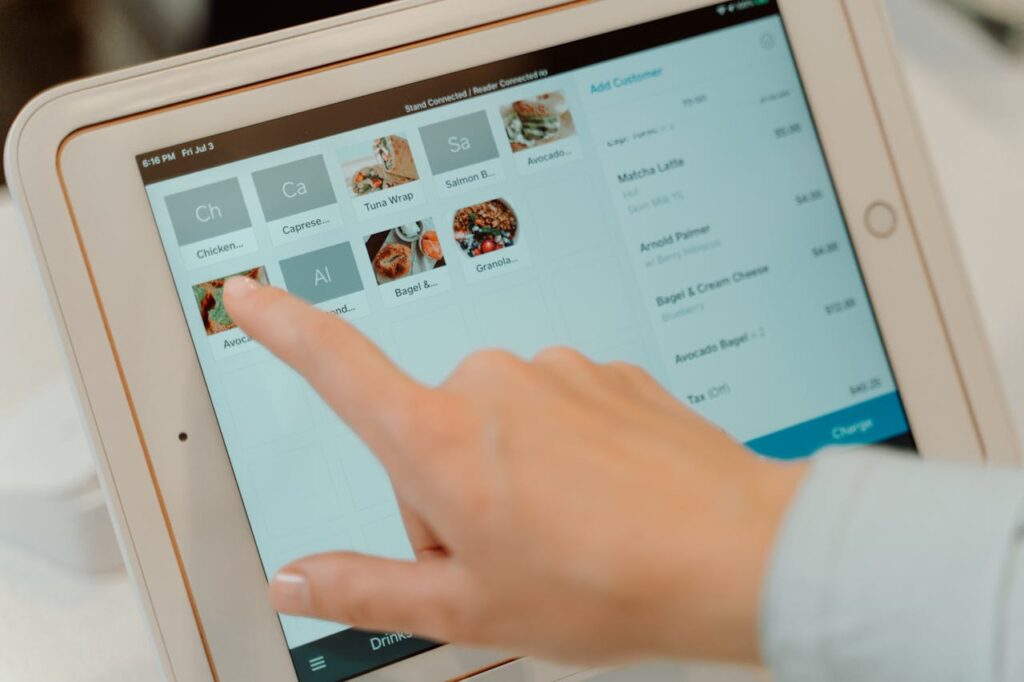
For years, SNAP enforcement depended on outdated retailer systems. Many checkout terminals failed to block newly ineligible items, allowing restricted products to slip through because store databases were slow or inconsistently updated.
New 2026 compliance rules require retailers to update point-of-sale systems to reflect current nutrition waivers and restricted food lists. These updates automatically block disallowed items, removing cashier guesswork and closing long-standing software gaps.
For participants, enforcement now happens immediately at checkout. Purchases are clearer, denials are instant, and confusion is reduced. While flexibility shrinks, SNAP rules are applied more evenly across stores.
15. Broad Eligibility Without Routine Reporting Is Ending

Earlier SNAP practices allowed some households to stay enrolled with minimal reporting, especially when office workloads or staffing were thin. This kept people enrolled but created inconsistencies.
New requirements emphasize consistent reporting of income, work hours, dependents, and changes to the household. These regular check-ins help ensure households remain eligible and benefits match current circumstances.
This shift increases participant responsibility for updates, but the goal is transparency and fairness. Families know their benefits reflect their updated financial and employment realities.