What Makes Thai Food Such a Powerful Global Connector

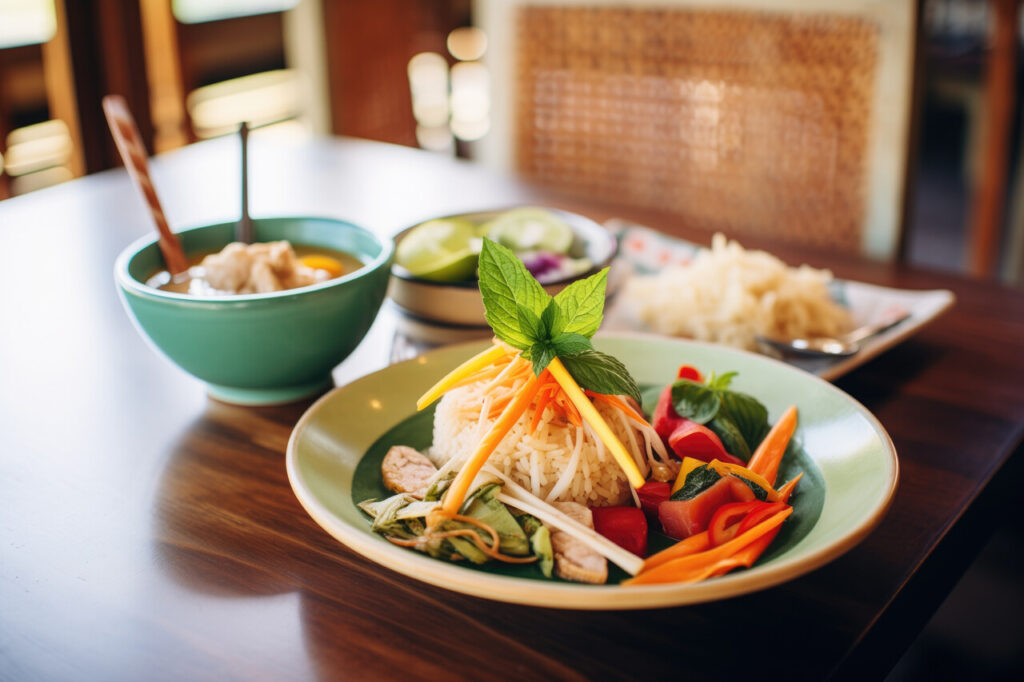
Thai food has a rare ability to feel instantly familiar while still exciting, no matter where you encounter it. A single dish can deliver sweetness, heat, acidity, and depth in a way that feels intentional rather than chaotic. That balance is not accidental. It reflects centuries of cultural exchange, regional cooking traditions, and a deep belief that food is meant to be shared. From street stalls to restaurants across the world, Thai cuisine carries a sense of openness that invites people in. Understanding why Thai food connects so easily across cultures means looking beyond individual dishes and into the values, ingredients, and rituals that shape every meal.
The Cultural Heart of Thai Cuisine
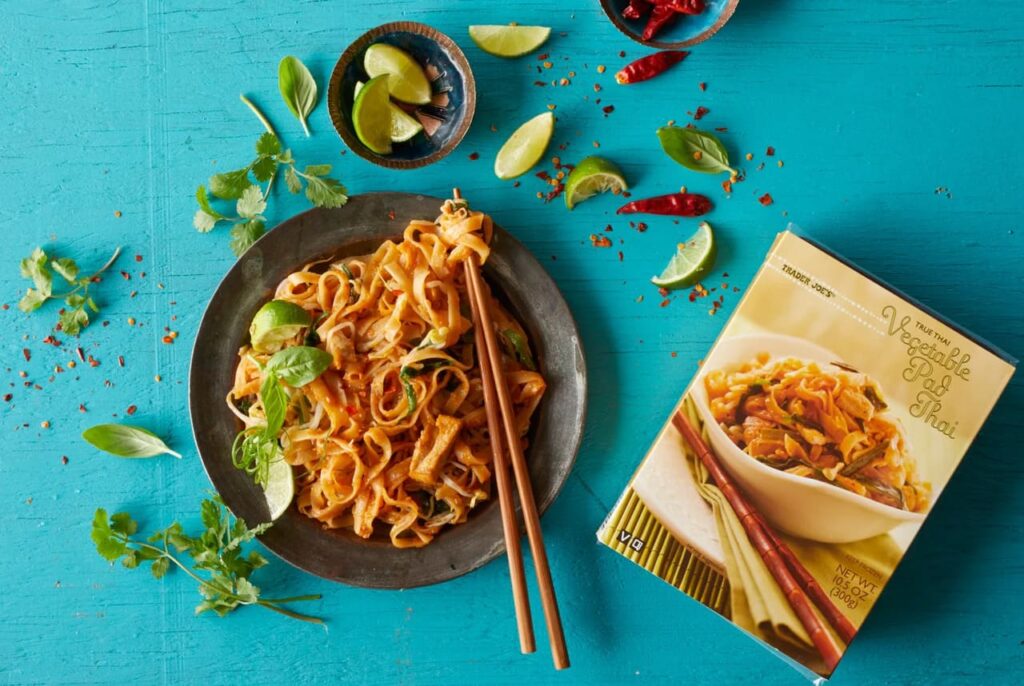
Thai food did not become globally beloved by accident. It grew out of centuries of history shaped by geography, trade, and community life. Thailand sat at the crossroads of ancient trade routes linking China, India, and Southeast Asia, which allowed ingredients, techniques, and ideas to flow in without erasing local identity. Rice became the foundation of daily life, while shared meals became a way to reinforce family and social bonds. In Thai culture, asking someone if they have eaten is a common way of asking how they are doing. Food is not treated as a separate event but as part of everyday connection, from home kitchens to temple gatherings.
Meals in Thailand are also designed to be shared rather than plated individually. Multiple dishes are placed in the center of the table, encouraging conversation and collective enjoyment. This style of eating reinforces a sense of togetherness that translates easily across cultures. When Thai food travels abroad, that spirit often comes with it. Restaurants around the world recreate the feeling of abundance and variety that defines Thai meals, allowing diners to connect through shared plates and balanced flavors. The emotional openness built into Thai food culture helps explain why it feels welcoming almost anywhere it goes.
The Flavor Balance That Defines Thai Food
What sets Thai cuisine apart more than any single ingredient is its dedication to balance. Thai dishes are built around the idea that sweet, sour, salty, bitter, and spicy elements should exist together in harmony. Rather than leaning heavily on one dominant flavor, Thai cooking layers contrasts that wake up the palate. Palm sugar softens sharp chilies, lime juice cuts through richness, fish sauce adds depth, and herbs bring freshness. This approach creates food that feels exciting without being overwhelming, which helps it appeal to people with very different taste preferences.
Ingredients That Tell a Regional Story
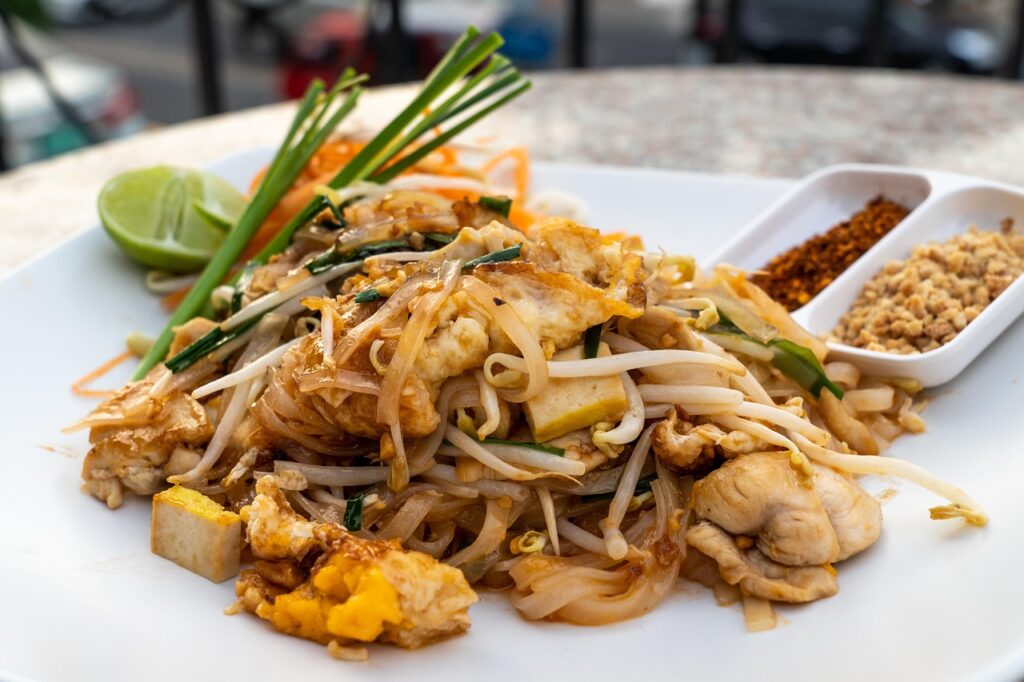
Thai food is inseparable from the land and climate that shape it. Fresh herbs like lemongrass, galangal, kaffir lime leaves, and Thai basil reflect a tropical environment where aromatic plants thrive year-round. Chilies, introduced centuries ago, became central to Thai cooking because they grow easily and add both heat and complexity. Coconut milk, seafood, rice, and vegetables vary by region, creating subtle differences between northern, central, southern, and northeastern Thai cuisine. These regional variations give Thai food depth without fracturing its identity. The emphasis on freshness is another reason Thai food resonates globally.
References
- Traditional Thai Foods and Their Cultural Significance – nivabupa.com
- The Global Rise of Thai Cuisine: Why It’s Taking the Culinary World by Storm – weerathaifood.com
- The Global Popularity of Thai Cuisine: What Makes It So Irresistible? – dawsonsbarandgrill.com