The Key Differences Between Espresso and Coffee for Better Brewing

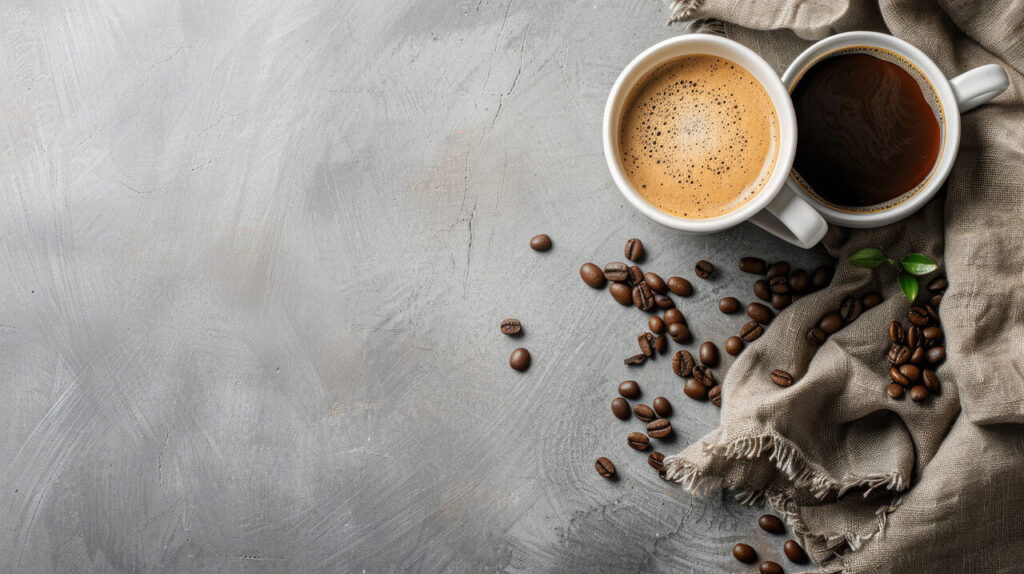
Espresso and coffee are often talked about as if they are completely different drinks, but the real distinction lies in how they are brewed. The same beans can produce wildly different results depending on pressure, grind size, and extraction time. That’s why espresso tastes intense and concentrated, while coffee feels smoother and more expansive. Once you understand what separates the two, brewing stops feeling like guesswork and starts to feel intentional. Knowing when to use pressure, when to rely on time, and how each method shapes flavor makes it easier to get better results at home.
What Separates Espresso From Coffee
The most important difference between espresso and coffee is not the bean, but the method. Espresso is a brewing style, not a type of coffee plant. It uses finely ground coffee, very hot water, and high pressure to extract flavor quickly into a small, concentrated shot. Regular coffee, whether brewed by drip, pour-over, or immersion, relies on gravity and time rather than pressure. This difference in extraction explains why espresso tastes bolder and more intense even though it uses less water. The flavors are compressed into a smaller volume, which gives espresso its signature richness and thick mouthfeel.
That intensity often leads people to assume espresso is fundamentally stronger than coffee in every way, but that is only partly true. Espresso delivers a fast, concentrated hit of flavor because of how quickly the water pulls oils, acids, and dissolved solids from the grounds. Coffee brewed slowly tends to highlight different qualities, such as clarity, brightness, and layered aromas. Neither method is inherently better. They are simply designed for different experiences. Understanding that espresso is about pressure and speed, while coffee is about time and flow, helps explain why the two drinks feel so different in the cup.
The Role Beans Play in Flavor
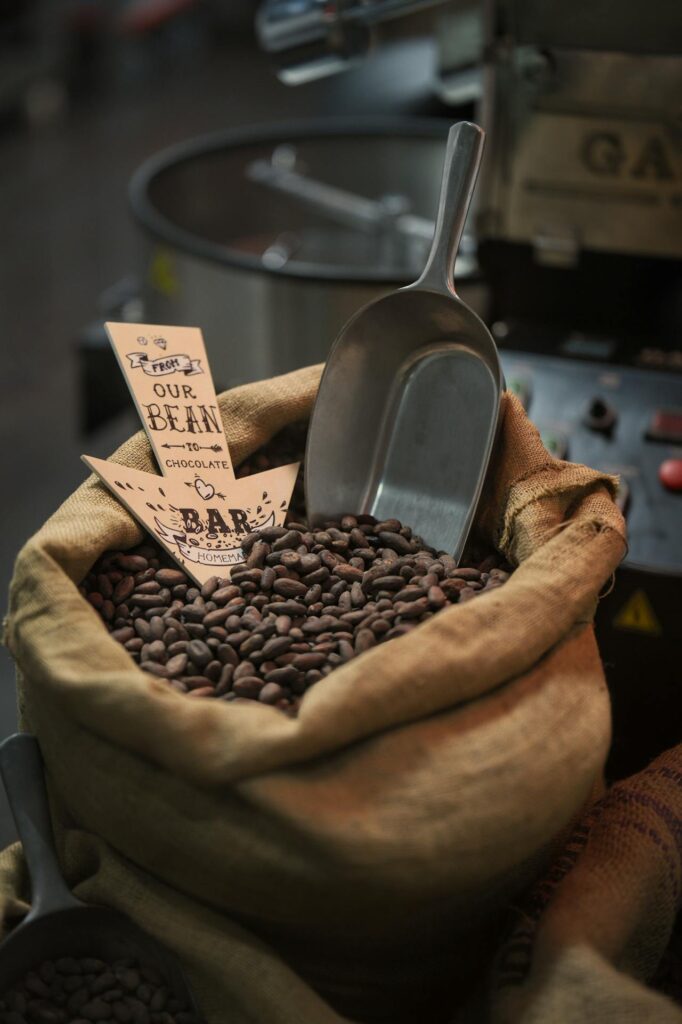
Beans matter, but not in the way many people expect. Espresso and coffee can be made from the same beans, yet they will taste completely different once brewed. That said, roasters often choose specific roast levels depending on the intended brewing method. Espresso roasts are commonly medium to dark because darker roasts dissolve more easily under pressure and produce thicker body and lower acidity. These roasts emphasize chocolate, caramel, and nutty notes that hold up well in short extractions and pair smoothly with milk.
Coffee brewed without pressure often benefits from lighter to medium roasts, which preserve more of the bean’s original character. Lighter roasts highlight acidity, fruit, and floral notes that can be lost in espresso extraction. Grind size also plays a role here. Espresso requires a very fine grind to slow down water under pressure, while coffee uses coarser grinds to allow water to flow evenly over a longer period. Origin and processing method influence both drinks, but the brewing method ultimately determines which flavors take center stage. The same Ethiopian bean might taste bright and tea-like as a pour-over, yet dense and syrupy as espresso.
Brewing Methods That Change Everything
Espresso brewing is defined by pressure. Machines force water through compacted coffee at roughly nine bars of pressure, extracting flavor in about 25 to 30 seconds. Because the process is so fast, small changes in grind size, dose, or tamping pressure can dramatically affect taste. Espresso brewing rewards precision, but it also demands attention and consistency to avoid bitterness or sourness. Drip machines, pour-over cones, French presses, and cold brew setups all rely on water spending more time in contact with the grounds. This allows for gradual extraction and more forgiving margins for error. Water temperature, grind size, and brew time still matter, but the process is less compressed.
Caffeine Myths and Reality
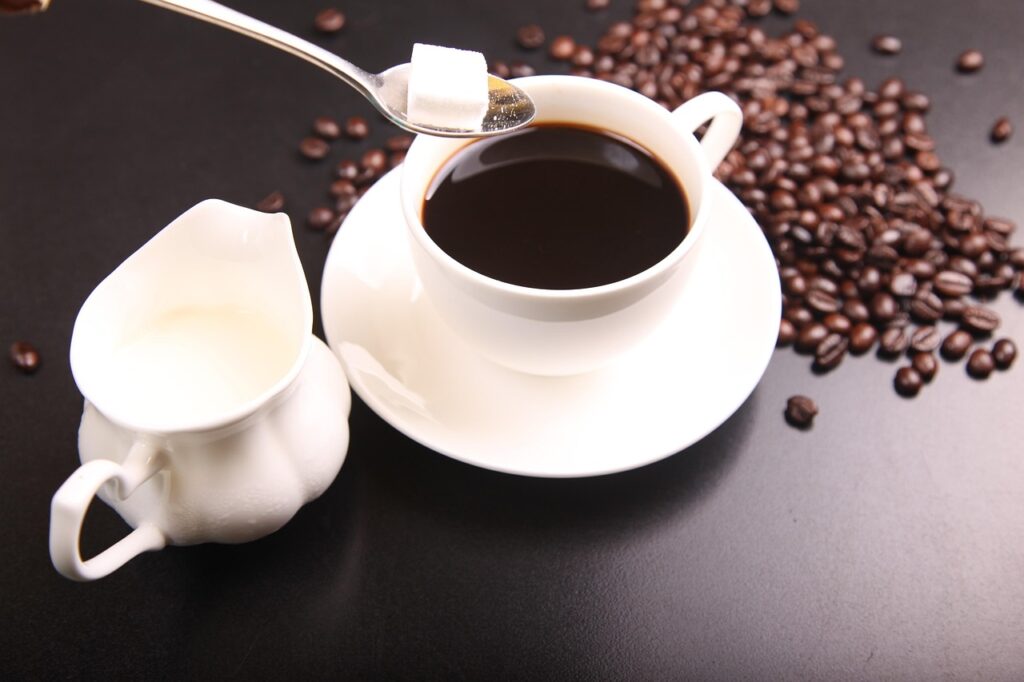
One of the most persistent myths is that espresso contains more caffeine than coffee. Ounce for ounce, espresso does have more caffeine, but servings are much smaller. A single shot of espresso typically contains less total caffeine than a standard cup of brewed coffee. Coffee drinkers often consume much larger volumes, which adds up to higher overall caffeine intake. This is why a large mug of drip coffee can feel more stimulating over time than a quick espresso shot. PEspresso tastes stronger because it is concentrated, not because it delivers more caffeine per serving. The brewing method also affects how quickly caffeine enters your system. Espresso delivers caffeine rapidly, which can feel more immediate, while coffee provides a slower, steadier release as you sip.
Brewing Smarter at Home
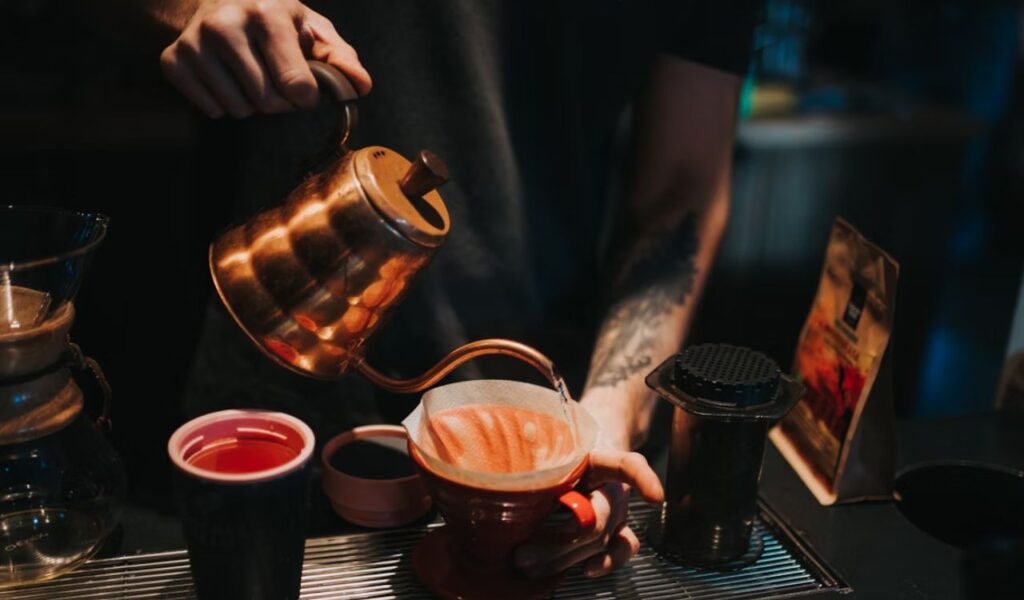
Better brewing starts with matching your tools to your goals. Espresso requires specialized equipment capable of maintaining stable pressure and temperature, along with a quality grinder that can produce consistent fine grounds. Without those elements, achieving balanced espresso is difficult. Coffee brewing is more accessible. A reliable grinder, fresh beans, and attention to water temperature and ratios can dramatically improve results with simple tools like a pour-over or French press. The key is consistency, not complexity. For espresso, dialing in grind size and dose makes the difference between harsh and smooth shots. For coffee, proper ratios and even extraction prevent bitterness or flatness.
References
- The Key Differences Between Espresso And Coffee For Better Brewing – southernliving.com
- Espresso vs Coffee: What’s the Difference? – colipsecoffee.com
- Coffee versus Espresso: Unraveling the Caffeine Mystery – compasscoffee.com