Why Making Homemade Tamales Is Easier Than You Think

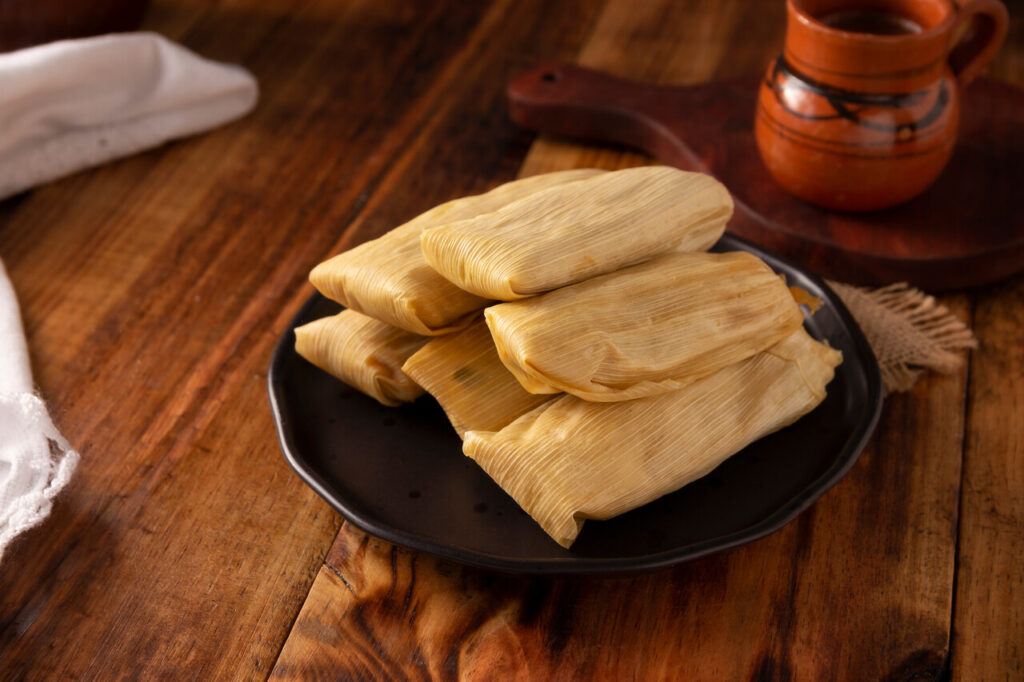
Homemade tamales have a reputation for being complicated, time-consuming, and best left to experts or big family gatherings. In reality, that reputation comes from how tamales are traditionally made, not from how difficult they actually are. When you break the process down, tamales are built from a few simple steps repeated over and over. The ingredients are basic, the techniques are forgiving, and the results are far more flexible than most people expect. Once you understand what really goes into masa, filling, and assembly, tamales stop feeling like a special occasion project and start looking like a very manageable home-cooked meal.
The Tamale Myth That Scares Home Cooks
The idea that tamales are difficult usually comes from watching them being made in large family gatherings. When you see dozens of corn husks spread across a table, multiple fillings simmering, and several people working at once, it can look like an all-day production that requires expert hands. In reality, that scene reflects tradition and scale, not complexity. Tamales are often made communally because they are celebratory and efficient to prepare in batches, not because they are technically demanding. When you strip away the cultural context, what you are left with is a simple process repeated many times.
Another reason tamales feel intimidating is that the steps are often described all at once instead of broken down. Dough, filling, wrapping, and steaming sound like a lot when listed together, but each task is straightforward on its own. Experienced cooks also tend to gloss over small details because they have done them for years, which can make beginners feel like they are missing something important. The truth is that tamales are forgiving. The dough does not need to be perfect, the filling can be almost anything you enjoy, and the wrapping does not have to look beautiful to work.
The Simple Building Blocks of Every Tamale
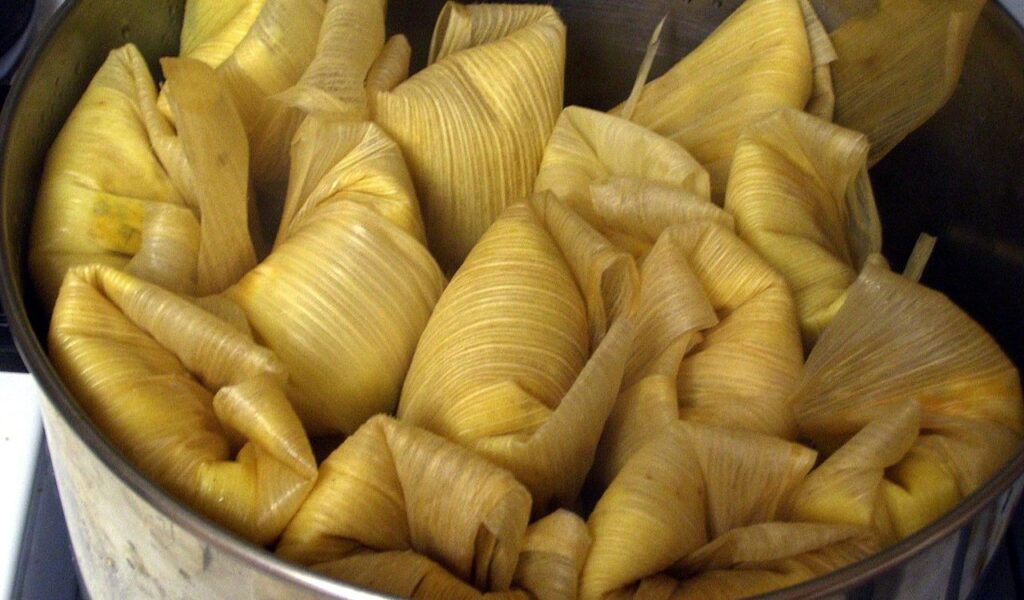
Every tamale is built from three basic elements: masa, filling, and corn husks. Masa is a dough made from masa harina, which is corn flour treated with lime and ground finely. It is mixed with fat, usually lard or oil, broth or water, and salt. That is it. There is no kneading, no rising time, and no special equipment required. The filling can be as simple as shredded chicken with salsa or as rich as slow-cooked pork, beans, cheese, or vegetables. The corn husks are soaked in warm water until pliable, then used as wrappers that hold everything together during steaming. None of these components require advanced skills or unusual ingredients.
What makes tamales feel easier once you start is how naturally these pieces come together. Masa spreads easily once it is properly mixed. Fillings are placed in the center without worrying about exact measurements. Corn husks fold intuitively once you do one or two. Unlike baking, where ratios and timing matter a great deal, tamales allow for flexibility. If your masa is a little thicker, you add liquid. If your filling is chunky, you simply use less. This adaptability is why tamales have survived for centuries across regions and households with different resources. They are designed to work with what you have, not against you.
Making Masa Without Stress
Masa is often the part that worries beginners the most, but it is also one of the easiest elements to master. The goal is a dough that is soft, spreadable, and slightly fluffy rather than dense or crumbly. Mixing masa harina with warm broth or water, fat, and salt takes only a few minutes. Many guides suggest mixing until the dough resembles thick peanut butter or soft hummus. If it cracks when spread, it needs more liquid. If it feels greasy or slack, it likely has too much fat. These adjustments are simple and immediate, which makes masa far less intimidating than yeast doughs or pastry.
Seasoning the masa is another area where people overthink things. Salt is essential, and broth adds depth, but beyond that, the masa does not need to be heavily flavored. Its role is to support the filling, not compete with it. A well-mixed masa should spread easily with the back of a spoon or your fingers and hold its shape when folded. One common beginner mistake is making the dough too dry out of fear that it will leak. In practice, slightly moist masa cooks up tender and holds together just fine during steaming. Once you realize masa is adjusted by feel rather than strict rules, it becomes one of the most approachable parts of the process.
Assembling Tamales With Confidence
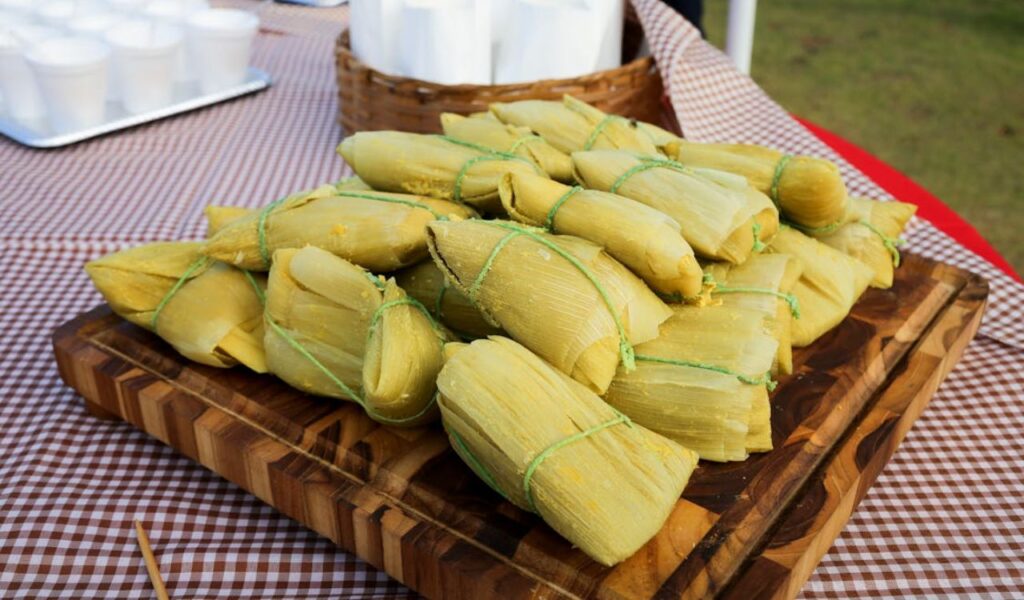
The assembly looks complex only until you do it once. You start with a soaked corn husk laid flat, spread a thin layer of masa over the wide end, and place a small amount of filling in the center. There is no need to tie or secure most tamales, as the husk naturally holds its shape once folded. Even imperfect folds work because the husk acts as a container during steaming. Neatness is optional, and function is what matters. Using too much filling makes folding harder and increases the chance of leaks. A modest amount allows the masa to surround the filling and cook evenly. Spreading the masa thinly also helps, as thick layers can stay dense.
Cooking, Storing, and Reheating Made Easy
Steaming tamales is one of the most hands-off cooking methods you can use. Once the tamales are arranged upright in a steamer, open side facing up, they cook gently in steam without direct contact with water. The process usually takes about an hour, depending on size. There is no flipping, stirring, or checking every few minutes. If it sticks, it simply needs more time. This clear visual cue removes a lot of guesswork from the cooking process. Reheating is simple, either by steaming again or gently microwaving with a damp towel to restore moisture. Instead of a one-night dish, they are a flexible, forgiving food that rewards preparation and removes pressure from the day you plan to serve them.
References
- How to Make Tamales: An Easy Recipe and Guide – allwaysdelicious.com
- Tips on making tamales, for beginners and/or perfectionists – themijachronicals.com