
How to Make Chicken Schnitzel That Stays Crispy for Hours

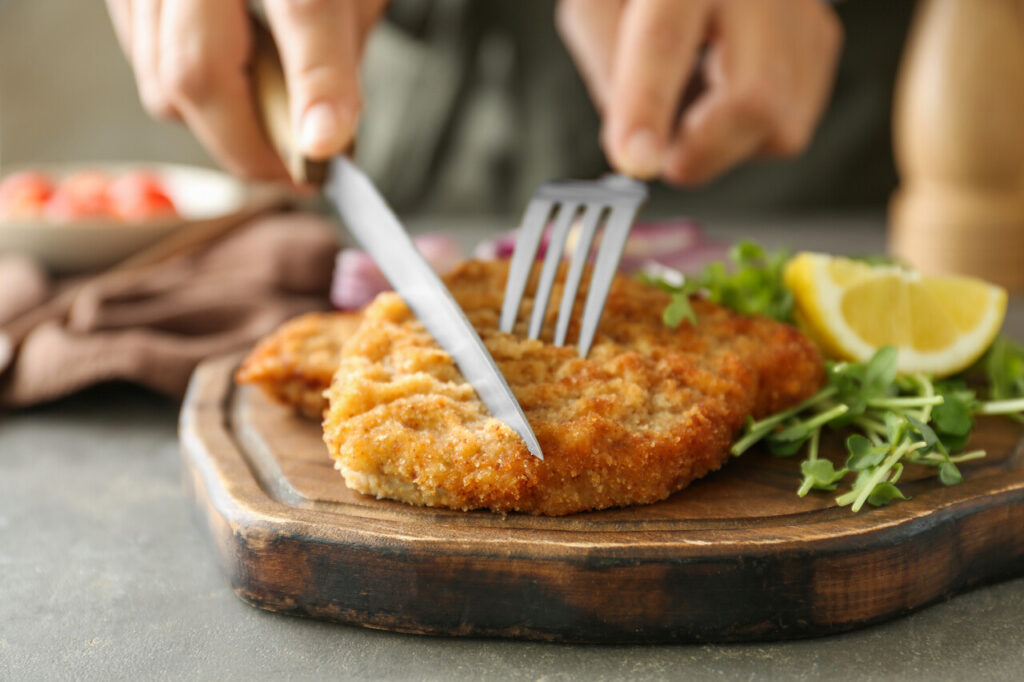
Chicken schnitzel is at its best when the coating stays light, crackly, and golden long after it leaves the pan. The problem is that many versions lose that crunch almost immediately, turning soft before the plate even hits the table. The difference between schnitzel that stays crispy and schnitzel that goes limp usually comes down to a few small but critical choices. How the chicken is prepared, how the breading is built, how the oil is handled, and what happens after frying all play a role. When those steps work together, the crust dries instead of steaming itself soft. Get them right, and schnitzel can hold its texture for hours without sacrificing juiciness.
The Secret Behind Long-Lasting Schnitzel Crunch
The reason most chicken schnitzel loses its crunch has very little to do with breadcrumbs and almost everything to do with moisture. Schnitzel is a thin piece of meat cooked quickly in hot oil, which creates a crisp shell by rapidly driving moisture out of the coating. The problem starts when steam has nowhere to escape after frying. If schnitzel is stacked, covered, or left sitting in its own heat, that trapped steam works its way back into the breading and softens it from the inside out. Recipes that consistently produce crisp schnitzel focus on airflow and separation as much as seasoning and frying technique.
Great schnitzel texture should feel light and brittle rather than thick or crunchy in a heavy way. When you bite into it, the coating should shatter slightly before giving way to juicy chicken, not compress or slide off. That texture comes from a thin, well-adhered breading that fries quickly and evenly. Thick coatings absorb oil and trap moisture, which is why restraint matters at every stage. When done correctly, schnitzel stays crisp far longer than expected because the coating dries as it cools instead of steaming itself soft. Understanding that balance between moisture release and airflow is the foundation for everything that follows.
Getting the Chicken Ready the Right Way
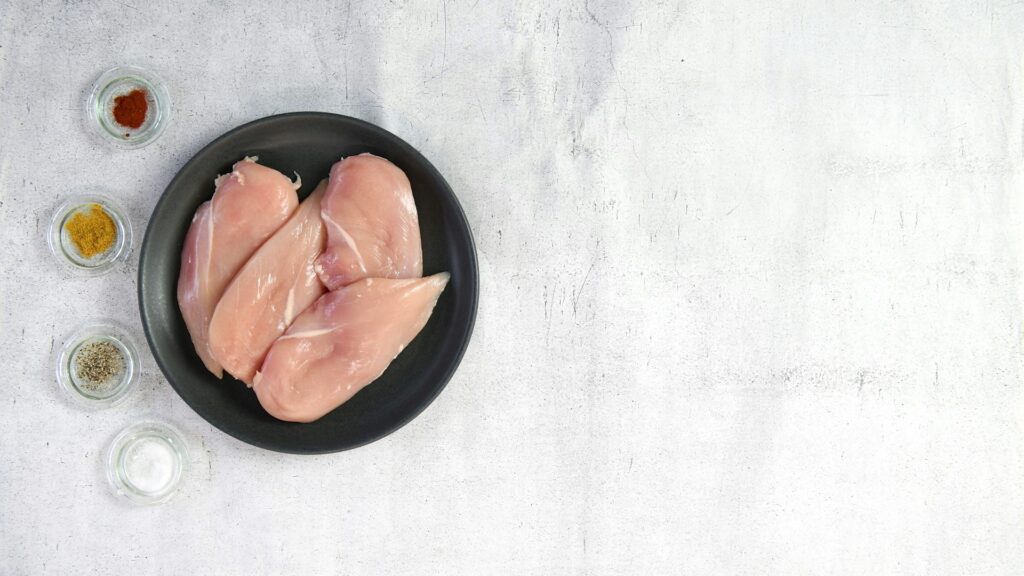
The biggest structural advantage you can give schnitzel starts before any breading touches the chicken. Proper pounding is not about aggression; it is about control. Chicken breasts naturally vary in thickness, which leads to uneven cooking. Thicker sections release steam longer, while thinner edges dry out too fast. By pounding the chicken to an even thickness, usually about a quarter inch, you ensure that the entire cutlet cooks at the same rate. This allows the breading to crisp evenly instead of developing weak spots that soften quickly. Most reliable recipes emphasize gentle pounding between plastic wrap or parchment to avoid tearing the meat.
Uniform thickness also improves how the breading adheres. Flat cutlets present a smooth surface that allows flour, egg, and breadcrumbs to form consistent layers. Jagged or uneven pieces create gaps where moisture can escape unevenly or collect under the coating. Trimming ragged edges and tapering overly thick sections helps maintain clean lines that fry predictably. When the chicken is thin, flat, and dry on the surface before breading, the coating bonds more tightly and resists separating later. That tight bond is one of the quiet reasons schnitzel stays crisp longer after frying.
The Breading Technique That Makes the Difference
Crisp schnitzel depends on structure, and structure comes from a disciplined breading process. The classic sequence of flour, egg, and breadcrumbs exists for a reason. Flour dries the surface and gives the egg something to cling to. Egg acts as glue. Breadcrumbs form the shell. Skipping steps or rushing this process creates weak adhesion that leads to flaking or sogginess. Most schnitzel recipes recommend seasoned flour, beaten eggs, and dry breadcrumbs arranged in a clean, organized dredging station. That order allows you to coat efficiently without overhandling the chicken. Pressing the crumbs gently onto the chicken helps them adhere without compacting them into a dense layer.
Frying Methods That Prevent Sogginess
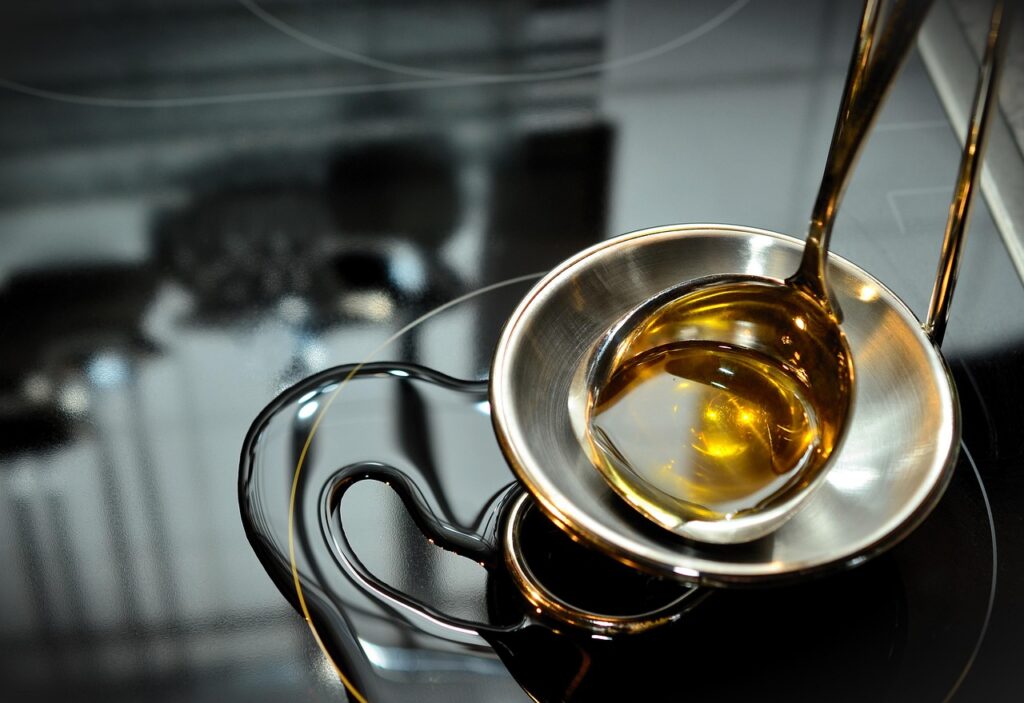
Frying technique is where most schnitzel succeeds or fails. Oil temperature must be hot enough to immediately set the breading, usually around 350 degrees Fahrenheit. If the oil is too cool, the coating absorbs oil before it crisps, leading to greasy, limp schnitzel. If it is too hot, the breading browns before the chicken cooks through. Using a neutral oil with a high smoke point helps maintain stable frying conditions without burning the coating. Equally important is how the schnitzel moves in the pan. Crowding lowers oil temperature and traps steam between cutlets. Most successful methods call for frying in batches with plenty of space so hot oil can circulate freely.
Keeping Schnitzel Crispy After Frying
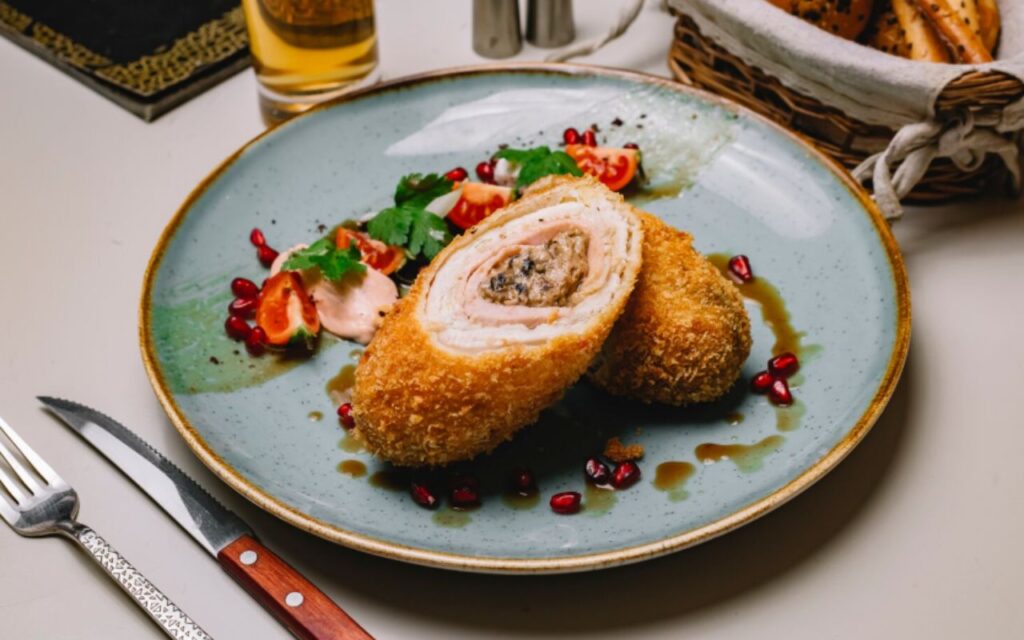
The moment schnitzel leaves the oil is when crispness is either protected or destroyed. Placing hot schnitzel on paper towels traps steam underneath, softening the crust. The better option is a wire rack set over a baking sheet, which allows air to circulate on all sides. Many recipes emphasize this step as critical for maintaining texture, especially if you plan to hold the schnitzel before serving. If schnitzel needs to wait, keeping it warm in a low oven around 200 degrees Fahrenheit on a rack helps preserve crispness without overcooking. Even leftovers reheat better when they start from a well-drained, well-ventilated crust. The final lesson is simple but powerful: crispness does not end at the stove.
References
- Amazingly Tasty and Crispy Chicken Schnitzel – allrecipes.com
- Crispy Chicken Schnitzel – thescranline.com
- Chicken Schnitzel – thepioneerwoman.com